

Related to SDGs
Semarang, February 5, 2026 — The Subdirectorate of Conservation at Universitas Negeri Semarang (UNNES) welcomed a benchmarking visit on waste management and waste sorting from the Institut Teknologi Sepuluh Nopember (ITS) Surabaya. This activity is part of ITS’s effort to strengthen a structured, modern, and conservation-based waste management system on its campus.
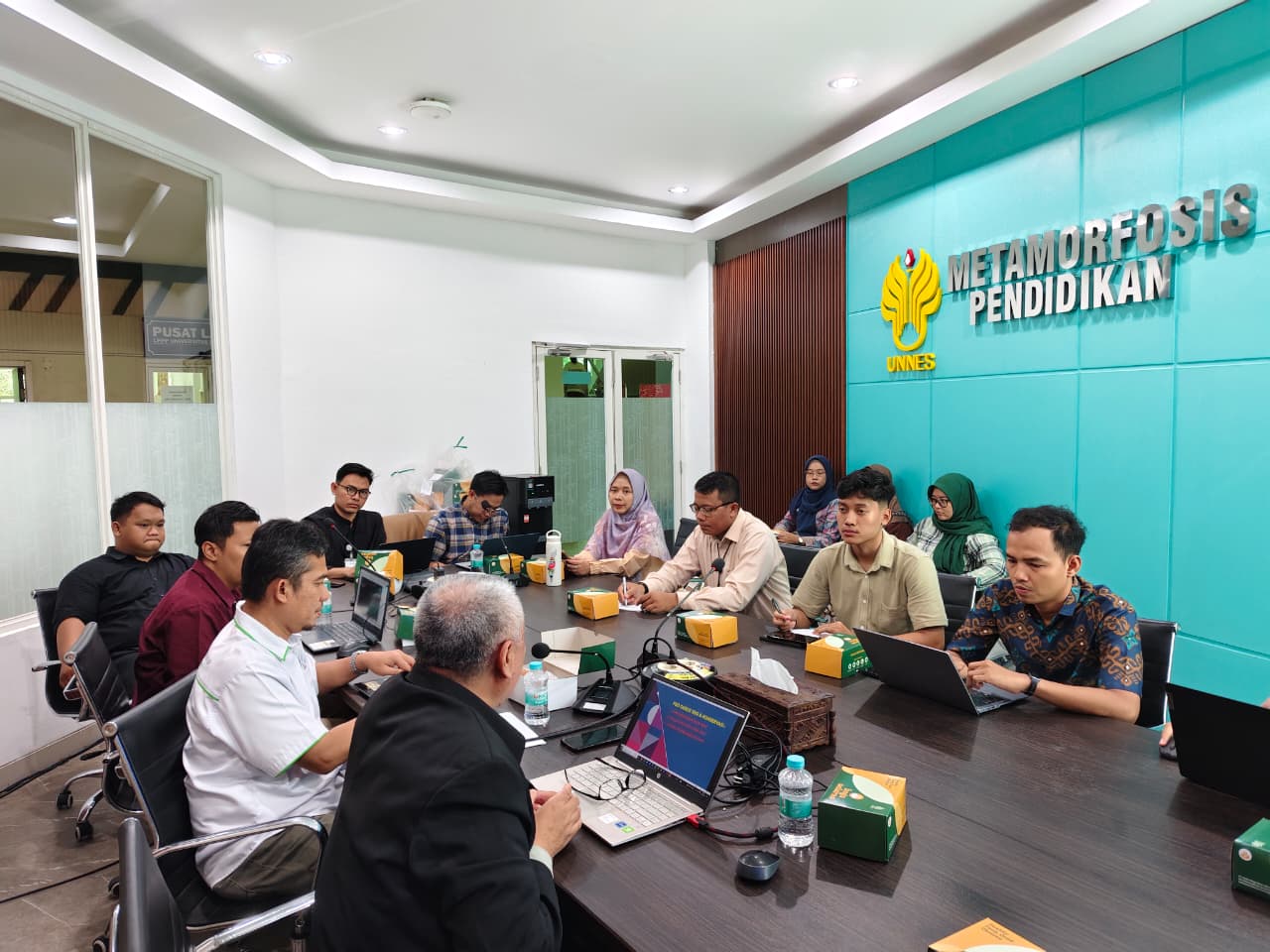
The ITS delegation consisted of six representatives from the Asset Management Bureau (BMA), the Department of Environmental Engineering, and campus facility managers. The group included representatives of BMA ITS, the Head of the Environmental Engineering Department, and officials responsible for infrastructure and green open space. They were welcomed by the Head of UNNES Subdirectorate of Conservation, Prof. Dr. Nana Kariada T.M., M.Si., along with her team, as well as the Head of the UNNES Asset Section and team—making a total of six accompanying staff from UNNES. The meeting took place at the UNNES Metamorphosis Education Room and continued with a field inspection.
In her presentation, Prof. Nana emphasized UNNES’s commitment to developing an integrated waste management system as an essential part of the university’s conservation policy. The materials presented covered waste sorting strategies, organic waste processing, reducing single‑use plastics, and fostering an environmentally friendly culture among the academic community.
“We welcome collaboration and the exchange of best practices between universities. Proper waste management not only affects cleanliness but also impacts ecology, education, and campus sustainability,” she explained.
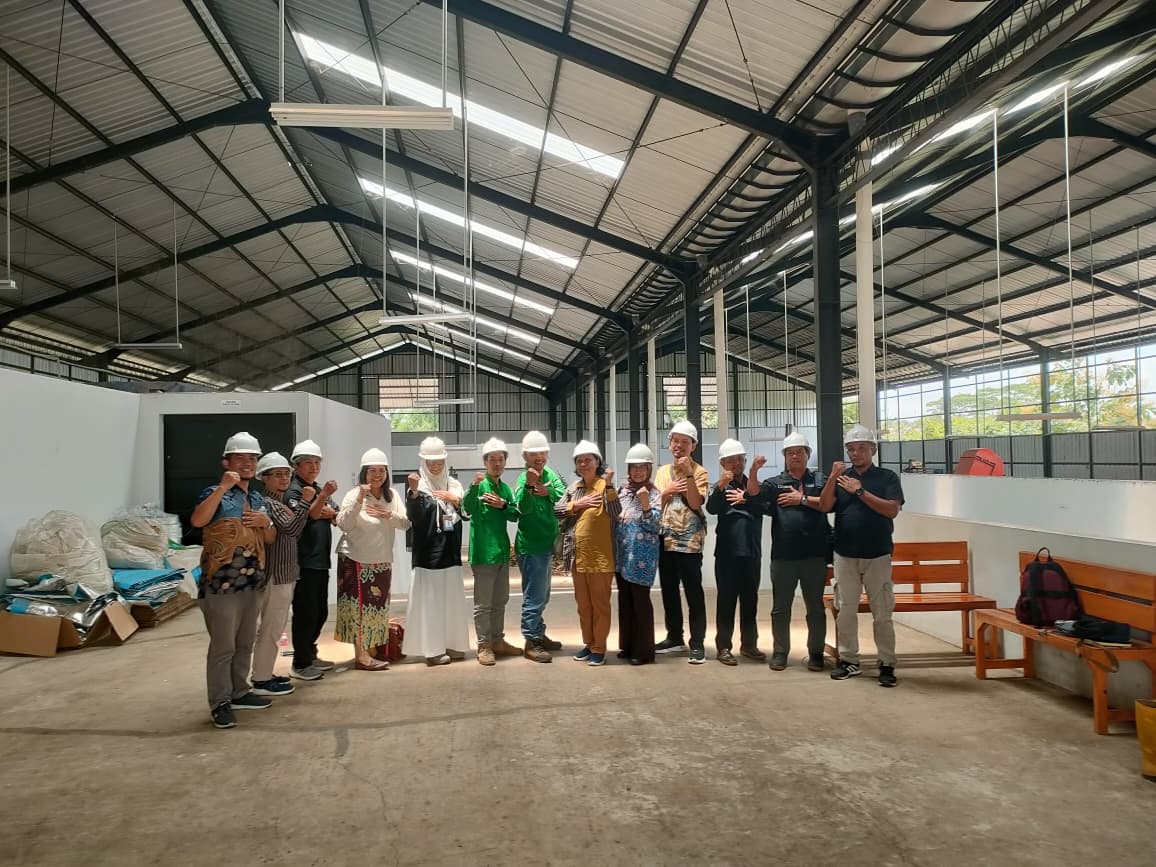
After the discussion, the ITS delegation visited the UNNES Integrated Waste Processing Facility (TPST). They observed that the TPST not only processes organic waste into compost but also operates a maggot production unit as an economically valuable organic‑waste processing solution. The facility also includes plastic-waste processing equipment and an incinerator for specific residual waste treated according to environmental standards. With this range of facilities, UNNES TPST has implemented a comprehensive, independent, and adaptive waste‑management approach.
The visit continued to the UNNES Ecofarm, which utilizes compost and maggots produced by the TPST.