

Semarang, October 15, 2025 — Universitas Negeri Semarang (UNNES) hosted a benchmarking visit from the Conservation, Culture, and Language Unit (UPT) of Galuh University (UNIGAL) on Wednesday, October 15, 2025. This activity was part of UNIGAL’s efforts to strengthen conservation, culture, and language management through comparative studies at various universities that have implemented sustainable conservation campus principles.
The UNIGAL delegation, consisting of the Rector of Galuh University, the Vice Chair of the Galuh Education Foundation, the Head of the UPT Conservation, Culture, and Language, and several staff and field personnel, was welcomed by UNNES Vice Rector I, Prof. Dr. Zaenuri, M.Sc., Akt., at the opening ceremony on the UNNES campus.
In his remarks, Prof. Zaenuri expressed his appreciation for UNIGAL’s initiative in strengthening inter-institutional collaboration in the fields of conservation and culture. “UNNES is always open to collaborations that encourage the implementation of conservation values and sustainable development in higher education,” he said.
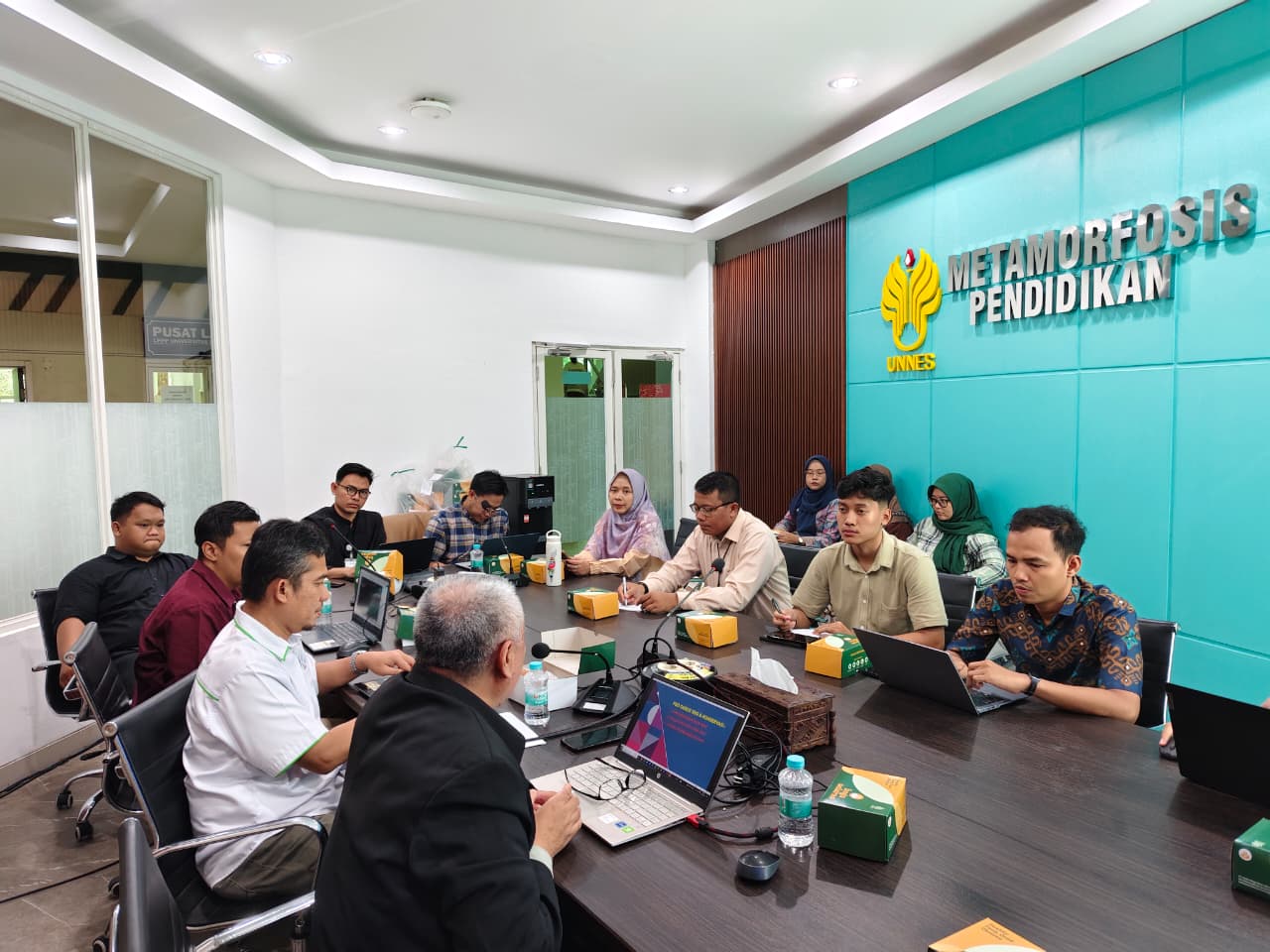
The event then continued with a presentation and discussion led by the Head of the Natural Resources and Environment Section of the UNNES Conservation Sub-Directorate. The discussion was intense, with an exchange of ideas on conservation implementation strategies, environmental resource management, and the integration of cultural and linguistic values into academic and student activities.
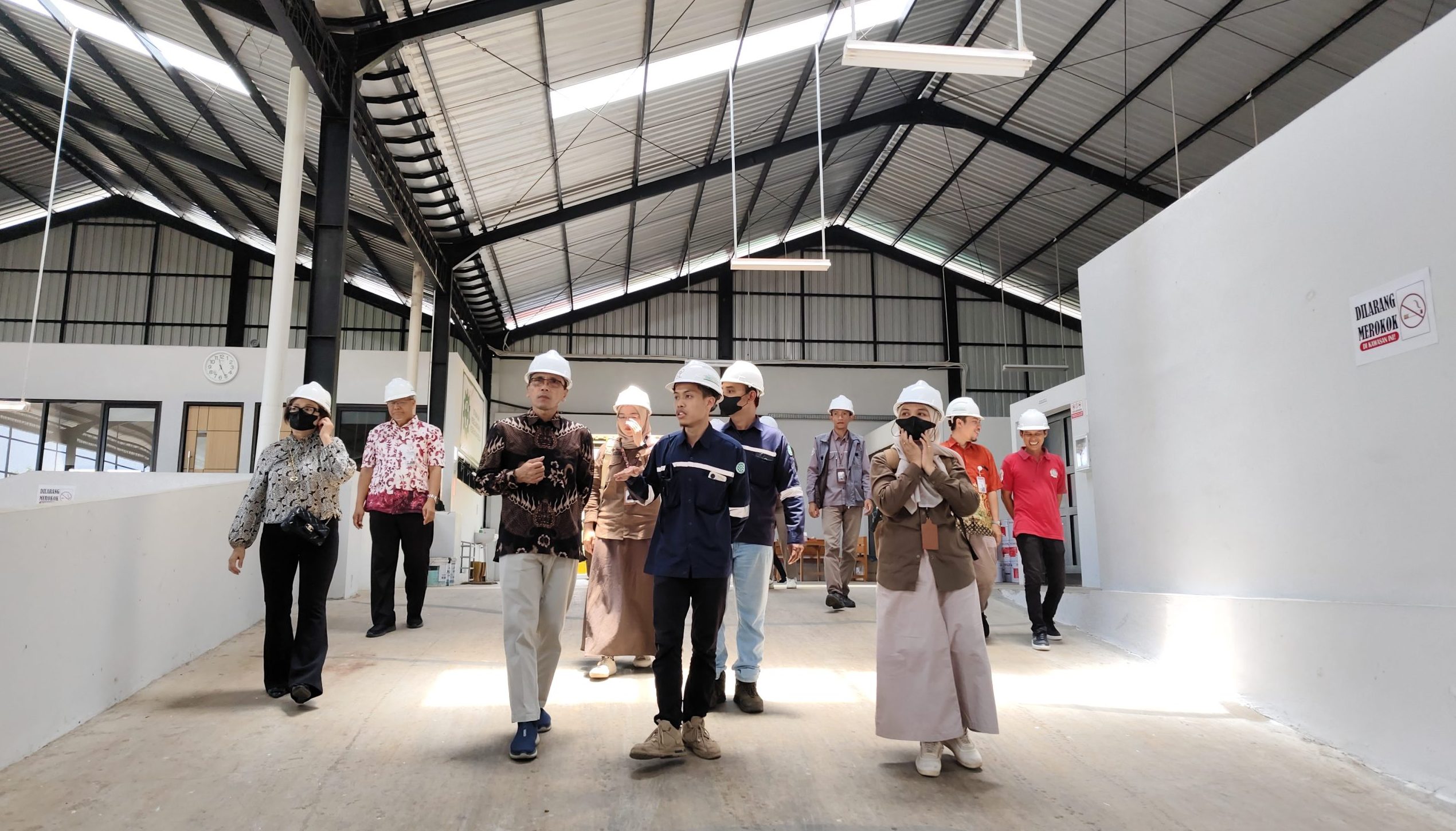
Following the discussion, the UNIGAL team had the opportunity to take a campus tour to see firsthand various superior UNNES facilities, including the Innovation House, the Arts and Culture House, the Integrated Waste Management Facility (TPST), and the UNNES Ecofarm. Through this visit, benchmarking participants gained a concrete understanding of the implementation of the conservation campus concept across various aspects of campus activities.
This benchmarking activity is expected to be the first step for UNIGAL and UNNES in building closer collaboration in the areas of conservation, culture, and sustainable environmental development.