

Related to SDGs
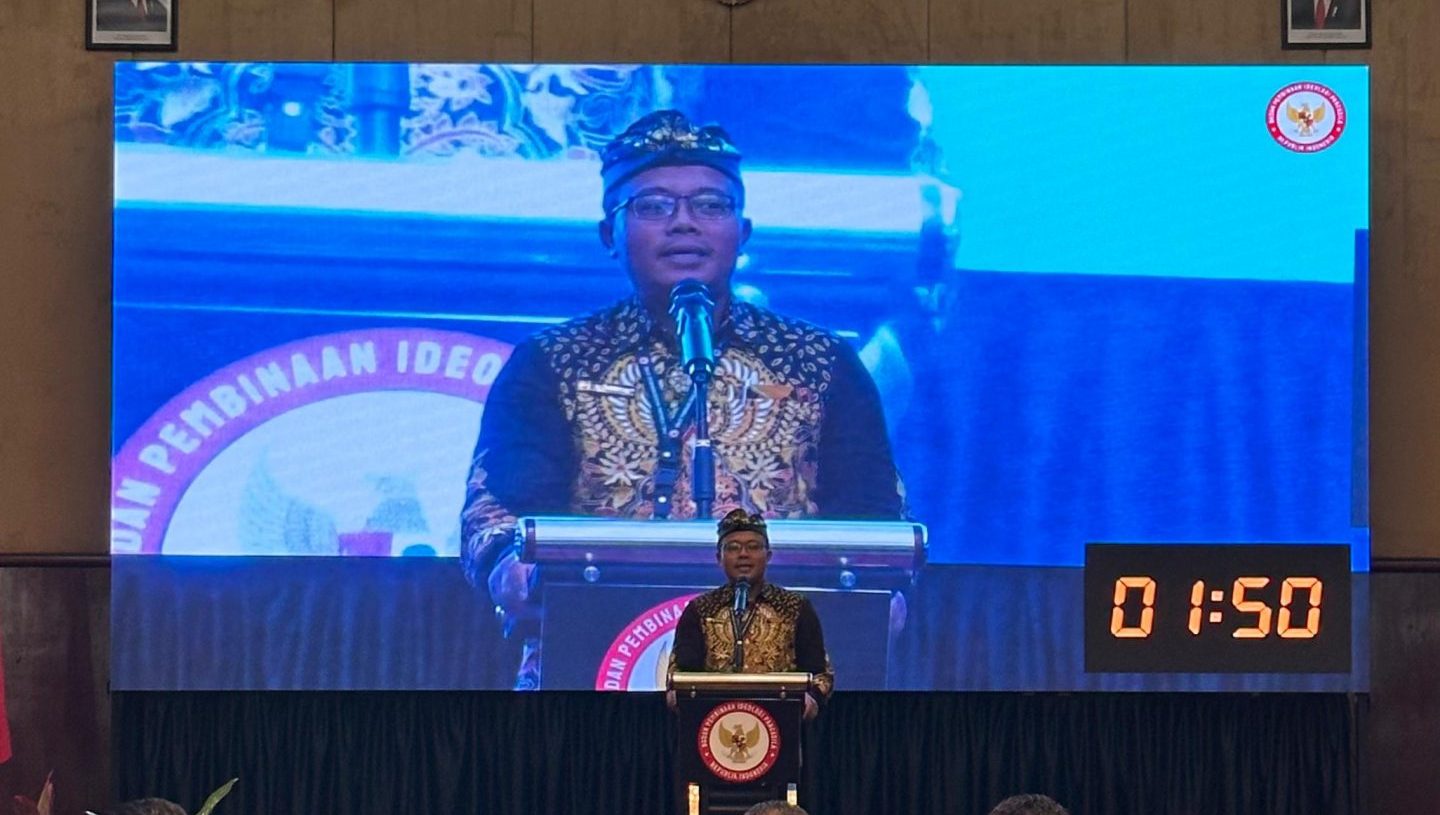
The Indonesian Agency for Pancasila Ideology Development (BPIP) organized a high-quality Education and Training Program (Diklat) on Pancasila Ideology aimed at strengthening the competence of lecturers in teaching and internalizing Pancasila values within higher education. The program brought together lecturers and prospective lecturers of Pancasila Education from various universities across Indonesia as part of a national effort to reinforce ideological resilience in the academic environment.
During the program, a lecturer from Universitas Negeri Semarang (UNNES) presented an academic perspective on Pancasila conservation, emphasizing the importance of preserving Pancasila not only as a state ideology but also as a living set of values that guide ethical behavior, social harmony, and national character. The presentation highlighted UNNES’s long-standing commitment as a Conservation-Oriented University, which integrates conservation principles into education, research, and community engagement.
The training covered philosophical, historical, and constitutional dimensions of Pancasila, while also equipping participants with innovative pedagogical approaches. BPIP underlined that lecturers play a strategic role not only as academic instructors but also as character educators responsible for nurturing integrity, nationalism, and civic responsibility among students. In the face of globalization, digital disruption, and shifting social values, strengthening Pancasila education in universities is considered increasingly essential.
The inclusion of the Pancasila conservation concept presented by the UNNES lecturer enriched the training discourse by linking ideological education with sustainability, social responsibility, and community empowerment. This approach positions Pancasila as a dynamic value system that responds to contemporary challenges while remaining rooted in Indonesia’s cultural identity.
From a global development perspective, the program aligns with the Sustainable Development Goals (SDGs). The capacity-building of lecturers directly contributes to SDG 4 (Quality Education) by enhancing the quality and relevance of higher education through value-based learning. The emphasis on ethics, citizenship, and ideological resilience supports SDG 16 (Peace, Justice, and Strong Institutions) by promoting democratic values, social cohesion, and good governance. In addition, the collaboration between BPIP and higher education institutions, including UNNES, reflects SDG 17 (Partnerships for the Goals) through cross-institutional cooperation in strengthening national ideology and character education.
Through this training program, BPIP reaffirmed its commitment to ensuring that Pancasila remains relevant, contextual, and effectively internalized within the academic community. UNNES’s active contribution further demonstrates the university’s strategic role in integrating ideological development with conservation-based education to support sustainable national development.