

Related to SDGs
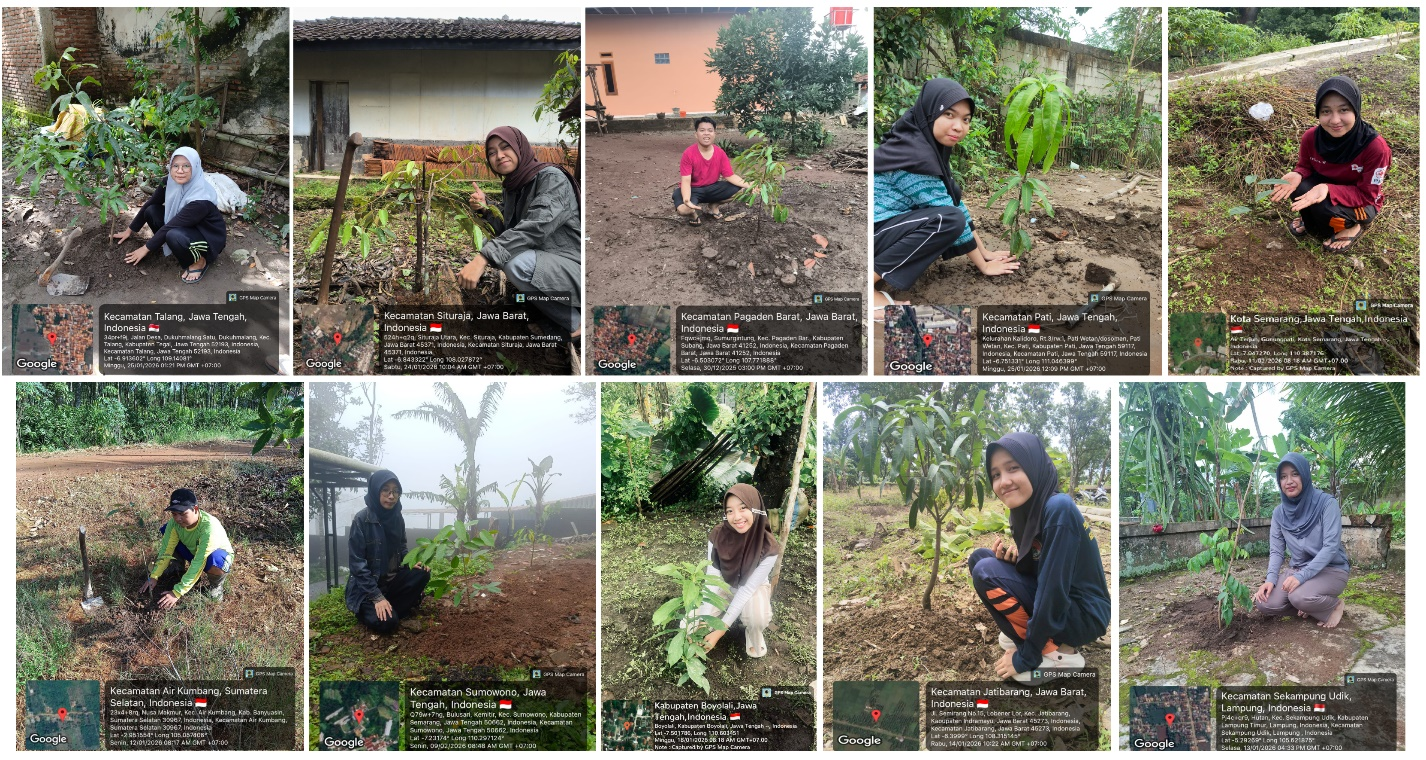
Universitas Negeri Semarang (UNNES), through its Faculty of Mathematics and Natural Sciences (FMIPA), has reaffirmed its commitment to environmental sustainability by planting 481 trees across multiple regions in Indonesia, including Java Island, several provinces in Sumatra, and East Kalimantan. This initiative forms part of UNNES’s long-standing identity as a Conservation-Oriented University and reflects the institutional policy requiring every student to plant at least one tree as a tangible contribution to environmental preservation.
The tree-planting program was carried out independently by FMIPA students between late December 2025 and early February 2026. Students planted trees in their respective local environments, including residential neighborhoods and boarding areas, allowing the impact of the program to spread across diverse geographical and ecological settings.
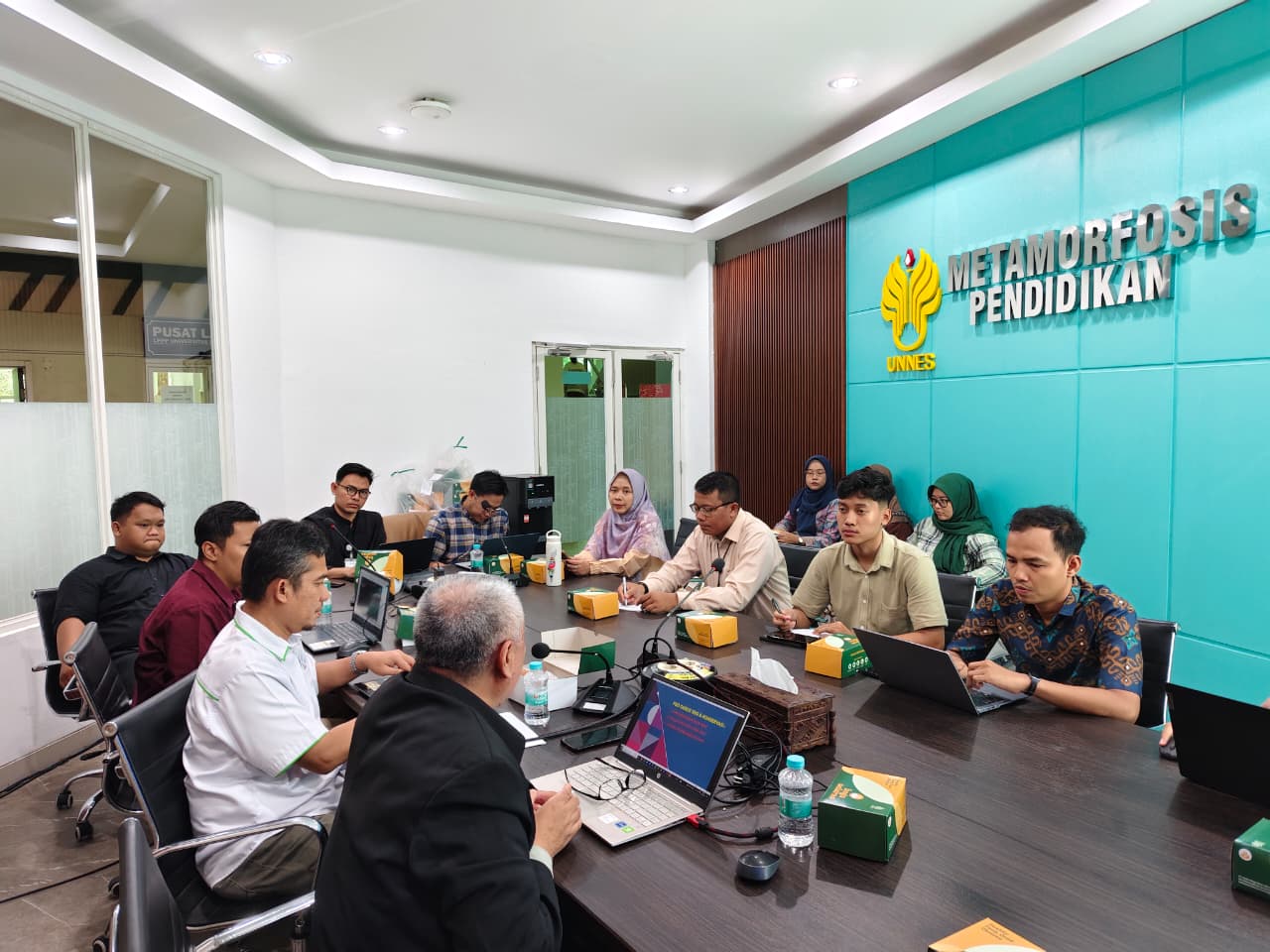
At the faculty level, the program was coordinated by the FMIPA Conservation Task Force, which provided technical guidance on tree species selection, planting procedures, and sustainability monitoring. The entire process was supported by SIOMON, a digital reporting application integrated into UNNES’s academic system, ensuring accurate documentation and long-term accountability of each planted tree.
The trees planted included a combination of fruit-bearing and hardwood species, with fruit trees making up the majority of the total. Avocado (Persea americana) emerged as the most commonly planted fruit species due to its ecological benefits and economic value at the household level. For hardwood species, sengon (Albizia chinensis) was the most frequently selected. Each tree represents an individual student’s responsibility toward environmental stewardship.
The planting locations spanned more than a dozen provinces, including Jakarta, Banten, West Java, Central Java, Yogyakarta, East Java, Lampung, South Sumatra, Riau, Jambi, Bengkulu, and East Kalimantan, with Central Java accounting for the largest share. Several sites were situated in national priority watershed areas, such as the Ciliwung and Serayu river basins, contributing directly to ecosystem rehabilitation efforts.
Beyond its ecological impact, the program serves an important educational purpose. While not intended as a single structural solution to environmental degradation, the initiative aims to foster long-term environmental awareness, particularly among Generation Z students. By engaging directly in tree planting and maintenance, students move beyond theoretical understanding to practical conservation action, building sustainable habits and ecological responsibility.
This initiative aligns with the United Nations Sustainable Development Goals, particularly SDG 13 (Climate Action), SDG 15 (Life on Land), and SDG 6 (Clean Water and Sanitation) through watershed protection. The program demonstrates how higher education institutions can play a strategic role in integrating sustainability into academic culture and student life.
Through measurable action, digital accountability, and nationwide participation, UNNES continues to position itself as a leading institution in advancing environmental conservation and sustainable development, both nationally and internationally