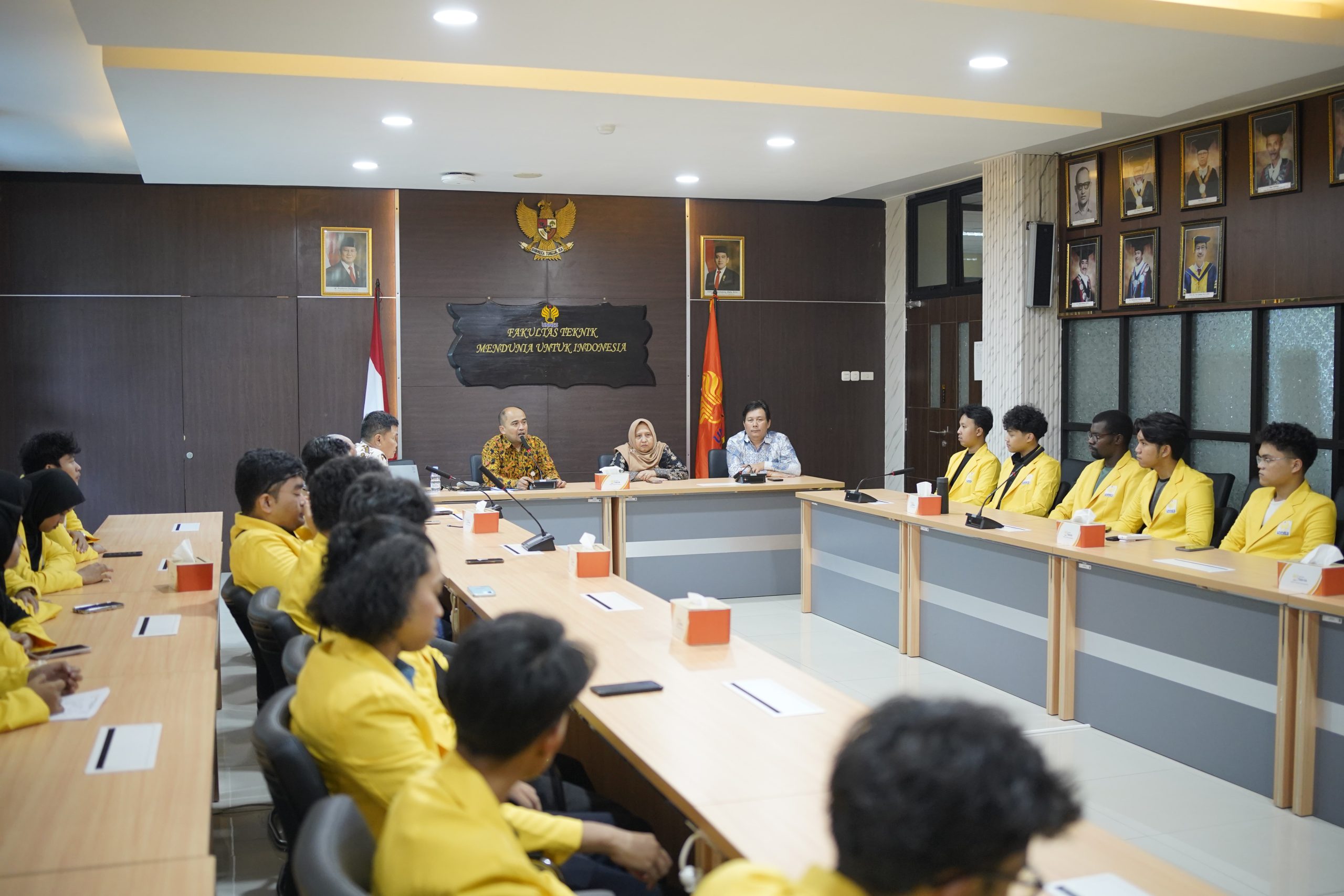




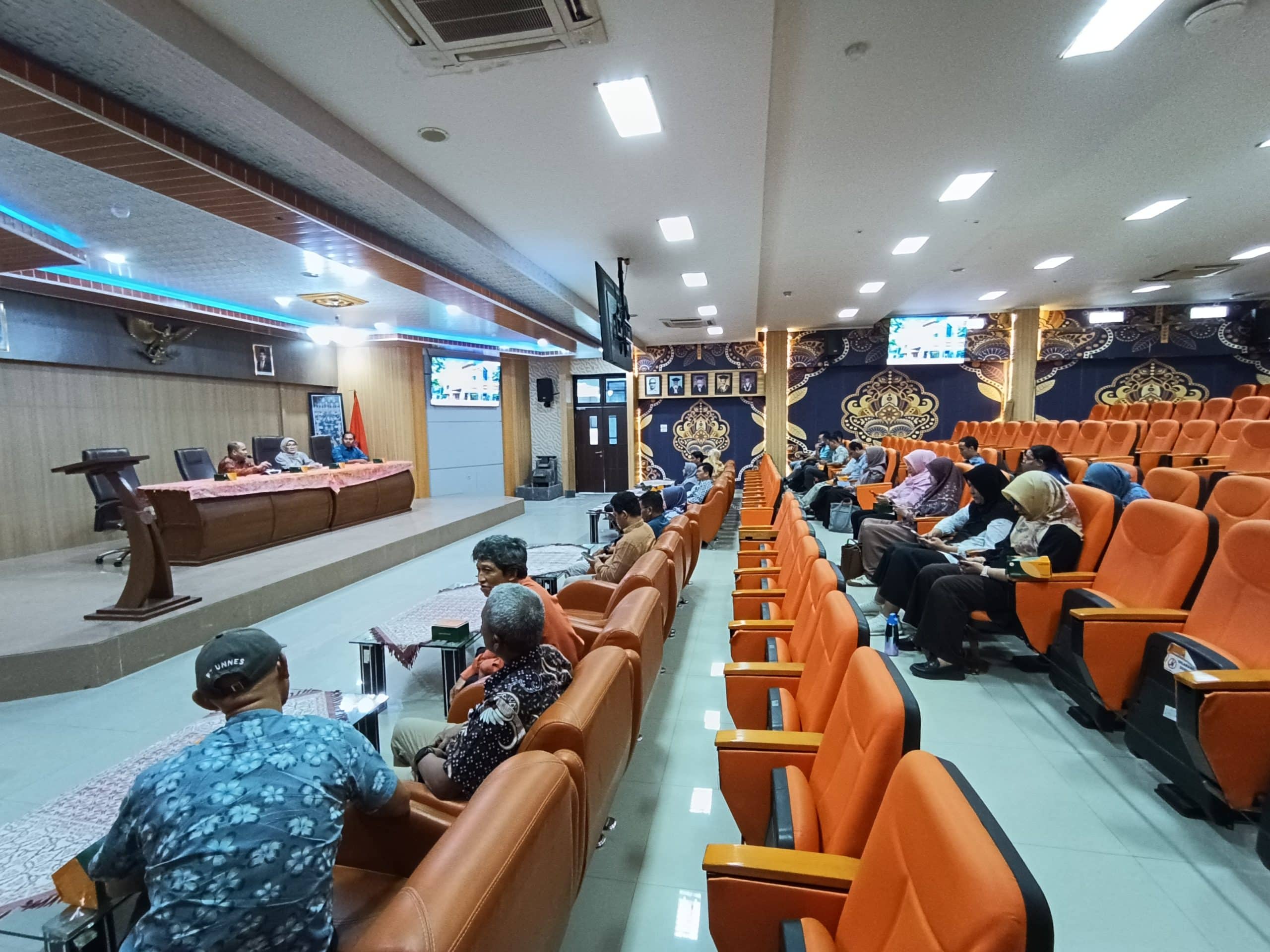
Semarang, October 20, 2026 — The Faculty of Engineering at Universitas Negeri Semarang (FT UNNES) conducted its 2026 Internal Quality Audit (AMI) on Tuesday, October 20, 2026, at the Prof. Soedhartono Meeting Room, Faculty of Engineering Dean’s Office Building, UNNES. The activity represents the Faculty’s ongoing commitment to maintaining, evaluating, and continuously improving the quality of higher education while ensuring alignment with the university’s established quality standards.
The Internal Quality Audit serves as an essential instrument within the university’s Internal Quality Assurance System (Sistem Penjaminan Mutu Internal or SPMI). Through this process, the Faculty of Engineering evaluates the implementation of academic quality standards and other supporting aspects of educational delivery. The audit is expected to provide an overview of the extent to which established standards have been achieved, identify areas requiring improvement, and formulate follow-up measures to enhance educational services.
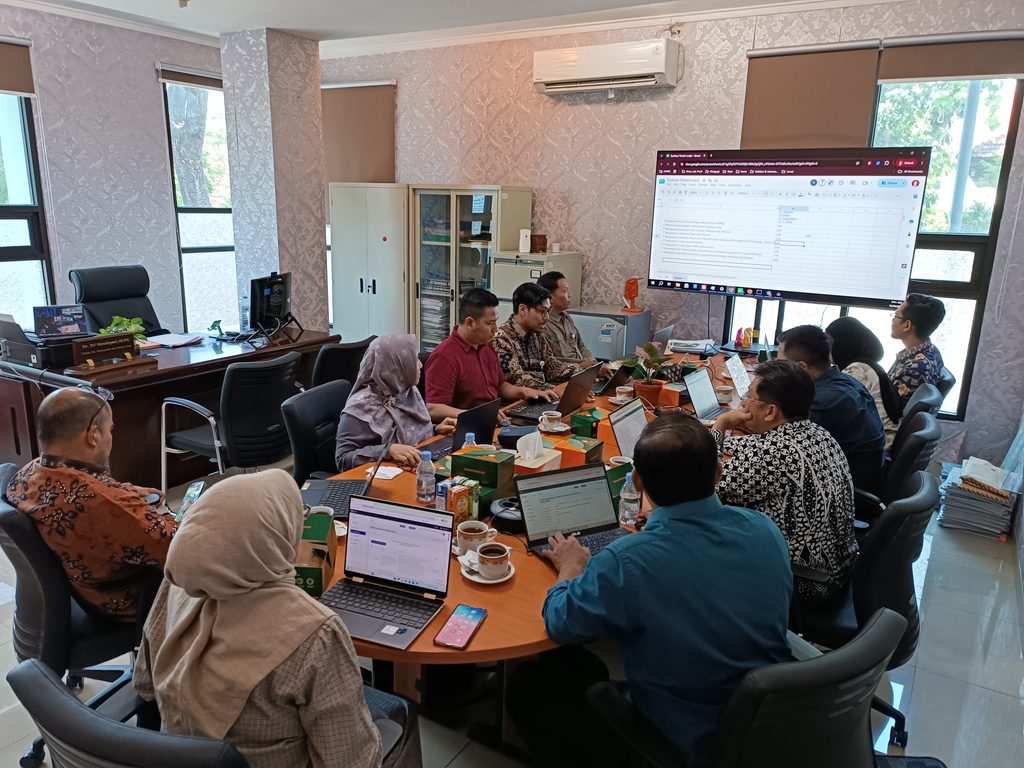
The audit was conducted internally, involving quality assurance representatives at both university and faculty levels. Its purpose extends beyond administrative compliance, serving as an opportunity to reflect on educational practices, review program implementation, and evaluate the effectiveness of quality standards across the Faculty of Engineering.
Opening Session: Strengthening a Shared Commitment to Quality
The 2026 Internal Quality Audit at the Faculty of Engineering UNNES was officially opened by the Vice Dean for Academic and Student Affairs, Dr.-Ing. Dhidik Prastiyanto, S.T., M.T. The opening marked the commencement of the audit process and reaffirmed the Faculty’s commitment to strengthening academic governance and improving the quality of higher education.
The audit provides an opportunity for all units within the Faculty to review whether academic activities and institutional programs are being implemented in accordance with established quality standards. Such evaluations are essential to ensure that academic programs and educational services are delivered systematically, measurably, and in alignment with the institution’s development objectives.
The opening session was followed by contributions from the Head of the UNNES Internal Quality Audit Team, Prof. Dr. Murbangun Nuswowati, M.Si., together with Agus Darmawan, M.Pd., who participated in the audit activities. Their involvement reflects the importance of university-level quality assurance in ensuring a systematic evaluation process and strengthening a culture of quality across faculties and study programs.
Through this audit, the Faculty of Engineering UNNES expects to obtain valuable input for assessing the effectiveness of quality standards, identifying opportunities for development, and formulating improvement recommendations based on the audit findings.
Annual Audits Across Faculty and Study Program Levels
The Internal Quality Audit is conducted annually as part of UNNES’s institutional quality assurance mechanism. The process is not limited to the university or faculty level; it also extends to individual study programs. This multi-level approach enables a more comprehensive evaluation that considers the characteristics, needs, and development targets of each academic unit.
At the study program level, the audit plays an important role in evaluating learning processes, curriculum management, academic services, and other aspects related to the achievement of higher education standards. The evaluation results can serve as a basis for study program managers to determine improvement priorities and develop more targeted development strategies.
Regular audits also support the consistent implementation of quality standards across institutional units. Through structured evaluations, each unit has the opportunity to review its achievements, identify implementation challenges, and develop appropriate improvement strategies based on institutional needs.
Furthermore, the audit encourages a shared understanding that quality assurance is a collective responsibility. Faculty leaders, study program managers, lecturers, administrative staff, and other relevant stakeholders all play important roles in ensuring that educational processes comply with established standards and continue to improve over time.
Promoting Evaluation and Continuous Improvement
The Internal Quality Audit does not end with inspection and evaluation. Instead, it forms part of a continuous quality improvement cycle. Audit findings and recommendations can provide the foundation for follow-up action plans, the prioritization of improvements, and the monitoring of corrective measures implemented by the relevant units.
Through this mechanism, the Faculty of Engineering UNNES can strengthen evidence-based decision-making. Audit data and findings provide valuable input for ensuring that faculty development programs are not merely implemented for administrative purposes but also contribute to improvements in educational processes and services.
Regular evaluation is also necessary to maintain alignment between academic program implementation and the university’s vision and mission. Consequently, improvement initiatives can be directed toward achieving institutional objectives, enhancing governance effectiveness, and strengthening the quality of education provided to students.
The culture of quality fostered through the audit is expected to extend beyond the audit period and become an integral part of daily institutional practices. A commitment to evaluation, proper documentation, follow-up action, and the measurement of improvement outcomes is essential to building a consistent and sustainable quality assurance system.
A Commitment to Educational Excellence at the Faculty of Engineering UNNES
Through the 2026 Internal Quality Audit, the Faculty of Engineering UNNES continues to reinforce its commitment to maintaining and improving educational quality. The activity forms part of the Faculty’s broader efforts to ensure that educational delivery at both faculty and study program levels is regularly evaluated and developed in accordance with applicable quality standards.
Moving forward, the audit results are expected to be utilized effectively by the relevant units as a foundation for improvement and program development. Consistent follow-up on audit findings is essential to ensure that the quality assurance process produces tangible improvements in academic governance and educational services.
Through regular, systematic, and improvement-oriented internal audits, the Faculty of Engineering UNNES seeks to foster an academic environment that is increasingly high-quality, accountable, and responsive to developments in higher education. These efforts also contribute to the achievement of UNNES’s vision and mission by strengthening a culture of quality throughout the institution.