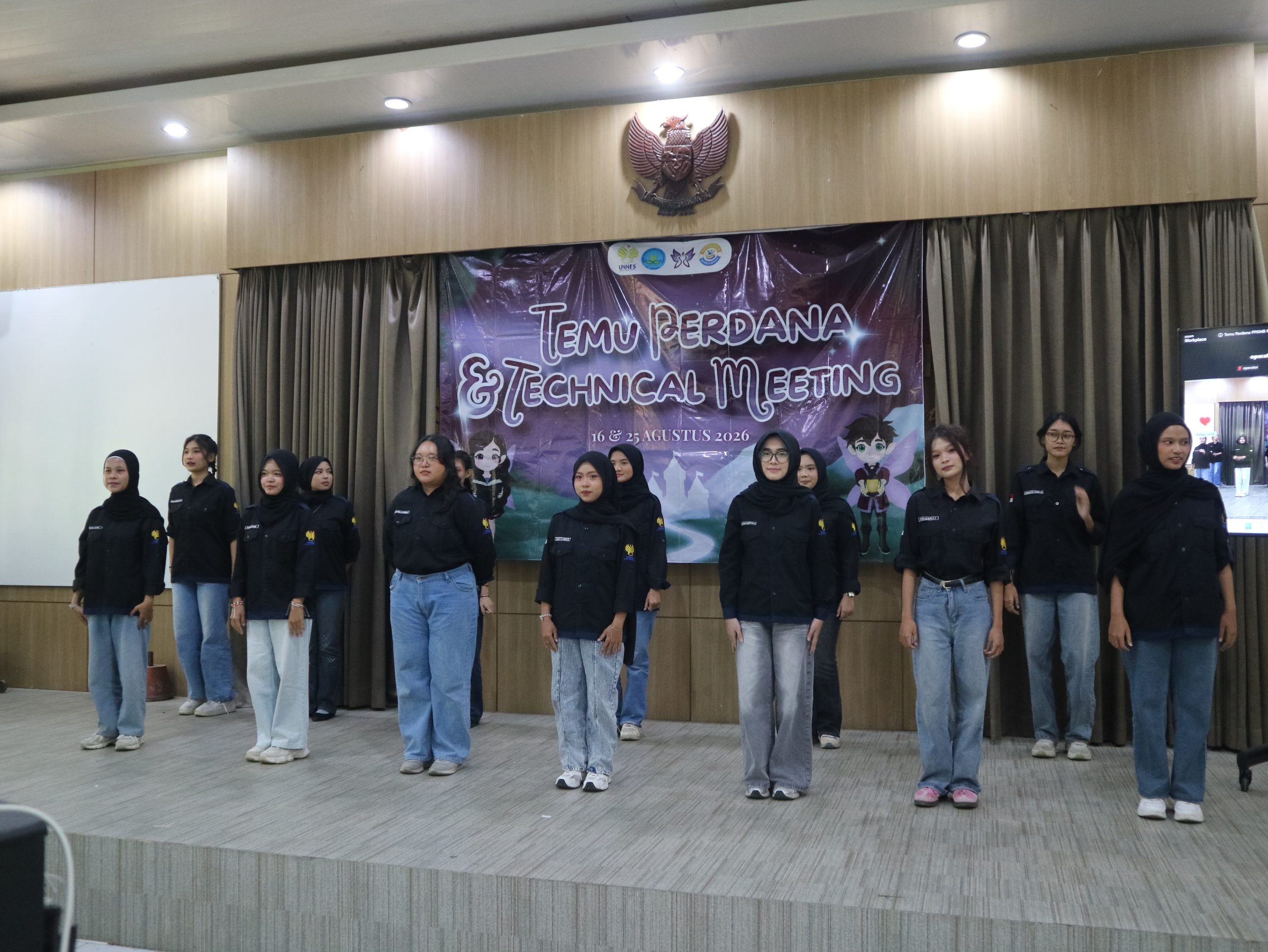




Semarang – Entering university life is a new experience that requires a process of adaptation, familiarization with the environment, and an understanding of various academic and student-related activities. As an initial step toward building a connection with new students, an “Inaugural Meeting for New Students” (Temu Perdana Mahasiswa Baru/TP Maba) was held for the Family Welfare Education (Pendidikan Kesejahteraan Keluarga/PKK) cluster at Universitas Negeri Semarang (UNNES) on August 16, 2026, via Zoom Meeting. This event served as an introductory session and an orientation, allowing new students to get to know the student environment, learn about organizational structures, and gain an overview of the various activities they will encounter throughout their university studies. The program began with an opening, a report on the event, welcoming remarks, and a review of the code of conduct—an essential introduction to the rules and operational procedures. Subsequently, participants were introduced to the IKPK (Family Welfare Education Student Association), learned a flashmob routine, and received information from the student handbook (bukpan) to help orient them. To ensure a clear understanding of the upcoming schedule, the organizing committee also outlined specific assignments that participants need to prepare. A Q&A session was provided to facilitate interaction, allowing new students to ask questions, seek clarification, and address any uncertainties. Additionally, a drawing was held to assign performances for an upcoming arts showcase (pentas seni/pensi), which is part of the students’ future activities. The event concluded with a virtual group photo, serving as documentation and a memento of this inaugural gathering. By utilizing Zoom Meeting, the orientation and briefing session remained well-structured, enabling participants to engage with every part of the agenda from their respective locations. Through this inaugural meeting, it is hoped that new students will gain an initial understanding of the PKK student environment, establish connections with their peers, and foster a sense of togetherness—ultimately preparing them to participate actively in various organizational activities and personal development programs throughout their studies at UNNES.