



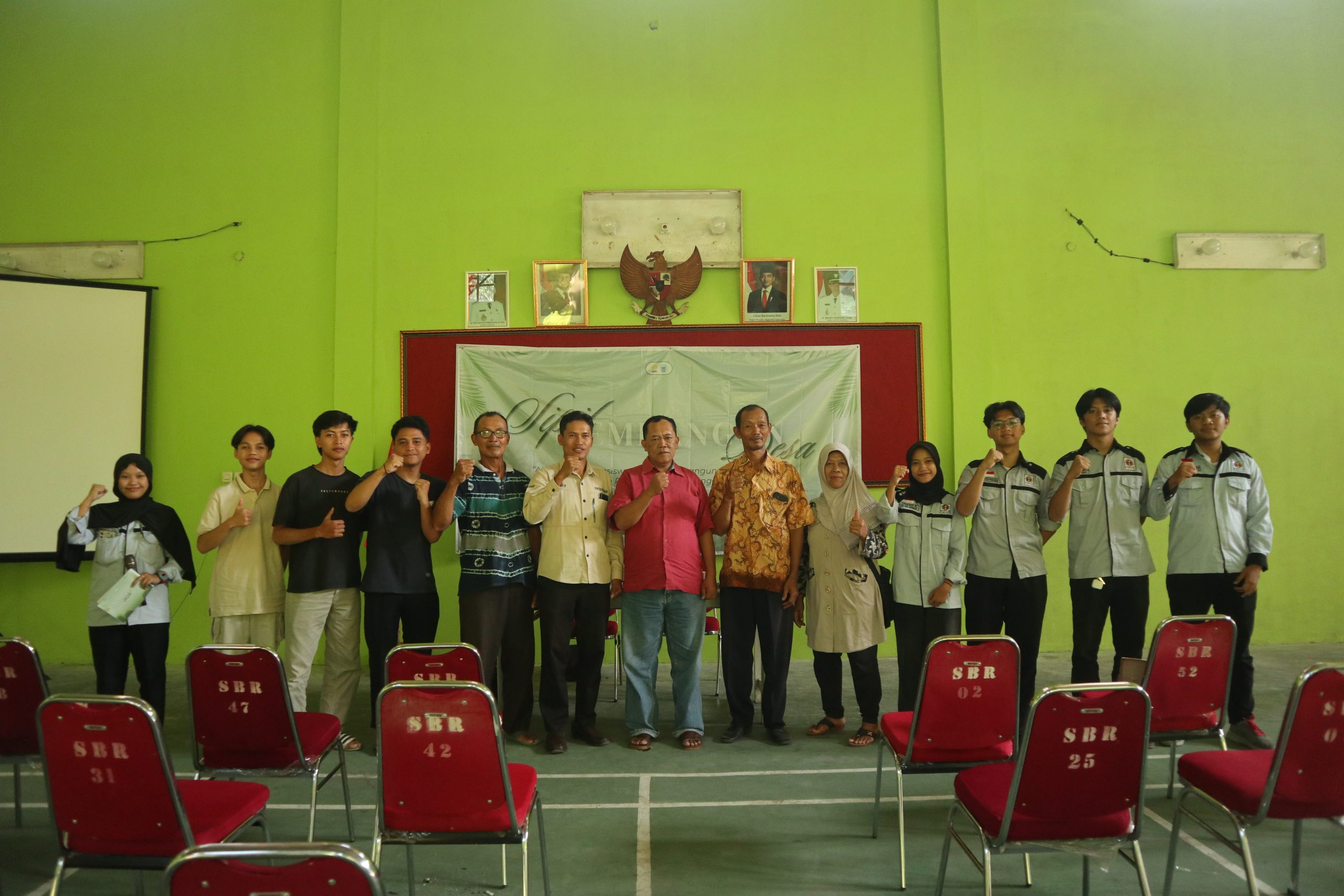
Kendal – The Civil Engineering Student Association (HMTS) of Universitas Negeri Semarang (UNNES) has once again demonstrated its commitment to community development through the “Sipil Membangun Desa” (Civil Engineering Builds the Village – SIMBADES) 2026 program in Sumberahayu Village, Limbangan District, Kendal Regency. Through various social initiatives and environmental development projects, the students aim to foster a healthy community and a better-organized village environment. One of the activities carried out was a group exercise session with members of the Family Welfare Empowerment (PKK) organization.
This activity served as a means to encourage an active and healthy lifestyle while strengthening social bonds among residents. Additionally, SIMBADES 2026 included recreational games for children, providing them with space to interact, stay active, and build a sense of togetherness. Regarding environmental improvement, the UNNES civil engineering students renovated the village gateway and information boards. The gateway—a key element of the area’s identity—was refurbished to enhance the village’s appearance, while the information boards were updated to better serve as a medium for conveying information to both residents and visitors. These efforts reflect the students’ concern for the quality of the village’s physical environment and informational infrastructure.
These initiatives align with two of the Sustainable Development Goals (SDGs). The group exercise sessions and children’s games support SDG 3 (Good Health and Well-being) by promoting physical activity and positive social interaction. Meanwhile, the renovation of the village gateway and information boards contributes to SDG 11 (Sustainable Cities and Communities), specifically by fostering a higher-quality, inclusive residential environment that reflects local identity. Through SIMBADES 2026, HMTS UNNES aims to demonstrate that student contributions to village development are not limited to physical infrastructure, but also encompass health, social aspects, and the overall quality of life for the community. This initiative is expected to strengthen the relationship between higher education institutions and the community, while simultaneously fostering a sense of concern among students for sustainable development.