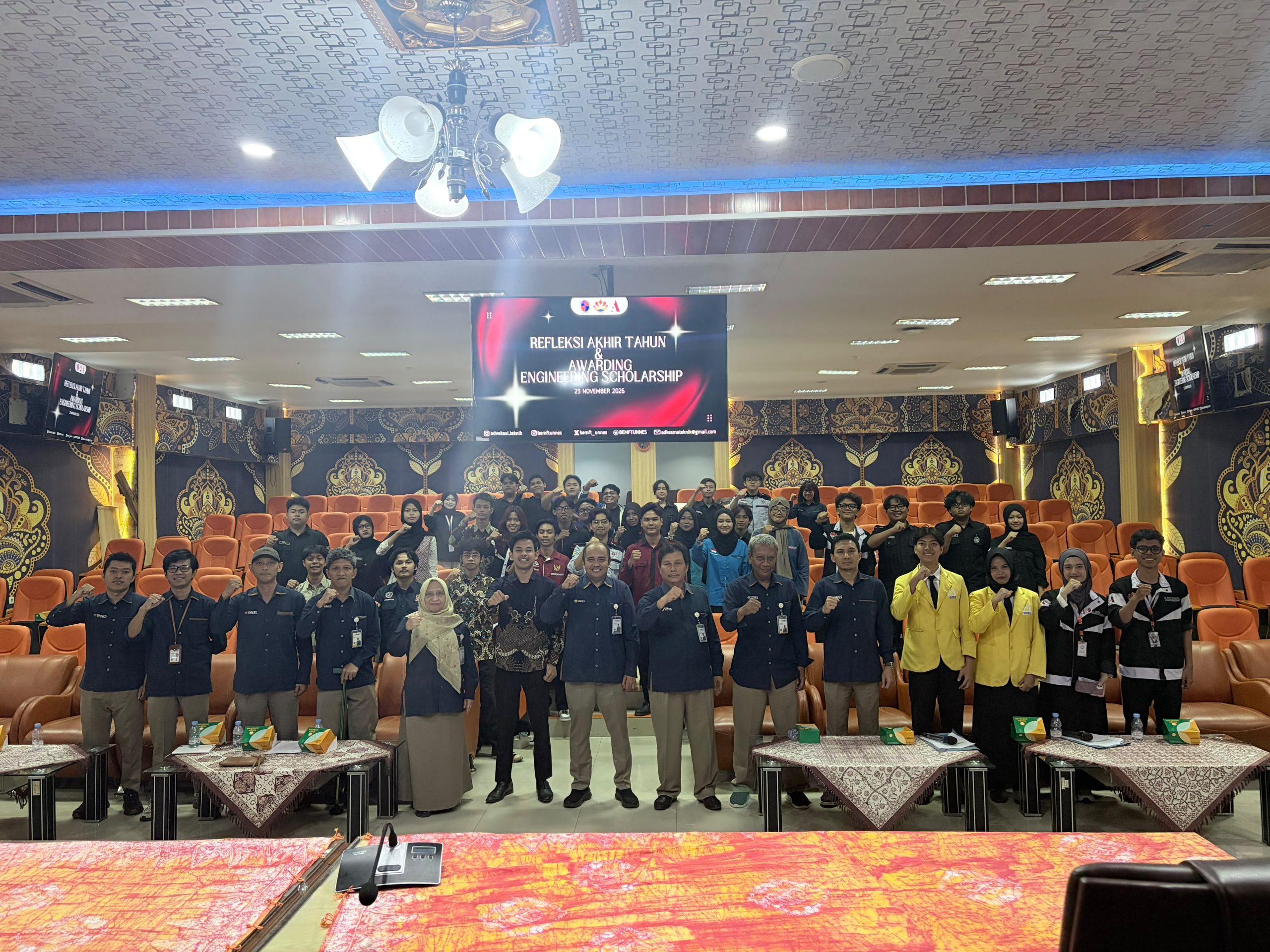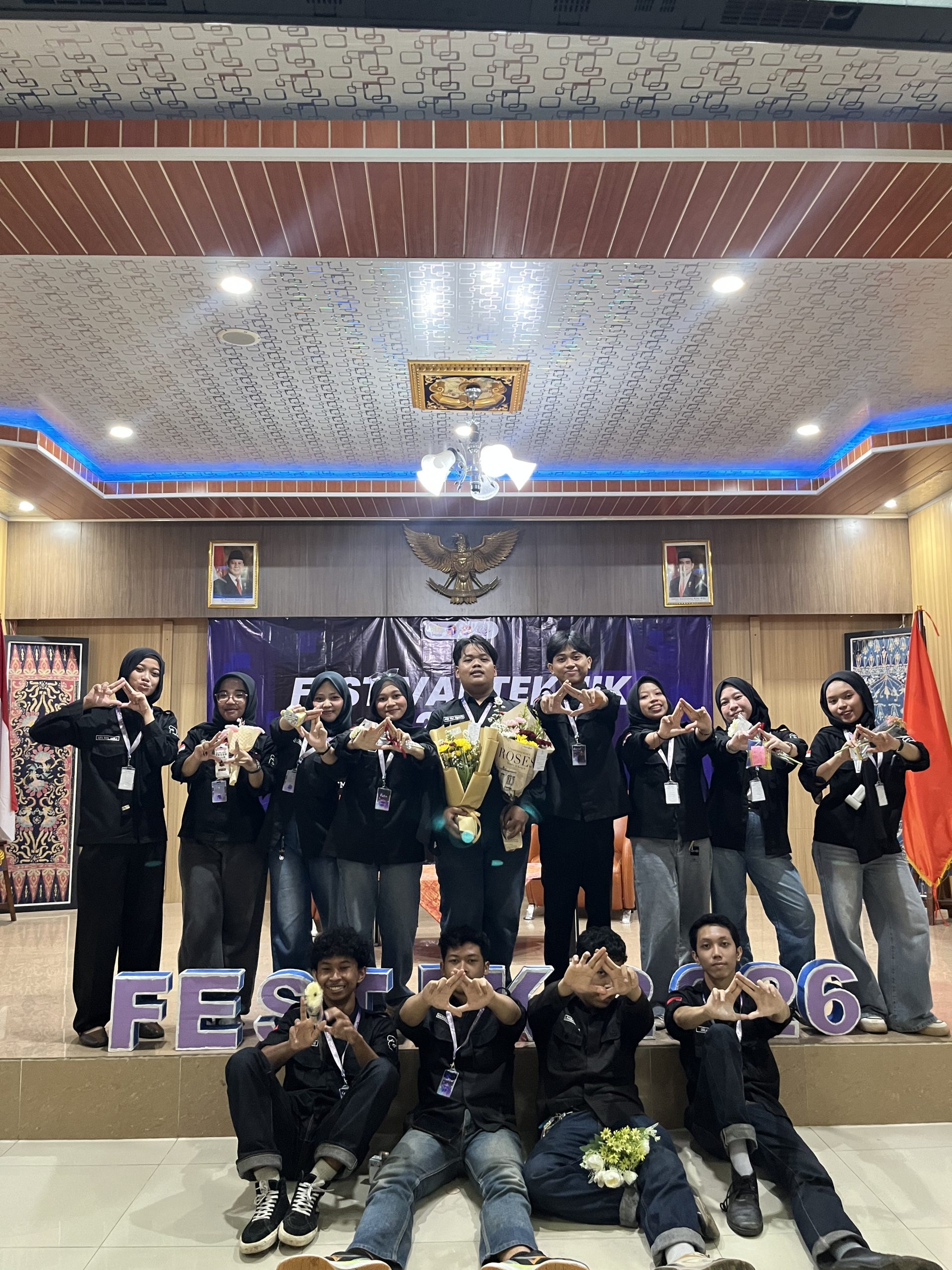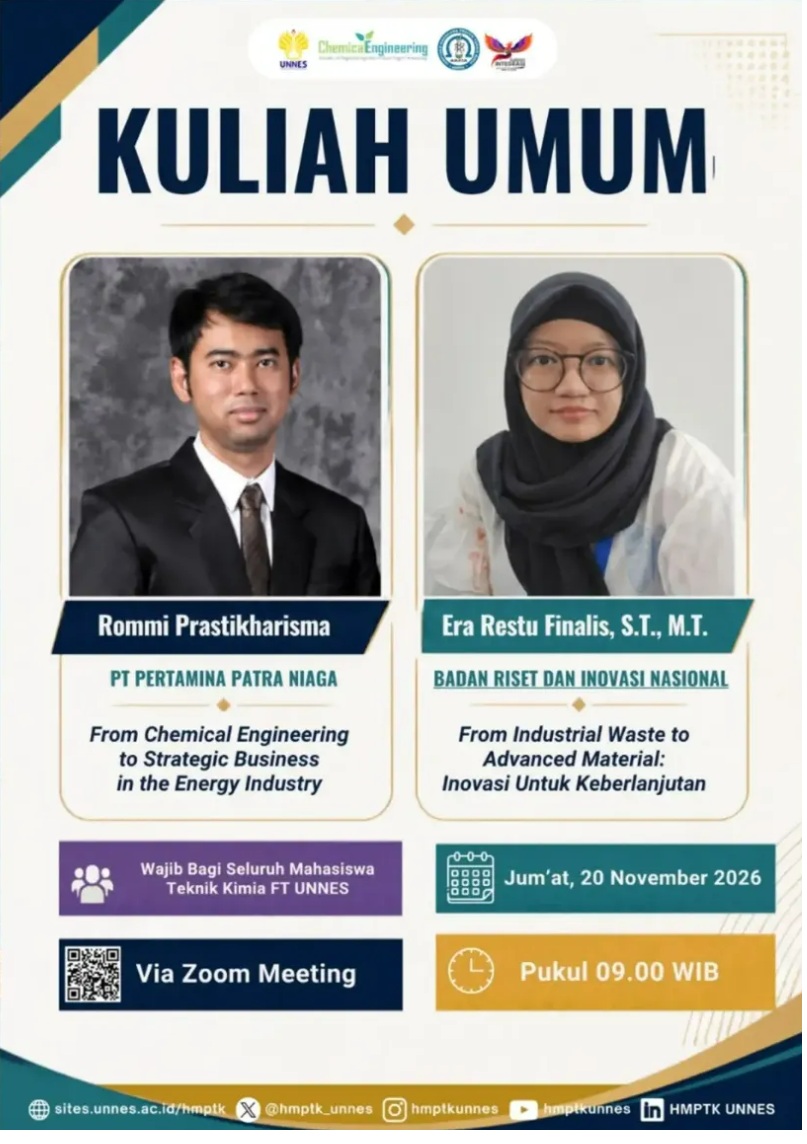




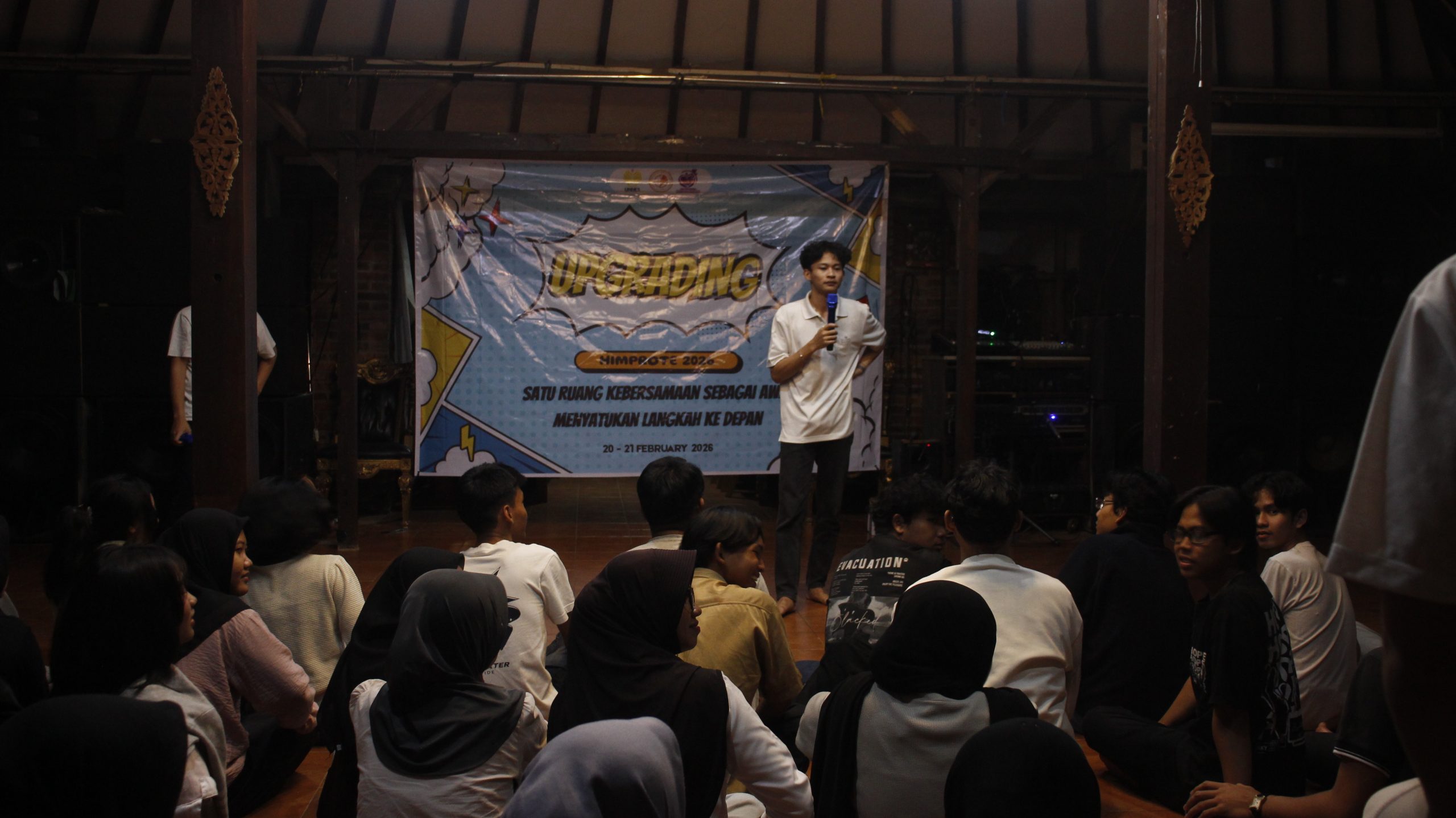
Semarang – The Electrical Engineering Student Association (HIMPROTE) of the Faculty of Engineering, Universitas Negeri Semarang (FT UNNES), organized the HIMPROTE 2026 Capacity-Building Program on March 20, 2026. The initiative aimed to enhance the competencies, capabilities, and quality of human resources within the student organization.
As part of the organization’s internal development initiatives, the program focused on strengthening committee members’ understanding of responsibility, leadership, communication, and teamwork in implementing organizational programs. It also served as a platform for establishing a shared vision and enhancing professionalism among committee members in fulfilling their respective responsibilities.
Through this initiative, HIMPROTE FT UNNES committee members were encouraged to develop organizational management skills, establish effective communication, improve discipline, and strengthen coordination across organizational divisions. These competencies provide an essential foundation for building an active, productive, and responsible student organization.
Beyond individual competency development, the program also served as a platform for strengthening interpersonal relationships, fostering a sense of belonging, and promoting solidarity among committee members in achieving shared objectives. A collaborative organizational environment is expected to support the effective and sustainable implementation of organizational programs.
Through the 2026 Capacity-Building Program, HIMPROTE FT UNNES seeks to develop student organization leaders who demonstrate integrity, adaptability, professionalism, and strong leadership qualities, enabling them to contribute positively to the student community and the Faculty of Engineering, UNNES.
This initiative aligns with UNNES’ commitment to advancing the Sustainable Development Goals (SDGs), particularly SDG 4: Quality Education, by developing leadership, communication, and organizational management skills while strengthening students’ character through learning opportunities beyond formal academic activities.