Guru Besar Pendidikan Sejarah Prof. Cahyo Budi Utomo Wafat, Tinggalkan Gagasan Sejarah yang Humanis dan Kontekstual

Universitas Negeri Semarang > Faculty of Social Sciences and Political Science > Berita > Guru Besar Pendidikan Sejarah Prof. Cahyo Budi Utomo Wafat, Tinggalkan Gagasan Sejarah yang Humanis dan Kontekstual

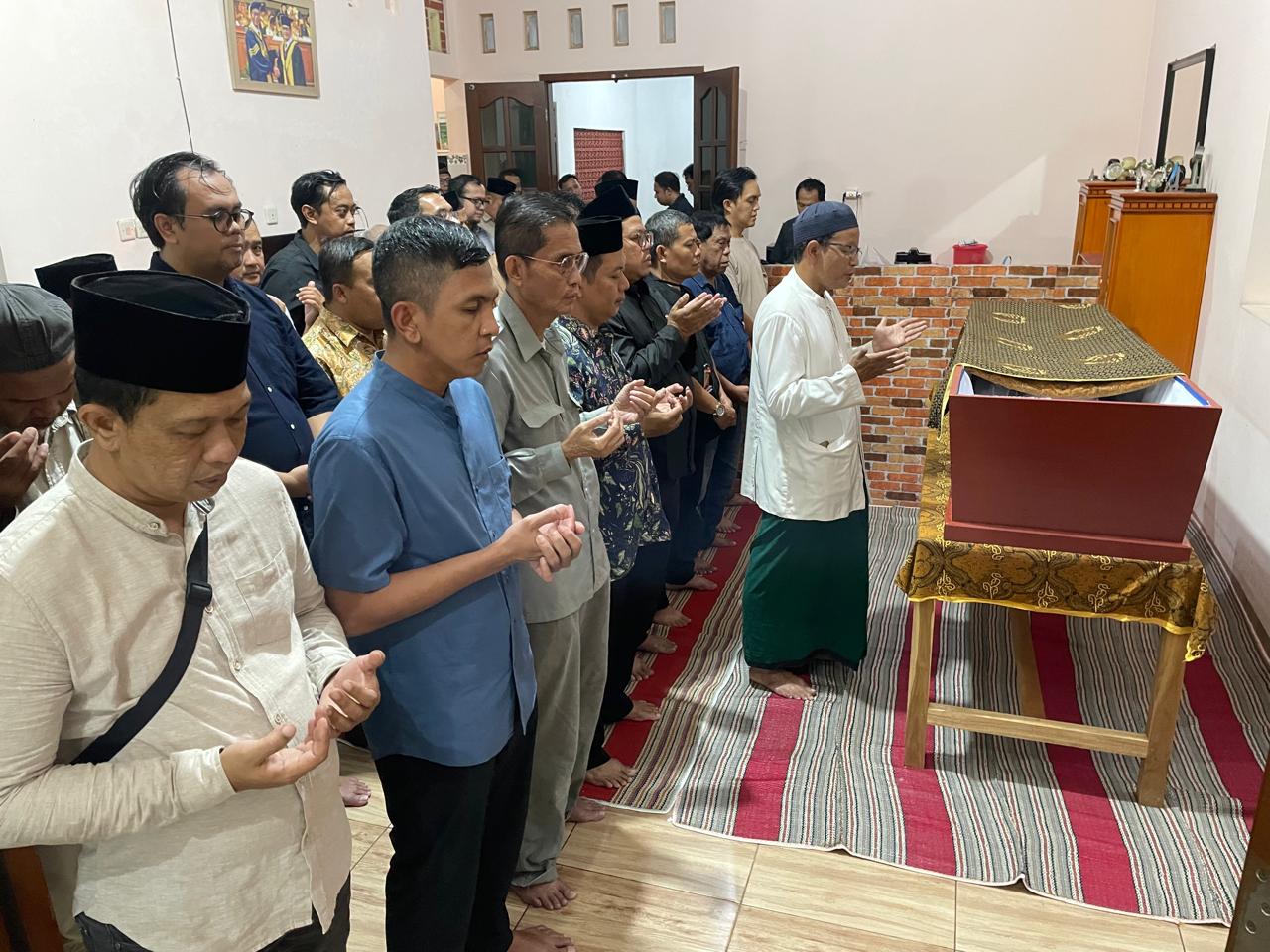
Cahyo Budi Utomo, Guru Besar Pendidikan Sejarah, wafat di Rumah Sakit Dr. Kariadi, Semarang, Jawa Tengah pada Jumat (23/1/2026) setelah sekitar satu tahun menjalani pengobatan akibat kanker paru-paru. Almarhum meninggalkan istri dan tiga orang putri. Jenazah dimakamkan di Pekalongan, Jawa Tengah, Sabtu (24/1/2026), kota tempat ia dilahirkan.

Semasa hidupnya, Prof. Cahyo dikenal sebagai pendidik yang konsisten mendorong pembaruan pembelajaran sejarah. “Setiap manusia memiliki sejarahnya, setiap bangsa memiliki sejarahnya. Maka belajarlah dari sejarah sebelum sejarah menghukum manusia yang melupakannya,” demikian pesan Prof. Cahyo dalam pidato pengukuhan Guru Besarnya pada 2023 lalu.

Menurut Prof. Cahyo, praktik pendidikan sejarah masih cenderung berorientasi pada hafalan serta narasi politik, kekuasaan, dan perang. Pola semacam ini membuat sejarah terasa jauh dari realitas kehidupan peserta didik. Guru, menurutnya, kerap terjebak pada penyampaian materi yang tersedia tanpa ruang refleksi dan dialog kritis.

Karena itu, ia mendorong pembelajaran sejarah yang lebih humanis dan kontekstual. Sejarah tidak hanya dipahami sebagai cerita elite dan peristiwa besar, tetapi juga sebagai pengalaman sosial dan budaya masyarakat masa lalu. Dengan pendekatan tersebut, pembelajaran sejarah dapat bergerak dari pola doktriner menuju kerja akademik yang menekankan eksplorasi, diskusi, dan penemuan pengetahuan oleh peserta didik.

Salah satu perhatian utama penulis buku berjudul Dinamika pergerakan kebangsaan Indonesia : dari kebangkitan hingga kemerdekaan ini adalah penguatan sejarah lokal dalam pembelajaran. Ia menilai, sebelum membawa siswa pada sejarah nasional dan global, guru perlu menggali potensi sejarah di lingkungan sekitar. Kontekstualisasi sejarah lokal, menurutnya, dapat menumbuhkan patriotisme yang berangkat dari pengalaman sehari-hari, seperti sikap rela berkorban, toleransi, solidaritas sosial, kejujuran, dan disiplin.

Dalam sejumlah penelitiannya, Prof. Cahyo juga memaknai patriotisme secara luas. Patriotisme tidak semata-mata lahir dari simbol kebangsaan, melainkan dapat tumbuh dari lingkungan terdekat keluarga dan komunitas melalui dukungan emosional dan rasa memiliki. Nilai-nilai tersebut, menurutnya, dapat memperkuat motivasi dan partisipasi individu dalam kehidupan sosial.

Ia menegaskan, pembelajaran sejarah bermuatan patriotisme lokal hanya dapat berjalan jika memenuhi tiga syarat. Pertama, guru menguasai potensi sejarah di lingkungannya. Kedua, guru mampu mengoperasikan model pembelajaran alternatif dan inovatif. Ketiga, guru memberi otonomi kepada peserta didik untuk mengembangkan berpikir kritis secara kontekstual.
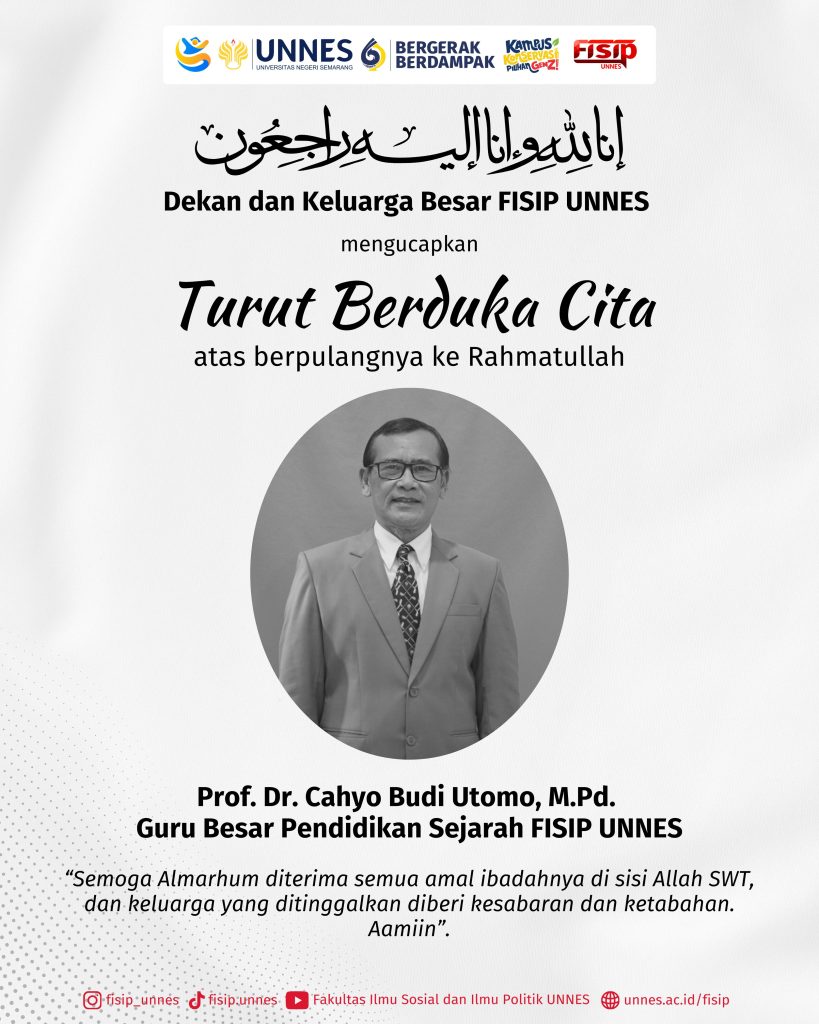
Pandangan tersebut juga dirasakan mahasiswa. Hani Muti’a Tanjung, mahasiswa Pendidikan Sejarah, mengatakan pernah diajar Prof. Cahyo pada semester awal dalam mata kuliah Sejarah Pergerakan Indonesia. Mahasiswa semester tujuh ini mengigat saat perkuliahan daring Prof. Cahyo berlangsung jelas dan mewajibkan mahasiswa menyalakan kamera. “Prof. Cahyo dalam perkuliahan memberi motivasi untuk belajar lebih rajin,” ucap Hani.

Dekan FISIP Prof. Arif Purnomo mengenang lelaki yang semasa hidupnya hobi menyanyi ini sebagai akademisi yang teguh dalam prinsip. “Prof. Cahyo sebagai sosok cendekiawan yang konsisten mengkritisi praktik pendidikan sejarah,” kata Prof. Arif.

Sementara itu, Guru Besar Pendidikan Sejarah Prof. Suwito Eko Pramono menilai Prof. Cahyo memiliki komitmen kuat dalam memahami sejarah, baik sebagai fakta maupun sebagai bidang ilmu, serta mampu menjelaskan relevansinya bagi kehidupan masa kini dan mendatang.

Dosen Pendidikan Sejarah Tsabit Azinar Ahmad menambahkan, Prof. Cahyo dikenal sebagai teladan bagi dosen muda, khususnya dalam pengembangan metode penelitian dan manajemen mutu pendidikan sejarah. Ia juga dikenal dekat dengan mahasiswa.
Related Posts

Leave a Reply

* Kode Akses Komentar:

* Tuliskan kode akses komentar diatas:

GDPR

  • Privacy Policy

Privacy Policy

At unnes.ac.id, the privacy of our visitors is of extreme importance to us. This privacy policy document outlines the types of personal information that is received and collected by unnes.ac.id and how it is used.

Log Files

Like many other Web sites, unnes.ac.id makes use of log files. The information inside the log files includes internet protocol (IP) addresses, type of browser, Internet Service Provider (ISP), date/time stamp, referring/exit pages, and number of clicks to analyze trends, administer the site, track user’s movement around the site, and gather demographic information. IP addresses and other such information are not linked to any information that is personally identifiable.

Cookies

unnes.ac.id uses cookies to store information about visitors’ preferences, to record user-specific information on which pages the site visitor accesses or visits, and to personalize or customize our web page content based upon visitors’ browser type or other information that the visitor sends via their browser.

Third-party ad servers or ad networks use technology in their respective advertisements and links that appear on unnes.ac.id and which are sent directly to your browser. They automatically receive your IP address when this occurs. Other technologies (such as cookies, JavaScript, or Web Beacons) may also be used by our site’s third-party ad networks to measure the effectiveness of their advertising campaigns and/or to personalize the advertising content that you see on the site.

unnes.ac.id has no access to or control over these cookies that are used by third-party advertisers.

You should consult the respective privacy policies of these third-party ad servers for more detailed information on their practices as well as for instructions about how to opt-out of certain practices. unnes.ac.id’s privacy policy does not apply to, and we cannot control the activities of, such other advertisers or web sites.

If you wish to disable cookies, you may do so through your individual browser options. More detailed information about cookie management with specific web browsers can be found at the browsers’ respective websites.

Consent

By using our website, you hereby consent to our privacy policy and agree to its terms.

Update

This Privacy Policy was last updated on: 2023-02-14. Should we update, amend or make any changes to our privacy policy, those changes will be posted here.

Contact Us

If you have any questions, comments, or concerns about our Privacy Policy or our practices with regards to your personal information, please feel free to contact us through the contact form on our website or by emailing us at humas[at]mail.unnes.ac.id.

This Privacy Policy is intended as a general guide to our practices in collecting and using information. If there is any inconsistency between this Privacy Policy and the terms of the Service Agreement or any other terms that may apply to specific services you use, then those specific service terms shall apply.

Terms of Use

By using our website, you agree to abide by this Privacy Policy. If you do not agree with this Privacy Policy, please do not use our website. We reserve the right to update this Privacy Policy from time to time without prior notice. Please review our Privacy Policy periodically to check for changes. Your continued use of our website following the posting of changes to this Privacy Policy means that you accept the changes.

Thank you for reading our Privacy Policy. We are committed to protecting the privacy of our website visitors and will continue to update our Privacy Policy to ensure optimal protection.