

Kesetaraan gender bukan hanya isu perempuan, tetapi juga bagian penting dari upaya mewujudkan pembangunan berkelanjutan yang adil dan inklusif. Di lingkungan pendidikan tinggi, kesadaran akan pentingnya pelibatan perempuan dan kelompok rentan dalam proses pembangunan kini semakin menguat.
Langkah nyata itu tampak di FISIP, yang tengah mempersiapkan pembentukan Pusat Kajian Gender, Anak, dan Inklusi Sosial. Pusat ini diharapkan menjadi wadah riset, advokasi, dan edukasi dalam mendorong kesetaraan gender di tingkat kampus dan masyarakat.
Wakil Dekan III FISIP, Puji Lestari, M.Si., menyebutkan bahwa langkah tersebut merupakan bentuk dukungan terhadap Sustainable Development Goals (SDGs) poin 5, yang menekankan kesetaraan gender dan pemberdayaan perempuan. Ia mengungkapkan, hampir separuh dari dosen FISIP, sekitar 48 persen, adalah perempuan.
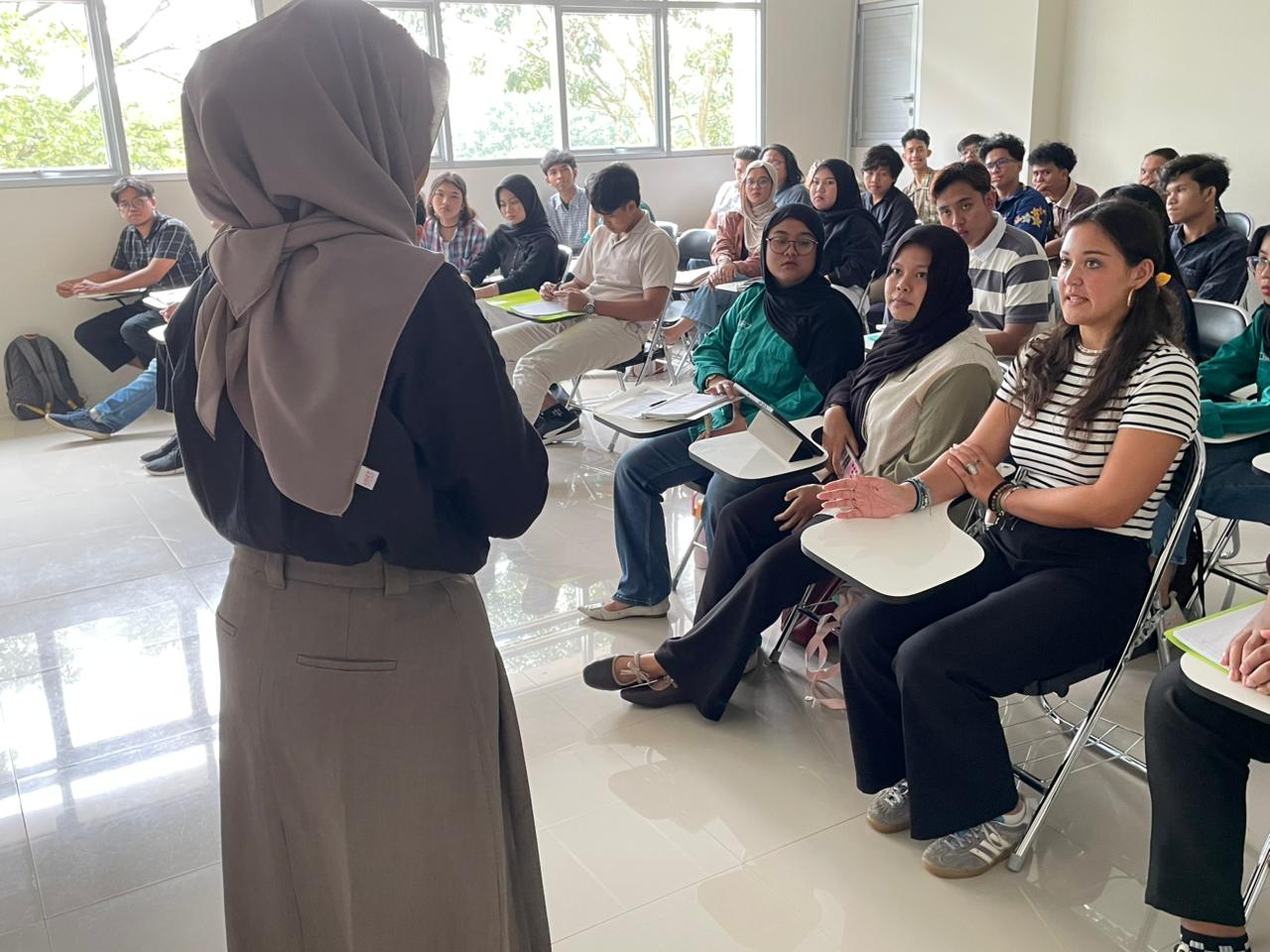
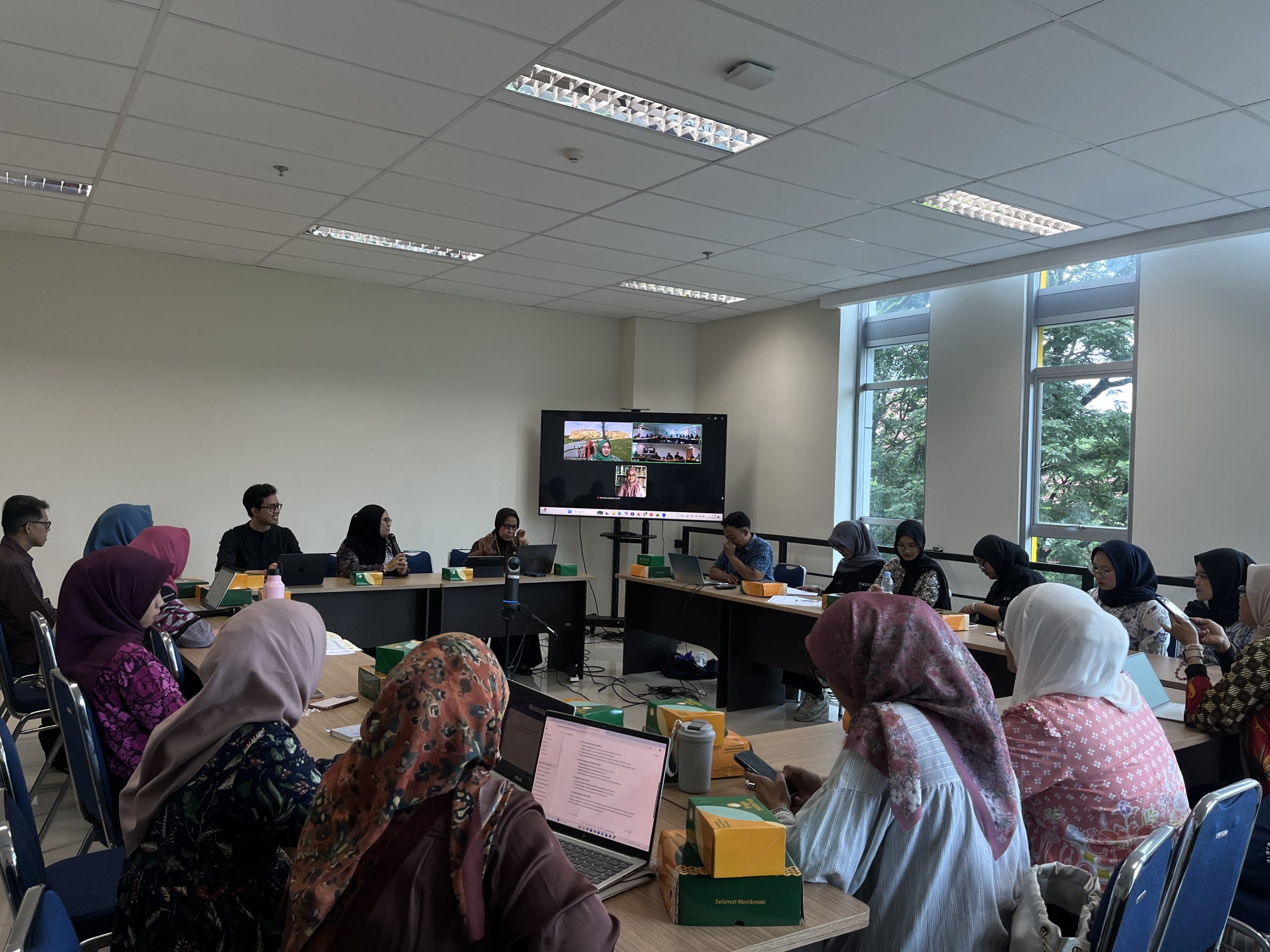
Karena itu, pihaknya juga menyiapkan berbagai fasilitas penunjang, seperti ruang menyusui dan sarana ramah keluarga lainnya.“Kesetaraan gender tidak hanya dibicarakan, tapi harus diwujudkan lewat kebijakan dan tindakan nyata, baik dalam lingkungan kerja maupun akademik,” ujarnya di sela kegiatan Forum Group Discussion (FGD) bertema “Pengarusutamaan Gender, Anak, dan Inklusi Sosial”, yang diadakan FISIP, Kamis, 13 November 2025.
Integrasi Perspektif Gender
Dalam kegiatan tersebut, Kepala DP3AP2KB Provinsi Jawa Tengah, Dra. Ema Racmawati, menekankan pentingnya mengintegrasikan perspektif gender dalam seluruh proses pembangunan. Menurutnya, strategi pengarusutamaan gender (gender mainstreaming) tidak bisa hanya berhenti pada tataran kebijakan, tetapi perlu diterapkan mulai dari tahap perencanaan, penganggaran, pelaksanaan, hingga evaluasi.“Kesetaraan gender akan lebih mudah dipahami bila dikaitkan dengan konteks nyata, misalnya dalam infrastruktur dan pelayanan publik. Dengan begitu, perspektif gender menjadi bagian dari kebijakan, bukan tambahan,” ujarnya.
Senada dengan itu, Guru Besar FISIP UNNES Prof. Tri Marhaeni Pudji Astuti, menegaskan bahwa gender bukan sekadar membahas perempuan, melainkan tentang keseimbangan peran antara laki-laki dan perempuan.“Gender itu bukan hanya tentang perempuan, tapi untuk laki-laki dan perempuan. Keduanya harus mendapatkan kesempatan yang sama dalam semua bidang kehidupan,” katanya.
Ruang Baru bagi Kajian Gender
Dosen Sejarah Ilmu Sejarah, Ardela, menilai rencana pembentukan pusat kajian gender tersebut menjadi kabar baik bagi peneliti dan akademisi. Ia menyebut kegiatan seperti FGD yang digelar kali ini memberi ruang dialog bagi dosen dan mahasiswa dari berbagai disiplin ilmu untuk berbagi perspektif.
Perempuan yang fokus meneliti sejarah perempuan ini mendukung terus dikembangkannya pusat kajian gender.“Sebagai peneliti sejarah perempuan, saya melihat kegiatan ini sebagai angin segar. Kajian tentang perempuan dan gender akan lebih diperhatikan, apalagi kalau bisa dikembangkan lintas bidang seperti sejarah dan sosiologi,” ujarnya.
Dosen PIPS Siti Ekowati Rusdini menambahkan, pembentukan pusat studi gender, anak, dan inklusi sosial selaras dengan visi UNNES sebagai “kampus berdampak”. “FISIP adalah tempat strategis untuk menanamkan nilai-nilai kesetaraan dan keadilan. Jika dikelola serius, pusat studi ini bisa berperan besar dalam menginternalisasi nilai-nilai tersebut di masyarakat,” katanya.
Komitmen Kolaboratif
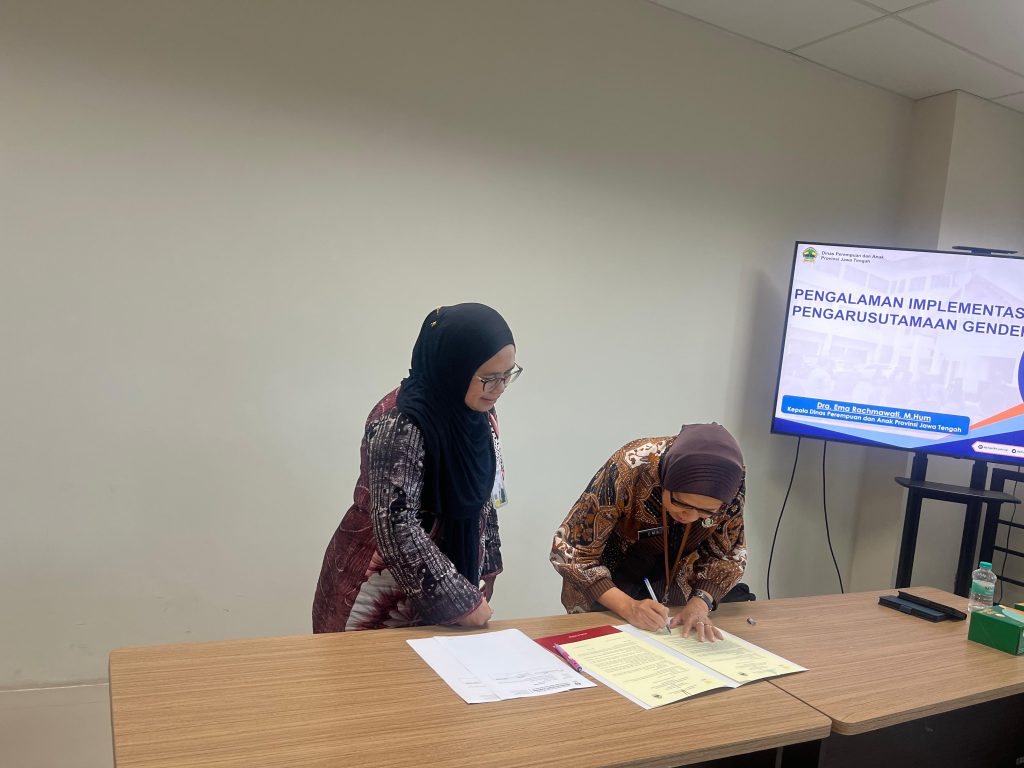
Sebagai penutup, kegiatan Forum Group Discussion ini diakhiri dengan penandatanganan kerja sama antara FISIP UNNES dan Dinas Pemberdayaan Perempuan, Perlindungan Anak, Pengendalian Penduduk, dan Keluarga Berencana (DP3AP2KB) Provinsi Jawa Tengah.
Kerja sama tersebut menandai komitmen kedua pihak untuk memperkuat sinergi dalam riset, edukasi, dan pengembangan kebijakan yang berpihak pada kesetaraan gender, perlindungan anak, serta inklusi sosial di Jawa Tengah.
Melalui penguatan riset, kolaborasi lintas disiplin, dan kebijakan yang berpihak pada kesetaraan, FISIP UNNES berupaya memastikan bahwa gagasan kesetaraan gender tak berhenti pada wacana, tetapi benar-benar menjadi bagian dari praktik pembangunan berkelanjutan.