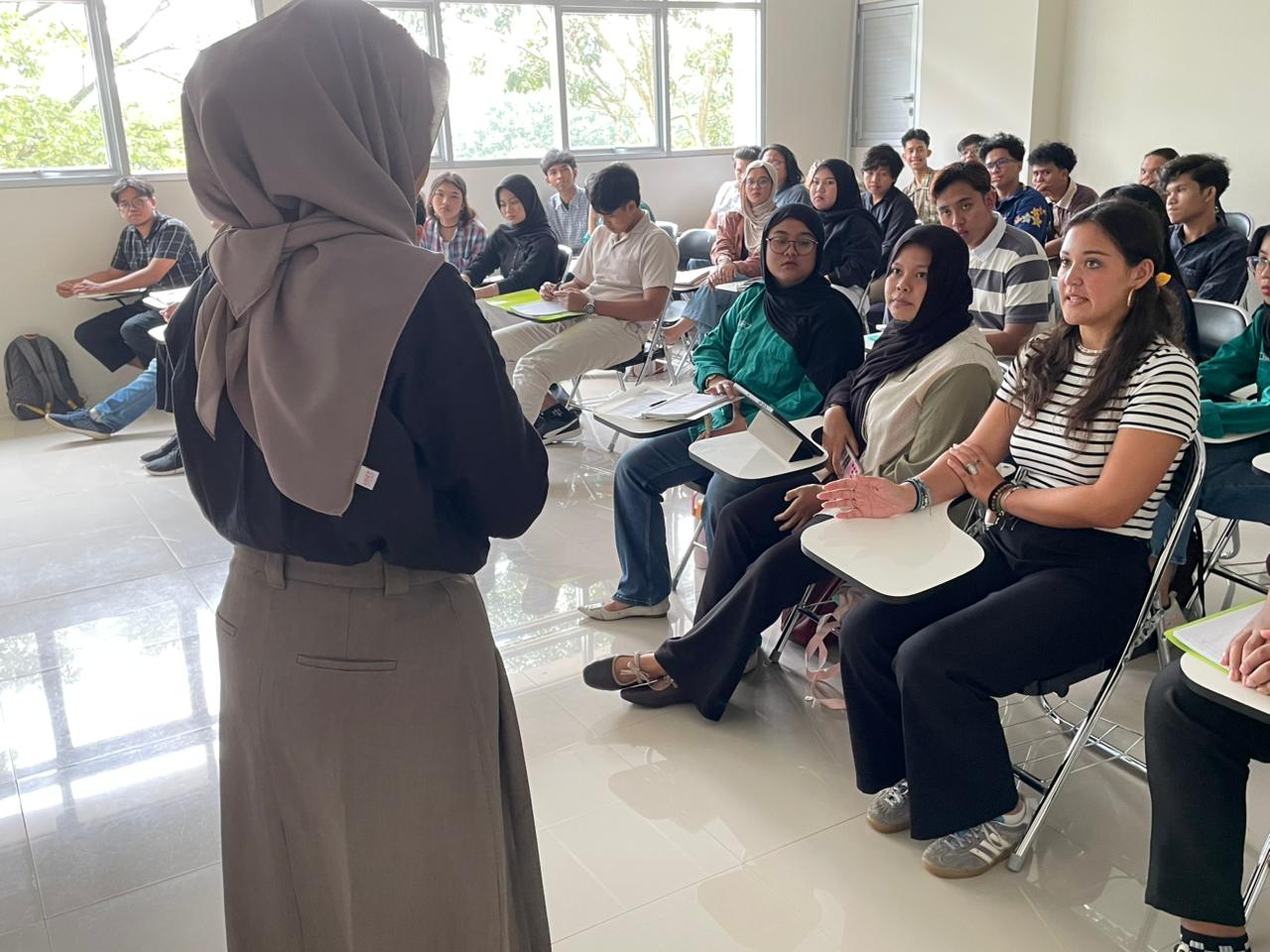


Air menjadi pusat perhatian dalam Symposium on Water Sustainability 2025: Bridging the Past, Present, and Future for Global Water Sustainability yang digelar hybrid melalui daring dan hadir langsung di Aula C7 Fakultas Ilmu Sosial dan Ilmu Politik (FISIP) Universitas Negeri Semarang (UNNES), Rabu (22/10/2025).
Kegiatan yang diselenggarakan oleh Tim Dosen FISIP UNNES ini menghadirkan empat pembicara diantaranya Fany Wedahuditama, Direktur Eksekutif Water Stewardship Indonesia (WSI), dan Jakkrit Sangkhamanee dari Departemen Sosiologi dan Antropologi, Chulalongkorn University, Thailand. Selain kedua pembicara tersebut, acara juga diikuti 82 peneliti dari berbagai perguruan tinggi yang mempresentasikan gagasan tentang keberlanjutan sumber daya air dari berbagai perspektif.
Krisis Air di Tengah Kelimpahan
Dalam paparannya, Fany Wedahuditama menegaskan bahwa air adalah penggerak utama seluruh aspek kehidupan dan kegiatan ekonomi di dunia. “There are alternatives for energy, but no alternatives to water,” ujarnya, mengingatkan bahwa tanpa pengelolaan yang berkelanjutan, dunia berisiko kehilangan hingga US$425 miliar akibat kelangkaan air, inefisiensi, dan gangguan iklim.
Menurutnya, tantangan terbesar Indonesia bukan pada ketersediaan sumber daya air secara alami, melainkan pada distribusi yang tidak merata, pencemaran, dan tata kelola yang lemah. “Indonesia memang kaya air, tetapi tidak merata. Di beberapa wilayah seperti Jawa, ketersediaan air menurun drastis dari 1.169 meter kubik per kapita pada 2015 menjadi hanya sekitar 500 meter kubik per kapita yang diproyeksikan pada 2040,” jelasnya.
Ia juga menyoroti kondisi infrastruktur air yang masih tertinggal. “Hanya 19 persen rumah tangga memiliki akses air pipa, sementara 70 persen sungai kita sudah tercemar dan hampir setengah jaringan irigasi dalam kondisi buruk,” kata Fany.
Untuk menjawab persoalan tersebut, Fany memperkenalkan konsep Water Stewardship (WS) dan Integrated Water Resources Management (IWRM).“IWRM lebih banyak dijalankan pemerintah melalui kebijakan dan regulasi dari atas ke bawah, sementara Water Stewardship muncul dari inisiatif masyarakat dan sektor swasta yang sadar risiko air di lingkungannya,” paparnya.
Keduanya, lanjut Fany, bukan pendekatan yang saling meniadakan, tetapi harus saling melengkapi dalam menciptakan tata kelola air yang adil, adaptif, dan berkelanjutan.
Naga dan Kosmopolitik Air di Bangkok.
Sementara itu, dalam nuansa yang lebih filosofis dan kultural, Jakkrit Sangkhamanee menghadirkan perspektif tak lazim melalui presentasi bertajuk “Precarious Naga: Cosmopolitics, Capitalism, and the Ruins of Urban Water in Bangkok.”
Ia menggambarkan bagaimana makhluk mitologis naga dalam budaya Thailand dapat menjadi simbol keberlanjutan dan hubungan manusia dengan air di tengah krisis ekologi perkotaan.
“Keberlanjutan naga di Bangkok menunjukkan bahwa kota modern tidak hanya dihuni manusia, tetapi juga berbagai entitas lain yang memiliki tempat dalam tatanan kosmologis dan ekologis,” ujarnya.
Menurut Jakkrit, pembangunan dan urbanisasi yang pesat telah menghapus banyak kanal, rawa, dan sungai di Bangkok ruang hidup yang dulu diyakini sebagai habitat naga. Namun, mitos naga yang terus hidup di tengah masyarakat menjadi simbol perlawanan terhadap ketimpangan sosial, eksploitasi kapitalisme, dan kerusakan lingkungan.
“Bangkok bukan hanya kota manusia, tetapi juga kota bagi yang lain bagi air, bagi naga, bagi makhluk-makhluk yang menjadi bagian dari kosmos,” tuturnya. Ia menegaskan, dalam menghadapi krisis iklim dan keruntuhan ekologis, dunia modern perlu belajar dari “diplomasi kosmopolitik” naga sebuah cara pandang yang melihat hubungan manusia, lingkungan, dan spiritualitas secara setara.
Jembatan Pengetahuan
Simposium yang diikuti peneliti dari berbagai bidang ini menjadi ruang pertemuan antara ilmu pengetahuan, kebijakan publik, dan kebudayaan. Dari diskursus teknokratis tentang tata kelola air hingga refleksi filosofis tentang relasi manusia dan alam, seluruh pembicara sepakat bahwa air adalah fondasi kehidupan yang menuntut kesadaran lintas disiplin dan lintas generasi.
Dengan tema besar “Bridging the Past, Present, and Future for Global Water Sustainability,” simposium ini menegaskan pentingnya melihat air bukan sekadar sumber daya, melainkan penopang kehidupan yang menghubungkan manusia, alam, dan masa depan.