

SEMARANG, May 7, 2026 – The sound of laughter and conversation in various languages filled the third-floor auditorium of the Faculty of Education and Psychology (FIPP) Dean’s Building, Semarang State University (UNNES). A total of 160 international students from 28 countries gathered to participate in the 2nd FIPP UNNES Summer Course, which took place on May 6-7, 2026.
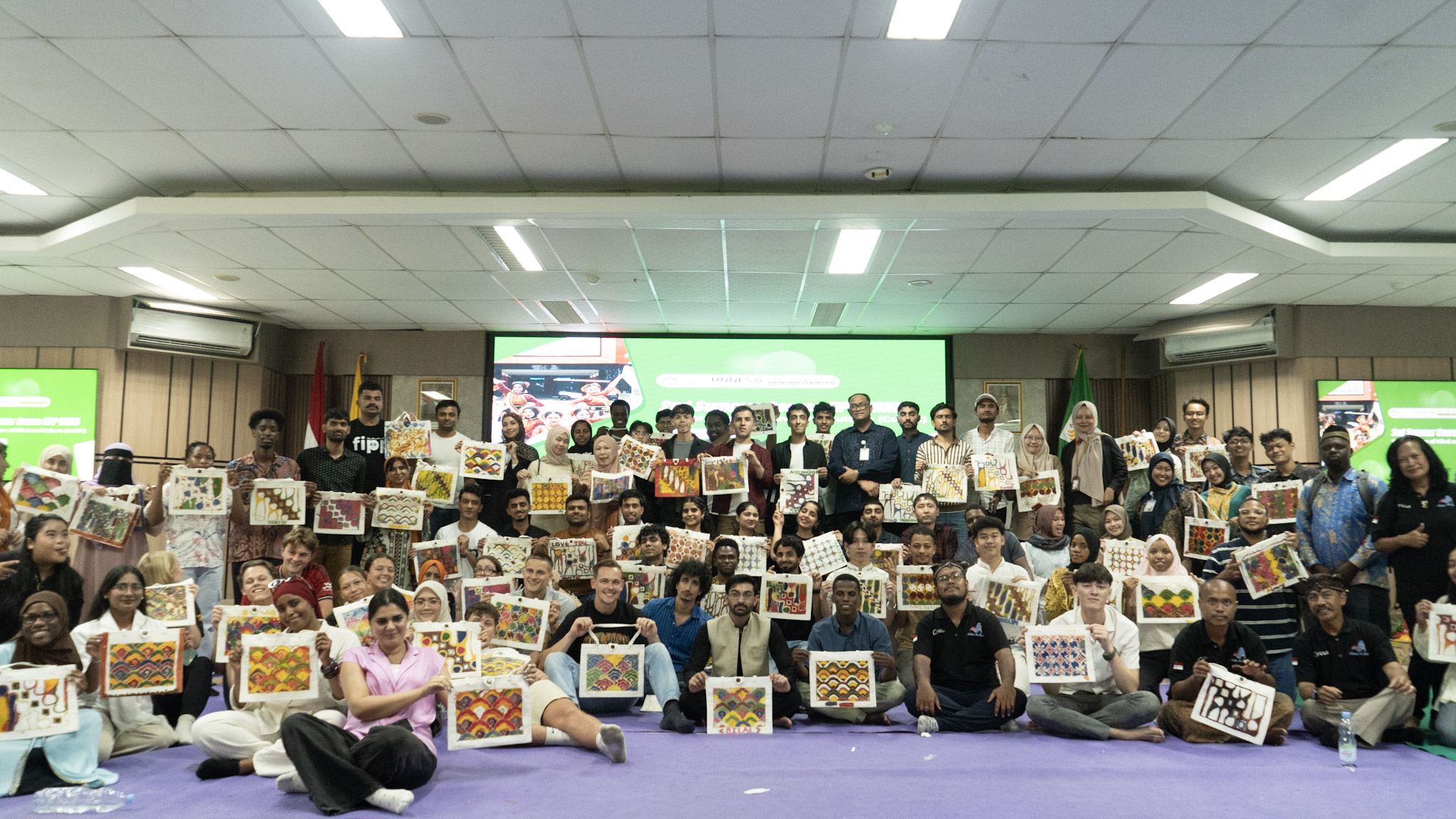
Themed “Conservation of Mind and Culture (CoMiC),” the program united students from contrasting backgrounds, from the Netherlands and France to Sudan, Pakistan, and Afghanistan.
The program offered not only academic study but also an emotional experience in understanding the essence of Indonesian culture.
From Dance Movements to Night Scratch
The first day began with an introduction to Semarang’s cultural identity and a traditional arts workshop.
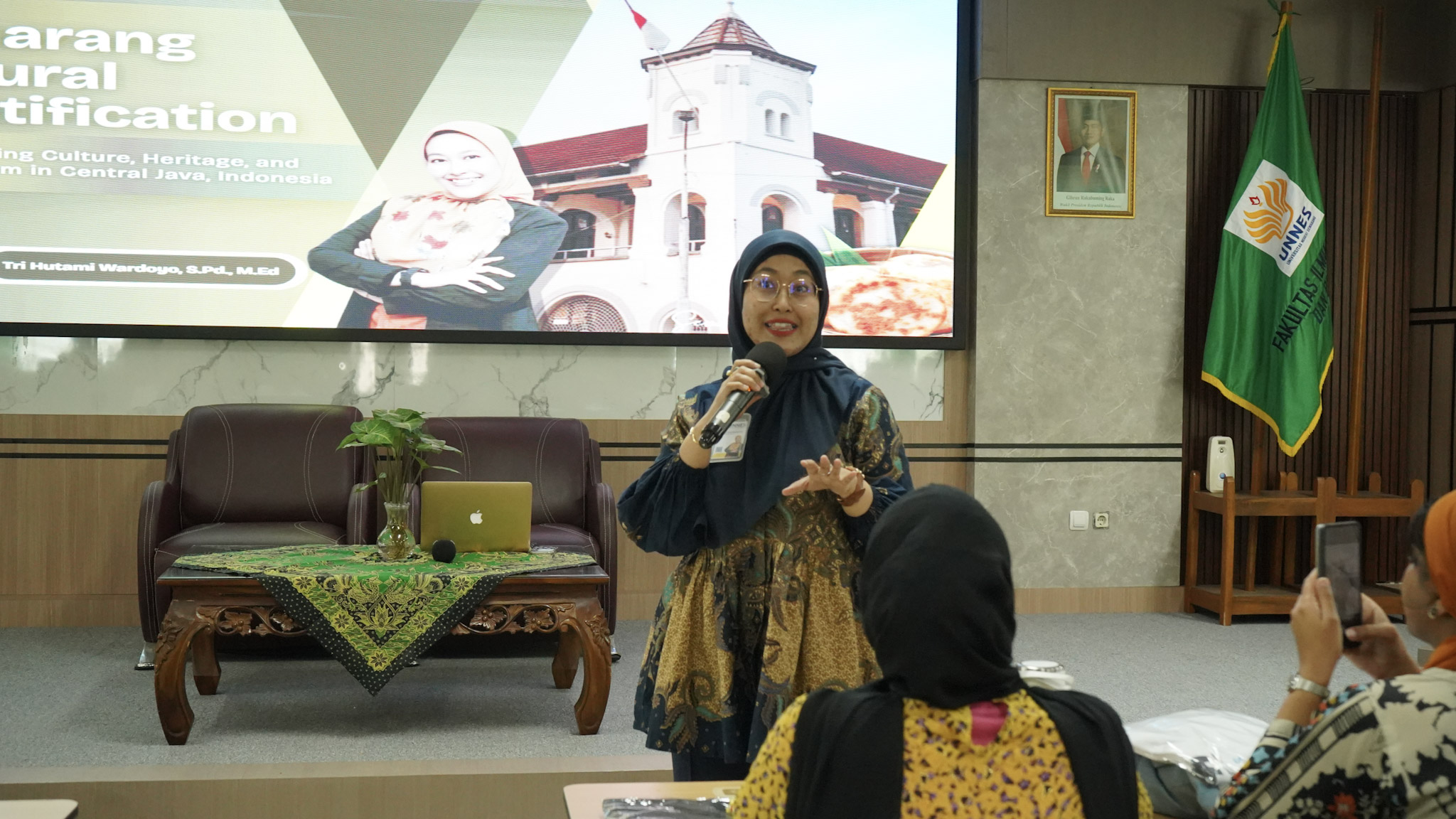
Tri Hutami Wardoyo, M.Ed., lecturer in Educational Technology at FIPP UNNES, delivered the presentation. explained the ins and outs of Semarang’s culture. He introduced the Dugderan tradition and the Lawang Sewu cultural heritage, a legacy of the colonial era.
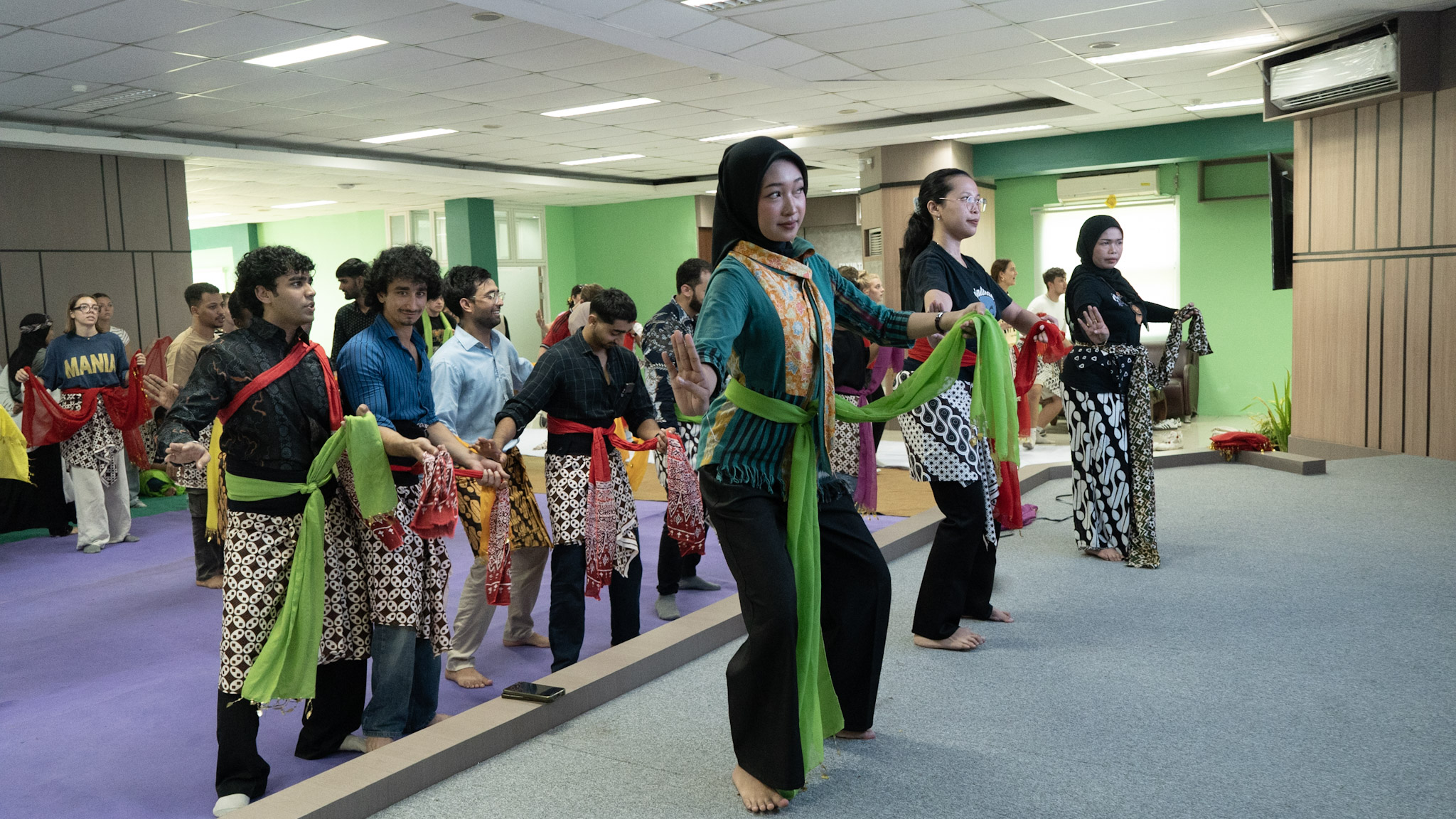
The participants were then invited to flex their bodies to the rhythm of traditional dances with Dr. Atip Nurharini, S.Pd., M.Pd. and Renistiara Medilianasari, M.Pd.
Levi Hagenbeek, a participant from Amsterdam, the Netherlands, stated that his experience learning to dance was very exciting. He said that meeting students from 27 other countries was a very valuable experience for him.
“Today we made batik together and learned traditional dances; it was very exciting. It was great to meet students from more than 27 countries. I really enjoyed my time here,” he said.
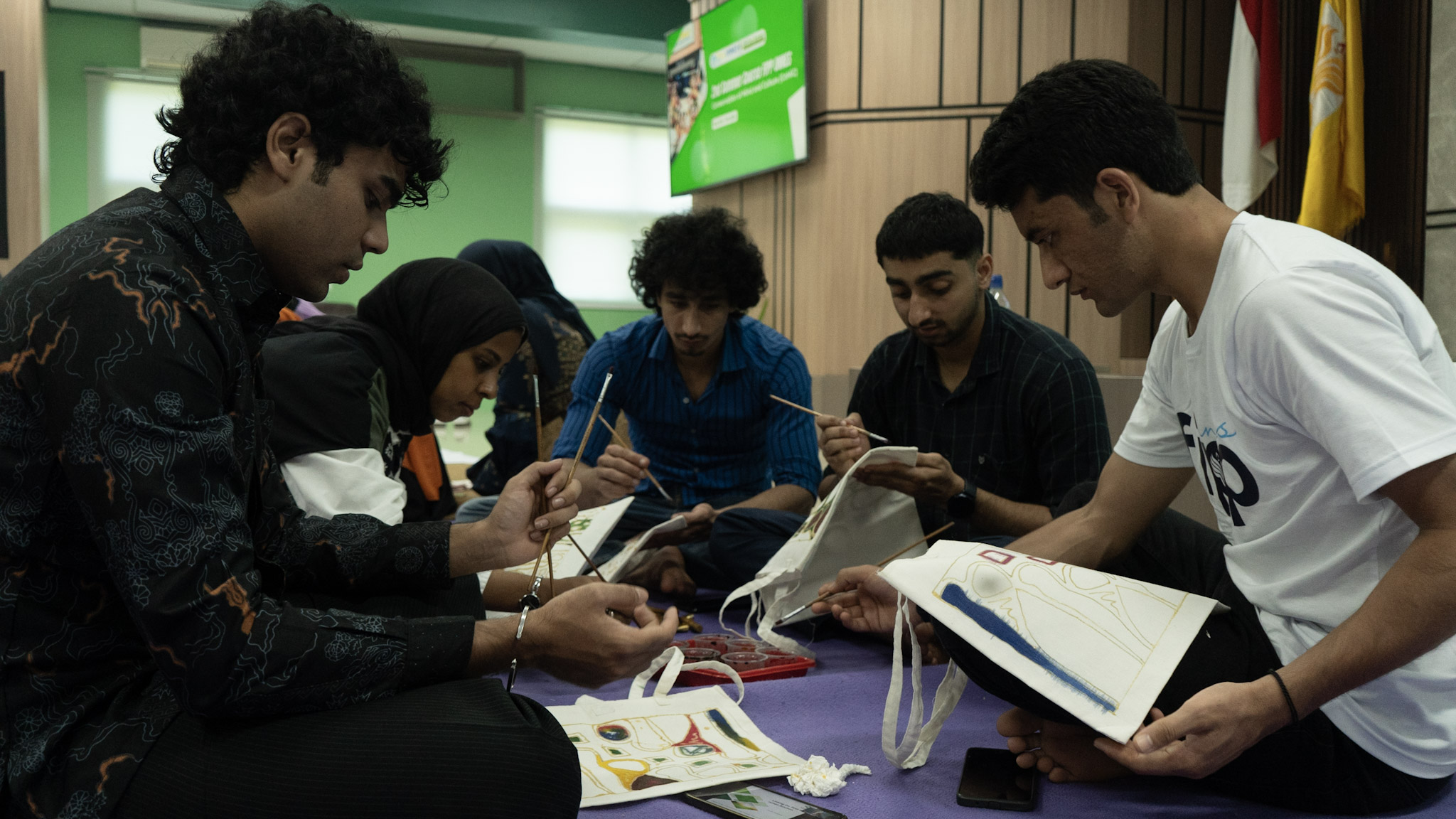
The excitement continued when the batik-making session began. With full concentration, the participants began to apply hot wax to the white cloth.
Kiran, a student from Pakistan studying at Unwahas, proudly displayed his work. While demonstrating the dance moves she had just learned, Kiran expressed her deep love for Indonesian culture.
She even showed off her hand-painted batik and praised its beauty. Indirectly, Kiran invited everyone to come and explore Indonesia’s beauty firsthand.
“I learned so much, including dance moves. I made and painted this batik myself! I really love Indonesian culture,” she said.
Ibrahim, a Sudanese student currently studying in Surabaya, also had a profound impression. “The most special moment for me was when we all danced together following the instructions of professional dancers while wearing batik,” he said.
He deeply appreciated the hospitality of the committee, who warmly welcomed them from the lobby and provided detailed explanations of the event.
Mud Trails in Kandri Tourism Village
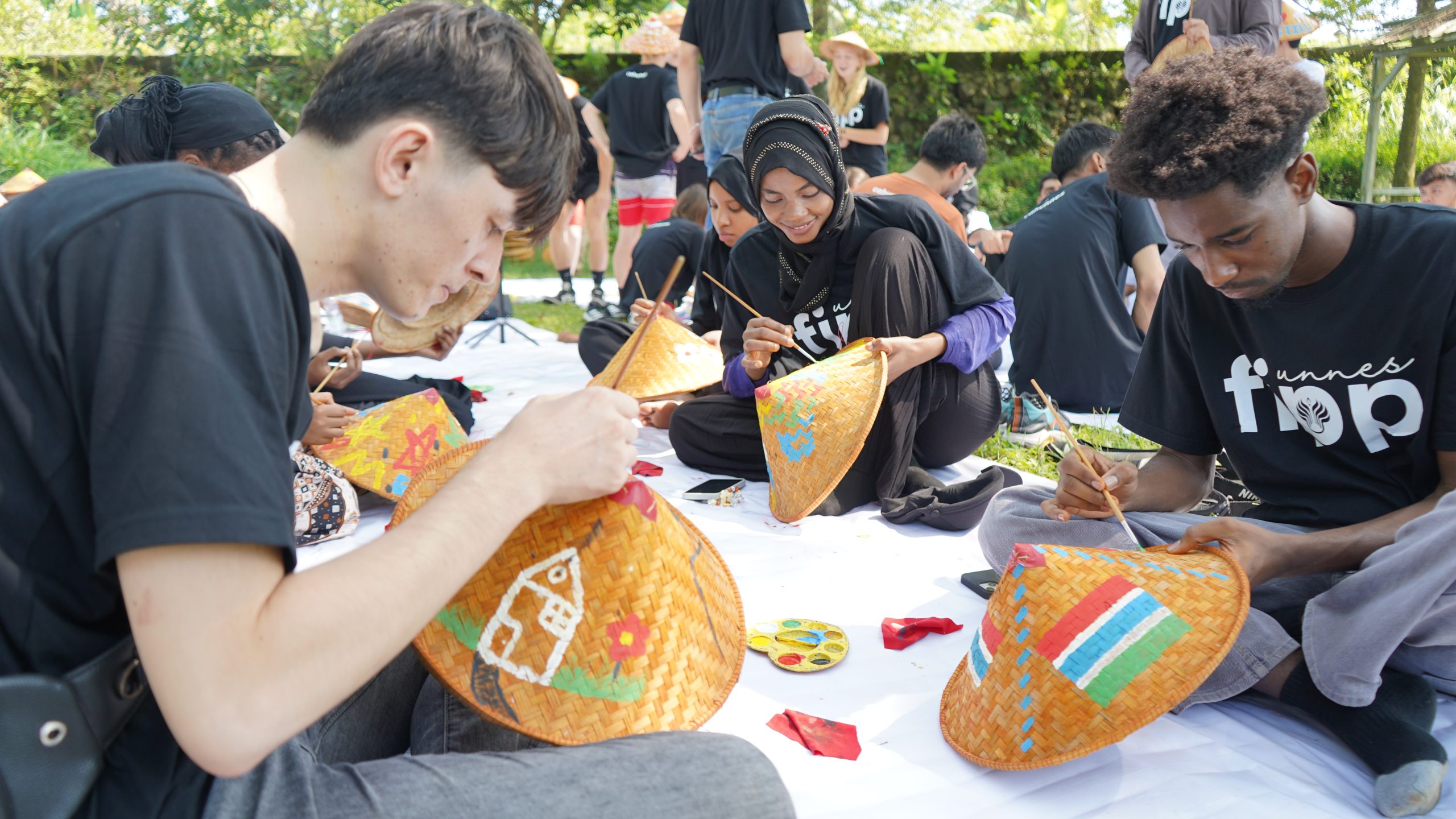
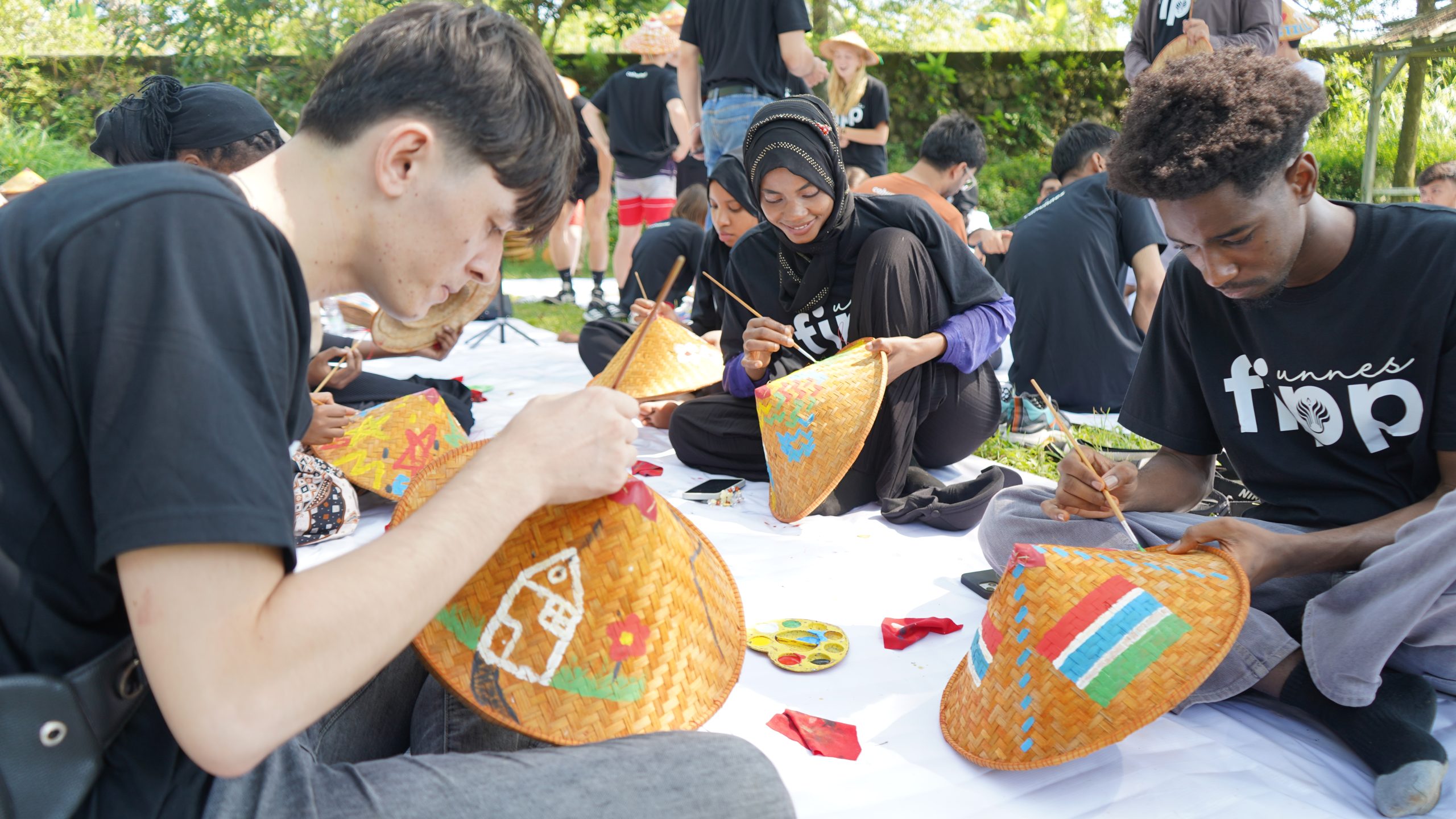
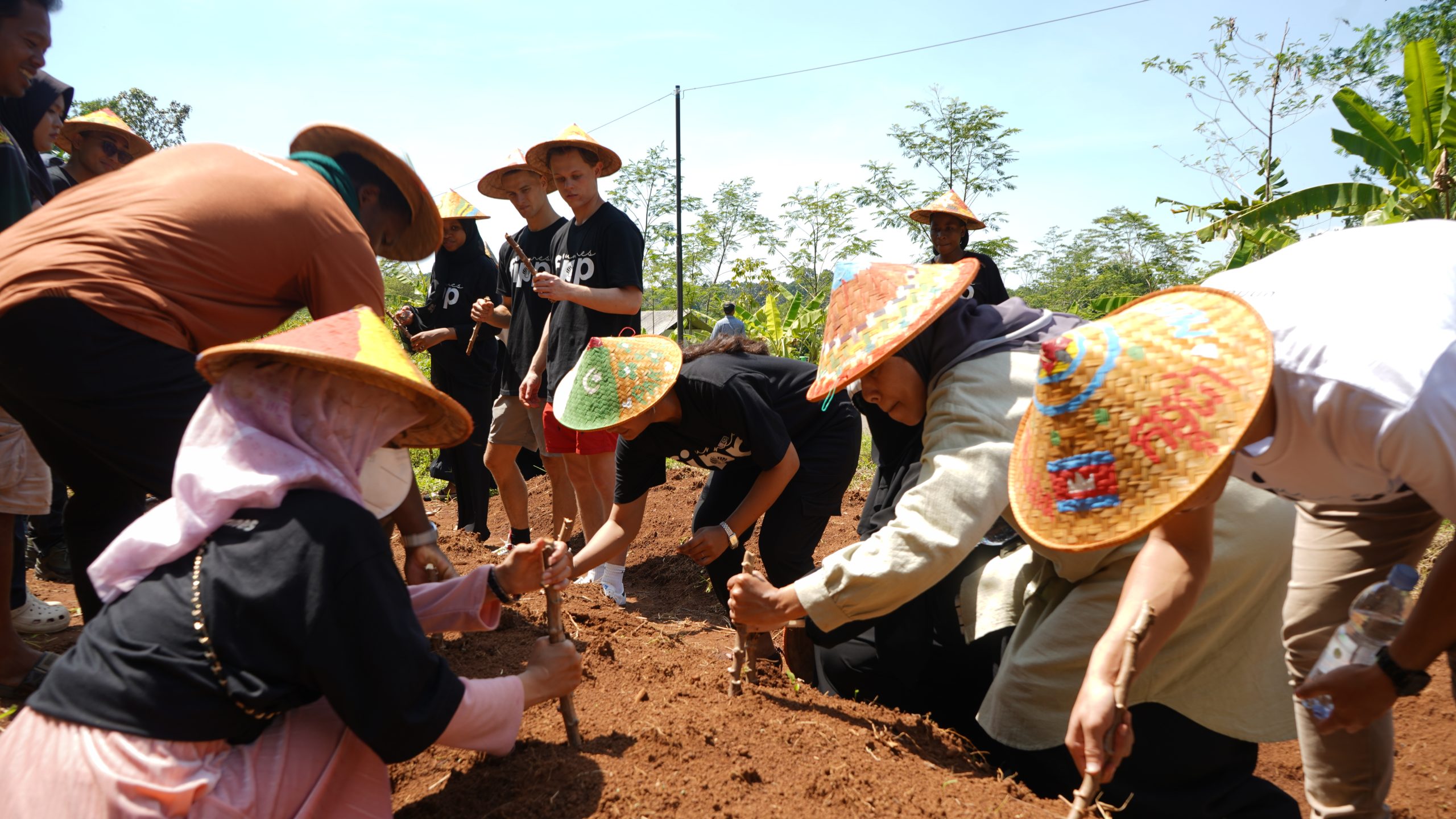
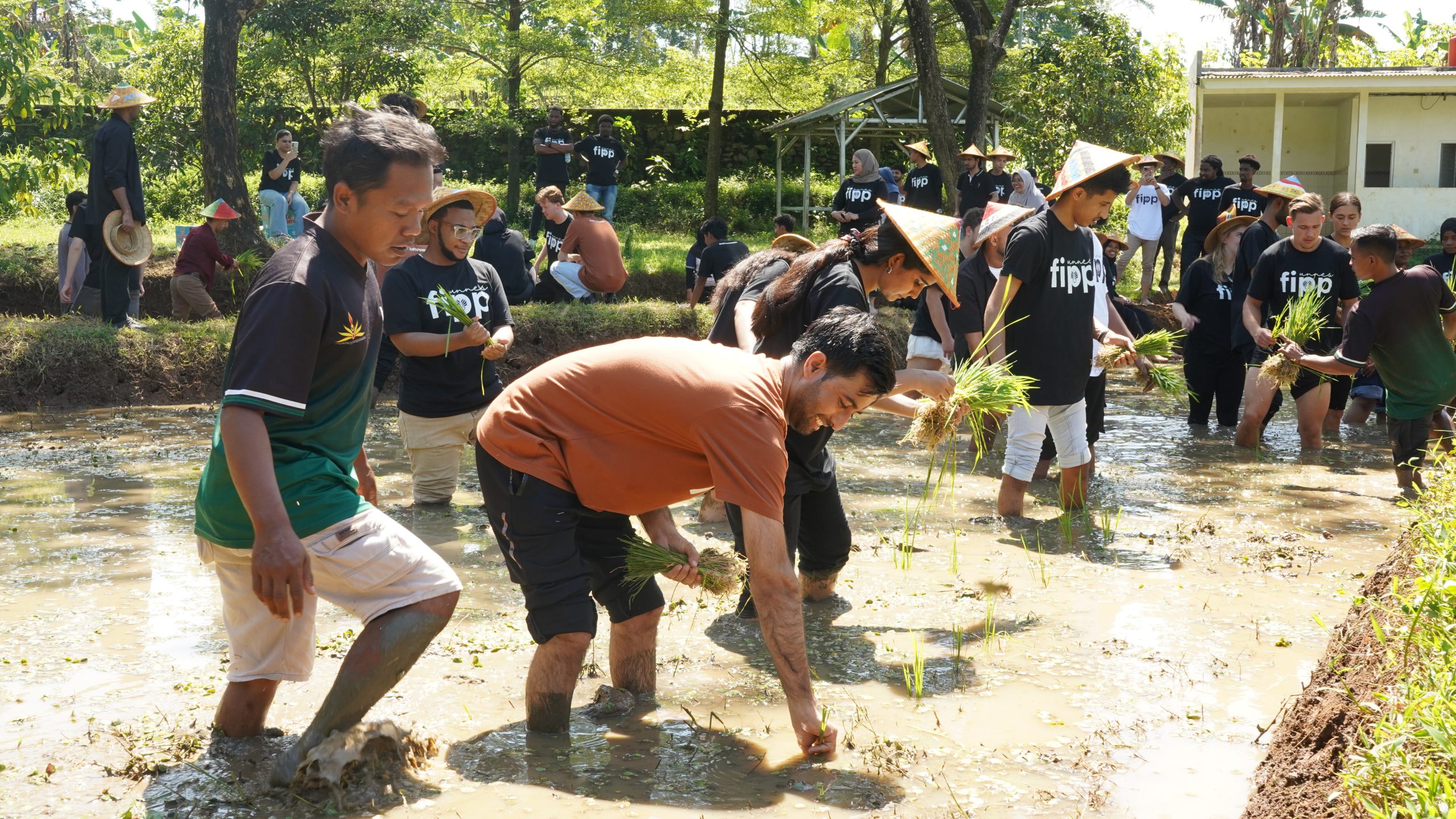
On the second day, the formal campus atmosphere gave way to the beautiful countryside of Kandri Tourism Village. The Dean of FIPP UNNES, Prof. Dr. Edy Purwanto, M.Si., officially sent the participants off on their village exploration. They had the opportunity to learn about agrarian traditions through caping (traditional hat) painting activities, and even going directly into the rice fields to plant rice and catch fish.
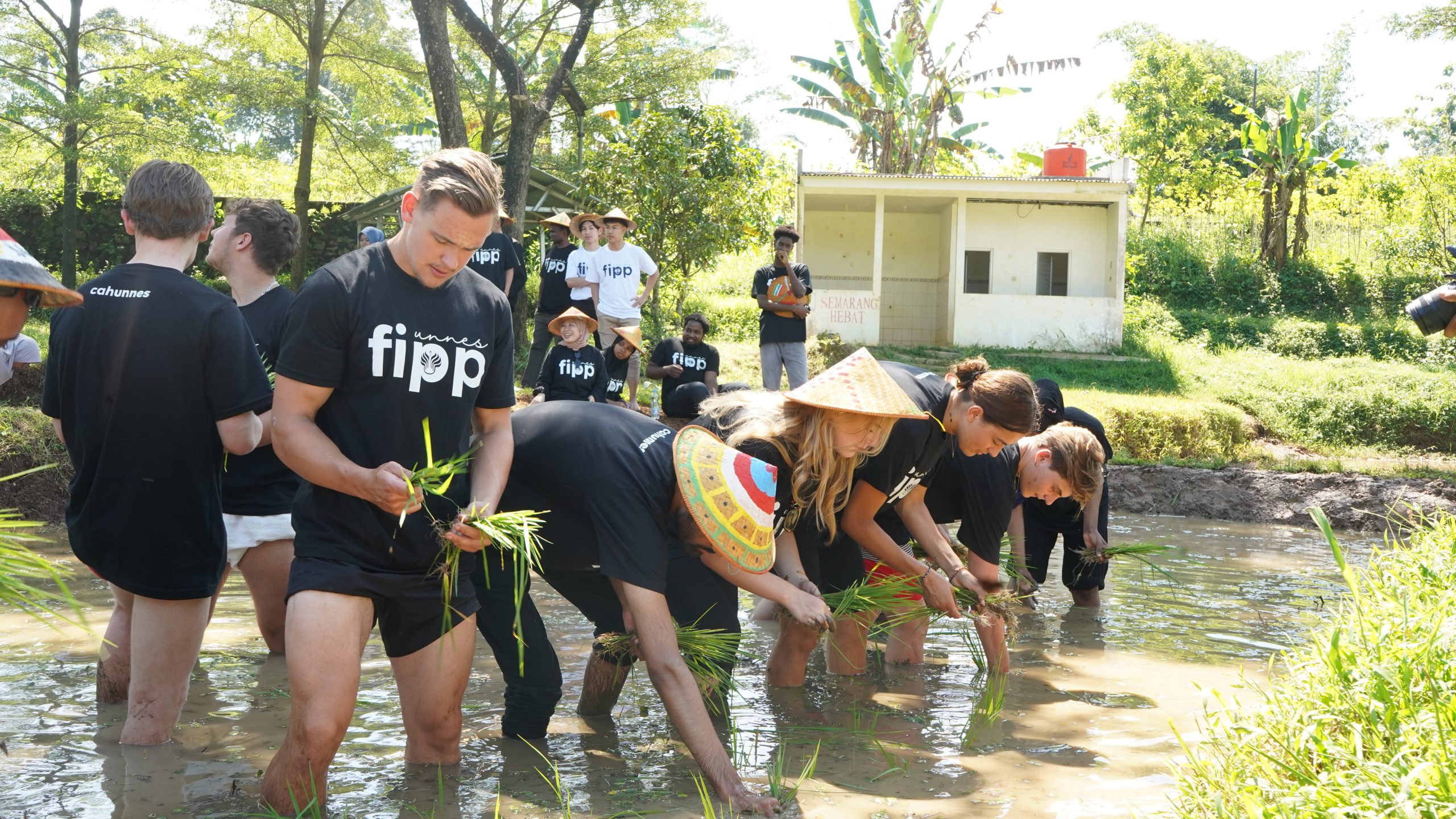
Jayla Meirop, a participant from the Netherlands, gave the event a very positive rating, giving it a 9. She said she thoroughly enjoyed the local Indonesian food, especially the Lapis Pandan cake, whose aroma she loved. Regarding the caping painting activity, she admitted it was her first experience with this traditional farmer’s hat.
“It was fun to experience the tradition here. I really enjoyed painting the caping because I love creative things,” Jayla said.
Cultural Diplomacy Mission
Farid Ahmadi, Ph.D., Vice Dean I for Academic and Student Affairs at FIPP UNNES, stated that the summer course aimed to achieve the inbound student mobility performance agreement.
“It also aims to strengthen the relationship between UNNES and students from various countries. It aims to make UNNES more global and recognized internationally,” he said.
The Vice Dean for Business, Research, and Cooperation at FIPP UNNES, Siti Nuzulia, Ph.D., emphasized that language and cultural differences actually serve as bridges for growing together.
Through this program, FIPP UNNES demonstrates that conservation is not only about nature, but also about preserving minds and cultures amidst globalization.
“We are connected by one goal: understanding each other through the conservation of minds and cultures,” she said.
The FIPP UNNES 2nd Summer Course is not just a cultural exchange, but a concrete step by FIPP UNNES in supporting the global agenda of the Sustainable Development Goals (SDGs). Through the theme “Conservation of Mind and Culture” (CoMiC), this program directly contributes to SDG 4 (Quality Education) by providing an inclusive educational platform for 136 students from 28 countries to broaden their perspectives.