Universitas Negeri Semarang (UNNES) continues to demonstrate its commitment to safeguarding Indonesia’s intangible cultural heritage, particularly the traditions and local knowledge of Central Java. Through academic research, student initiatives, and community engagement, UNNES documents and promotes cultural practices, traditional performing arts, regional languages, and indigenous knowledge to ensure their continued transmission to future generations.
This commitment reflects UNNES’s identity as a Conservation University, where conservation encompasses not only the natural environment but also the cultural values, traditions, and collective knowledge that shape community identity.
Various cultural preservation initiatives have been undertaken through research and community-based programs involving UNNES faculty members and students. These include the documentation of Javanese folklore, Nyadran and Barikan traditions, regional languages, and local knowledge associated with environmental conservation and community life.
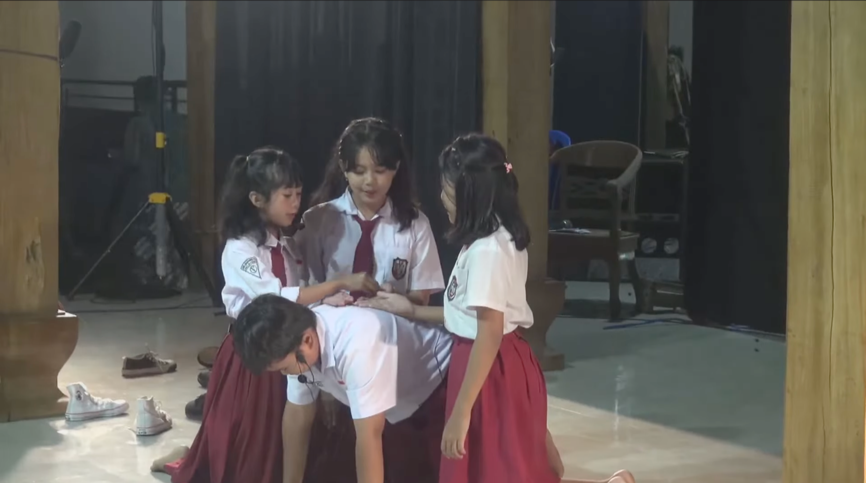
One example is the Carakaning Nata dance drama preservation project, developed by students from the Faculty of Languages and Arts (FBS) UNNES. In 2025, the student team secured funding through the Student Organization Capacity Strengthening Program (PPK Ormawa) for its initiative, titled “Preservation of the ‘Carakaning Nata’ Dance Drama through Social Inclusion for the Sustainability of Lemahireng Village’s Cultural Ritual Tradition”.
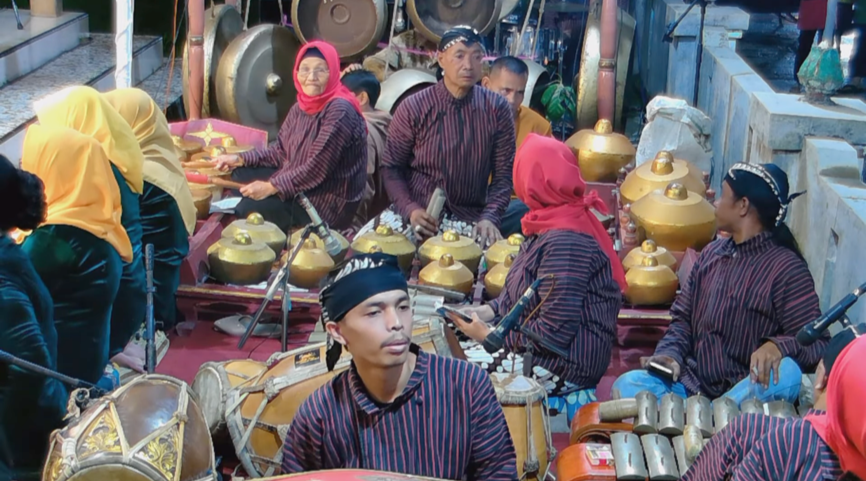
UNNES also contributes to cultural documentation through academic research. In 2023, UNNES-affiliated researchers published Study of Local Wisdom Nyadran Sruwen Hamlet as Ethnoscience and Environmental Ethics in the Unnes Science Education Journal. The study examined the Nyadran tradition in Sruwen Hamlet, Semarang Regency, using observations, interviews, and documentation to explore its cultural practices and relationship with environmental ethics. The findings demonstrate how local traditions can serve as sources of knowledge for education and environmental awareness.
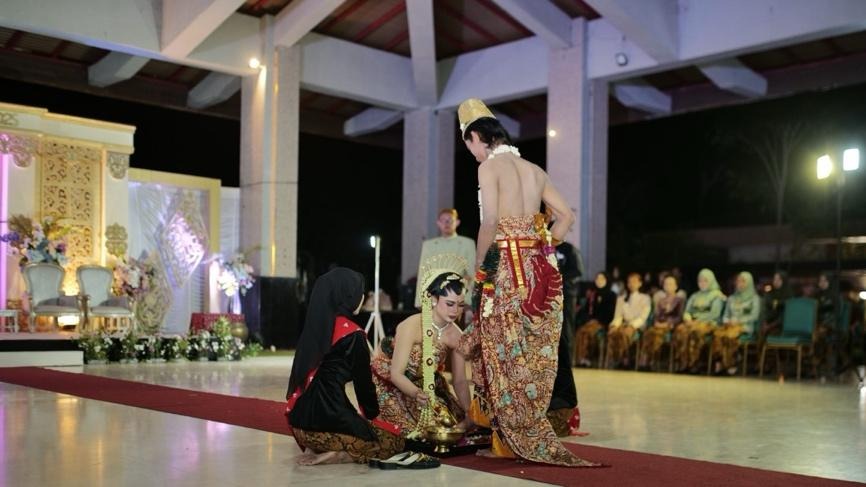
Another example is UNNES Mantu 2025, organized by the Javanese Literature Study Program at Kampung Budaya UNNES on 14 June 2025. The educational performance recreated a traditional Javanese wedding ceremony, enabling students to practice the role of pranatacara (traditional master of ceremonies), use refined Javanese language, and understand the social and cultural meanings of wedding rituals. The event brought together students, academics, cultural practitioners, and members of the public, demonstrating how cultural traditions can be transmitted through experiential learning.
Local Wisdom as a Source of Education and Social Resilience
These initiatives demonstrate that intangible cultural heritage can provide valuable learning resources beyond formal classroom instruction. Traditions such as Nyadran and Barikan convey community values, collective responsibility, respect for ancestors, and environmental awareness. Documenting these practices helps preserve local knowledge while creating opportunities to incorporate cultural heritage into educational materials and community learning.
Similarly, the Carakaning Nata project connects traditional performing arts with social inclusion, while UNNES Mantu enables students to learn cultural etiquette, ceremonial language, and traditional practices through direct participation. Such approaches help younger generations understand not only the forms of cultural expression but also the values and social contexts that sustain them.
Through research, artistic practice, and community collaboration, UNNES supports the continued transmission of local knowledge and strengthens connections between higher education and the communities whose traditions are being preserved.
A Commitment to Sustainable Cultural Conservation
UNNES’s cultural preservation initiatives reflect a broader understanding of conservation as the protection of both environmental and cultural heritage. By documenting living traditions, publishing academic research, and involving students in community-based cultural projects, the university contributes to safeguarding Indonesia’s intangible cultural heritage.
These efforts also support the Sustainable Development Goals, particularly SDG 4 on Quality Education and SDG 11 on Sustainable Cities and Communities, by promoting culturally relevant learning and the protection of cultural heritage.
Through interdisciplinary research, student creativity, and public engagement, UNNES continues to bridge academic knowledge with local wisdom. The university’s initiatives demonstrate how higher education institutions can help preserve cultural identity, strengthen community participation, and ensure that local traditions remain meaningful to future generations.