Perkuat Diplomasi, Dosen FBS UNNES Ajarkan Bahasa Indonesia di China

Ada pepatah yang mengatakan “Tuntutlah Ilmu sampai ke Negeri China”. Namun yang dilakukan oleh dosen Pendidikan Bahasa dan Sastra Indonesia UNNES Dr. Wati Istanti sedikit berbeda. Untuk memperkuat diplomasi budaya, ia justru menerapkan “Ajarkan bahasa Indonesia hingga ke China”.

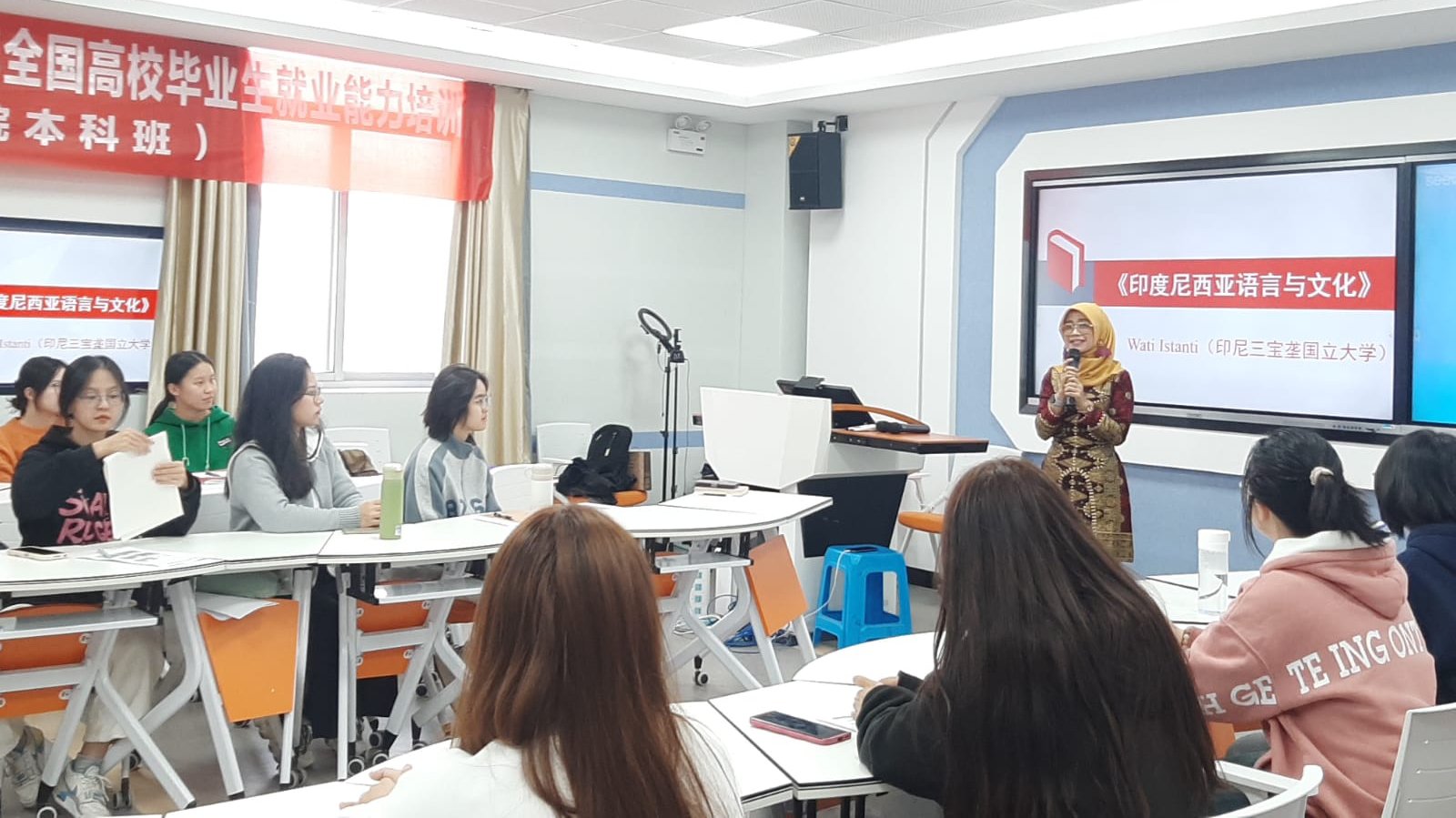
Aktivitas tersebut dilakukan oleh Dr. Wati Istanti dengan mengajarkan Bahasa Indonesia Bagi Penutur Asing (BIPA) bagi mahasiswa di Fujian Polytechnic Normal University (FPNU) pada 18 sampai 31 Mei 2025.

Selain mengajar di sana, Dr. Wati Istanti juga berperan menjadi salah satu perintis Jurusan Bahasa Indonesia di kampus tersebut. Dia turut andil dalam perumusan kurikulum BIPA dan perkembangan kemampuan berbahasa Indonesia bagi mahasiswa di FPNU.

Di FPNU, Dr. Wati Istanti tak hanya mengenalkan Bahasa Indonesia, dia juga memberikan materi tentang budaya Indonesia seperti tari, batik, dan informasi budaya artefak lain.

“Saat ini mahasiswa Jurusan Bahasa Indonesia di FPNU pada angkatan 2024/2025 ada 27 mahasiswa. Mereka sangat tertarik belajar bahasa dan budaya Indonesia,” katanya.

Dekan FBS UNNES, Prof. Dr. Tommi Yuniawan, M.Hum. memberikan apresiasi atas kegiatan tersebut. Ia berharap pengajaran BIPA bisa menjadi sarana merekatkan diplomasi budaya antara Indonesia dan Tionghoa.

Ia berharap kegiatan itu dapat dilakukan secara berkelanjutan untuk implementasi program lain di FBS dan UNNES. Prof. Tommi juga memberikan dukungannya apabila FBS UNNES dijadikan rujukan untuk program students exchange di Prodi Pendidikan Bahasa dan Sastra Indonesia.

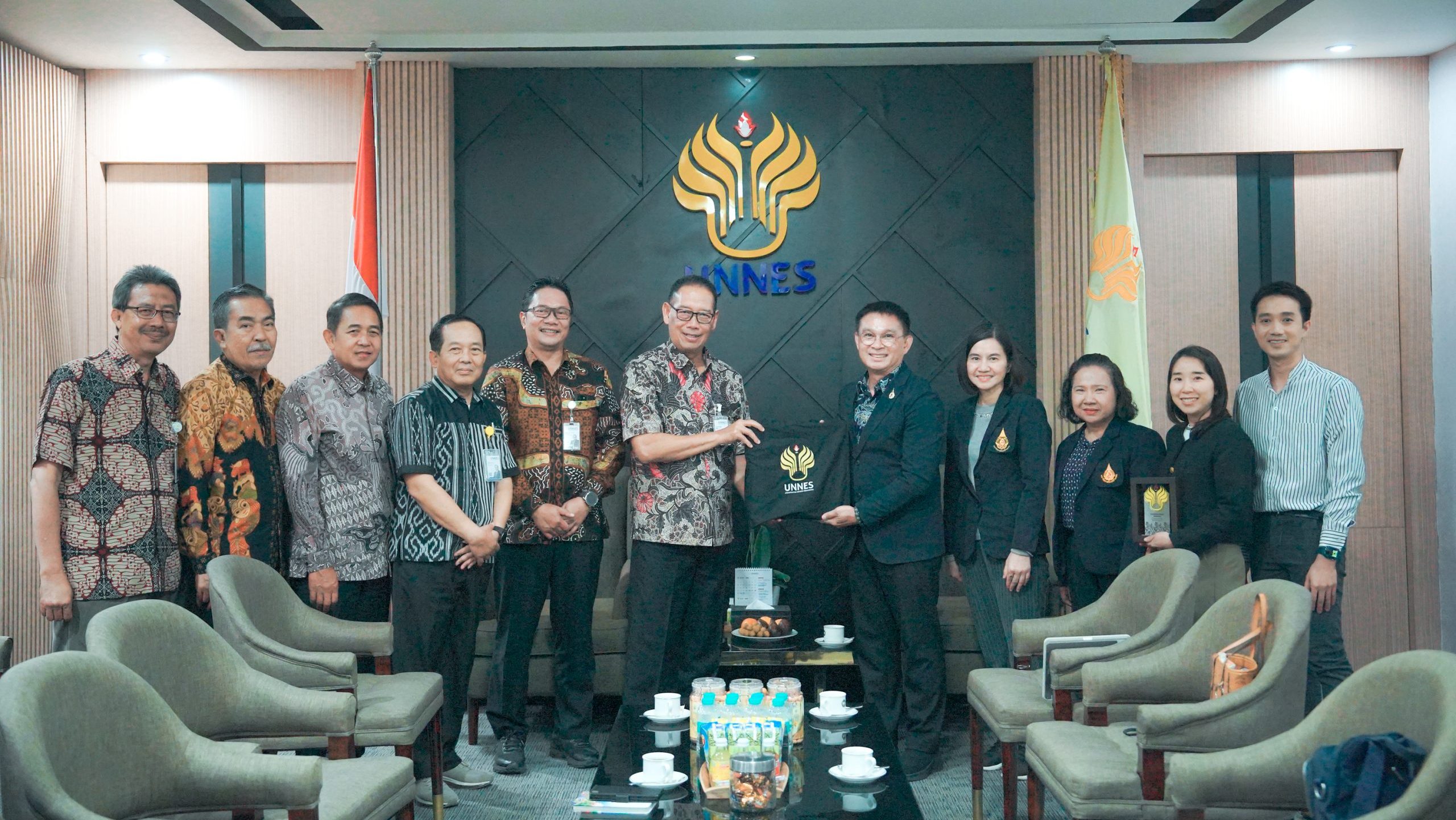
Kesepakatan tersebut telah ditandai dengan adanya kesepakatan kerja sama antara Dekan Fakultas Bahasa dan Seni UNNES dan Dekan Fakultas Bahasa Asing FPNU China. Tak hanya itu, proses Memorandum of Understanding (MoU) antara Rektor Universitas Negeri Semarang dengan Rektor Fujian Politechnic Normal University juga telah disepakati dengan proses penandatanganan secara desk to desk melalui Dr. Wati Istanti.

Harapannya Pengajaran BIPA tidak sekadar formalitas aktivitas pengajaran di kelas, akan tetapi dapat menjadi jembatan untuk mengenalkan sebuah lembaga perguruan tinggi agar terjalin kerja sama dengan mitra di luar negeri. Pengajaran BIPA juga dapat menjadi salah satu gerbang internasionalisasi.

Dr. Wati Istanti menjadi salah satu dosen UNNES yang giat mempromosikan bahasa Indonesia secara internasional. Sebelum mengajar di PFNU, Tiongkok, ia juga sempat mengajarkan BIPA di Universitas Harvard, Amerika Serikat. Ia berharap, bahasa Indonesia menjadi sarana yang efektif untuk memperkuat diplomasi Indonesia dengan bangsa-bangsa lain di dunia.
Related Posts

Leave a Reply

* Kode Akses Komentar:

* Tuliskan kode akses komentar diatas:

GDPR

  • Privacy Policy

Privacy Policy

Who we are

Our website address is: https://unnes.ac.id.

Comments

When visitors leave comments on the site we collect the data shown in the comments form, and also the visitor’s IP address and browser user agent string to help spam detection.

An anonymized string created from your email address (also called a hash) may be provided to the Gravatar service to see if you are using it. The Gravatar service privacy policy is available here: https://automattic.com/privacy/. After approval of your comment, your profile picture is visible to the public in the context of your comment.

Media

If you upload images to the website, you should avoid uploading images with embedded location data (EXIF GPS) included. Visitors to the website can download and extract any location data from images on the website.

Cookies

If you leave a comment on our site you may opt-in to saving your name, email address and website in cookies. These are for your convenience so that you do not have to fill in your details again when you leave another comment. These cookies will last for one year.

If you visit our login page, we will set a temporary cookie to determine if your browser accepts cookies. This cookie contains no personal data and is discarded when you close your browser.

When you log in, we will also set up several cookies to save your login information and your screen display choices. Login cookies last for two days, and screen options cookies last for a year. If you select “Remember Me”, your login will persist for two weeks. If you log out of your account, the login cookies will be removed.

If you edit or publish an article, an additional cookie will be saved in your browser. This cookie includes no personal data and simply indicates the post ID of the article you just edited. It expires after 1 day.

Embedded content from other websites

Articles on this site may include embedded content (e.g. videos, images, articles, etc.). Embedded content from other websites behaves in the exact same way as if the visitor has visited the other website.

These websites may collect data about you, use cookies, embed additional third-party tracking, and monitor your interaction with that embedded content, including tracking your interaction with the embedded content if you have an account and are logged in to that website.

Who we share your data with

If you request a password reset, your IP address will be included in the reset email.

How long we retain your data

If you leave a comment, the comment and its metadata are retained indefinitely. This is so we can recognize and approve any follow-up comments automatically instead of holding them in a moderation queue.

For users that register on our website (if any), we also store the personal information they provide in their user profile. All users can see, edit, or delete their personal information at any time (except they cannot change their username). Website administrators can also see and edit that information.

What rights you have over your data

If you have an account on this site, or have left comments, you can request to receive an exported file of the personal data we hold about you, including any data you have provided to us. You can also request that we erase any personal data we hold about you. This does not include any data we are obliged to keep for administrative, legal, or security purposes.

Where your data is sent

Visitor comments may be checked through an automated spam detection service.