Kupas Sejarah Gerakan Perempuan, FISIP UNNES Gelar Webinar Sinergi Gender

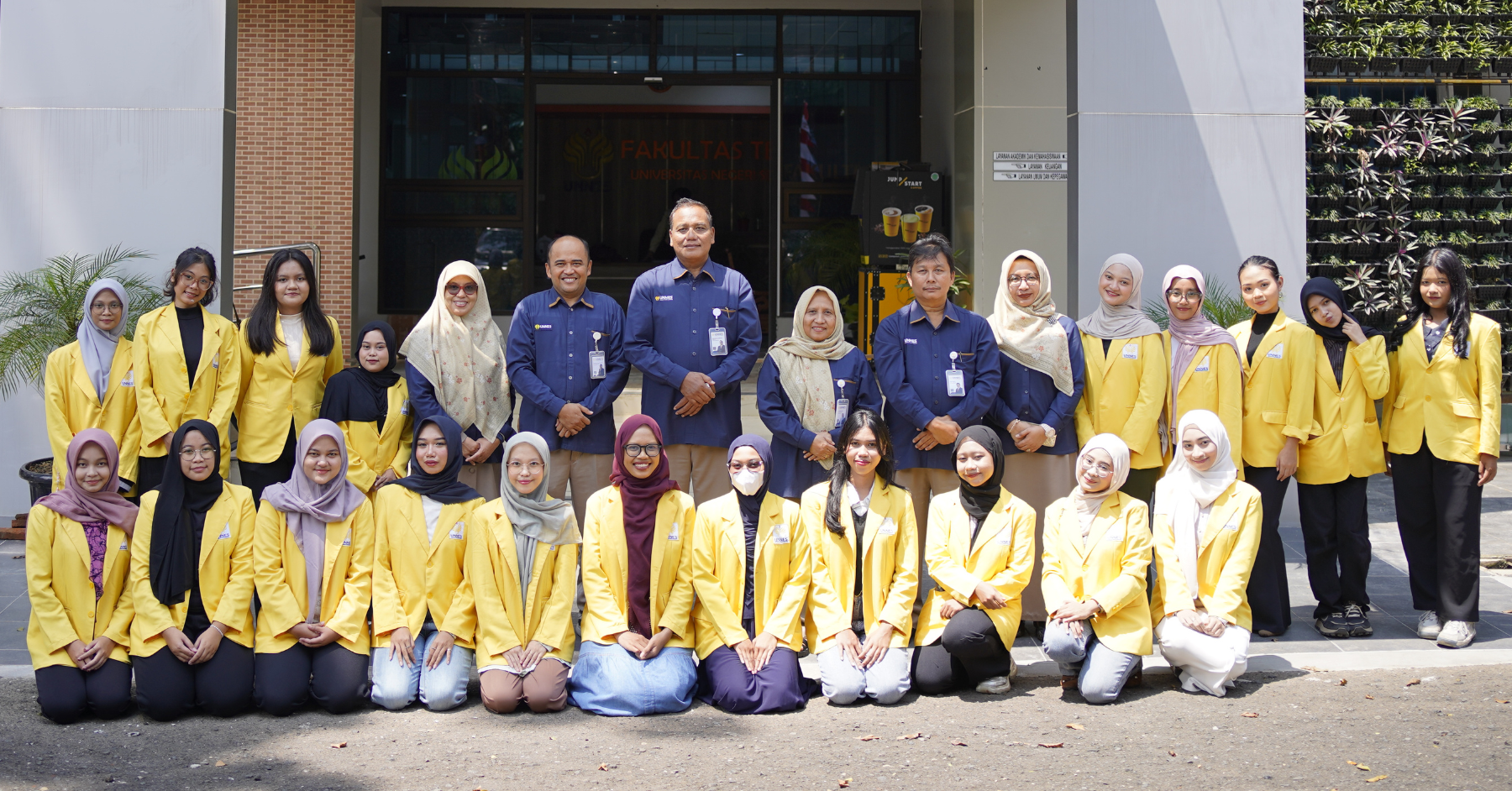
Fakultas Ilmu Sosial dan Ilmu Politik (FISIP) Universitas Negeri Semarang (UNNES) menggelar Webinar Edukasi 2026 bertema “Sinergi Gender: Harmoni dalam Peran, Setara dalam Peluang” pada Jumat, 13 Maret 2026.

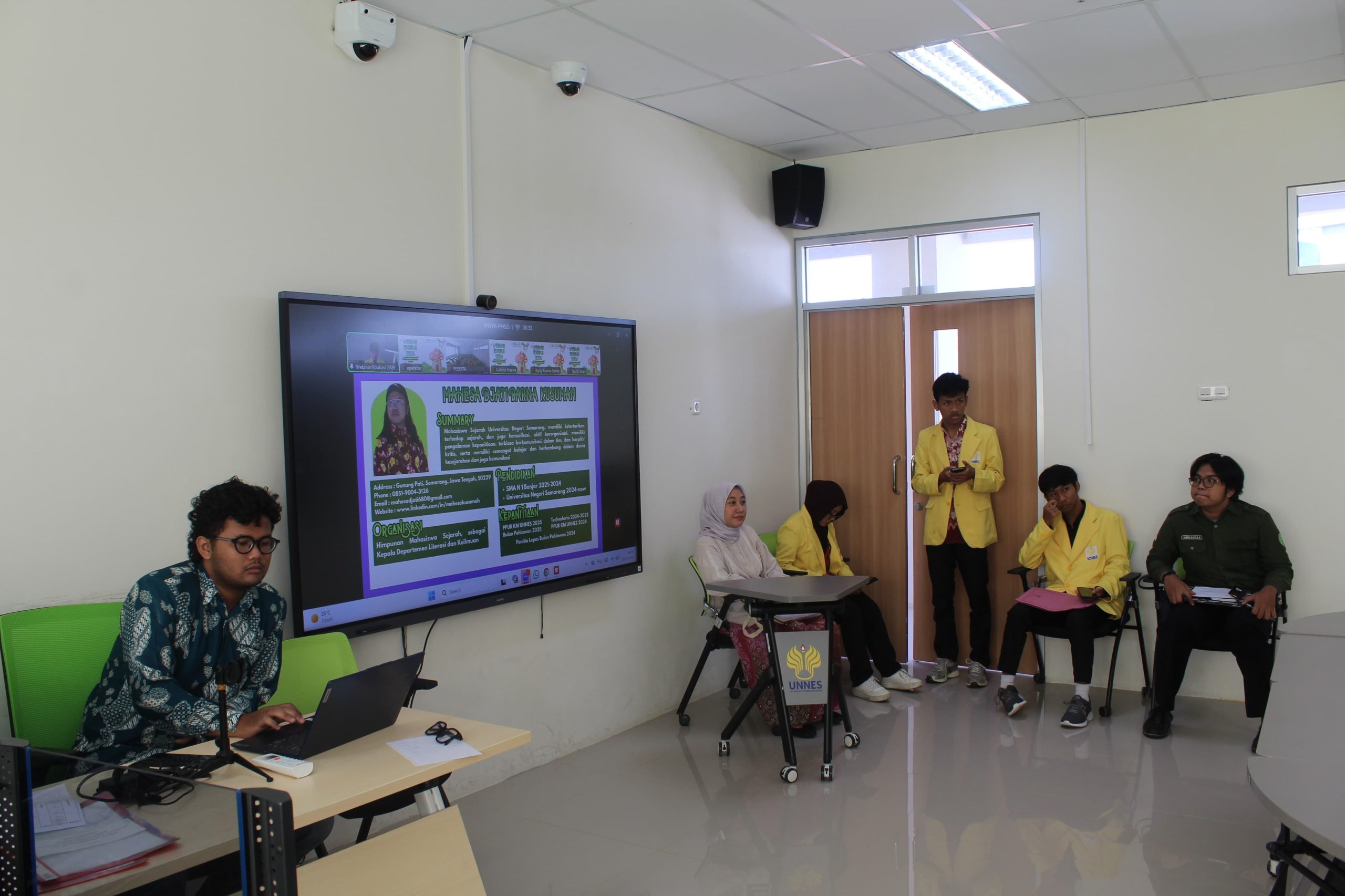
Kegiatan yang diselenggarakan oleh Himpunan Mahasiswa (HIMA) Jurusan Sejarah ini berlangsung secara hybrid, yakni luring di Gedung C8-509 (Collaborative Smart Classroom) FISIP UNNES serta daring melalui platform konferensi virtual.

Webinar ini diikuti sekitar 200 peserta dari kalangan mahasiswa UNNES dan masyarakat umum. Kegiatan tersebut bertujuan memperluas pemahaman mengenai kesetaraan gender sekaligus memperingati International Women’s Day.

Selain itu, webinar ini juga menjadi bagian dari kontribusi akademik UNNES dalam mendukung agenda global United Nations melalui Sustainable Development Goals (SDGs), khususnya SDG 5: Gender Equality yang menekankan pentingnya kesetaraan gender dan pemberdayaan perempuan.

Kegiatan dibuka dengan sambutan Mukhamad Shokheh, S.Pd., M.A., Ph.D. yang menekankan pentingnya memahami sejarah gerakan perempuan sebagai bagian dari upaya membangun masyarakat yang lebih adil dan setara. Ia menyampaikan bahwa perguruan tinggi memiliki peran strategis dalam mendukung implementasi SDGs melalui kajian akademik, penelitian, serta kegiatan edukatif yang mendorong kesadaran kritis mahasiswa terhadap isu sosial.

Sebagai pembicara utama, Ardela Iga Pratiwi, S.S., M.A. memaparkan materi mengenai sinergi gender dalam perspektif sejarah Indonesia. Ia menjelaskan bahwa gerakan perempuan di Indonesia mengalami dinamika yang panjang, mulai dari masa kolonial hingga pascakemerdekaan. Salah satu contoh penting adalah organisasi Gerakan Wanita Indonesia (Gerwani) yang pada masanya menjadi representasi kuat gerakan perempuan.

Dalam sesi diskusi, peserta menyoroti apakah pembubaran Gerwani turut memengaruhi keberlangsungan gerakan perempuan di Indonesia. Menanggapi hal tersebut, Ardela menjelaskan bahwa secara fisik gerakan perempuan tidak sepenuhnya berhenti karena kemudian muncul organisasi lain seperti PKK dan Dharma Wanita.

Namun secara substansi, penghancuran Gerwani sempat melemahkan daya kritis gerakan perempuan selama beberapa dekade. Banyak organisasi perempuan pada periode berikutnya cenderung bersifat domestik dan terikat pada posisi suami dalam struktur sosial maupun birokrasi.

Diskusi juga menyoroti kecenderungan historiografi Indonesia yang lebih banyak menampilkan tokoh perempuan dari kalangan elite dan berpendidikan. Menurut Ardela, hal ini berkaitan dengan ketersediaan sumber sejarah. Tokoh seperti R.A. Kartini meninggalkan jejak tertulis berupa surat dan gagasan yang menjadi sumber penting dalam penulisan sejarah.

Sementara itu, perempuan dari kalangan bawah pada masa kolonial umumnya tidak memiliki akses pendidikan dan literasi, sehingga pengalaman mereka lebih banyak diwariskan melalui tradisi lisan yang jarang terdokumentasi.

Dalam sesi tanya jawab, peserta turut berpartisipasi aktif, di antaranya Rahul Diva Laksana Putra, Adiel Afliarso, dan Callista Nazwa Zhaliyanty yang mengajukan pertanyaan kritis terkait dinamika gerakan perempuan dan representasinya dalam historiografi Indonesia.

Melalui kegiatan ini, HIMA Jurusan Sejarah berharap mahasiswa dapat memandang sejarah tidak hanya sebagai kajian masa lalu, tetapi juga sebagai sarana refleksi untuk memahami persoalan sosial kontemporer, termasuk isu kesetaraan gender. Dengan mengaitkan pembelajaran sejarah dengan agenda SDGs, kegiatan ini menjadi bagian dari upaya akademik dalam menumbuhkan kesadaran generasi muda terhadap pentingnya keadilan, kesetaraan, dan pemberdayaan perempuan dalam pembangunan berkelanjutan.

Related Posts

Leave a Reply

* Kode Akses Komentar:

* Tuliskan kode akses komentar diatas:

GDPR

  • Privacy Policy

Privacy Policy

Who we are

Our website address is: https://unnes.ac.id.

Comments

When visitors leave comments on the site we collect the data shown in the comments form, and also the visitor’s IP address and browser user agent string to help spam detection.

An anonymized string created from your email address (also called a hash) may be provided to the Gravatar service to see if you are using it. The Gravatar service privacy policy is available here: https://automattic.com/privacy/. After approval of your comment, your profile picture is visible to the public in the context of your comment.

Media

If you upload images to the website, you should avoid uploading images with embedded location data (EXIF GPS) included. Visitors to the website can download and extract any location data from images on the website.

Cookies

If you leave a comment on our site you may opt-in to saving your name, email address and website in cookies. These are for your convenience so that you do not have to fill in your details again when you leave another comment. These cookies will last for one year.

If you visit our login page, we will set a temporary cookie to determine if your browser accepts cookies. This cookie contains no personal data and is discarded when you close your browser.

When you log in, we will also set up several cookies to save your login information and your screen display choices. Login cookies last for two days, and screen options cookies last for a year. If you select “Remember Me”, your login will persist for two weeks. If you log out of your account, the login cookies will be removed.

If you edit or publish an article, an additional cookie will be saved in your browser. This cookie includes no personal data and simply indicates the post ID of the article you just edited. It expires after 1 day.

Embedded content from other websites

Articles on this site may include embedded content (e.g. videos, images, articles, etc.). Embedded content from other websites behaves in the exact same way as if the visitor has visited the other website.

These websites may collect data about you, use cookies, embed additional third-party tracking, and monitor your interaction with that embedded content, including tracking your interaction with the embedded content if you have an account and are logged in to that website.

Who we share your data with

If you request a password reset, your IP address will be included in the reset email.

How long we retain your data

If you leave a comment, the comment and its metadata are retained indefinitely. This is so we can recognize and approve any follow-up comments automatically instead of holding them in a moderation queue.

For users that register on our website (if any), we also store the personal information they provide in their user profile. All users can see, edit, or delete their personal information at any time (except they cannot change their username). Website administrators can also see and edit that information.

What rights you have over your data

If you have an account on this site, or have left comments, you can request to receive an exported file of the personal data we hold about you, including any data you have provided to us. You can also request that we erase any personal data we hold about you. This does not include any data we are obliged to keep for administrative, legal, or security purposes.

Where your data is sent

Visitor comments may be checked through an automated spam detection service.