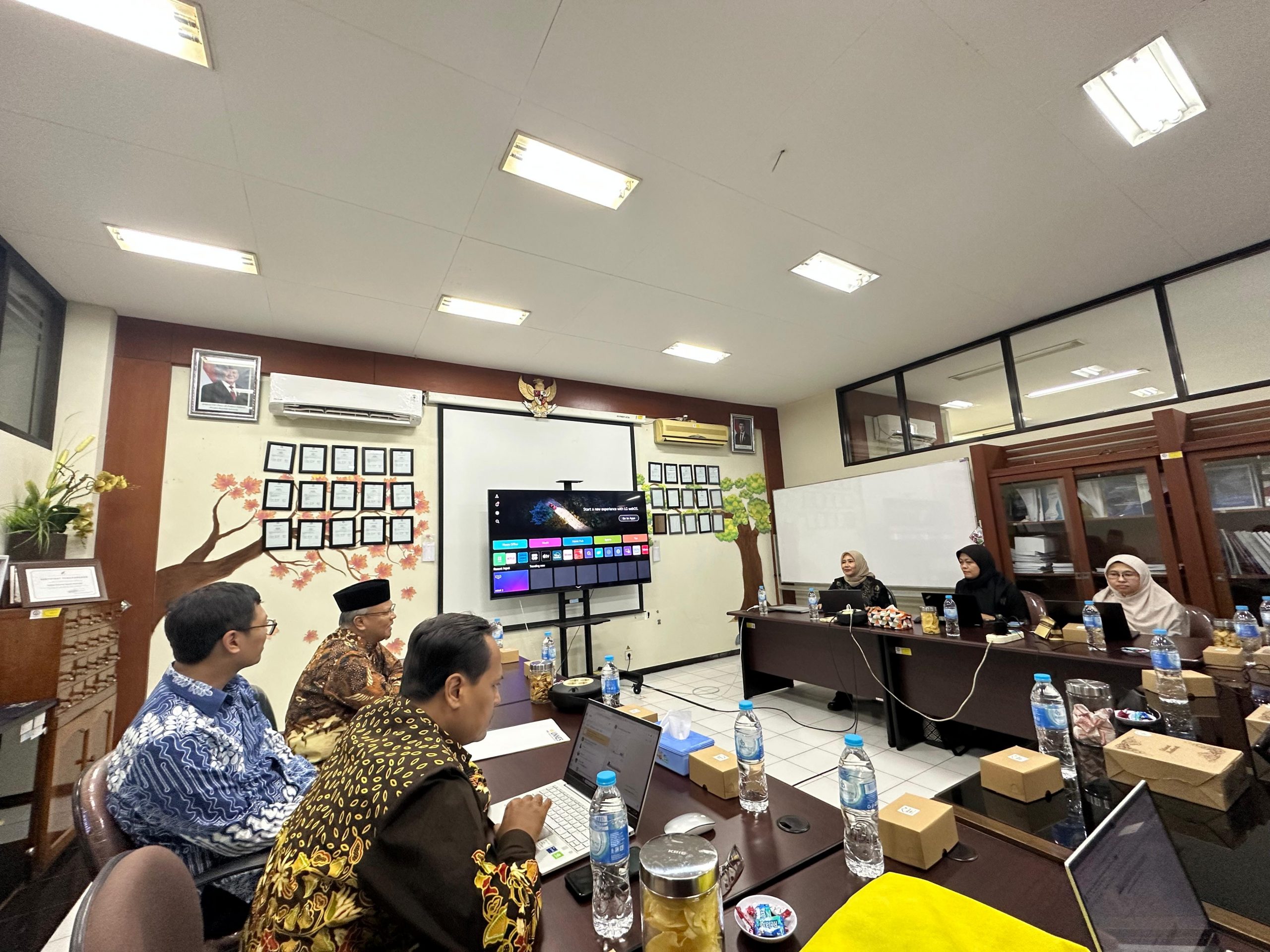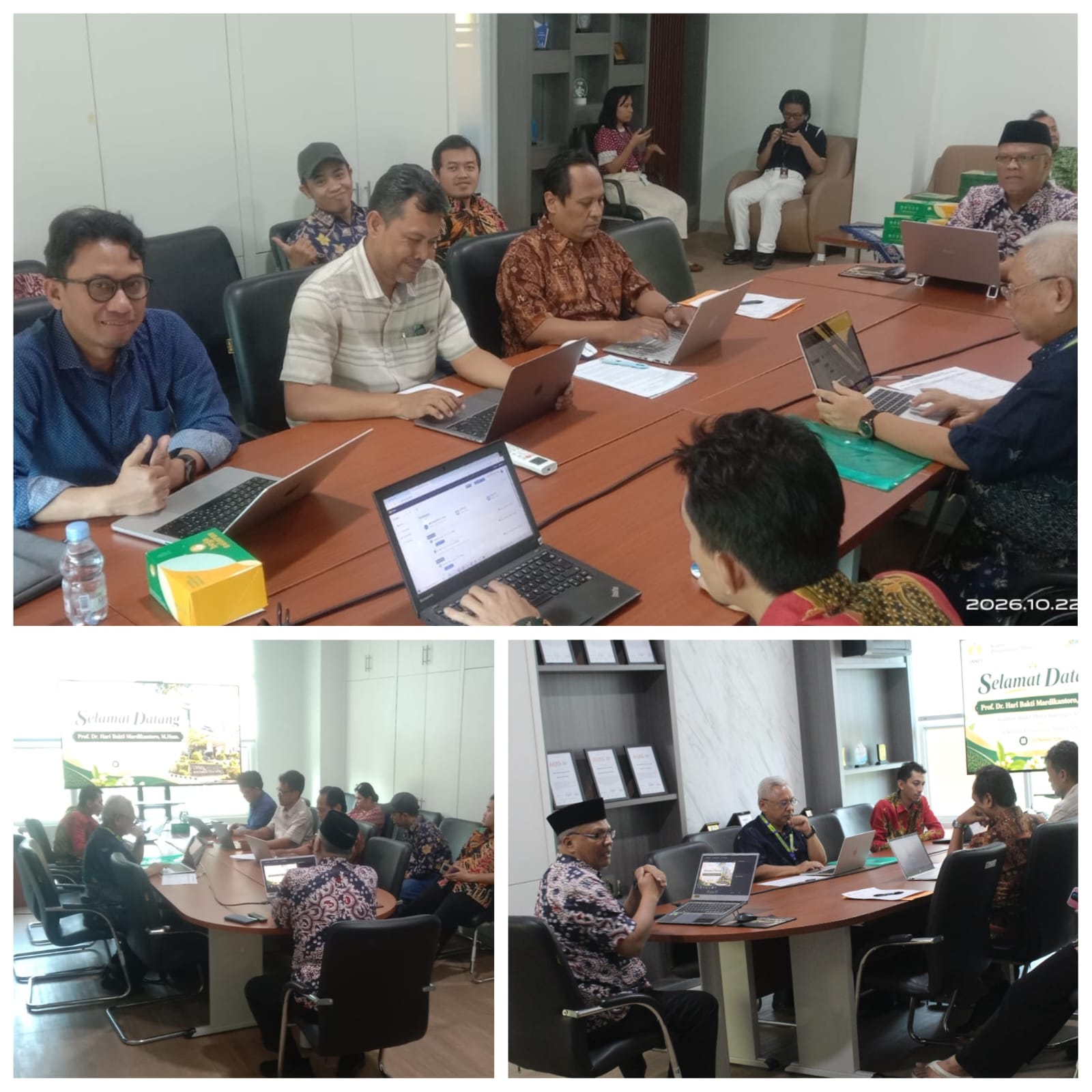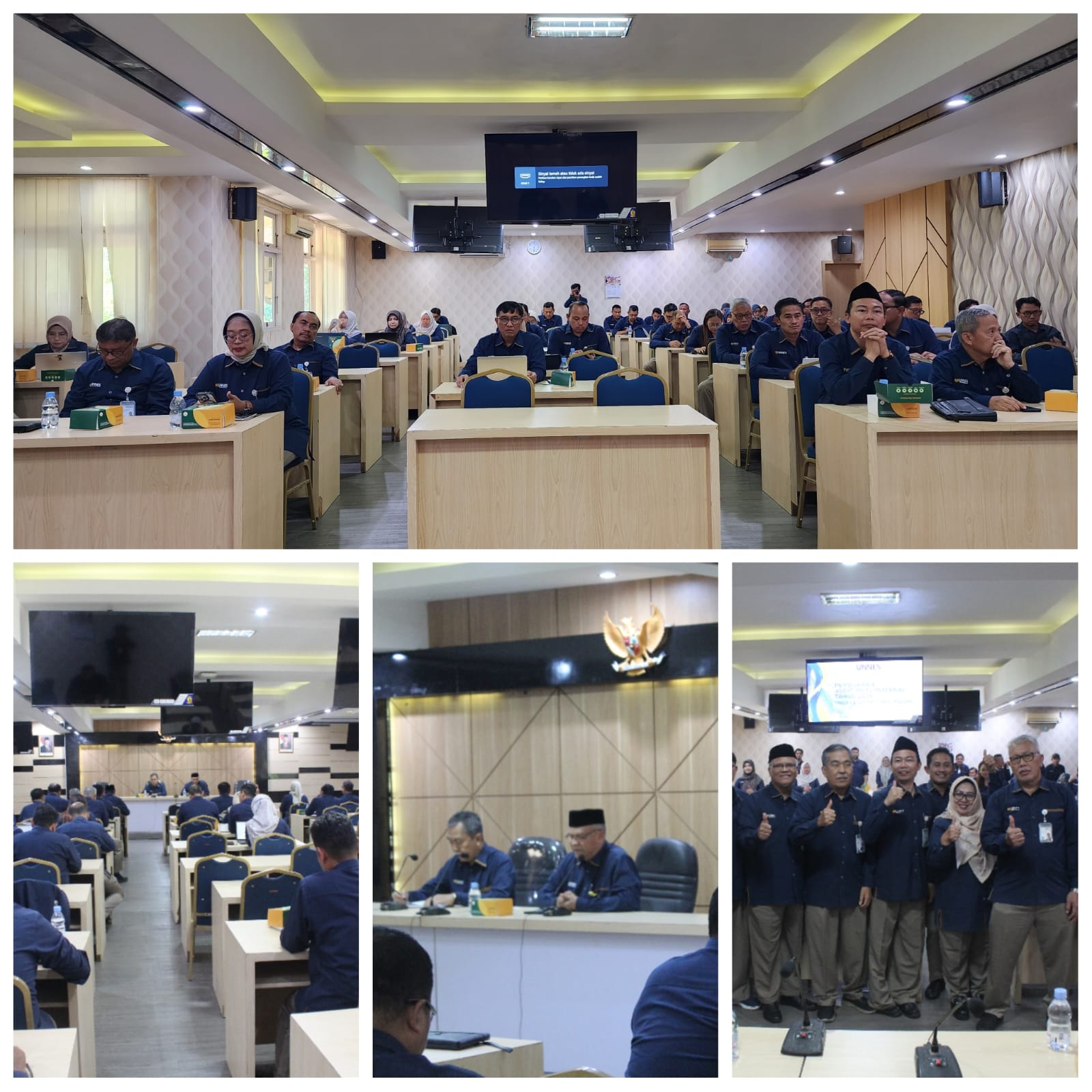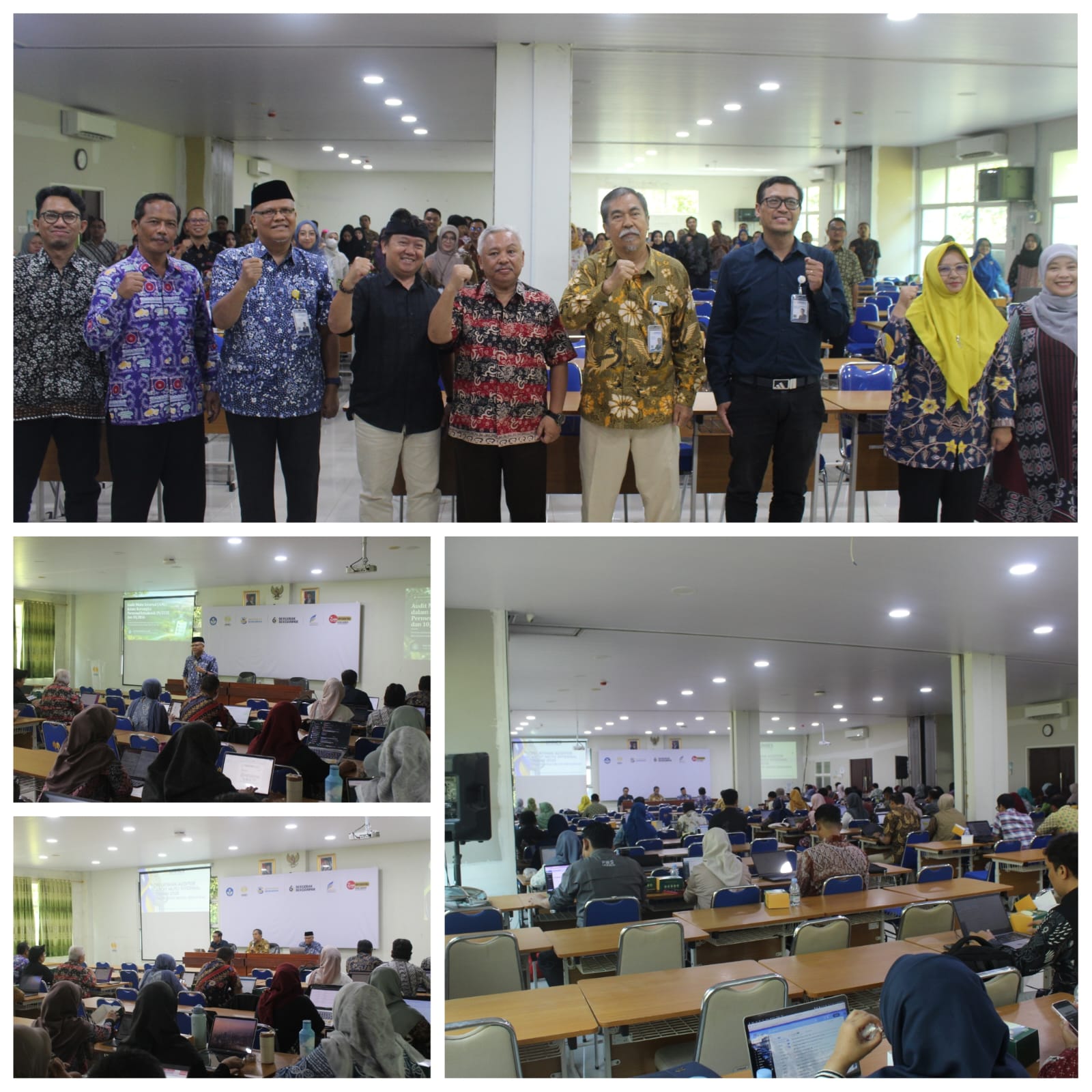



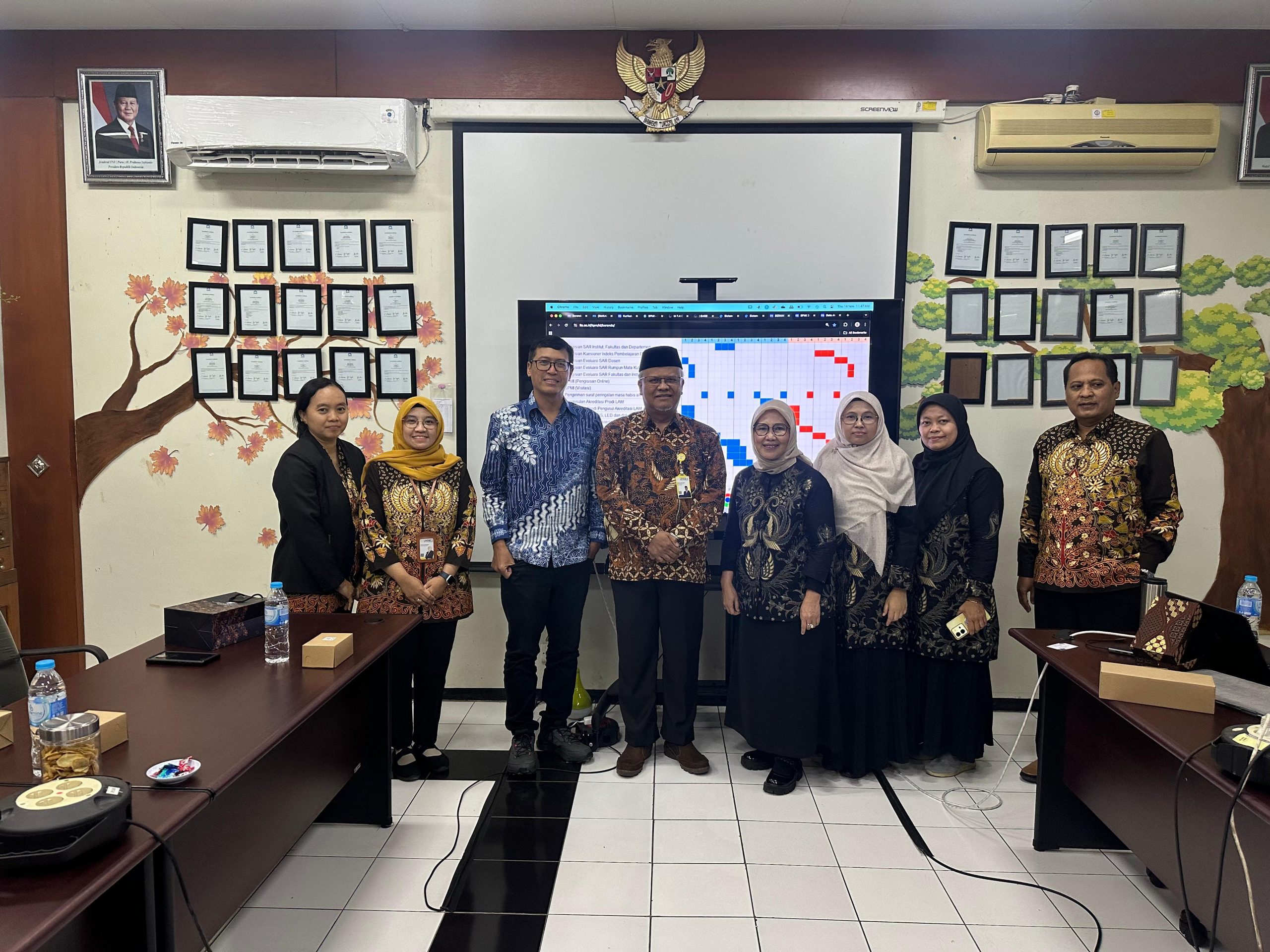

The Quality Assurance Office (KPM) of Universitas Negeri Semarang conducted a visit to Sepuluh Nopember Institute of Technology Surabaya as part of efforts to strengthen collaboration and quality assurance activities. The collaborative visit was carried out over three days, from 13–15 November 2024. The delegation from the quality assurance team consisted of the following members:
The activity was officially opened by Prof. Dr. Aulia Siti Aisjah, Head of the ITS Quality Assurance Office. The session began with introductions and continued with an interactive discussion regarding the quality assurance processes implemented at both UNNES and ITS.
On this occasion, the ITS quality assurance team explained that the accreditation process at ITS applies the National Standards for Higher Education (SN-DIKTI), the National Accreditation Board for Higher Education (BAN-PT), and Independent Accreditation Agencies (LAM) as instruments within the Internal Quality Assurance System (SPMI), using a nine-criteria framework. The system is continuously improved every year while remaining aligned with the characteristics of study programs and educational levels, including undergraduate, master’s, and doctoral programs.
It was also explained that there is no direct coordination structure between the quality assurance coordinators and the Quality Assurance Office (KPM). However, monitoring is conducted every semester for the achievement of four standards, while annual monitoring covers 24 standards plus additional development standards. Furthermore, ITS has separated the academic and student affairs unit from the research and community service unit.
In addition to discussions on quality assurance, several topics related to curriculum development were also addressed. The curriculum system developed by the ITS Quality Assurance Office includes the achievement of Graduate Learning Outcomes (CPL) and the implementation of Outcome-Based Education (OBE).
In the implementation of the Internal Quality Audit (AMI), the auditor team is divided into four areas, namely:
During the audit process, university leaders, lecturers, and students are involved in the visitation activities. The applicable regulation requires that each audit team consist of four auditors, and auditor rotation is mandatory, although auditors must still come from the same accreditation agency (LAM) cluster. Each department has five auditors, consisting of a lead auditor and auditors for undergraduate, master’s, doctoral, and OBE components. The visitation process is limited to four hours and is preceded by a desk evaluation before the on-site visit takes place.
The establishment of new study programs is based on three main standards, namely surveys of prospective and current students demonstrating program uniqueness, achievement of learning outcomes, and minimum accreditation requirements. The proposal mechanism begins with a review of the accreditation form by the Quality Assurance Office, after which it is submitted to the University Senate once the form has been declared feasible by reviewers appointed from the quality assurance team. (HA)