

Mahasiswa Teknik Komputer UNNES Ciptakan CHOLOVATE, Smart Greenhouse Cabai Otomatis Berbasis IoT dan Visi Komputer

Universitas Negeri Semarang > Faculty of Engineering > Fakultas Teknik-ina > Mahasiswa Teknik Komputer UNNES Ciptakan CHOLOVATE, Smart Greenhouse Cabai Otomatis Berbasis IoT dan Visi Komputer

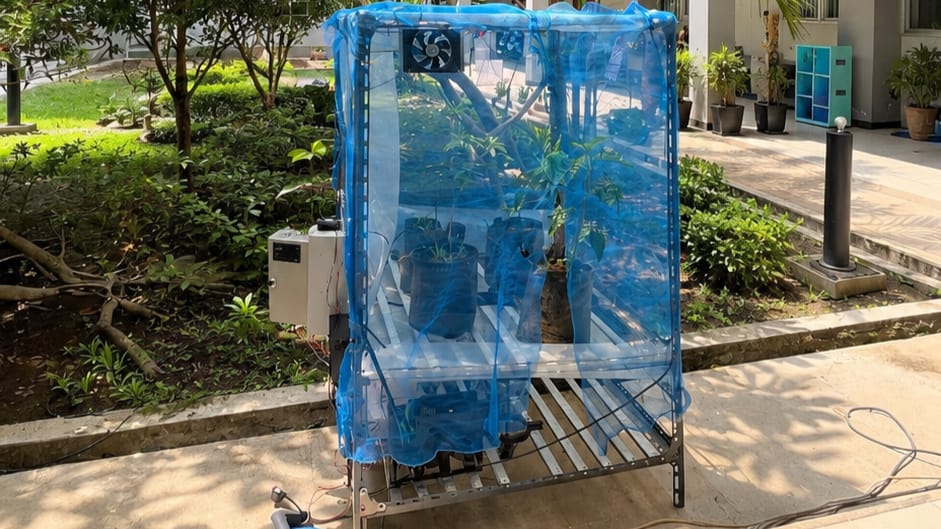
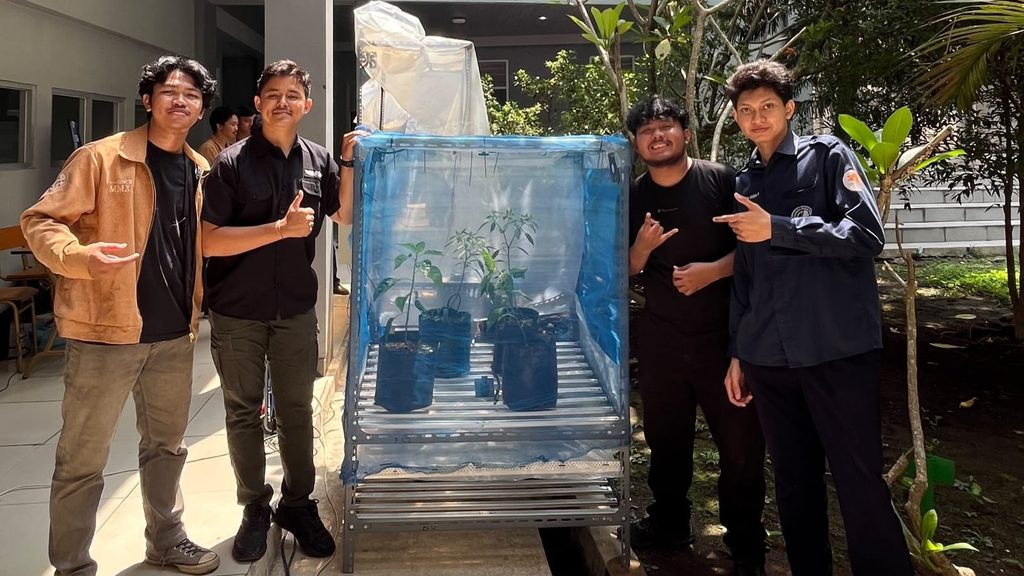
SEMARANG — Tiga mahasiswa Program Studi Teknik Komputer, Fakultas Teknik Universitas Negeri Semarang (FT UNNES), Muhammad Naufal Nashir, Mu’alfi Fahrul Fanani Sachroni, dan Satria Krisna Prabantara, memperkenalkan inovasi pertanian presisi bertajuk CHOLOVATE (Smart Greenhouse Cabai). Purwarupa rumah kaca pintar berukuran 1 x 1 meter tersebut dipamerkan dalam gelaran EXPO Capstone di Gedung E11 FT UNNES, Rabu (11/11/2026).

Pengembangan CHOLOVATE berangkat dari tantangan budidaya tanaman cabai yang sangat sensitif terhadap perubahan iklim mikro, ketidakseimbangan nutrisi, serta serangan hama dan penyakit daun. Melalui pendekatan rekayasa otomasi terpadu, tim merancang CHOLOVATE sebagai sistem kerja bertingkat dua yang saling terhubung untuk mengotomatisasi pemantauan kesehatan tanaman, peracikan nutrisi, hingga pengendalian lingkungan secara presisi.

Pada lantai atas yang berfungsi sebagai area tanam, terpasang unit kamera inspeksi yang bertugas menangkap citra kondisi daun cabai secara berkala. Data hasil pengamatan visual tersebut dikirimkan melalui jalur komunikasi kabel serial UART menuju mikrokontroler utama ESP32-S3 di dalam boks kontrol untuk dianalisis dan diterjemahkan menjadi instruksi kerja perangkat keras di lantai bawah.

Di bagian lantai bawah, sistem bekerja layaknya instalasi peracikan kimia dan nutrisi otomatis. Empat unit pompa dosing peristaltik beroperasi menarik empat jenis larutan pekat—yakni nutrisi A, nutrisi B, fungisida, dan insektisida—dari botol penampung menuju tiga wadah pencampuran terpisah. Di dalam masing-masing wadah tersebut, cairan diaduk hingga homogen menggunakan motor pengaduk DC, sebelum akhirnya didorong oleh pompa bertekanan tinggi menuju jalur irigasi tetes di area perakaran tanaman atau disemprotkan melalui nozzle sprayer misting di bagian atas rangka sesuai kebutuhan penanganan tanaman.

Secara bersamaan, mikrokontroler ESP32-S3 menjalankan fungsi pemantauan lingkungan secara waktu nyata (real-time) dengan membaca serangkaian instrumen sensor. Perangkat tersebut mencakup sensor suhu dan kelembapan udara (DHT22), sensor kelembapan tanah, sensor pH tanah, sensor kepekatan nutrisi (TDS), serta tiga unit sensor ultrasonik (HC-SR04) yang memantau ketinggian volume cairan di dalam wadah penampung.
Berdasarkan pembacaan kondisi iklim mikro, sistem secara otomatis mengatur kecepatan putaran sepasang kipas DC 12V—terdiri dari kipas intake di bagian depan dan exhaust di bagian belakang—melalui modul driver motor L298N guna membuang panas berlebih di dalam ruang tanam. Sementara itu, pengendalian belasan pompa diatur melalui rangkaian modul relai 16 kanal yang telah dilengkapi sistem pengaman kelistrikan berupa sekring dan dioda proteksi arus balik. Seluruh status operasional ditampilkan secara langsung pada layar LCD boks kontrol sekaligus dipancarkan ke cloud melalui jaringan Wi-Fi, sehingga pengguna dapat memantau maupun mengendalikan sistem dari jarak jauh.

Dari aspek rekayasa dan ketekunan pengembangan, prototipe CHOLOVATE berhasil dirampungkan pada 5 September 2026 setelah melalui proses perancangan arsitektur, integrasi elektronik, pemrograman, serta uji coba sistem selama 220 hari. Keseluruhan pembangunan inovasi ini menelan total biaya sebesar Rp8.000.000, mencerminkan kompleksitas integrasi puluhan komponen aktuator, sensor, serta sistem proteksi kelistrikan berstandar industri.

Kehadiran CHOLOVATE di panggung EXPO Capstone FT UNNES turut memperkuat kontribusi perguruan tinggi dalam mendukung pencapaian SDG 9 (Industri, Inovasi, dan Infrastruktur). Melalui pengembangan infrastruktur pertanian cerdas yang terotomatisasi dan berbasis riset terapan, mahasiswa Teknik Komputer FT UNNES mendorong modernisasi sektor agroindustri nasional menuju sistem produksi pangan yang lebih tangguh, efisien, dan berkelanjutan.
Related Posts

Leave a Reply

* Kode Akses Komentar:

* Tuliskan kode akses komentar diatas:

GDPR

  • Privacy Policy

Privacy Policy

At unnes.ac.id, the privacy of our visitors is of extreme importance to us. This privacy policy document outlines the types of personal information that is received and collected by unnes.ac.id and how it is used.

Log Files

Like many other Web sites, unnes.ac.id makes use of log files. The information inside the log files includes internet protocol (IP) addresses, type of browser, Internet Service Provider (ISP), date/time stamp, referring/exit pages, and number of clicks to analyze trends, administer the site, track user’s movement around the site, and gather demographic information. IP addresses and other such information are not linked to any information that is personally identifiable.

Cookies

unnes.ac.id uses cookies to store information about visitors’ preferences, to record user-specific information on which pages the site visitor accesses or visits, and to personalize or customize our web page content based upon visitors’ browser type or other information that the visitor sends via their browser.

Third-party ad servers or ad networks use technology in their respective advertisements and links that appear on unnes.ac.id and which are sent directly to your browser. They automatically receive your IP address when this occurs. Other technologies (such as cookies, JavaScript, or Web Beacons) may also be used by our site’s third-party ad networks to measure the effectiveness of their advertising campaigns and/or to personalize the advertising content that you see on the site.

unnes.ac.id has no access to or control over these cookies that are used by third-party advertisers.

You should consult the respective privacy policies of these third-party ad servers for more detailed information on their practices as well as for instructions about how to opt-out of certain practices. unnes.ac.id’s privacy policy does not apply to, and we cannot control the activities of, such other advertisers or web sites.

If you wish to disable cookies, you may do so through your individual browser options. More detailed information about cookie management with specific web browsers can be found at the browsers’ respective websites.

Consent

By using our website, you hereby consent to our privacy policy and agree to its terms.

Update

This Privacy Policy was last updated on: 2023-02-14. Should we update, amend or make any changes to our privacy policy, those changes will be posted here.

Contact Us

If you have any questions, comments, or concerns about our Privacy Policy or our practices with regards to your personal information, please feel free to contact us through the contact form on our website or by emailing us at humas[at]mail.unnes.ac.id.

This Privacy Policy is intended as a general guide to our practices in collecting and using information. If there is any inconsistency between this Privacy Policy and the terms of the Service Agreement or any other terms that may apply to specific services you use, then those specific service terms shall apply.

Terms of Use

By using our website, you agree to abide by this Privacy Policy. If you do not agree with this Privacy Policy, please do not use our website. We reserve the right to update this Privacy Policy from time to time without prior notice. Please review our Privacy Policy periodically to check for changes. Your continued use of our website following the posting of changes to this Privacy Policy means that you accept the changes.

Thank you for reading our Privacy Policy. We are committed to protecting the privacy of our website visitors and will continue to update our Privacy Policy to ensure optimal protection.