

Mahasiswa Teknik Komputer UNNES Rancang Tower Copter, Wahana Uji Kendali Ketinggian Berbasis IoT dan Algoritma Optimasi

Universitas Negeri Semarang > Faculty of Engineering > Fakultas Teknik-ina > Mahasiswa Teknik Komputer UNNES Rancang Tower Copter, Wahana Uji Kendali Ketinggian Berbasis IoT dan Algoritma Optimasi

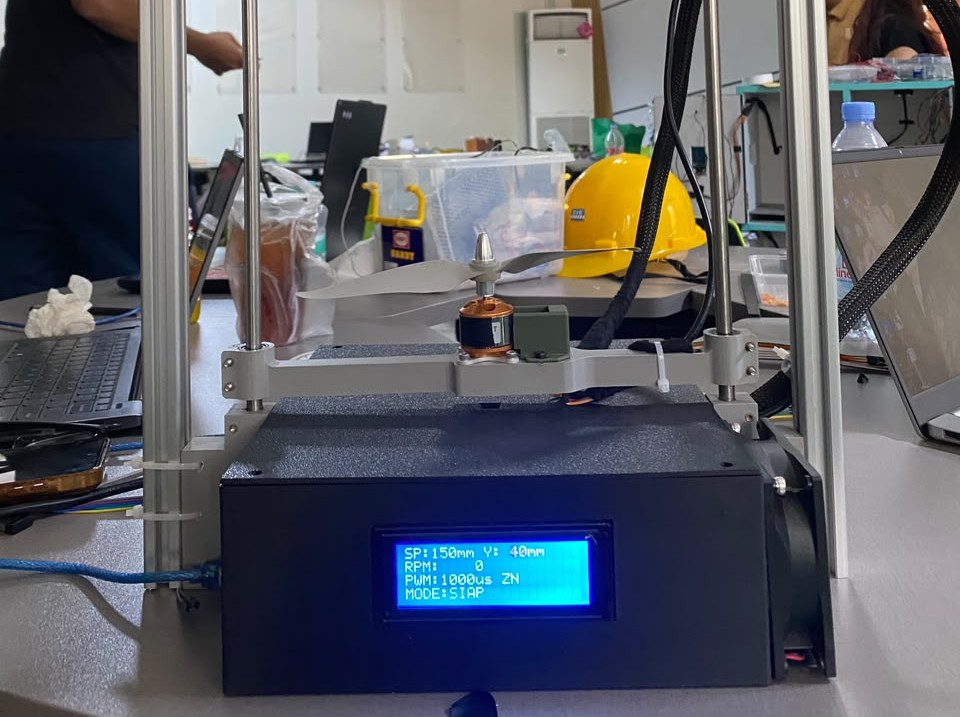
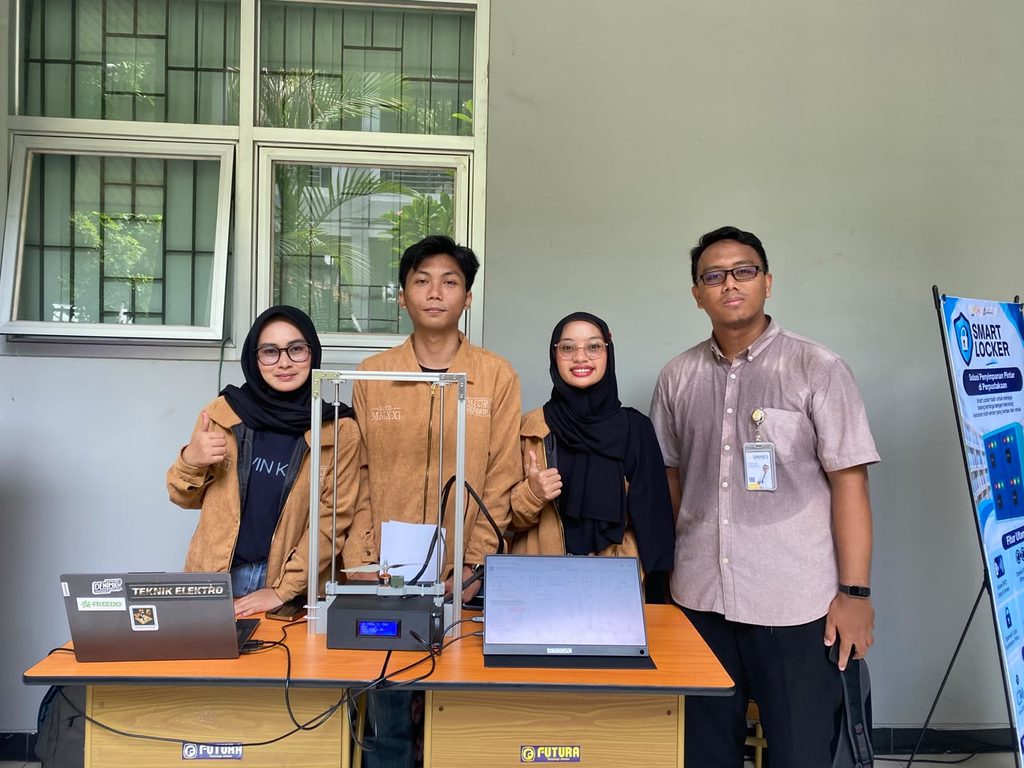
SEMARANG — Tiga mahasiswa Program Studi Teknik Komputer, Fakultas Teknik Universitas Negeri Semarang (FT UNNES), menghadirkan Tower Copter, sebuah wahana uji kendali ketinggian berbasis Internet of Things (IoT) dan kecerdasan algoritmik, dalam ajang EXPO Capstone di Gedung E11 FT UNNES, Rabu (11/11/2026). Perangkat ini dirancang untuk menghadirkan metode pengujian sistem kendali terbang yang jauh lebih aman, terukur, dan efisien dibandingkan pengujian pesawat tanpa awak (drone) secara terbang bebas.

Inovasi rekayasa kendali tersebut dikembangkan oleh Fahturomi Anjar Septian bersama dua anggota timnya, yakni Elya Syafa’atun Ni’mah dan Nazli Rahmeisi. Dalam riset pengembangannya, tim menyoroti tingginya risiko kerusakan perangkat keras serta sulitnya mengisolasi variabel gangguan saat melakukan uji coba terbang bebas pada wahana udara nirawak. Melalui mekanisme gerak yang dibatasi secara presisi pada satu sumbu vertikal, Tower Copter memungkinkan pengamatan respons dinamika terbang secara terkendali tanpa risiko wahana kehilangan kendali atau terjatuh.
Keunggulan utama Tower Copter terletak pada integrasi tiga subsistem cerdas ke dalam satu arsitektur terpadu. Pertama, pada aspek penalaan kendali, parameter Proportional-Integral-Derivative (PID) tidak lagi ditentukan melalui metode coba-coba (trial and error), melainkan dikalkulasi menggunakan tiga algoritma optimasi modern—yakni CPO, SO, dan GJO—yang kemudian dikomparasikan langsung kinerjanya terhadap metode konvensional Ziegler-Nichols pada perangkat serta skenario uji yang identik.

Kedua, perangkat ini dibekali sistem telemetri dan kendali jarak jauh berbasis IoT dengan mikrokontroler ESP32 dan protokol komunikasi MQTT. Melalui integrasi tersebut, parameter krusial seperti data ketinggian aktual, kecepatan putar motor (RPM), hingga sinyal kendali dapat dipantau secara real-time melalui antarmuka web, tersimpan otomatis ke dalam basis data, sekaligus memungkinkan pengguna mengirimkan perintah pengujian dari jarak jauh.

Ketiga, untuk mengatasi derau (noise) dan fluktuasi pembacaan sensor ketinggian, tim menyematkan sistem penyaringan sinyal adaptif berbasis Kalman Filter—mencakup varian Kalman Filter (KF), Extended Kalman Filter (EKF), dan Unscented Kalman Filter (UKF). Parameter masing-masing filter tersebut dioptimalkan secara otomatis menggunakan algoritma Particle Swarm Optimization (PSO) sehingga filter dengan akurasi terbaik dapat langsung ditanamkan ke dalam sistem sebagai masukan utama kendali PID.

Selain kecanggihan perangkat lunak, Tower Copter mengusung rancangan arsitektur modular. Pendekatan ini memungkinkan penggantian metode penalaan kendali, jenis filter, maupun skenario pengujian dilakukan sepenuhnya melalui konfigurasi sistem tanpa perlu membongkar atau mengganti komponen perangkat keras. Fleksibilitas tersebut menjadikan alat ini sangat potensial dikembangkan lebih lanjut sebagai perangkat standar praktikum sistem kendali di laboratorium pendidikan tinggi.

Secara keseluruhan, proses perancangan, pemrograman, hingga perakitan Tower Copter berhasil diselesaikan pada 1 Agustus 2026 setelah melalui tahapan pengembangan intensif selama 90 hari. Seluruh pembangunan purwarupa ini hanya menelan biaya produksi sebesar Rp1.500.000, membuktikan bahwa instrumen riset kendali berpresisi tinggi dapat diproduksi secara mandiri dengan biaya yang sangat terjangkau.

Kehadiran Tower Copter di pameran EXPO Capstone FT UNNES turut memperkuat kontribusi perguruan tinggi terhadap pencapaian SDG 9 (Industri, Inovasi, dan Infrastruktur). Melalui penciptaan infrastruktur pengujian teknologi yang modular, ekonomis, dan berbasis riset terapan, inovasi mahasiswa Teknik Komputer UNNES ini mendorong kemandirian pengembangan perangkat keras riset nasional sekaligus mempercepat kesiapan talenta rekayasa dalam menyongsong era otomasi industri dan teknologi kedirgantaraan modern.
Related Posts

Leave a Reply

* Kode Akses Komentar:

* Tuliskan kode akses komentar diatas:

GDPR

  • Privacy Policy

Privacy Policy

At unnes.ac.id, the privacy of our visitors is of extreme importance to us. This privacy policy document outlines the types of personal information that is received and collected by unnes.ac.id and how it is used.

Log Files

Like many other Web sites, unnes.ac.id makes use of log files. The information inside the log files includes internet protocol (IP) addresses, type of browser, Internet Service Provider (ISP), date/time stamp, referring/exit pages, and number of clicks to analyze trends, administer the site, track user’s movement around the site, and gather demographic information. IP addresses and other such information are not linked to any information that is personally identifiable.

Cookies

unnes.ac.id uses cookies to store information about visitors’ preferences, to record user-specific information on which pages the site visitor accesses or visits, and to personalize or customize our web page content based upon visitors’ browser type or other information that the visitor sends via their browser.

Third-party ad servers or ad networks use technology in their respective advertisements and links that appear on unnes.ac.id and which are sent directly to your browser. They automatically receive your IP address when this occurs. Other technologies (such as cookies, JavaScript, or Web Beacons) may also be used by our site’s third-party ad networks to measure the effectiveness of their advertising campaigns and/or to personalize the advertising content that you see on the site.

unnes.ac.id has no access to or control over these cookies that are used by third-party advertisers.

You should consult the respective privacy policies of these third-party ad servers for more detailed information on their practices as well as for instructions about how to opt-out of certain practices. unnes.ac.id’s privacy policy does not apply to, and we cannot control the activities of, such other advertisers or web sites.

If you wish to disable cookies, you may do so through your individual browser options. More detailed information about cookie management with specific web browsers can be found at the browsers’ respective websites.

Consent

By using our website, you hereby consent to our privacy policy and agree to its terms.

Update

This Privacy Policy was last updated on: 2023-02-14. Should we update, amend or make any changes to our privacy policy, those changes will be posted here.

Contact Us

If you have any questions, comments, or concerns about our Privacy Policy or our practices with regards to your personal information, please feel free to contact us through the contact form on our website or by emailing us at humas[at]mail.unnes.ac.id.

This Privacy Policy is intended as a general guide to our practices in collecting and using information. If there is any inconsistency between this Privacy Policy and the terms of the Service Agreement or any other terms that may apply to specific services you use, then those specific service terms shall apply.

Terms of Use

By using our website, you agree to abide by this Privacy Policy. If you do not agree with this Privacy Policy, please do not use our website. We reserve the right to update this Privacy Policy from time to time without prior notice. Please review our Privacy Policy periodically to check for changes. Your continued use of our website following the posting of changes to this Privacy Policy means that you accept the changes.

Thank you for reading our Privacy Policy. We are committed to protecting the privacy of our website visitors and will continue to update our Privacy Policy to ensure optimal protection.