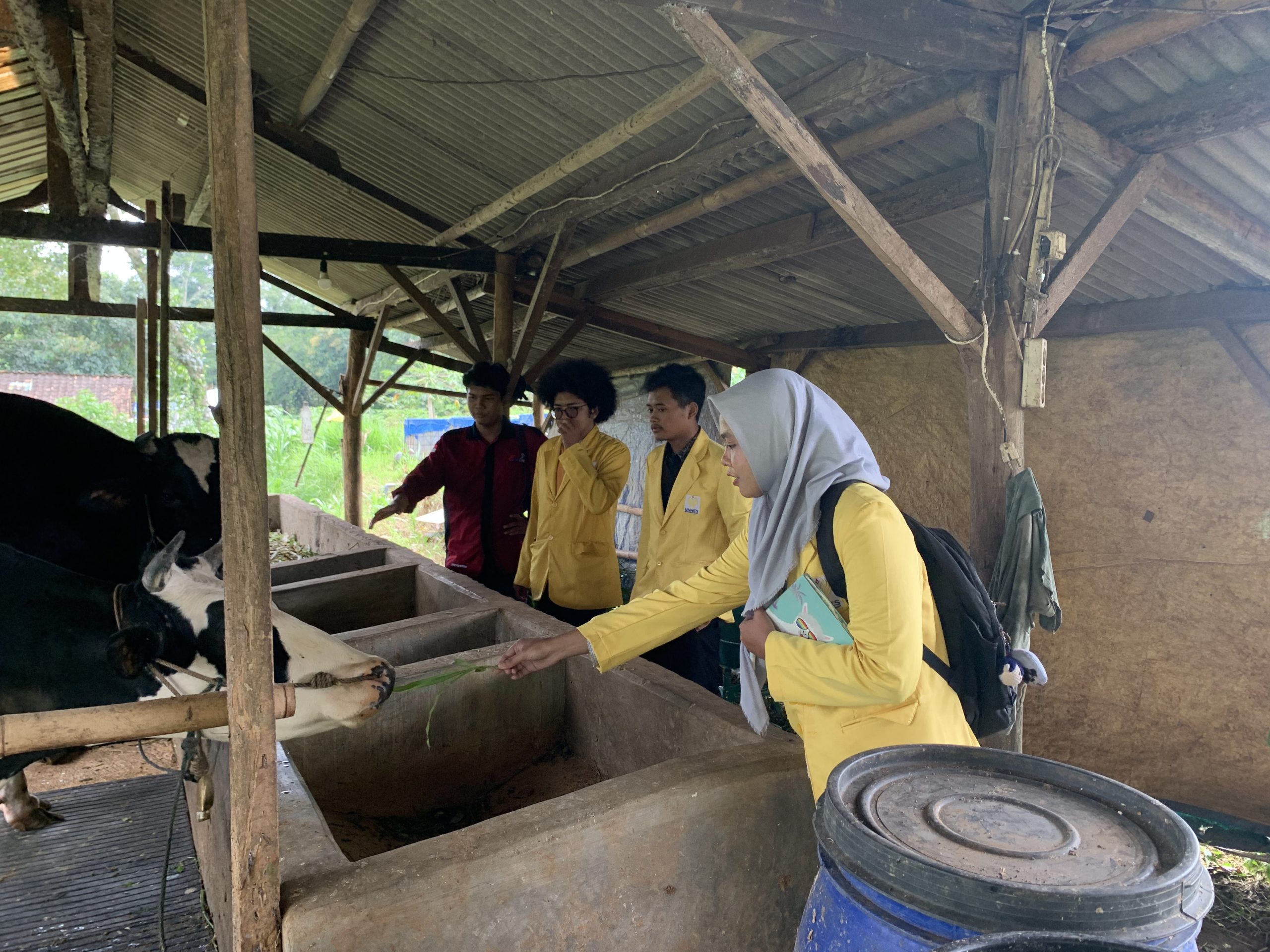



Membongkar Stigma, Membuka Potensi
Setiap kali membicarakan warga binaan panti PGOT (Pengemis, Gelandangan, dan Orang Terlantar), pandangan publik kerap tertuju pada label kerentanan sosial. Padahal, di balik dinamika hidup yang berat, mereka menyimpan potensi besar yang siap dibentuk jika mendapatkan dukungan dan saluran yang tepat. Pemberdayaan masyarakat marginal tidak cukup berhenti pada pelatihan keterampilan dasar, tetapi memerlukan jembatan berkelanjutan yang menghubungkan karya mereka hingga ke rantai pasar terbuka.
Potret Tantangan dan Peluang Aset Panti Mardi Utomo
Menjadi perempuan di garis kemiskinan ekstrem berarti menanggung tantangan ekonomi berlapis. Data BPS mencatat Tingkat Partisipasi Angkatan Kerja (TPAK) perempuan Indonesia sebesar 54,52%—sebuah ruang yang masih sangat luas untuk dioptimalkan. Potret semangat pembinaan ini terlihat nyata di Panti Pelayanan Sosial PGOT Mardi Utomo Semarang. Panti ini secara aktif mengelola lahan seluas 66.988 m² di Tembalang, lengkap dengan sarana kebun singkong seluas 3.923 m², fasilitas dapur tata boga, serta gedung koperasi untuk mendukung pembinaan warga binaan. Di sana, terdapat 21 dari 46 warga binaan perempuan di usia produktif (20–45 tahun) yang siap ditempa.
Pengelola panti selama ini konsisten menjalankan berbagai program pembinaan dan pelatihan. Namun, membawa hasil karya warga binaan melangkah lebih jauh ke luar panti membutuhkan program inkubasi lanjutan yang melengkapi aspek standardisasi produk, manajemen usaha, legalitas resmi (NIB, P-IRT, Halal), hingga pemasaran digital. Tanpa penguatan hilirisasi ini, potensi besar yang sudah dibangun di dalam panti berisiko belum tergarap maksimal saat mereka kembali ke masyarakat.
Hadirnya CASANOVA UNNES sebagai Inovasi Pendampingan
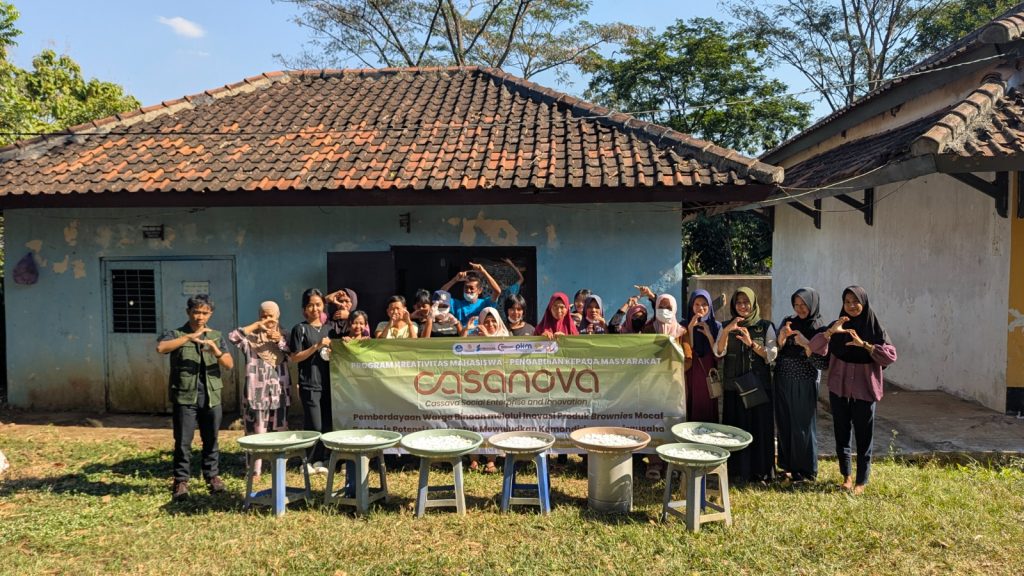
Warga binaan yang sanggup bertahan melintasi berbagai tantangan hidup memiliki daya tahan dan semangat belajar yang luar biasa. Yang mereka butuhkan adalah penguatan kapasitas serta akses pendampingan intensif. Melihat peluang kolaborasi tersebut, tim mahasiswa Universitas Negeri Semarang (UNNES) yang diketuai oleh Azis Sabila Rozaq (Teknik Arsitektur) di bawah bimbingan Wiwit Setyowati, S.T., M.Sc., menghadirkan program CASANOVA (Cassava Social Enterprise and Innovation) melalui skema PKM Pengabdian Masyarakat (PKMPM).
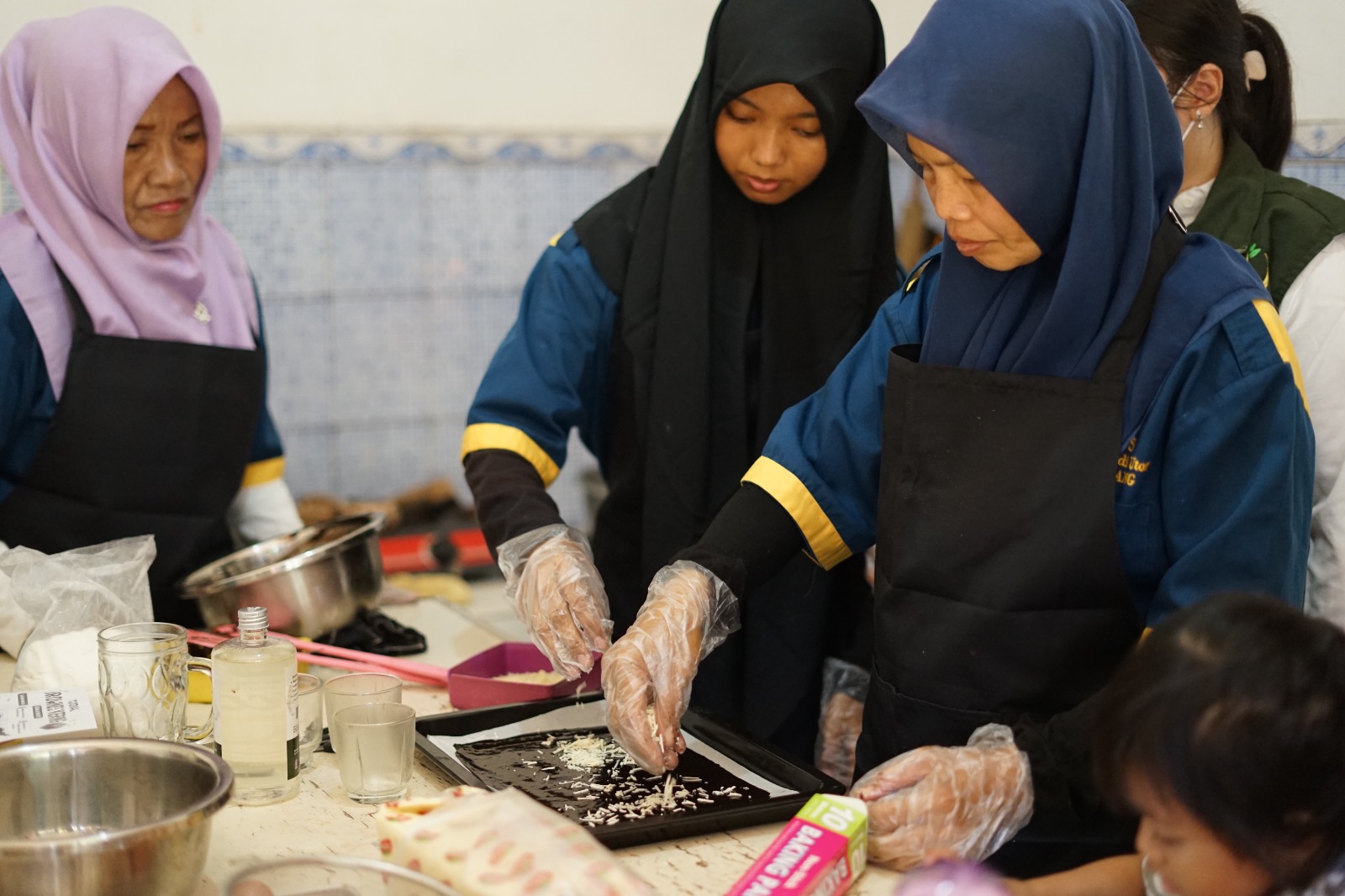
Program CASANOVA melengkapi program pembinaan panti dengan menerapkan pendekatan berbasis aset (Asset Based Community Development/ABCD). Sebanyak 15 warga binaan perempuan usia produktif diajak mengoptimalkan hasil kebun singkong panti menjadi brownies kering berbasis tepung mocaf—sebuah produk gluten-free yang memiliki nilai tambah dan daya saing tinggi di pasar modern. Tim UNNES bersama pihak panti mendampingi warga binaan dari hulu ke hilir: mulai dari pengembangan resep dan standardisasi SOP higiene, pendampingan legalitas usaha, tata kelola keuangan mandiri, hingga strategi digital marketing. Aktivitas produksi ini dirancang menjadi wahana inkubasi nyata untuk memberikan bekal kepercayaan diri dan keterampilan wirausaha pascarehabilitasi.
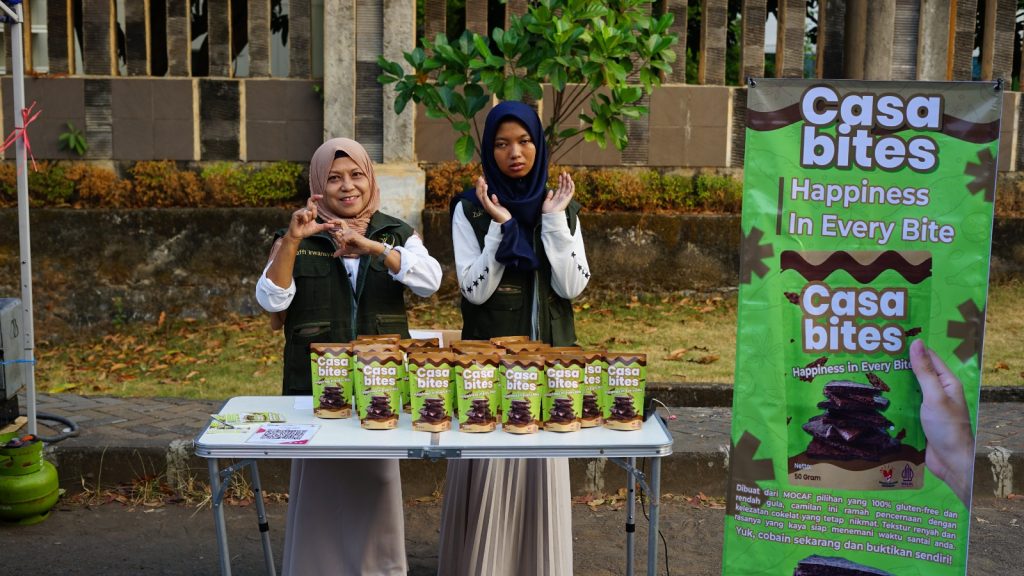
Pendampingan ini membuktikan alasan kuat mengapa warga binaan layak disebut sebagai economic game changers. Pertama, mereka bertransformasi dari penerima manfaat pasif menjadi produsen yang mampu menghasilkan produk bernilai ekonomi tinggi. Kedua, kemandirian ekonomi perempuan berdampak langsung pada pemutusan rantai kemiskinan antar generasi melalui peningkatan kualitas gizi, kesehatan, dan pendidikan anak-anak mereka. Ketiga, sinergi ini membuktikan bahwa fasilitas dan lahan panti pembinaan dapat dioptimalkan menjadi pusat inkubasi bisnis sosial yang produktif dan berkelanjutan.
Sinergi untuk Kemandirian Berkelanjutan
Sejalan dengan Inpres Nomor 8 Tahun 2025 tentang Pengentasan
Kemiskinan Ekstrem, panti rehabilitasi sosial berperan penting sebagai batu pijakan menuju kemandirian. Kolaborasi antara Panti Pelayanan Sosial PGOT Mardi Utomo Semarang dan sivitas akademika UNNES menjadi contoh nyata bagaimana integrasi fasilitas panti, potensi warga binaan, dan inovasi perguruan tinggi mampu menciptakan dampak sosial yang berkelanjutan. Dengan pendampingan yang tepat dan akses pasar yang terbuka, kelompok perempuan marginal siap membuktikan peran mereka sebagai penggerak ekonomi baru di masyarakat.
CASANOVA (Cassava Social Enterprise and Innovation) menjadi bukti nyata keberanian mahasiswa dalam menghadirkan solusi konkret atas ketimpangan ekonomi dan stigma kerentanan sosial. Melalui skema PKM-PM, pengembangan brownies kering berbasis tepung mocaf ini tidak hanya berfokus pada pengolahan hasil kebun panti, tetapi juga membangun ekosistem pendampingan yang utuh—mulai dari standardisasi higiene, legalitas usaha, hingga integrasi ke rantai pasar modern.
Inovasi berbasis pendekatan Asset Based Community Development (ABCD) ini berdampak nyata pada percepatan pencapaian SDGs, utamanya SDG 1 (Tanpa Kemiskinan), SDG 5 (Kesetaraan Gender), dan SDG 8 (Pekerjaan Layak dan Pertumbuhan Ekonomi). Sinergi ini membuktikan bahwa dengan jembatan yang tepat, kelompok perempuan marginal binaan panti mampu bertransformasi dari penerima manfaat menjadi pencipta nilai ekonomi yang berkelanjutan (economic game changers).