

PKK MENGABDI 2025: Community Empowerment in Puguh Village, Boja District, Kendal Regency, Through Innovative Rice Bran Biscuits and Environmentally Friendly Eco Print Crafts.
PKK Mengabdi is an annual program organized by the Professional Student Association of Family Welfare Education (Himpunan Mahasiswa Profesi Pendidikan Kesejahteraan Keluarga/HIMPRO PKK), Faculty of Engineering, Semarang State University (Universitas Negeri Semarang/UNNES). This activity is a tangible manifestation of the implementation of the Tri Dharma of Higher Education, particularly in the aspect of community service. The activity was carried out for 3 weeks in Puguh Village, Boja District. The village was chosen because it has abundant potential natural resources (SDA), especially in the agricultural sector, as well as human resources (SDM) that can continue to be developed.
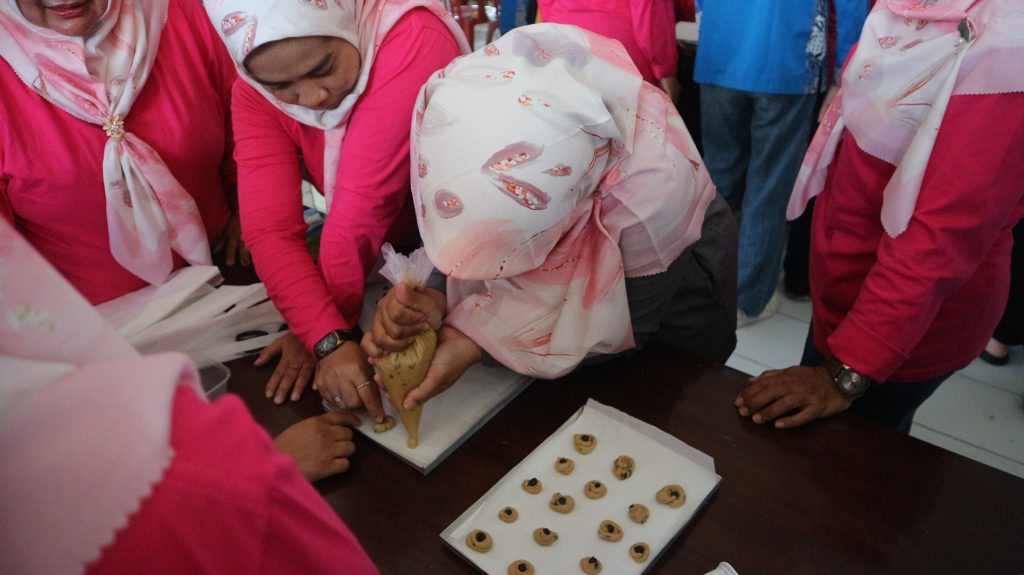
The first week was held for 2 days on Saturday (18/10) and Sunday (19/10) with an agenda of opening, socialization conducted by BPOM (Food and Drug Supervisory Agency), and the innovation of making rice bran biscuits. PKK Mengabdi in Puguh Village presented a speaker from BPOM. BPOM delivered a socialization on food safety, ensuring product feasibility, and recognizing the characteristics of products that meet standards to increase the knowledge and awareness of the Puguh Village community about food safety in accordance with standards. Following this was the production of rice bran biscuits. One agricultural potential that is often overlooked but has great value is rice bran, which is a byproduct of the rice milling process. The rice bran biscuit making activity became an attractive innovation because through this training, the people of Puguh Village were not only taught how to make nutritious biscuits but also how to process and package them so they have high selling value, such as the innovative addition of choco chips as a topping. This activity is expected to create new business opportunities and boost the economy of the Puguh Village community. This activity aligns with SDGs 12 (Responsible Consumption and Production) by processing rice bran waste into food products, and SDGs 8 (Decent Work and Economic Growth) by opening new business opportunities based on local products in Puguh Village.
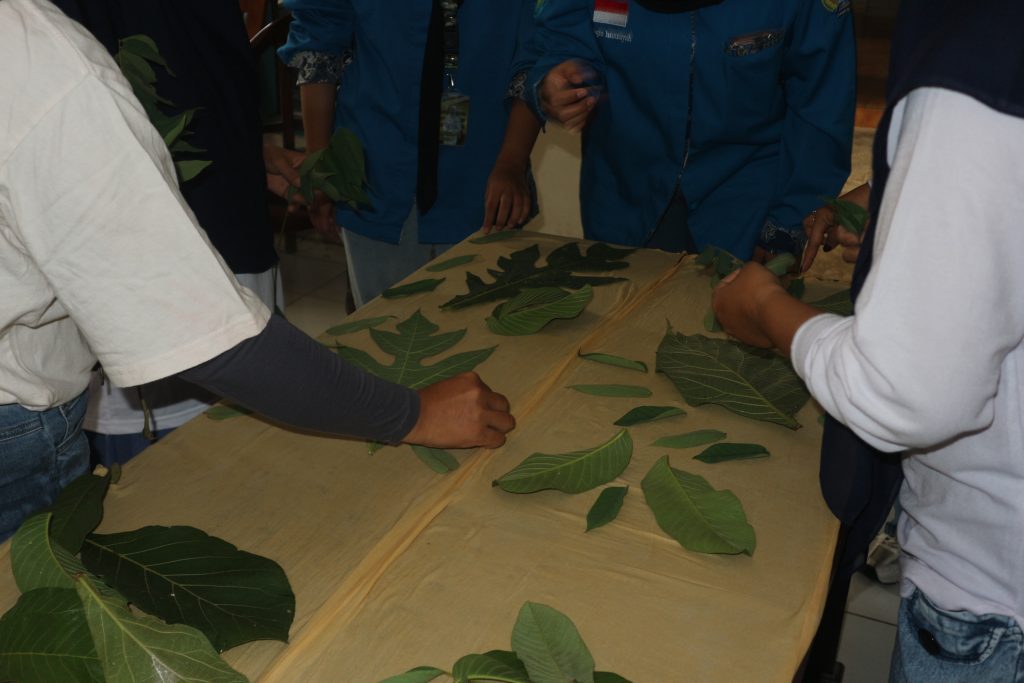
The second week was held on Sunday (26/10) with the agenda of eco print innovation, marketing, and product design. Eco print products have enormous creative economic potential if they are developed into ready-to-sell products. With this in mind, we also initiated a training to develop eco print products with the PKK women’s group of Puguh Village into products with economic value, by paying attention to aspects of design, production quality, packaging, and product branding. Eco print production is also included in SDGs 13 (Climate Action) with environmentally friendly production that can reduce pollution and carbon emissions, and SDGs 5 (Gender Equality) with the empowerment of the PKK women’s group as activity implementers.
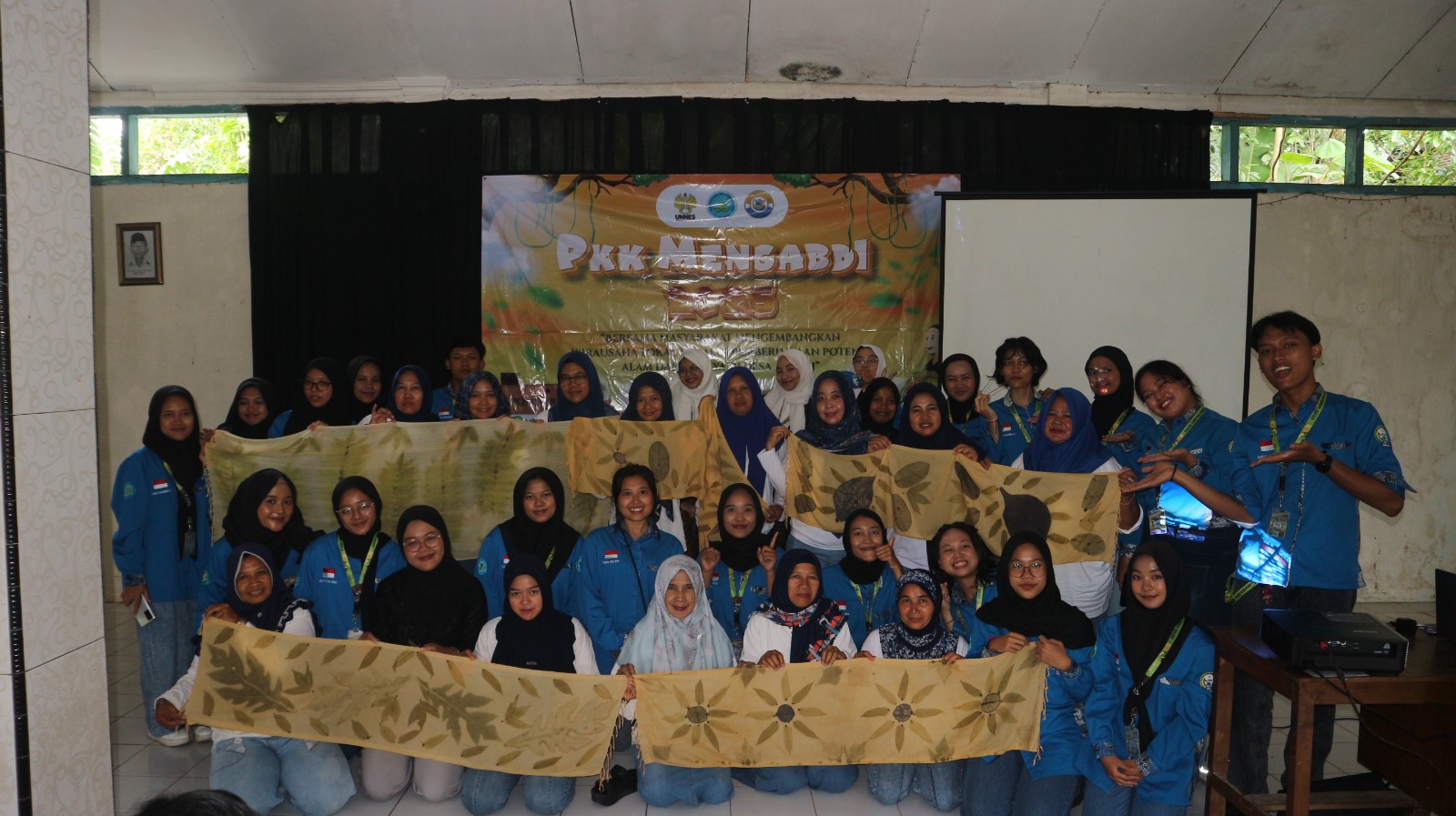
The PKK Mengabdi activity concluded in the third week (2/11) with the handover of eco print products made by the villagers and the presentation of a plaque as a form of gratitude and appreciation from the PKK Mengabdi committee to the Village, represented by the Head of PKK Mengabdi and the Village Head of Puguh. The villagers appeared enthusiastic and spirited in participating until the end of the event.
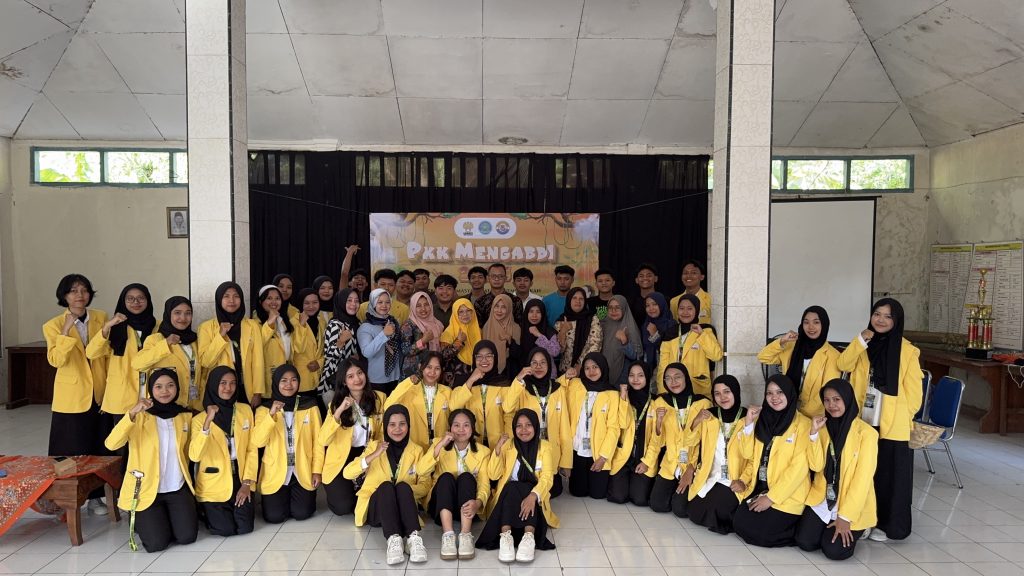
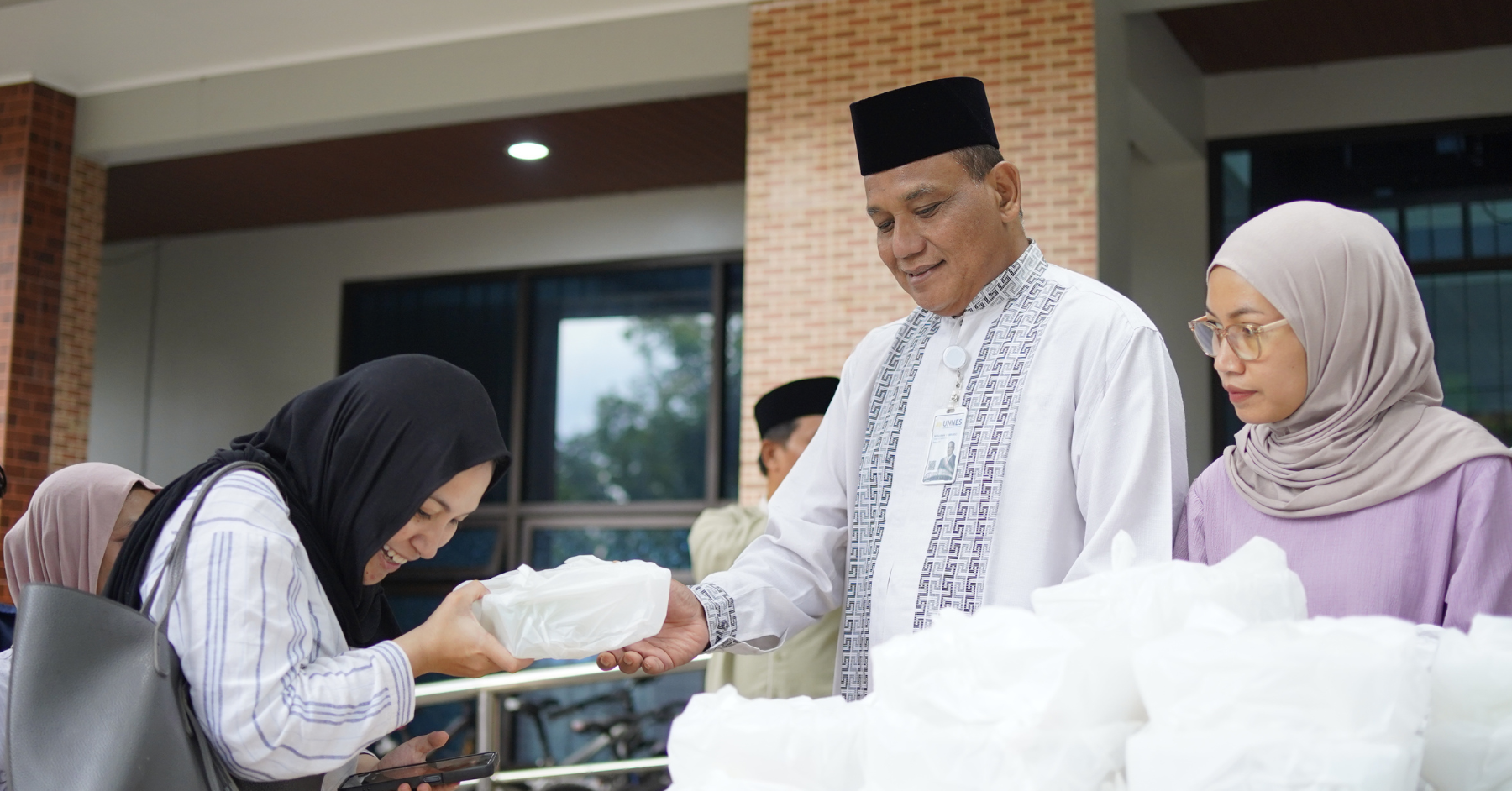
The Dean of FT UNNES, Prof. Dr. Wirawan Sumbodo, M.T., expressed his delight and appreciation for the innovations carried out by the Professional Student Association of Family Welfare Education (HIMPRO PKK). He stated that this is a very conservative step in line with the vision of UNNES, which is a Conservation-Oriented University. Furthermore, the community service conducted by the PKK students is included in activities that can support the University’s SDGs achievements. He also expressed his gratitude to all elements involved, such as Lecturers, Staff, and PKK Students.
The PKK Mengabdi 2025 Program in Puguh Village is expected to have a positive impact on the community through the innovation of rice bran biscuits and eco print crafts. This activity encourages the utilization of local potential while increasing the creativity and economic independence of the residents.