Tim Peneliti UNNES Gelar FGD Analisis Kebutuhan Pengembangan Platform Digital PRANAWA Terintegrasi AI untuk Meningkatkan Literasi Saintifik Siswa SD

Universitas Negeri Semarang/Fakultas Ilmu Pendidikan dan Psikologi/Berita/Tim Peneliti UNNES Gelar FGD Analisis Kebutuhan Pengembangan Platform Digital PRANAWA Terintegrasi AI untuk Meningkatkan Literasi Saintifik Siswa SD

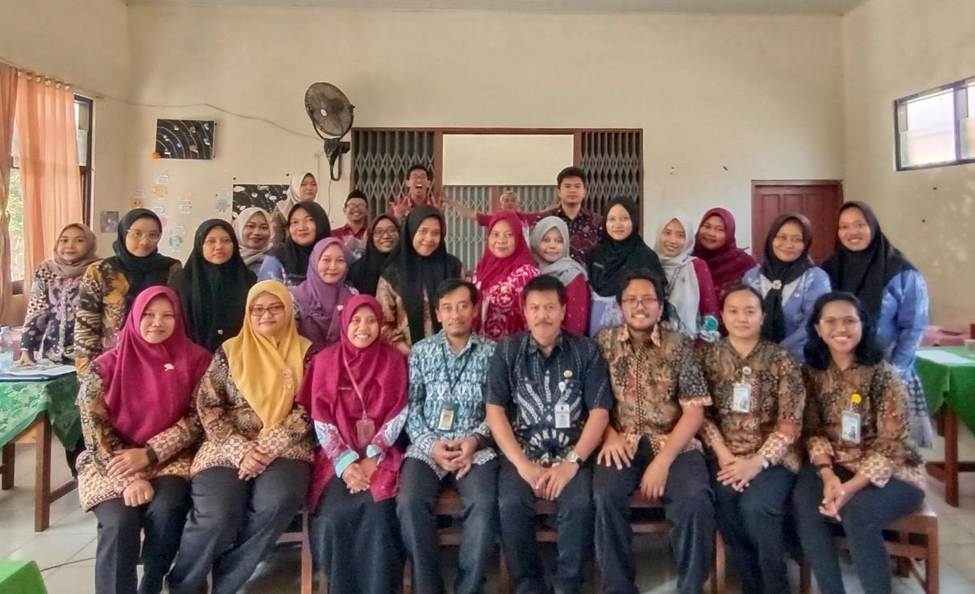
Slawi, 27 Juni 2026 – Tim Peneliti Universitas Negeri Semarang (UNNES) penerima Hibah BIMA Skema Direktorat Penelitian dan Pengabdian kepada Masyarakat (DPPM) menyelenggarakan Focus Group Discussion (FGD) Analisis Kebutuhan Pengembangan Model Pembelajaran Penalaran Ilmiah Berbasis Platform Digital PRANAWA Terintegrasi Artificial Intelligence (AI) di Hotel Grand Dian Slawi, Kabupaten Tegal, pada Sabtu (27/6).

Kegiatan ini merupakan tahap awal dari penelitian berjudul “Pengembangan Model Pembelajaran Penalaran Ilmiah Berbasis Platform Digital PRANAWA Terintegrasi AI untuk Peningkatan Literasi Saintifik Siswa Sekolah Dasar”. Penelitian tersebut didanai oleh Kementerian Pendidikan Tinggi, Sains, dan Teknologi Republik Indonesia melalui Program BIMA Skema Hibah DPPM Tahun 2025.

Tim peneliti terdiri atas Prof. Dr. Purwo Susongko, M.Pd. dan Dr. Ipin Aripin, M.Pd. dari UNNES, serta Fahmi Fatkhoni, M.Pd. dari Universitas Pancasakti (UPS) Tegal. Turut hadir dalam kegiatan ini Dr. Syahrul Ramadhan, M.Pd. dari Badan Riset dan Inovasi Nasional (BRIN) yang berperan sebagai programmer pengembangan platform digital PRANAWA.
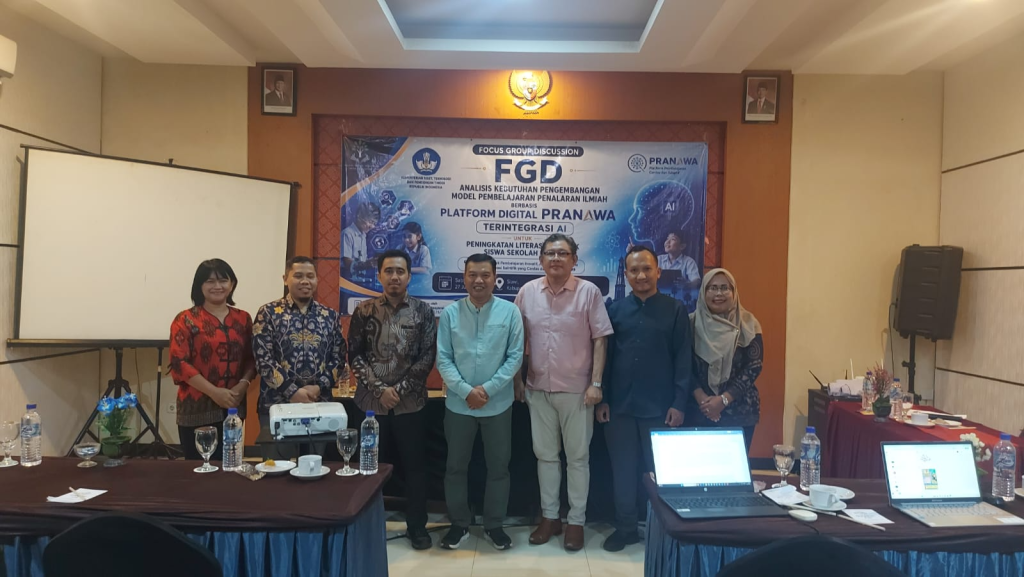
Dalam paparannya, Ketua Tim Peneliti, Prof. Dr. Purwo Susongko, M.Pd., menjelaskan bahwa FGD bertujuan memperoleh masukan dari para pemangku kepentingan sebagai dasar dalam merancang model pembelajaran yang sesuai dengan kebutuhan sekolah dasar.

“FGD ini merupakan tahapan awal analisis kebutuhan dalam pengembangan Model Pembelajaran Penalaran Ilmiah Berbasis Platform Digital PRANAWA Terintegrasi AI. Masukan dari guru, kepala sekolah, dan pemerintah daerah sangat penting agar platform yang dikembangkan benar-benar menjawab kebutuhan pembelajaran di sekolah. Kami berharap PRANAWA menjadi Learning Management System (LMS) yang mampu meningkatkan kemampuan bernalar ilmiah dan literasi saintifik siswa sekolah dasar,” ujar Prof. Purwo.

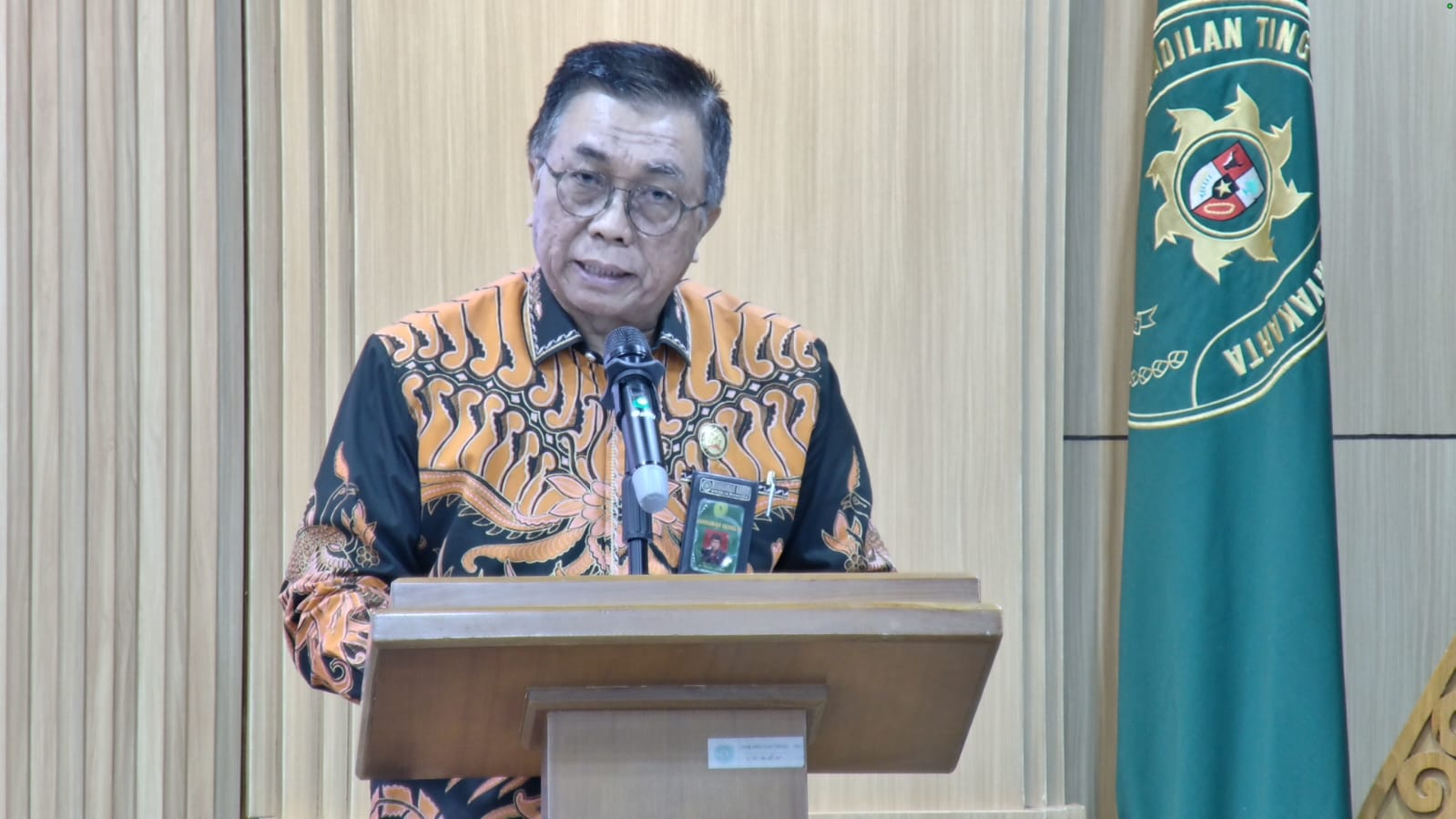
FGD menghadirkan berbagai pemangku kepentingan di bidang pendidikan, di antaranya Kepala Dinas Pendidikan dan Kebudayaan Kabupaten Tegal, Winarto, S.E., M.M., serta Sekretaris Dinas Pendidikan dan Kebudayaan Kota Tegal, Sarwono Singgih Primadi, S.T., M.T., yang mewakili Kepala Dinas Pendidikan dan Kebudayaan Kota Tegal.
Dalam sambutannya, Winarto menyampaikan apresiasi terhadap pengembangan Platform Digital PRANAWA yang dinilai memiliki potensi besar dalam mendukung transformasi pembelajaran berbasis teknologi di sekolah dasar.

“Kami berharap Platform Digital PRANAWA Terintegrasi AI dapat diimplementasikan secara luas di seluruh sekolah dasar di Kabupaten Tegal dan Kota Tegal. Harapannya, platform ini dapat mulai dimanfaatkan pada tahun ajaran 2026/2027 dengan sistem pelaporan pembelajaran yang dapat dipantau secara real time,” ungkapnya.

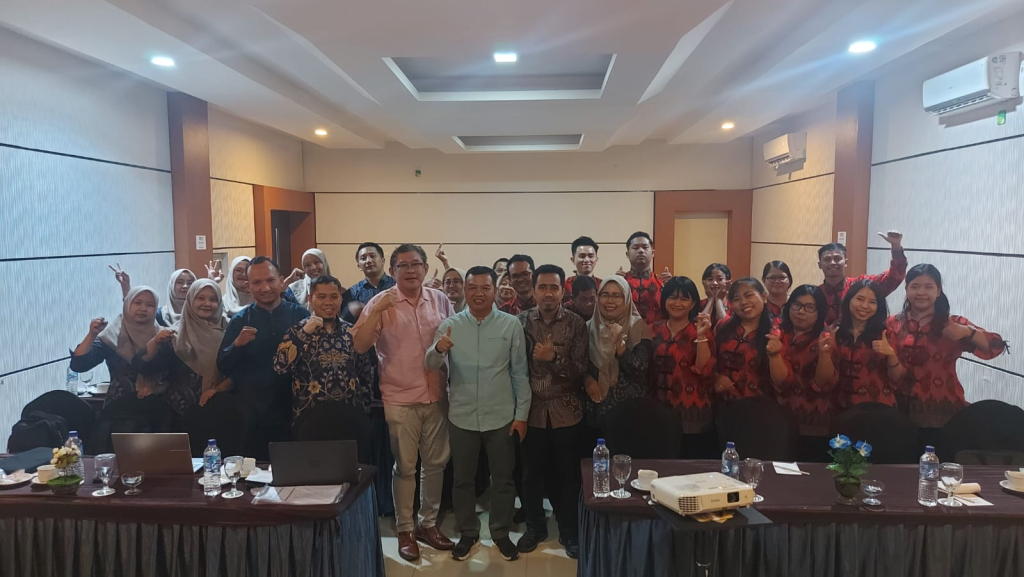
Selain unsur pemerintah daerah, kegiatan ini juga dihadiri oleh Kepala SD Negeri Cilongok 01 Kecamatan Balapulang, Desy Eka Purnami, S.Pd., M.Pd., Kepala SD THHK Kota Tegal, Angsa Ratna Dewi, S.Si., S.Pd., serta 25 guru sekolah dasar dari kedua sekolah yang berpartisipasi aktif dalam sesi diskusi.

Selama FGD, peserta memberikan berbagai masukan terkait kebutuhan pembelajaran, tantangan implementasi teknologi di sekolah dasar, desain fitur platform, hingga integrasi kecerdasan buatan (AI) dalam mendukung proses pembelajaran yang lebih adaptif dan interaktif. Hasil diskusi ini akan menjadi dasar dalam pengembangan Platform Digital PRANAWA sehingga sesuai dengan kebutuhan nyata di lapangan.

Melalui penelitian ini, tim peneliti berharap PRANAWA dapat menjadi inovasi pembelajaran digital yang mampu meningkatkan kemampuan penalaran ilmiah, literasi saintifik, serta kesiapan peserta didik menghadapi tantangan pendidikan di era transformasi digital. Pengembangan platform ini juga diharapkan mendukung pencapaian Sustainable Development Goals (SDGs), khususnya SDG 4 (Quality Education) melalui penyediaan pembelajaran yang inklusif, berkualitas, dan berbasis inovasi teknologi.
Related Posts

Leave a Reply

* Kode Akses Komentar:

* Tuliskan kode akses komentar diatas:

GDPR

  • Privacy Policy

Privacy Policy

At unnes.ac.id, the privacy of our visitors is of extreme importance to us. This privacy policy document outlines the types of personal information that is received and collected by unnes.ac.id and how it is used.

Log Files

Like many other Web sites, unnes.ac.id makes use of log files. The information inside the log files includes internet protocol (IP) addresses, type of browser, Internet Service Provider (ISP), date/time stamp, referring/exit pages, and number of clicks to analyze trends, administer the site, track user’s movement around the site, and gather demographic information. IP addresses and other such information are not linked to any information that is personally identifiable.

Cookies

unnes.ac.id uses cookies to store information about visitors’ preferences, to record user-specific information on which pages the site visitor accesses or visits, and to personalize or customize our web page content based upon visitors’ browser type or other information that the visitor sends via their browser.

Third-party ad servers or ad networks use technology in their respective advertisements and links that appear on unnes.ac.id and which are sent directly to your browser. They automatically receive your IP address when this occurs. Other technologies (such as cookies, JavaScript, or Web Beacons) may also be used by our site’s third-party ad networks to measure the effectiveness of their advertising campaigns and/or to personalize the advertising content that you see on the site.

unnes.ac.id has no access to or control over these cookies that are used by third-party advertisers.

You should consult the respective privacy policies of these third-party ad servers for more detailed information on their practices as well as for instructions about how to opt-out of certain practices. unnes.ac.id’s privacy policy does not apply to, and we cannot control the activities of, such other advertisers or web sites.

If you wish to disable cookies, you may do so through your individual browser options. More detailed information about cookie management with specific web browsers can be found at the browsers’ respective websites.

Consent

By using our website, you hereby consent to our privacy policy and agree to its terms.

Update

This Privacy Policy was last updated on: 2023-02-14. Should we update, amend or make any changes to our privacy policy, those changes will be posted here.

Contact Us

If you have any questions, comments, or concerns about our Privacy Policy or our practices with regards to your personal information, please feel free to contact us through the contact form on our website or by emailing us at humas[at]mail.unnes.ac.id.

This Privacy Policy is intended as a general guide to our practices in collecting and using information. If there is any inconsistency between this Privacy Policy and the terms of the Service Agreement or any other terms that may apply to specific services you use, then those specific service terms shall apply.

Terms of Use

By using our website, you agree to abide by this Privacy Policy. If you do not agree with this Privacy Policy, please do not use our website. We reserve the right to update this Privacy Policy from time to time without prior notice. Please review our Privacy Policy periodically to check for changes. Your continued use of our website following the posting of changes to this Privacy Policy means that you accept the changes.

Thank you for reading our Privacy Policy. We are committed to protecting the privacy of our website visitors and will continue to update our Privacy Policy to ensure optimal protection.