



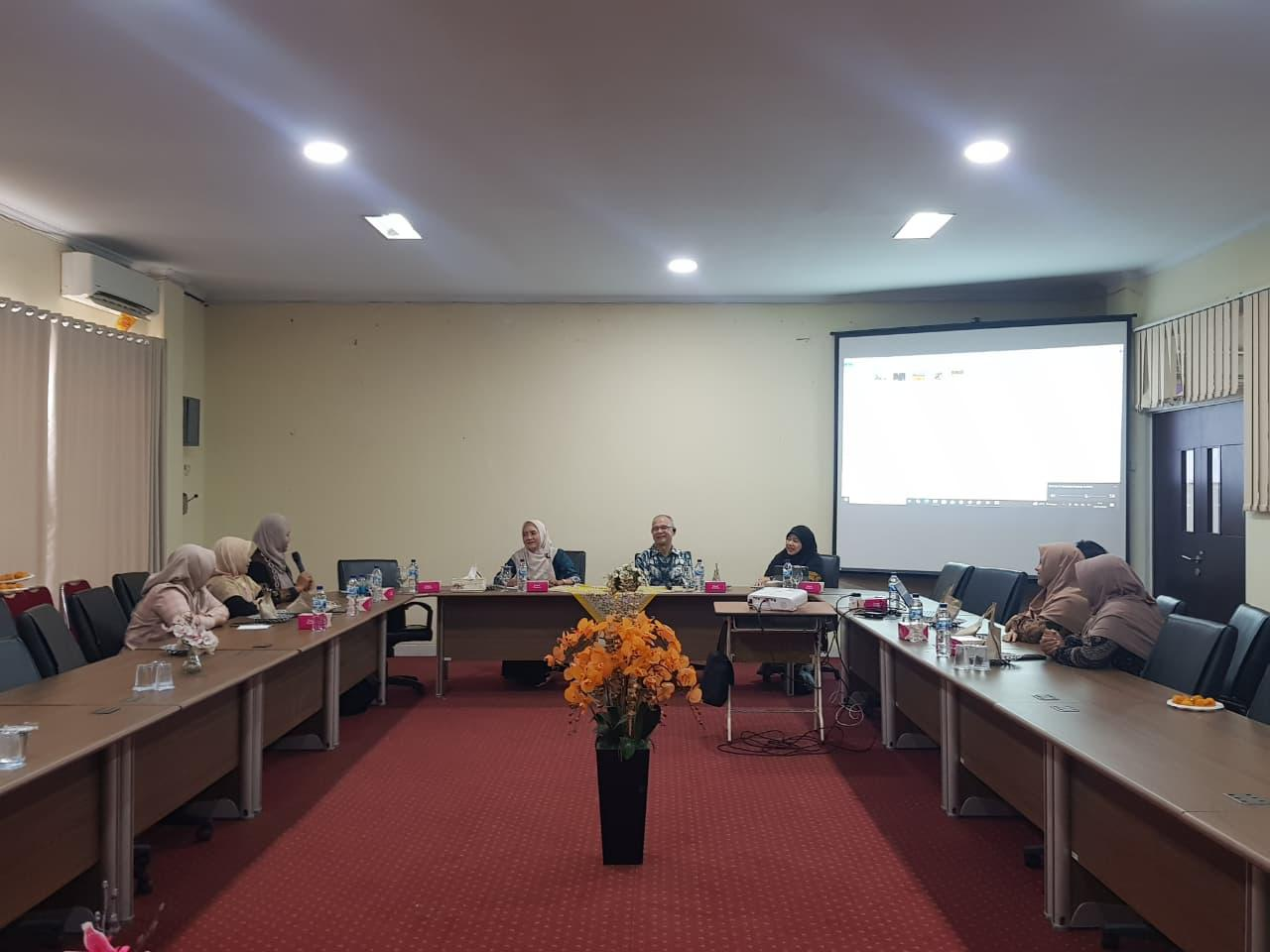
PADANG – The Faculty of Education and Psychology (FIPP) at Semarang State University (UNNES) conducted a benchmarking activity in preparation for the establishment of the Master of Science in Psychology program at the Faculty of Psychology and Health (FPK) at Padang State University (UNP). The activity took place in the FPK UNP Meeting Room on Thursday (11/19/2026).
This strategic visit aimed to gather information and share firsthand experiences regarding the establishment, academic governance, and development strategies of the Master of Psychology Program currently running at the Faculty of Psychology, Universitas Negeri Padang (FPK UNP). This activity is part of FIPP UNNES’s efforts to increase institutional capacity and strengthen the quality of higher education through the development of academic programs oriented to community needs and scientific advancements.
The FIPP UNNES delegation was led directly by the Vice Dean for Business, Research, and Cooperation, Siti Nuzulia, S.Psi., M.Si., Ph.D., accompanied by the Coordinator of the FIPP UNNES Psychology Undergraduate Study Program, Anna Undarawati, S.Psi., M.Si., Ph.D., and two members of the team proposing the establishment of the UNNES Psychology Masters Study Program, namely Nuke Martiarini, S.Psi., MA, Ph.D. and Faiz Fatihul Alwan, M.Pd.
The presence of the UNNES group was warmly welcomed by the leadership of FPK UNP, including the Dean of FPK UNP Prof. Dr. Suryanef, M.Si., Vice Dean for Academic and Student Affairs Dr. Farah Aulia, S.Psi., M.Psi., Psychologist, Coordinator of the Undergraduate Psychology Study Program Dr. Mardianto, S.Ag., M.Si., and Coordinator of the Masters of Psychology Study Program Dr. Niken Hartati, MA. Also present was Prima Aulia, S.Psi., M.Psi., a lecturer in Psychology UNP who is also an alumnus of Psychology UNNES, thus adding to the familiarity of the meeting.
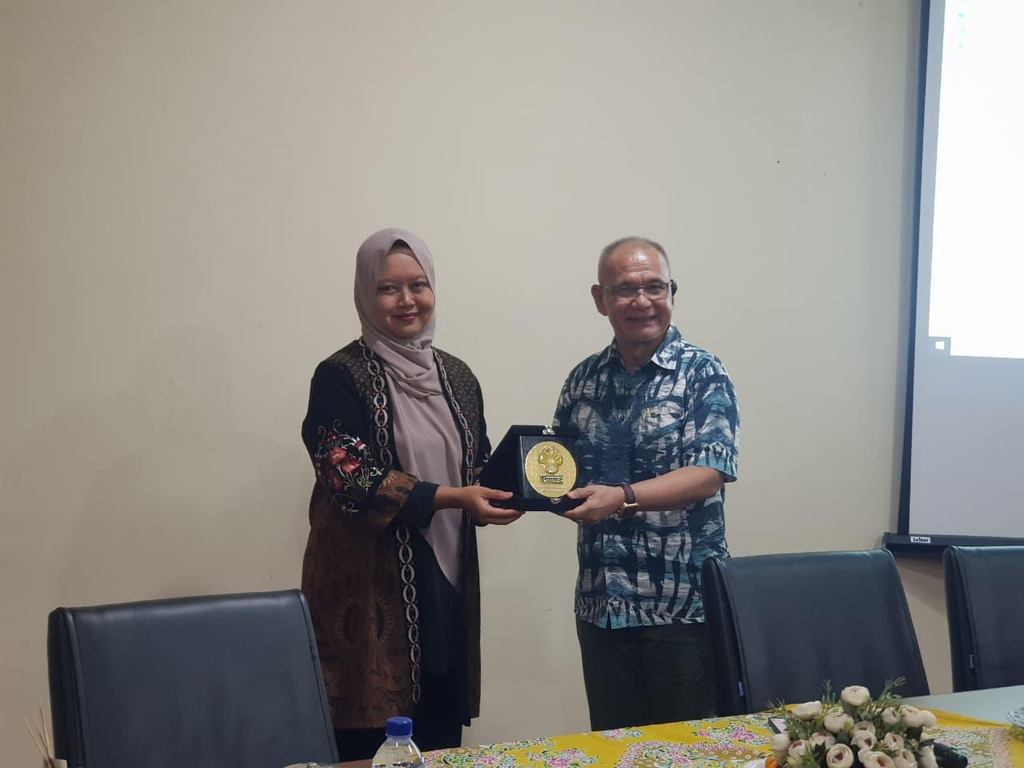
The series of events began with an official opening, followed by remarks from the leadership of the Faculty of Psychology, Universitas Negeri Padang (FPK UNP) and representatives from the Faculty of Psychology, Universitas Negeri Padang (FIPP UNNES). In the welcoming session, both parties emphasized the importance of synergy between Teacher Training Institutions (LPTK) in improving the quality of higher education, particularly in the field of psychology. Following the remarks, the event continued with the presentation of souvenirs to symbolize the strengthening of institutional cooperation.
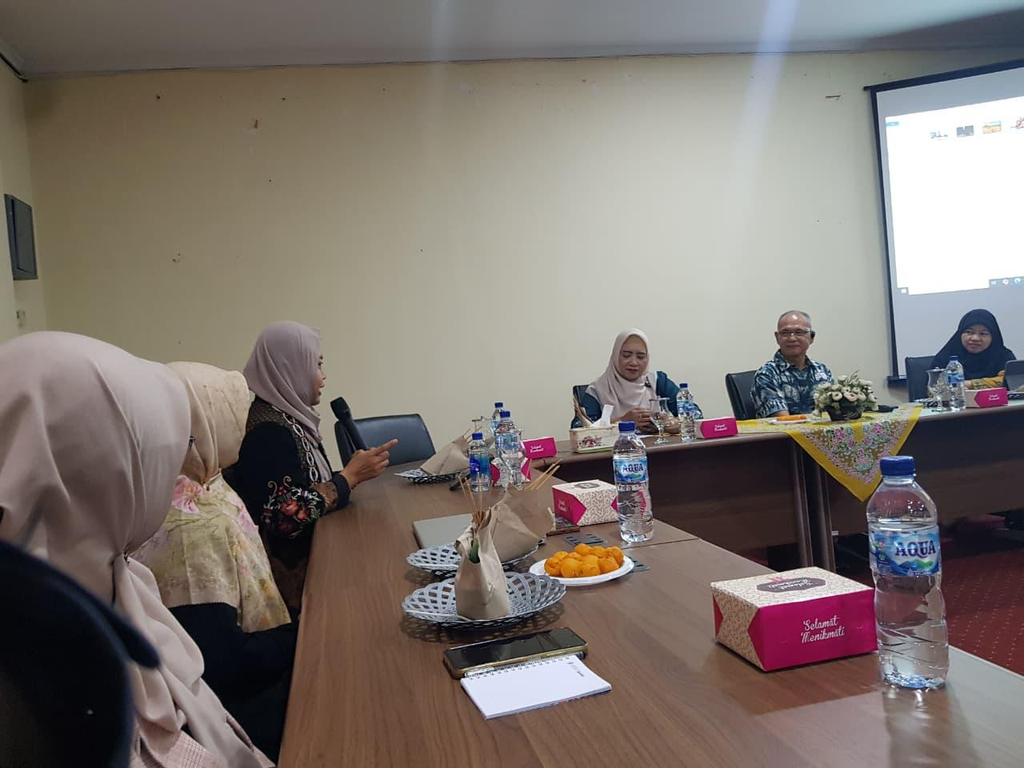
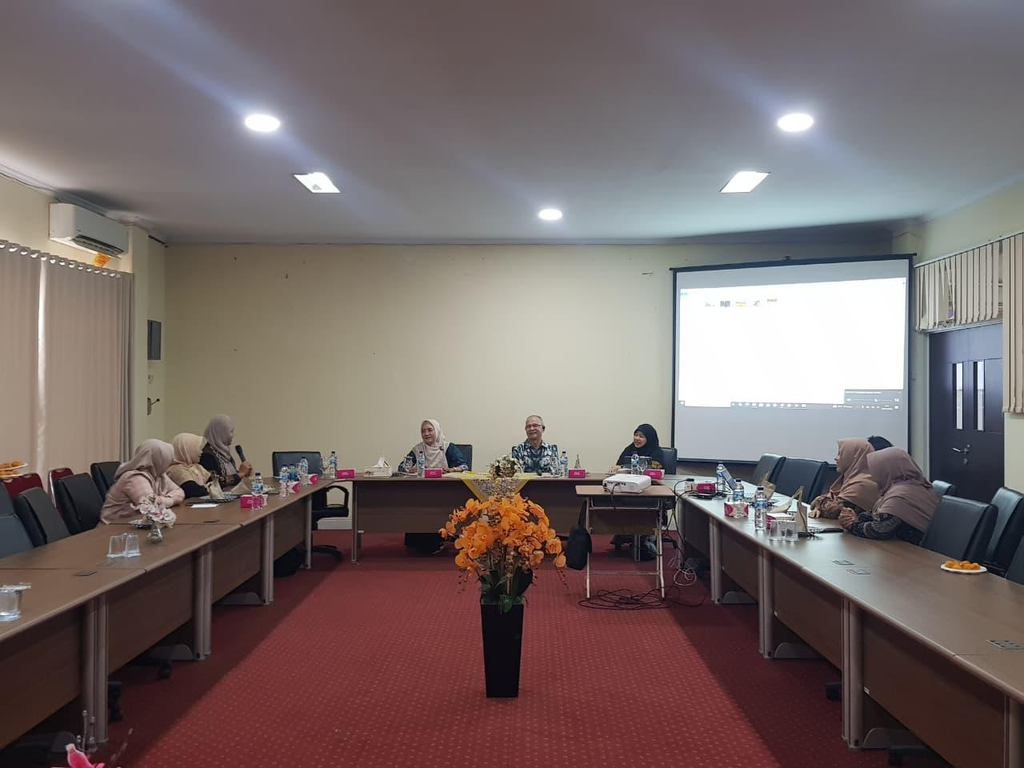
Entering the main session, the Faculty of Psychology and Public Health (FPK) of UNP presented a comprehensive profile of the UNP Master of Psychology Study Program, including its curriculum structure, human resource readiness, supporting infrastructure, and challenges in the accreditation process. The presentation was then followed by an interactive discussion and question-and-answer session between the UNNES proposal team and the management of the UNP Master of Psychology Study Program to examine the technical aspects of preparing the forms and the administrative requirements for proposing a new study program.
This benchmarking activity aligns with UNNES’s commitment to supporting the achievement of the Sustainable Development Goals (SDGs), particularly SDG 4 (Quality Education) by strengthening the quality of higher education, developing quality study programs, and increasing the capacity of academic resources. The development of the Master of Science in Psychology Study Program is expected to expand access to quality higher education and produce competent, innovative graduates who are able to contribute to the development of psychological science and solve various societal problems.
Furthermore, this activity supports SDG 17 (Partnerships to Achieve the Goals) by strengthening collaboration between universities in sharing knowledge, experiences, best practices, and institutional capacity building. The synergy between UNNES and UNP is expected to not only support the establishment of new study programs but also open up opportunities for sustainable collaboration in research, scientific publications, curriculum development, and human resource development.
The development of psychology is also relevant to SDG 3 (Healthy and Prosperous Life), particularly through strengthening scientific knowledge and professional competencies in understanding mental health, psychological well-being, and various aspects of human behavior. The Master of Science in Psychology program at UNNES is expected to contribute to the development of knowledge and scientifically based solutions for improving the psychological well-being of the community.
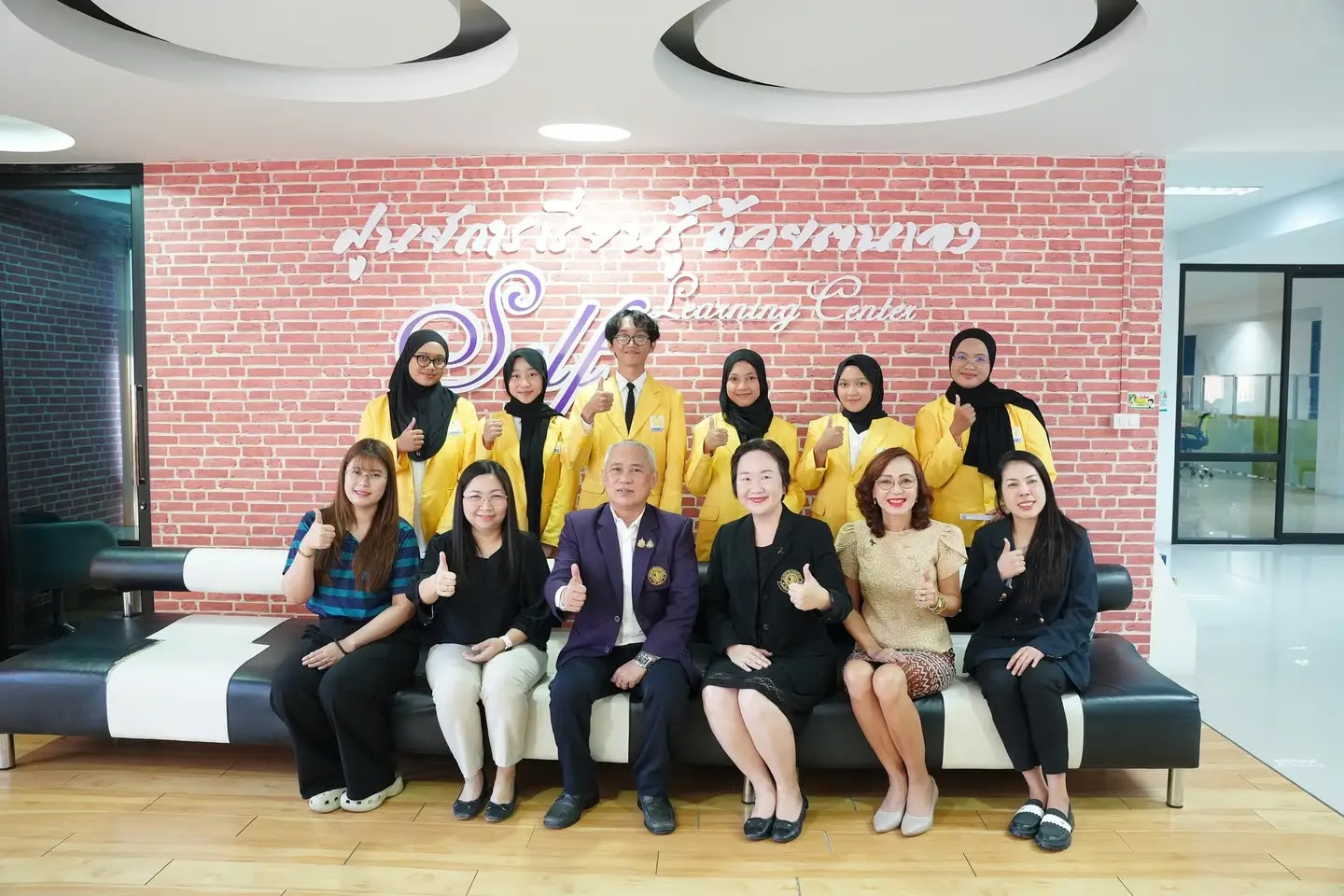
The benchmarking session concluded with a group photo session. Through this visit, the FIPP UNNES proposal team is expected to gain comprehensive and applicable references to accelerate the opening of the Master of Science Psychology Study Program at UNNES, while also strengthening the institution’s contribution to achieving the SDGs through quality education, academic partnerships, and community welfare development.