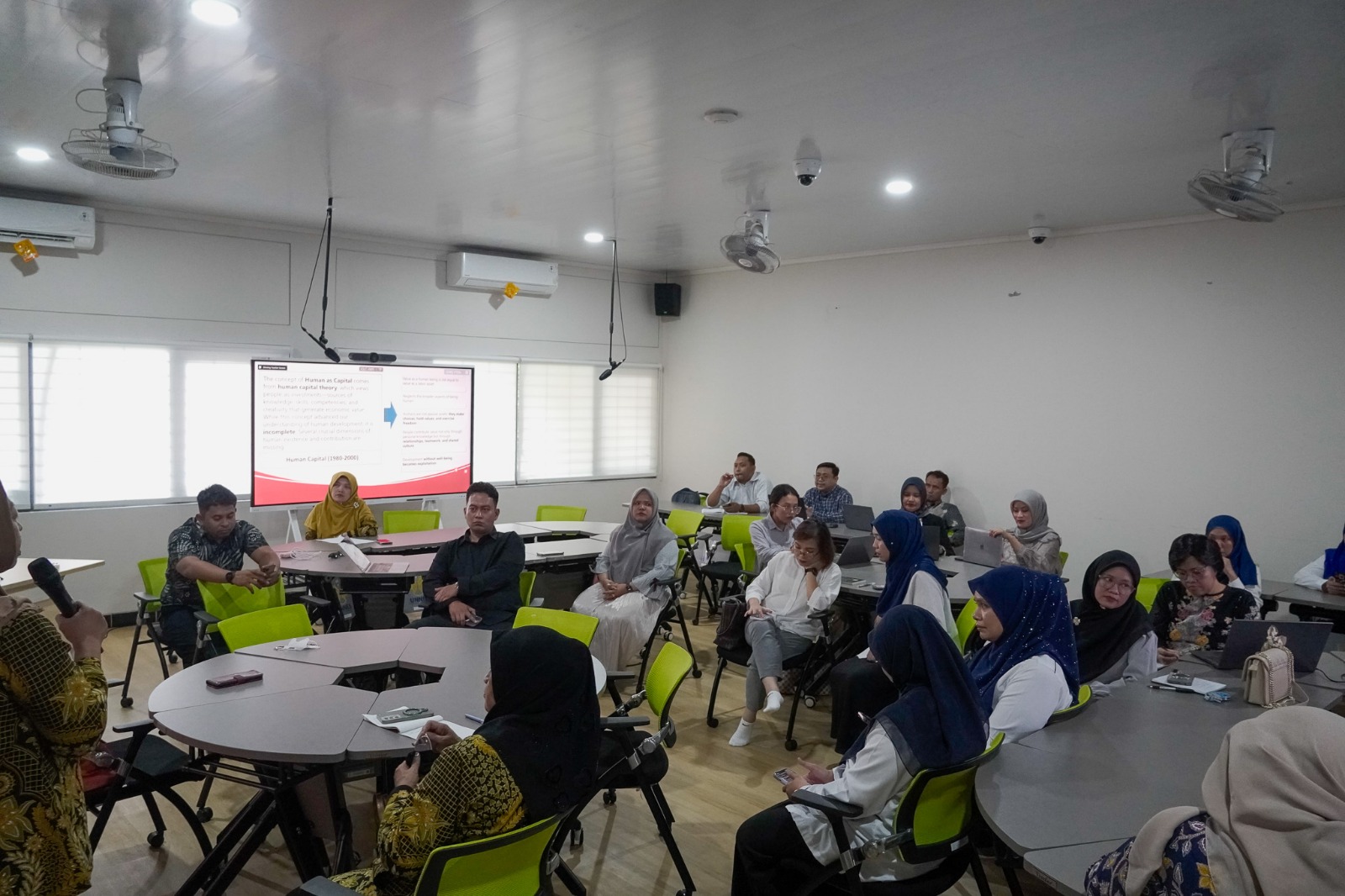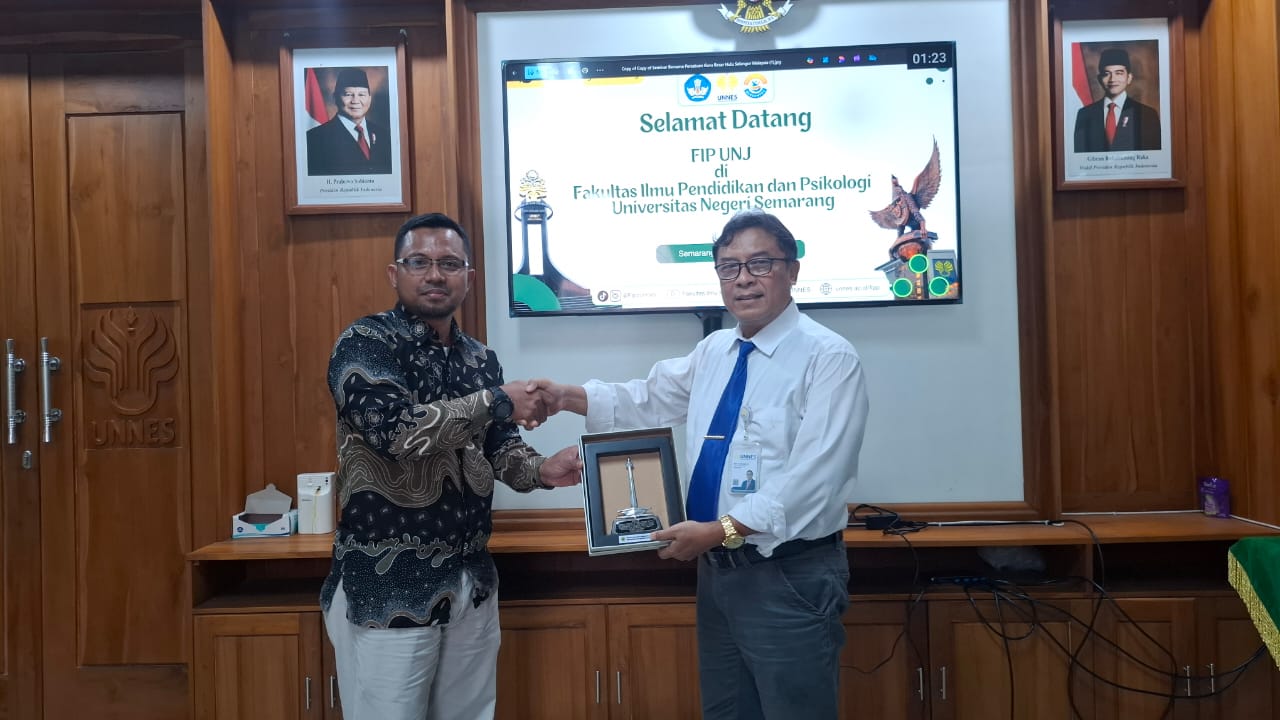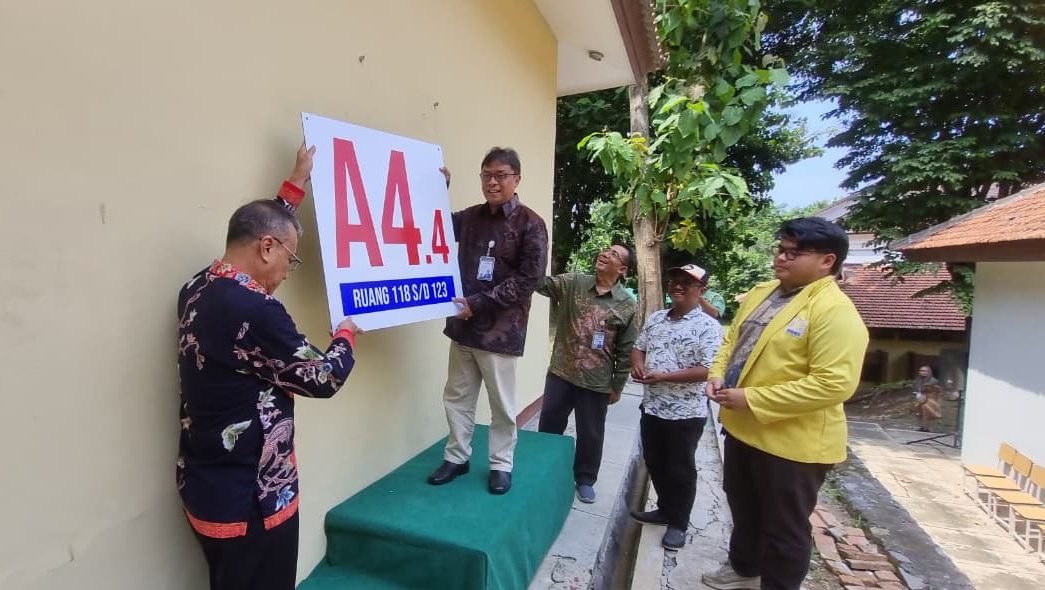


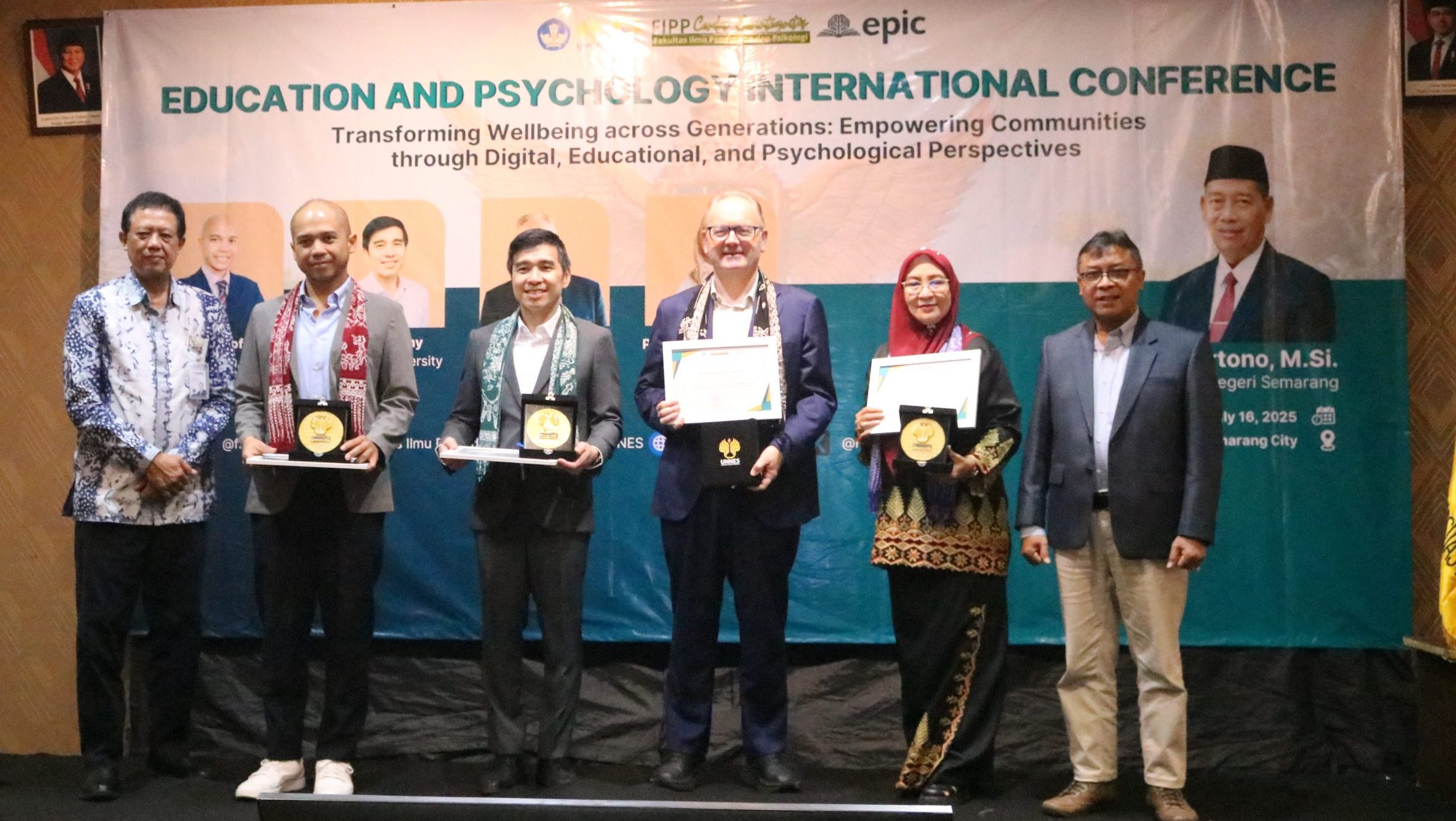
Isu krusial tentang kesejahteraan lintas generasi menjadi sorotan utama dalam gelaran Education and Psychology International Conference (EPIC) 2025 di Hotel Grasia Semarang, Rabu, 16 Juli 2025. Konferensi internasional perdana tersebut diinisiasi Fakultas Ilmu Pendidikan dan Psikologi (FIPP) Universitas Negeri Semarang (UNNES).
Sekretaris UNNES, Prof. Dr. Sugianto, M.Si., secara resmi membuka EPIC 2025 yang mengusung tema “Transforming Wellbeing across Generations: Empowering Communities through Digital, Educational, and Psychological Perspectives.”
Ketua panitia, Dr. Decky Avrilianda, S.Pd., M.Pd., menjelaskan bahwa konferensi ini digelar secara hibrida, memungkinkan partisipasi luas dari para pakar. Ia menyebut, 141 peneliti dari berbagai perguruan tinggi turut serta. Mereka membahas bagaimana perspektif digital, pendidikan, dan psikologi dapat menjadi kunci pemberdayaan masyarakat dan peningkatan kesejahteraan.
Topik tersebut, kata Decky, dalam rangka mendukung Sustainable Development Goals (SDGs), utamanya poin 3 tentang kesehatan dan kesejahteraan dan poin 4 tentang pendidikan berkualitas.
Dekan FIPP UNNES, Prof. Edy Purwanto, M.Si., dalam sambutannya menekankan relevansi topik kesejahteraan, terutama di tengah maraknya fenomena bunuh diri di kalangan pelajar. “Saya harap konferensi ini bisa jadi ajang berbagi pengetahuan dan meningkatkan skill dalam mempromosikan wellbeing,” ujarnya.
EPIC 2025 menghadirkan empat narasumber terkemuka yang berbagi wawasan dan riset terbaru mereka. Assoc. Prof. dr. Rizki Edmi Edison, Ph.D. dari Universiti Brunei Darussalam, menyoroti “The Neuroscience of Leadership in Nurturing Generational Well-Being.” Ia mengemukakan bahwa neuroleadership, yang berdasar pada otak dan perilaku, adalah seni menggerakkan orang menuju tujuan, inovasi, dan kemajuan.
Dokter Edmi juga memaparkan kerangka kerja yang menghubungkan aspek kepemimpinan, fungsi kognisi, pemetaan otak (EEG), dan neurofeedback, menekankan perlunya pendekatan bebas bias dalam memahami perilaku manusia. Risetnya tentang “Faking Good Among Porn-Addicted Adolescents” juga menyoroti peran Frontal Lobe dan Limbic System.
Sementara itu, Dr. Felix Why, Dosen Senior di Worcester University, mempresentasikan “Sistem 1 untuk Perubahan Perilaku Kesehatan.” Ia menjelaskan perbedaan antara jalur perubahan perilaku Sistem 1 (tidak sadar, otomatis) dan Sistem 2 (sadar, terkontrol). Intervensi “nudge” yang memanfaatkan Sistem 1, seperti penempatan pilihan sehat yang lebih mudah dijangkau atau opsi default yang sehat, terbukti makin efektif dan penting, terutama di era media sosial dan fenomena Flynn Effect Terbalik (penurunan kecerdasan).
Prof. Lindsay Oades, dari The University of Melbourne, memperkenalkan konsep Literasi Kesejahteraan (Wellbeing Literacy). Ia mendefinisikannya sebagai kemampuan memahami dan menyusun bahasa kesejahteraan untuk menjaga atau meningkatkan kesejahteraan diri sendiri, orang lain, atau dunia. Model Kapabilitas Literasi Kesejahteraan yang ia kembangkan meliputi kosakata, pemahaman, komposisi, kesadaran konteks, dan intensionalitas untuk kesejahteraan. Penelitian awal menunjukkan bahwa literasi kesejahteraan merupakan konstruk yang berbeda dan memiliki varians unik.
Adapun Prof. Dr. Awalya, M.Pd., Kons., Guru Besar Manajemen Bimbingan dan Konseling UNNES, membahas kesejahteraan guru sebagai pusat keberhasilan kualitas pendidikan. Ia menyoroti temuan riset di 48 SMA di Jawa Tengah (2022-2024) yang menunjukkan kesejahteraan guru tidak secara langsung memengaruhi skor literasi dan numerasi siswa, namun memiliki efek tidak langsung melalui pengembangan karakter siswa. Selain itu, kesejahteraan guru berdampak langsung pada metode pengajaran, manajemen kelas, dan dukungan psikologis, menekankan pentingnya sistem pendukung dan program pengembangan profesional untuk guru.
Konferensi ini diharapkan menjadi landasan penting bagi pengembangan strategi dan kebijakan untuk meningkatkan kesejahteraan di berbagai lapisan masyarakat, dengan mempertimbangkan dinamika lintas generasi di era digital.