Universitas Negeri Semarang > Sustainable Development Goals Universitas Negeri Semarang > News > News > UNNES’s Active Role in Policy Making and Community Empowerment to Reduce Poverty

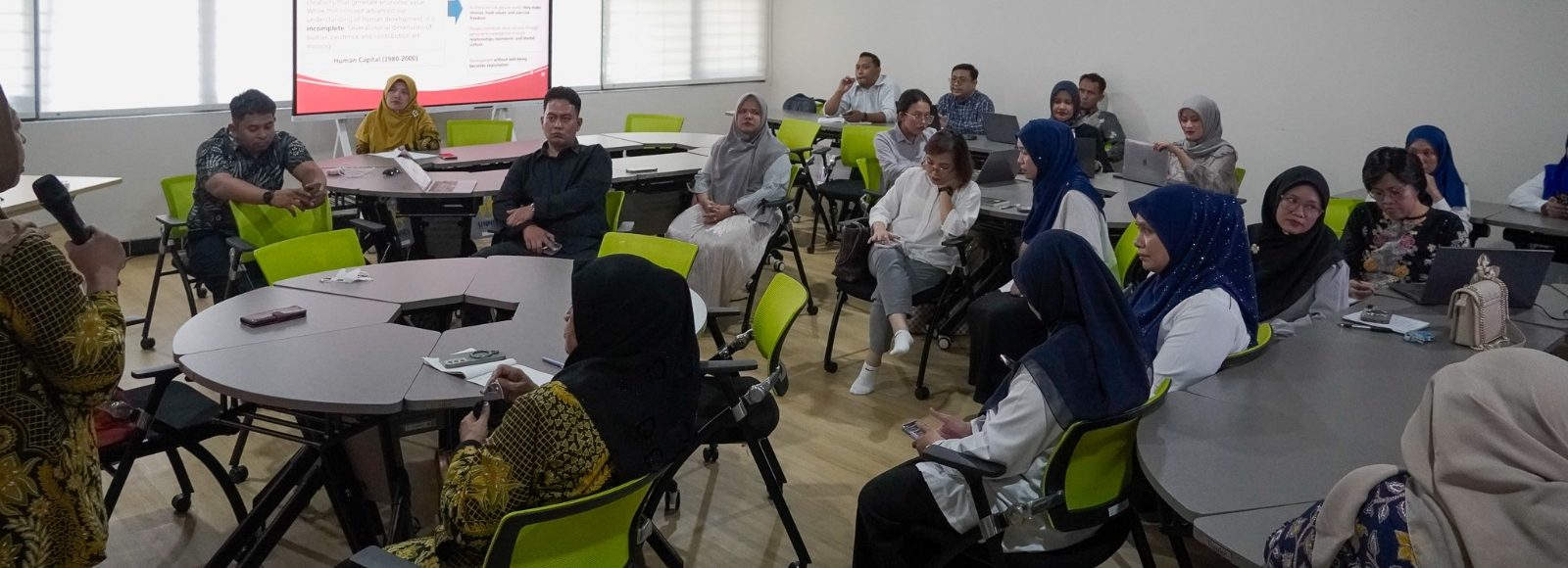
UNNES played an active role in drafting the Master Plan and Roadmap for Regional Science and Technology Advancement (RIPJPID) of Magelang City 2025–2029 as an academic partner to the city government. Through its experts and researchers, UNNES contributed scientific studies, policy analysis, and evidence-based recommendations to implement programmes and policies to end poverty in all its dimensions. Through these partnerships, UNNES demonstrates its dual role as an academic institution and strategic policy partner, contributing to both the formulation and implementation of local and national poverty-reduction programs. This synergy reinforces UNNES’s mission as a Conservation University committed to empowering communities, reducing inequality, and fostering inclusive, sustainable development throughout Indonesia.

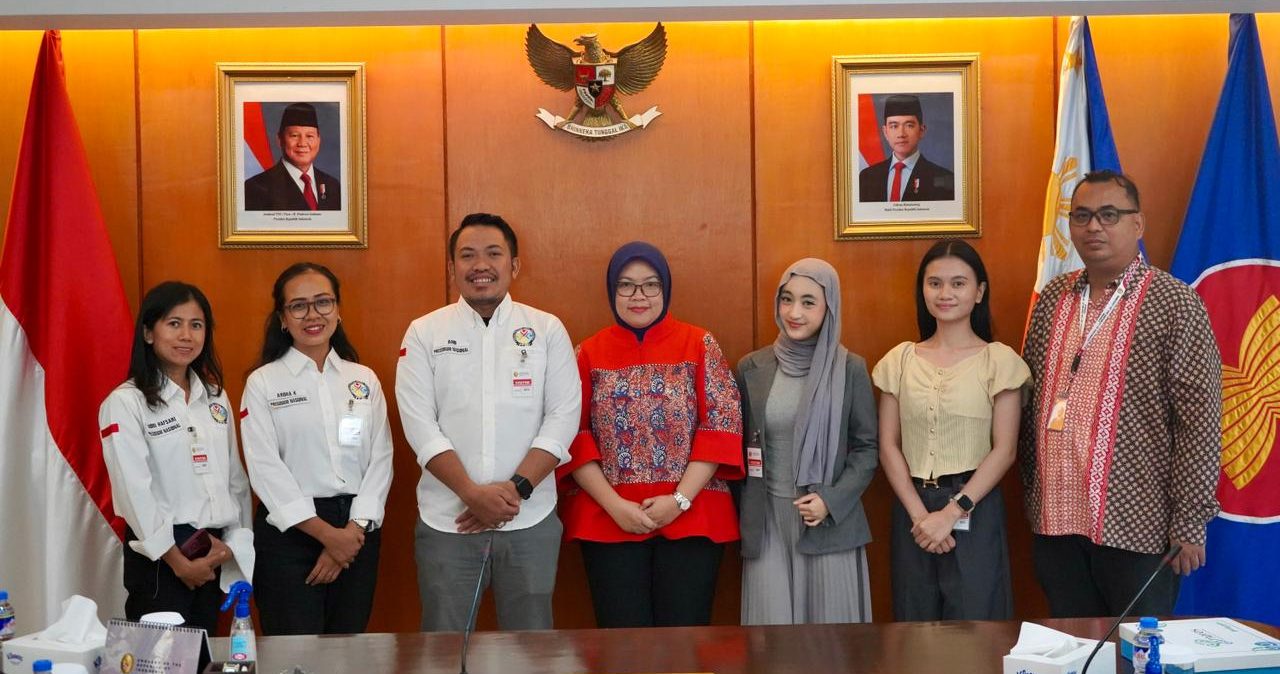
UNNES implemented in collaboration with five key partners in UNNES GIAT Community Service Program (KKN) Batch 9 : the Agency for Pancasila Ideology Development (BPIP), the Central Java Provincial Office of the National Population and Family Planning Agency (BKKBN), the Central Java Provincial Office of Housing and Settlement Areas (Disperakim), the Central Java Provincial Food Security Office, and local governments at regency and city levels. Together, these institutions formulate and execute joint programs focusing on livable housing, food security, population data updating, and the promotion of healthy and sustainable communities.
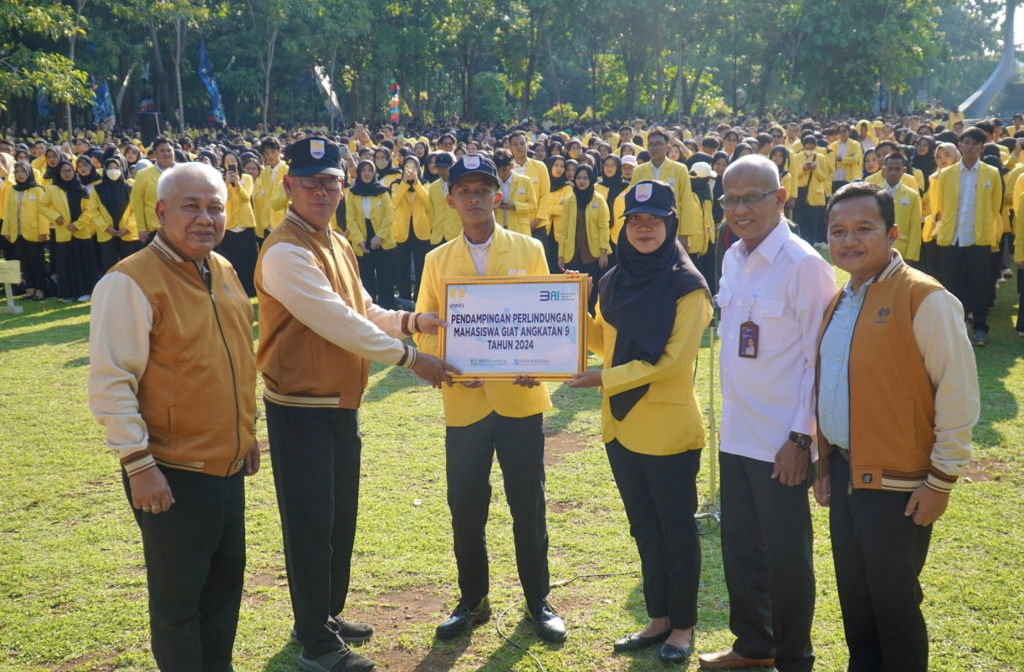
Universitas Negeri Semarang (UNNES) continues to play an active role in supporting government initiatives to reduce poverty and promote sustainable community development through policy collaboration and on-the-ground implementation. This commitment is reflected in the launch of UNNES GIAT Community Service Program (KKN) Batch 9, officially deployed on 20 June 2024 from the UNNES Rectorate Field.

A total of 4,415 students were sent to 383 villages across 25 regencies/cities in Central Java to assist local governments in accelerating regional development and addressing social and economic challenges. The program is part of UNNES’s integrated strategy aligning higher education with national poverty-reduction and community-welfare policies.

In this initiative, UNNES provides all participating students with health insurance through cooperation with Bimantoro Agency, ensuring their safety and well-being during the service period. UNNES Rector Prof. Dr. S. Martono, M.Si. emphasized that this program represents a tangible embodiment of the Merdeka Belajar – Kampus Merdeka (MBKM) policy, where students directly apply academic knowledge to help solve real-world problems faced by communities.

“Through KKN, students not only learn from society but also contribute to solving local issues, promoting empowerment, and improving the quality of life in villages,” said Prof. Martono.

Beyond the KKN GIAT program, UNNES collaborates on several strategic initiatives that align with government poverty-alleviation agendas:

  • With the Central Java Provincial Government, UNNES supports regional sustainable development programs focusing on housing, environment, and education.
  • With the Semarang City Government, UNNES contributes to the ‘Gardu Kempling’ Program, an integrated urban movement in health, economy, education, infrastructure, and environment.
  • At the national level, in cooperation with the Ministry of Social Affairs, UNNES is among 19 teacher-training universities (LPTK) developing parenting modules and disability-management programs for disadvantaged and remote areas.
Related Posts

Leave a Reply

* Kode Akses Komentar:

* Tuliskan kode akses komentar diatas:

GDPR

  • Privacy Policy

Privacy Policy

At unnes.ac.id, the privacy of our visitors is of extreme importance to us. This privacy policy document outlines the types of personal information that is received and collected by unnes.ac.id and how it is used.

Log Files

Like many other Web sites, unnes.ac.id makes use of log files. The information inside the log files includes internet protocol (IP) addresses, type of browser, Internet Service Provider (ISP), date/time stamp, referring/exit pages, and number of clicks to analyze trends, administer the site, track user’s movement around the site, and gather demographic information. IP addresses and other such information are not linked to any information that is personally identifiable.

Cookies

unnes.ac.id uses cookies to store information about visitors’ preferences, to record user-specific information on which pages the site visitor accesses or visits, and to personalize or customize our web page content based upon visitors’ browser type or other information that the visitor sends via their browser.

Third-party ad servers or ad networks use technology in their respective advertisements and links that appear on unnes.ac.id and which are sent directly to your browser. They automatically receive your IP address when this occurs. Other technologies (such as cookies, JavaScript, or Web Beacons) may also be used by our site’s third-party ad networks to measure the effectiveness of their advertising campaigns and/or to personalize the advertising content that you see on the site.

unnes.ac.id has no access to or control over these cookies that are used by third-party advertisers.

You should consult the respective privacy policies of these third-party ad servers for more detailed information on their practices as well as for instructions about how to opt-out of certain practices. unnes.ac.id’s privacy policy does not apply to, and we cannot control the activities of, such other advertisers or web sites.

If you wish to disable cookies, you may do so through your individual browser options. More detailed information about cookie management with specific web browsers can be found at the browsers’ respective websites.

Consent

By using our website, you hereby consent to our privacy policy and agree to its terms.

Update

This Privacy Policy was last updated on: 2023-02-14. Should we update, amend or make any changes to our privacy policy, those changes will be posted here.

Contact Us

If you have any questions, comments, or concerns about our Privacy Policy or our practices with regards to your personal information, please feel free to contact us through the contact form on our website or by emailing us at humas[at]mail.unnes.ac.id.

This Privacy Policy is intended as a general guide to our practices in collecting and using information. If there is any inconsistency between this Privacy Policy and the terms of the Service Agreement or any other terms that may apply to specific services you use, then those specific service terms shall apply.

Terms of Use

By using our website, you agree to abide by this Privacy Policy. If you do not agree with this Privacy Policy, please do not use our website. We reserve the right to update this Privacy Policy from time to time without prior notice. Please review our Privacy Policy periodically to check for changes. Your continued use of our website following the posting of changes to this Privacy Policy means that you accept the changes.

Thank you for reading our Privacy Policy. We are committed to protecting the privacy of our website visitors and will continue to update our Privacy Policy to ensure optimal protection.