

UNNES Sets Standards for Healthy and Sustainable Food Procurement
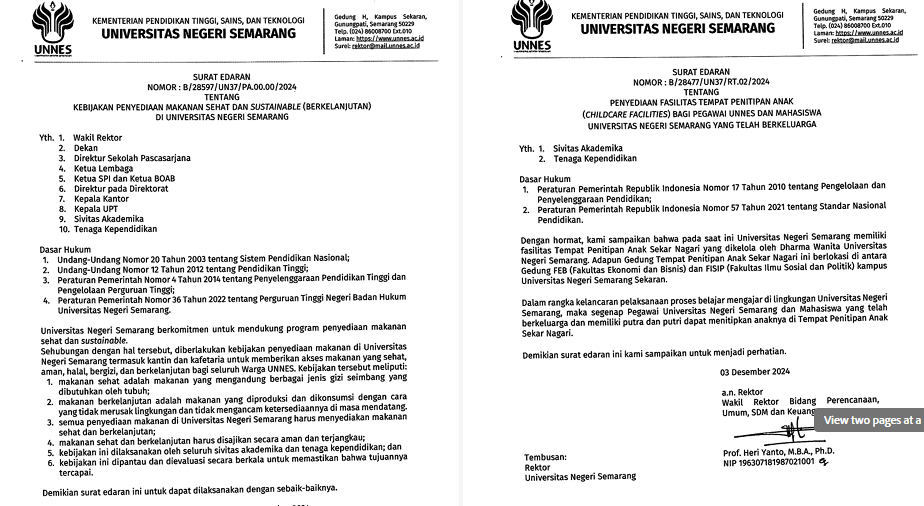
SEMARANG – Universitas Negeri Semarang (UNNES) has established policies to guide the provision of food on campus, with an emphasis on health, food safety, halal standards, nutrition, and environmental sustainability. Through Rector’s Circular Letter No. B/28597/UN37/PA.00.00/2024 on the Provision of Healthy and Sustainable Food, the university requires food provided within its environment, including in canteens and cafeterias, to meet these standards.
The circular defines sustainable food as food produced and consumed in ways that do not damage the environment or threaten future availability. It also requires food to be served safely and at affordable prices. The policy provides a basis for UNNES to consider not only the quality of food but also its wider impact on people and the environment.
Standards for Campus Food Providers
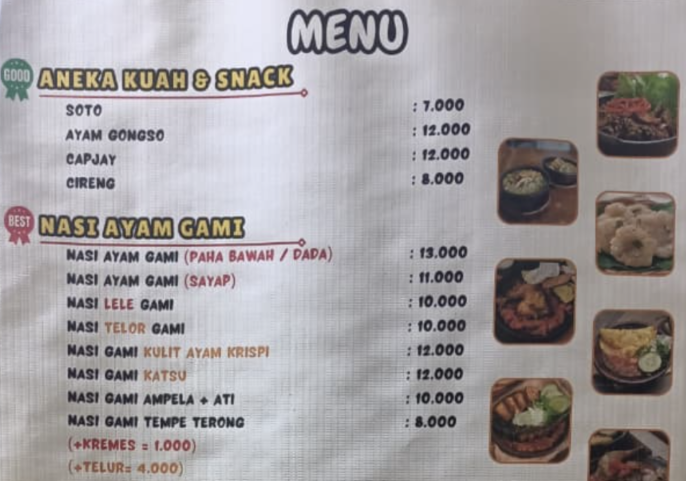
UNNES reinforces this approach through Circular Letter No. B/28400/UN37/RT.02/2024 on Healthy Canteens. The policy supports the provision of nutritious and balanced meals, hygienic food preparation, and the reduction of single-use plastics through more environmentally friendly packaging. It also encourages campus canteens to obtain official halal certification. These requirements provide guidance for food providers operating on campus.
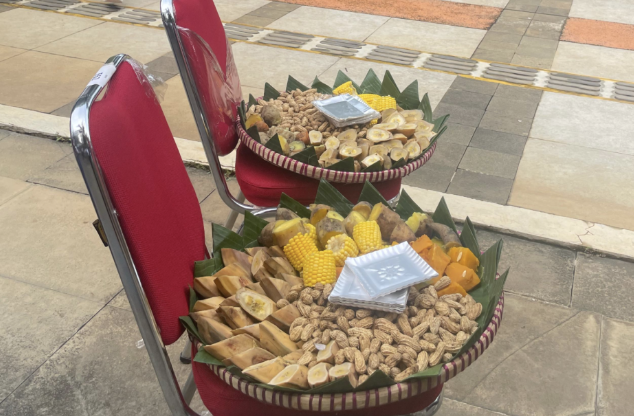
The university’s approach also connects food procurement with support for local producers. UNNES has published information on its policy of prioritizing local food products for meetings, seminars, and official activities, including ingredients such as cassava, corn, taro, and sweet potatoes. The initiative encourages cooperation with local micro, small, and medium enterprises (MSMEs), creating opportunities for local food producers to supply university activities.
Reducing the Environmental Impact of Food Supply
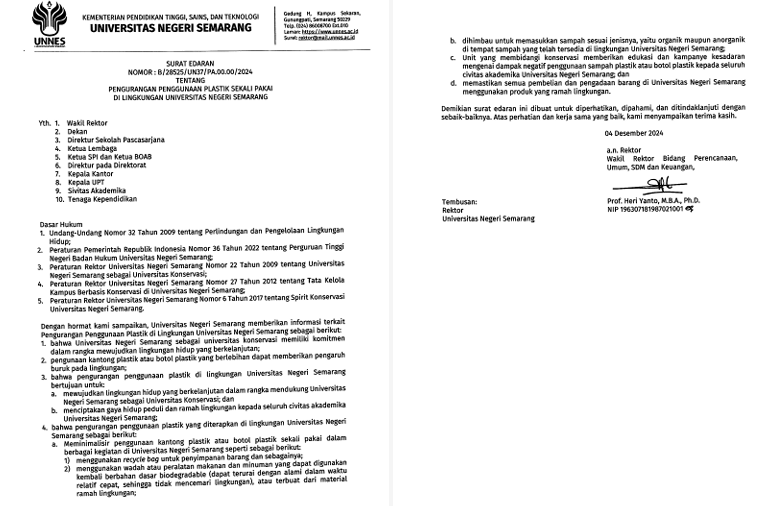
Food procurement is also connected to UNNES’s wider efforts to reduce waste. Circular Letter No. B/28525/UN37/PA.00.00/2024 on the Reduction of Single-Use Plastic within UNNES provides a broader policy basis for limiting disposable plastic products across campus activities. In the context of food provision, this supports the use of alternatives to disposable packaging where appropriate.
For food providers, these policies establish expectations that extend beyond supplying meals. Food must meet health and safety standards, while its sourcing, preparation, and packaging should support more responsible consumption. Environmentally preferable options, such as reusable containers or suitable plant-based packaging, can help support these aims when practical and appropriate for food safety.
Monitoring Implementation
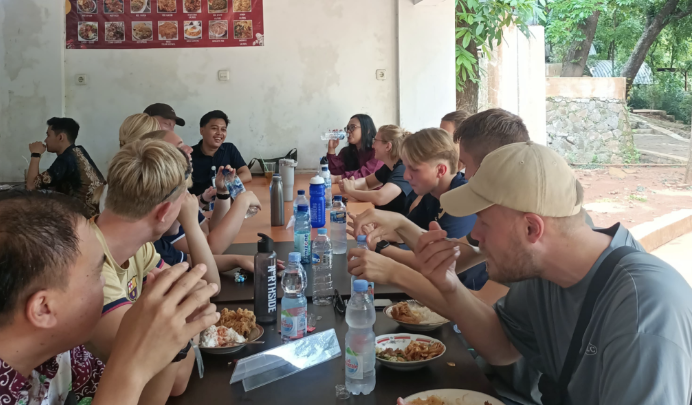
undergo regular inspections by the Health and Food Safety Team under the Student Affairs Office. The inspections are intended to check compliance with nutrition, hygiene, and sustainability standards. Organic food waste from canteens is also collected for processing at the Integrated Waste Management Center (TPST), where it can be turned into compost for the university’s eco-farm.
Together, these policies provide an institutional framework for responsible food provision at UNNES. By addressing food safety, nutrition, halal standards, local sourcing, and packaging, the university sets expectations for food services that serve its campus community while supporting its wider sustainability objectives.