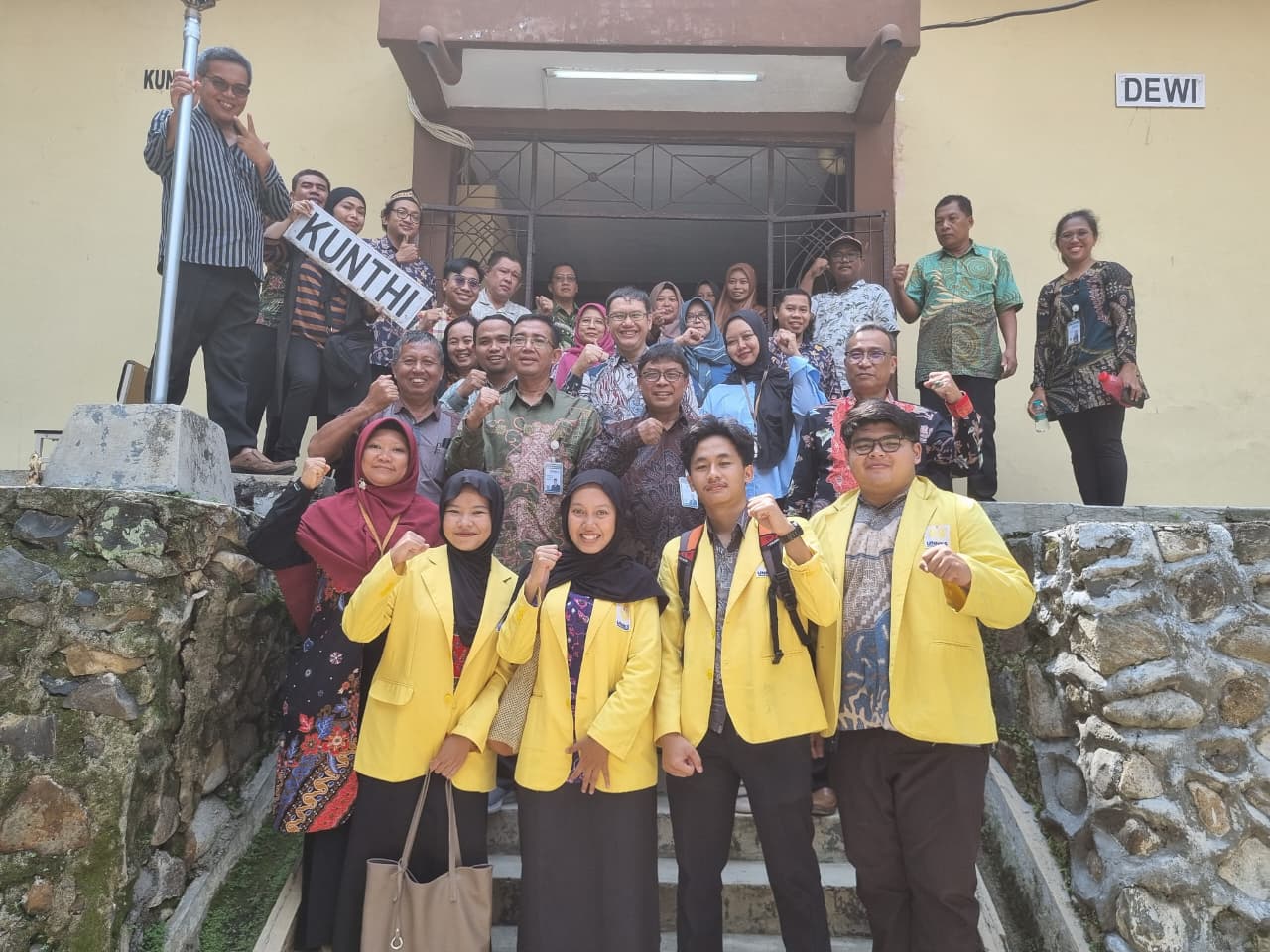
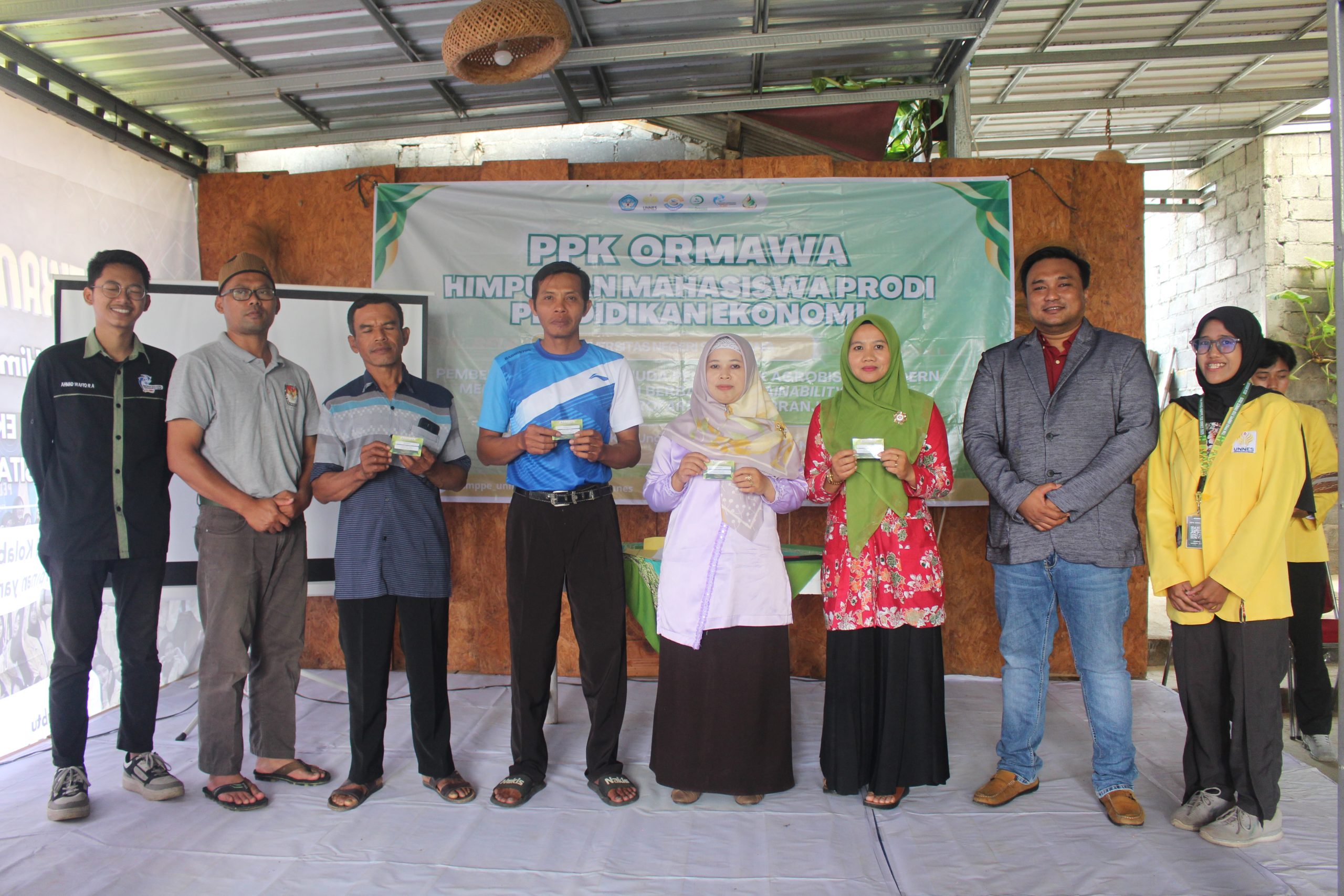
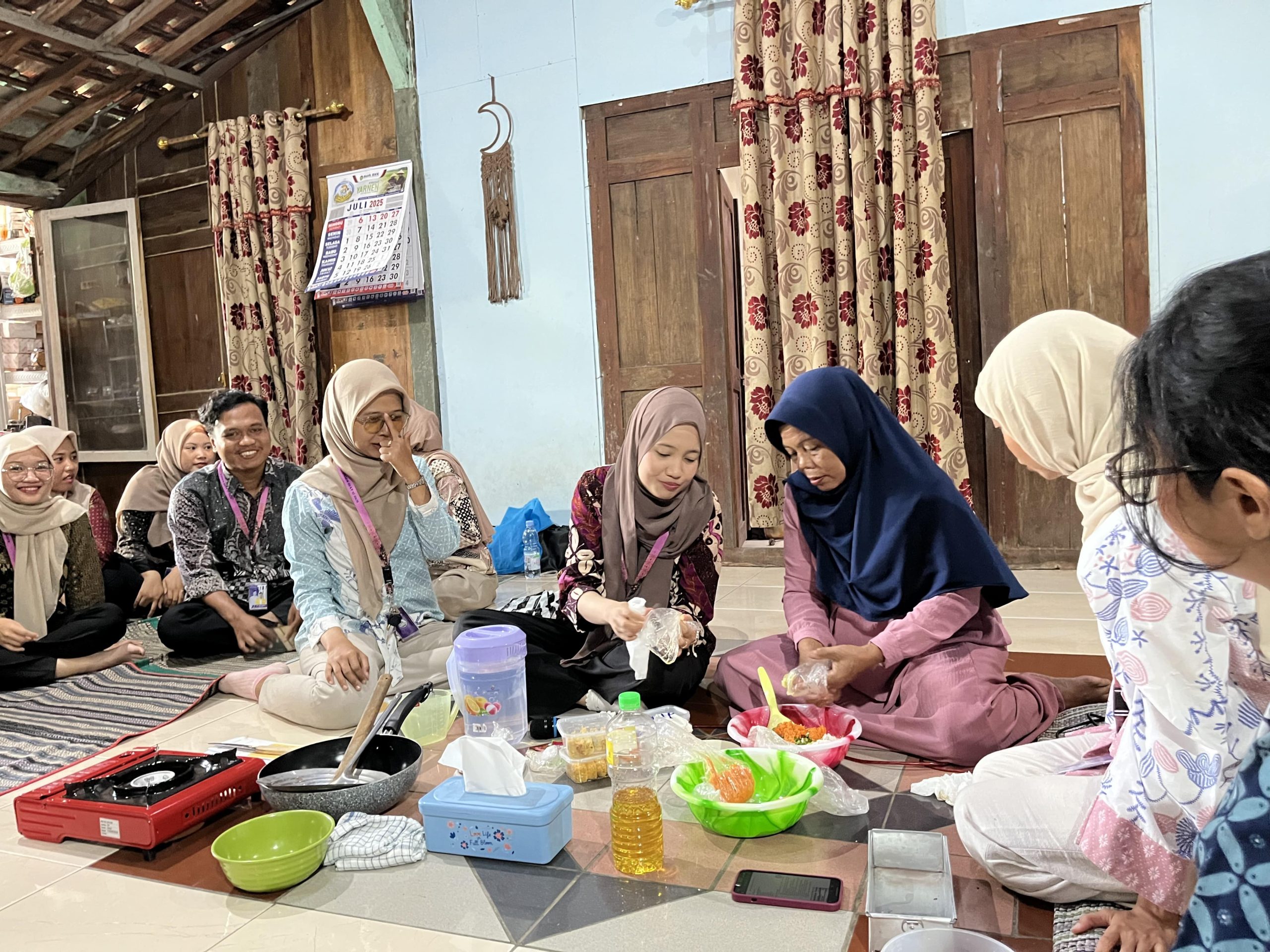
Universitas Negeri Semarang (UNNES) actively organizes events, workshops, and community empowerment programs to connect local farmers and food producers with academics, researchers, and industry experts for knowledge and technology transfer in sustainable agriculture, food processing, and nutrition.
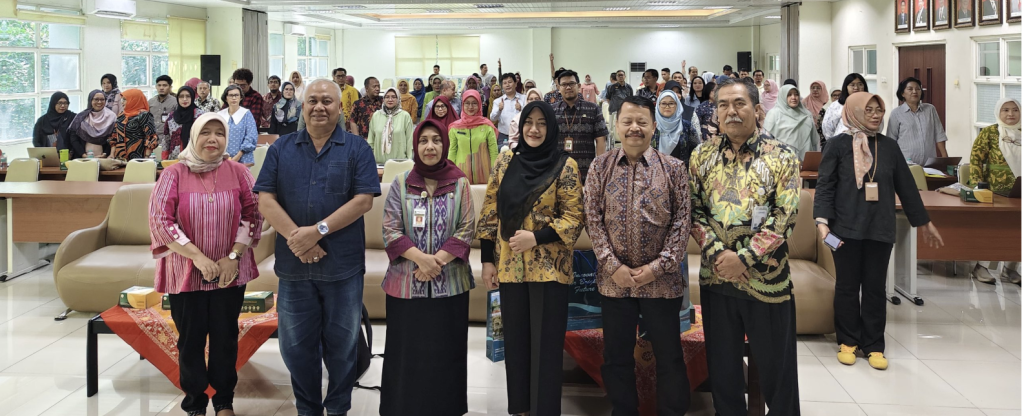
One major initiative was the Workshop on Collaboration Opportunities with Partners in Food, Nutrition, and Health, held on 15 July at the UNNES LPPM Building, attended by over 200 researchers and practitioners. The workshop aimed to strengthen synergy between academia and stakeholders to generate high-impact innovations supporting the Sustainable Development Goals (SDGs)—especially SDG 2 (Zero Hunger) and SDG 3 (Good Health and Well-being). Key speakers included Ir. Dyah Lukisari, M.Si. (Head of the Central Java Food Security Agency), Dr. Armunanto, MPH. (UNICEF Health Specialist), and dr. Ivo Devi Kristyani, Sp.B., who discussed food safety, human development, and community health, complemented by free health services for participants. This workshop became a strategic platform for building research partnerships that directly address food security and health challenges.
Beyond academic engagement, UNNES also supports community-based food innovation. Through the PKM-PM PasTel team, UNNES students from the Faculties of Engineering and Medicine conducted training in Demak Regency on producing gluten-free pasta from cantel seeds, empowering women’s groups (PKK) in Bulu Hamlet, Raji Village. The team, mentored by Prof. Dr. Wara Dyah Pita Rengga, S.T., M.T., applied fermentation and Heat Moisture Treatment (HMT) technologies to improve pasta quality and nutrition. They also donated essential equipment such as a moisture-sensing oven, seed grinder, and pasta extruder to support sustainable local food production and entrepreneurship.
In addition, UNNES provides ongoing educational access for local farmers and producers through community visits to the UNNES ECOFARM and food laboratories, coordinated by lecturers and students. These activities include outreach, workshops, and field training on topics such as organic farming, food safety, nutrition, and sustainable agriculture technologies. ECOFARM serves as a living laboratory where farmers can learn about eco-friendly practices and resource-efficient farming systems directly from academic experts.
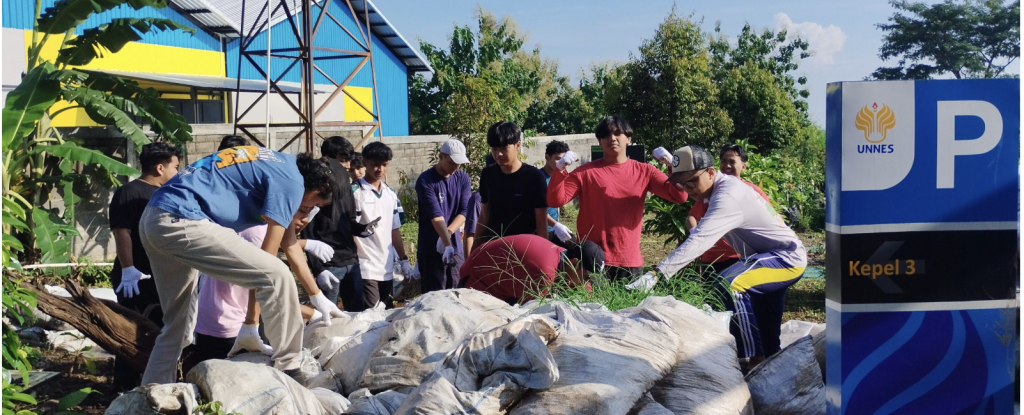
Through these integrated programs—linking scientific research, education, and local community empowerment—UNNES builds strong partnerships that enable continuous knowledge exchange, innovation, and sustainability in the food and agriculture sectors. These initiatives highlight UNNES’s leadership as The Conservation University, advancing national and local goals in food security, health, and sustainable development.