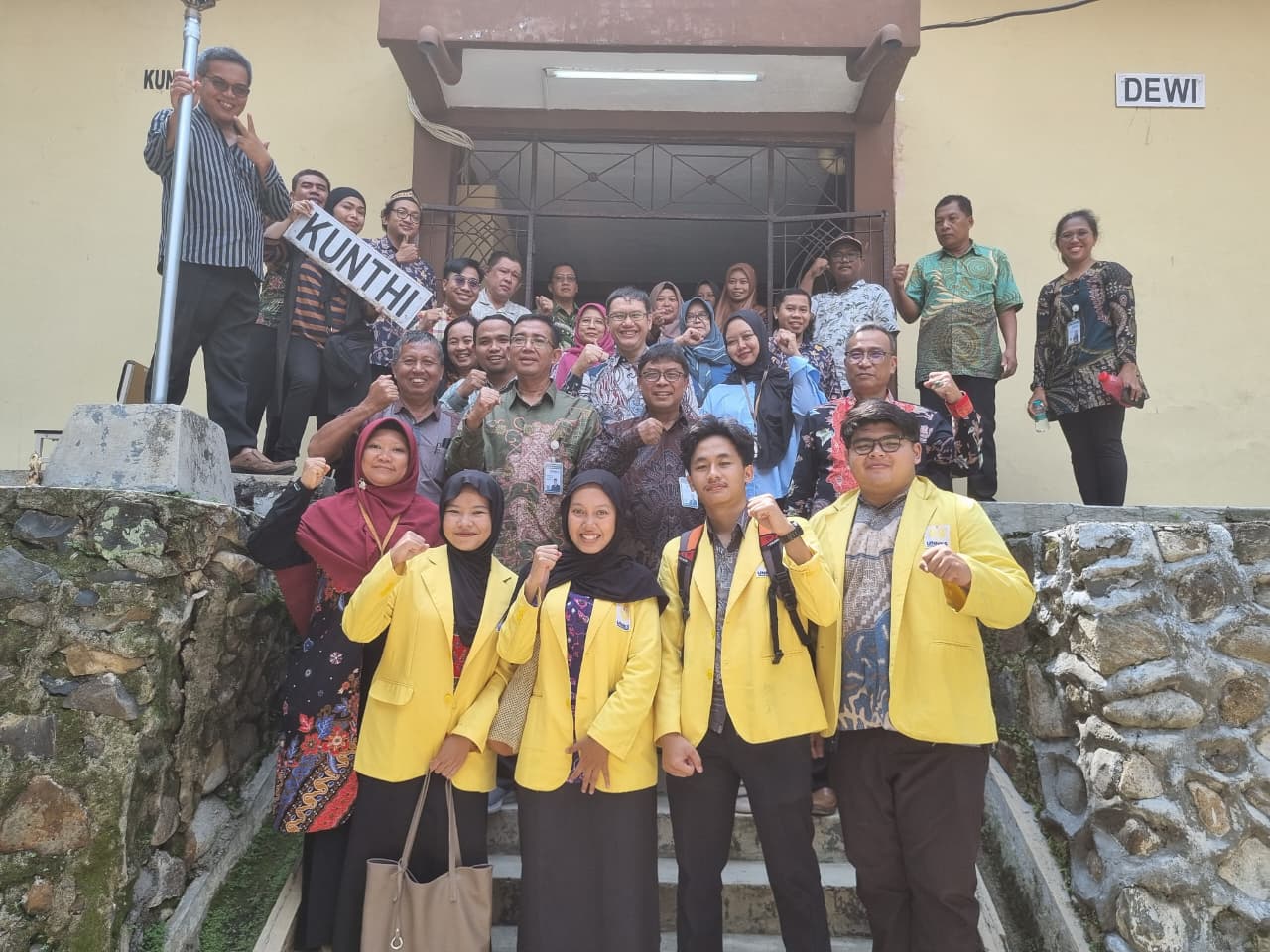
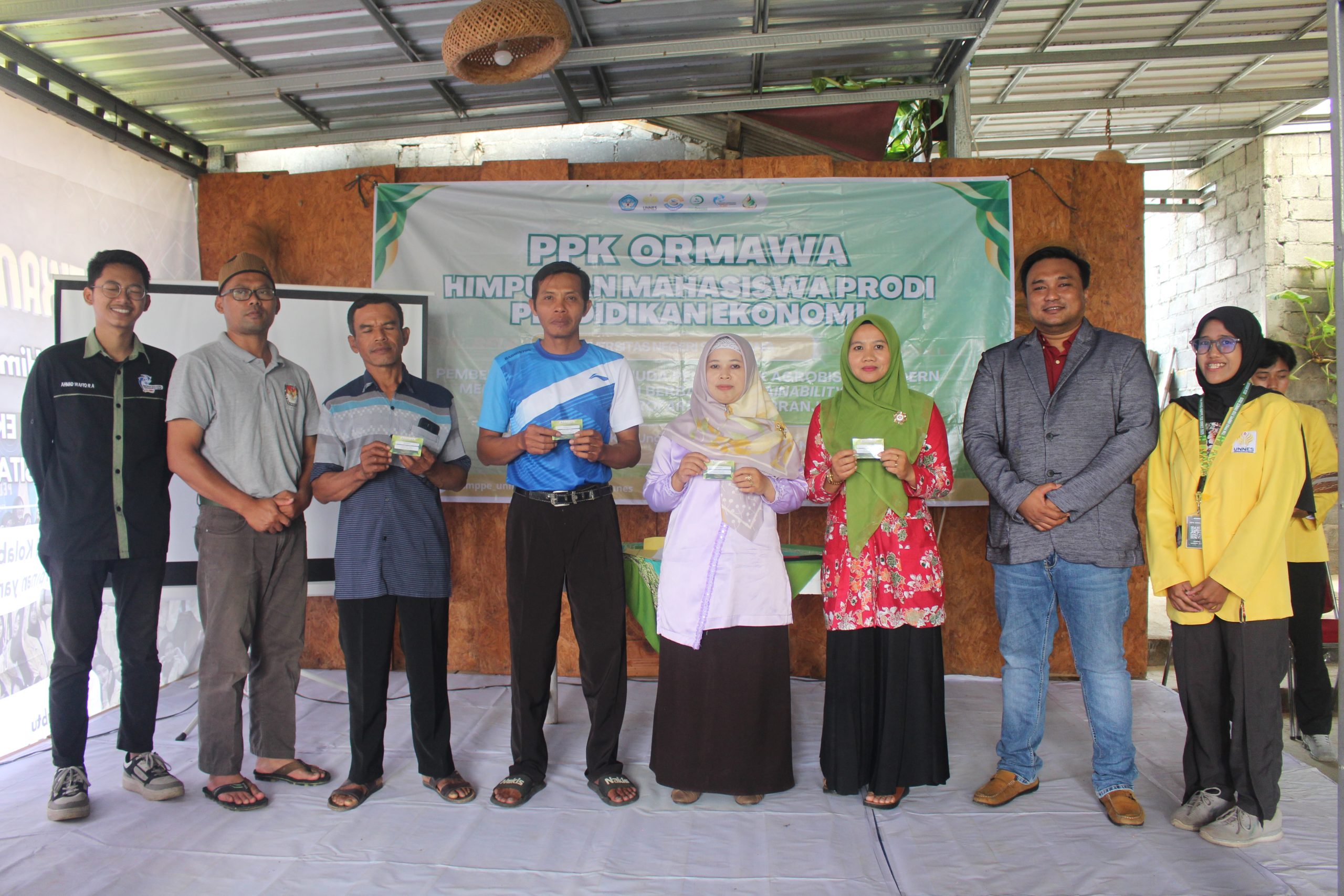
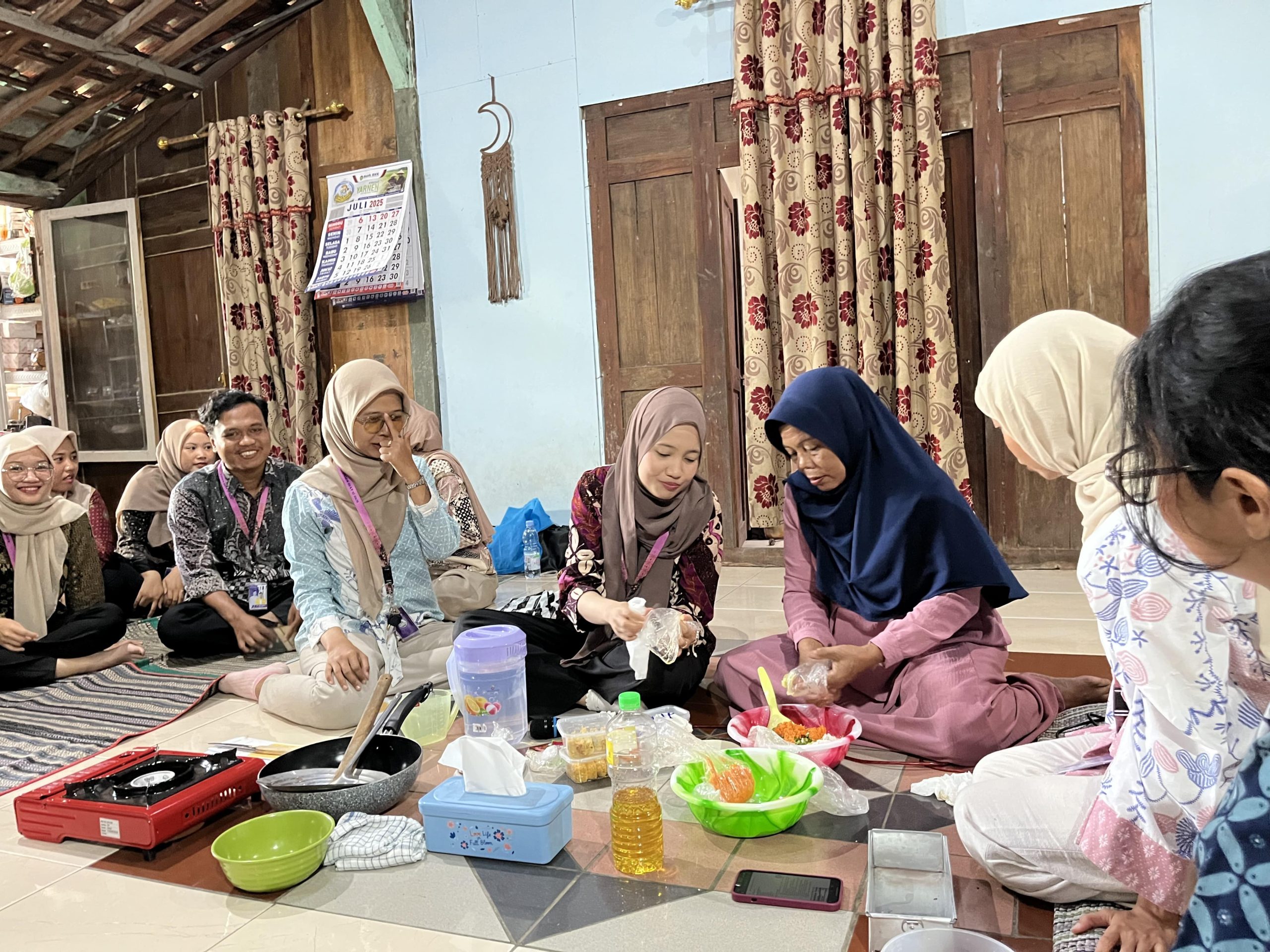
Universitas Negeri Semarang (UNNES) reinforces its dedication to conservation and sustainable development by actively providing access to agricultural knowledge, technology, and skills for local farmers and food producers. This initiative is formally regulated through Circular Letter No. B/28473/UN37/RT.02/2024 concerning the Utilization of Campus Facilities for Local Farmers in Sustainable Farming, which represents UNNES’s concrete step in implementing the Tri Dharma of Higher Education—education, research, and community service—while strengthening partnerships between academia and local communities.
The circular allows local farmers to use UNNES’s facilities—such as land, laboratories, and research infrastructure—under the coordination of the Subdirectorate of Conservation. The facilities are intended to support joint research, field training, and the development of sustainable agricultural systems in collaboration with students and researchers. UNNES also emphasizes good governance by setting clear procedures: local farmers must submit a formal proposal to the Rector outlining activity details, maintain environmental cleanliness and order, and ensure that activities do not disrupt academic operations. In certain cases, the utilization may also be initiated through official collaboration invitations from UNNES to local farmer groups.
According to Prof. Heri Yanto, M.B.A., Ph.D., Vice Rector for Planning, General Affairs, Human Resources, and Finance, “This policy not only promotes sustainable agricultural research but also provides direct benefits to society. Collaboration with local farmers allows UNNES to integrate scientific knowledge with practical experience, fostering an ecosystem of innovation and sustainability.” The initiative reflects UNNES’s strong alignment with the Sustainable Development Goals (SDGs), especially SDG 2 (Zero Hunger), SDG 12 (Responsible Consumption and Production), and SDG 15 (Life on Land), supporting food security, ecosystem health, and community welfare.
Beyond institutional policies, UNNES extends its agricultural innovation efforts to rural communities through student-based programs. One notable example is the UNNES GIAT 9 Community Service Program (KKN) in Tuwel Village, Tegal Regency, where students designed an innovative system called Tasonik (Taman Berbantuan Akuaponik)—a combination of hydroponic farming and aquaculture systems. This project was developed to address waste management challenges and promote sustainable food production at the village level.
After conducting two weeks of observation, the student team—guided by Drs. Akhmad Junaedi, M.Pd.—launched the Tasonik initiative by targeting local women’s religious groups (jamiyah) as key environmental ambassadors, recognizing their strong community influence in Tuwel Village. The project included training and workshops on waste sorting, composting, hydroponic vegetable cultivation, and aquaponic fish farming, alongside the distribution of seeds, fertilizers, and organic pesticides. These activities were supported by several government agencies, including the Tegal Regency Environmental Agency (DLH), the Department of Food Security and Agriculture, and the UPTD Plant Protection Office in Bojong Subdistrict.
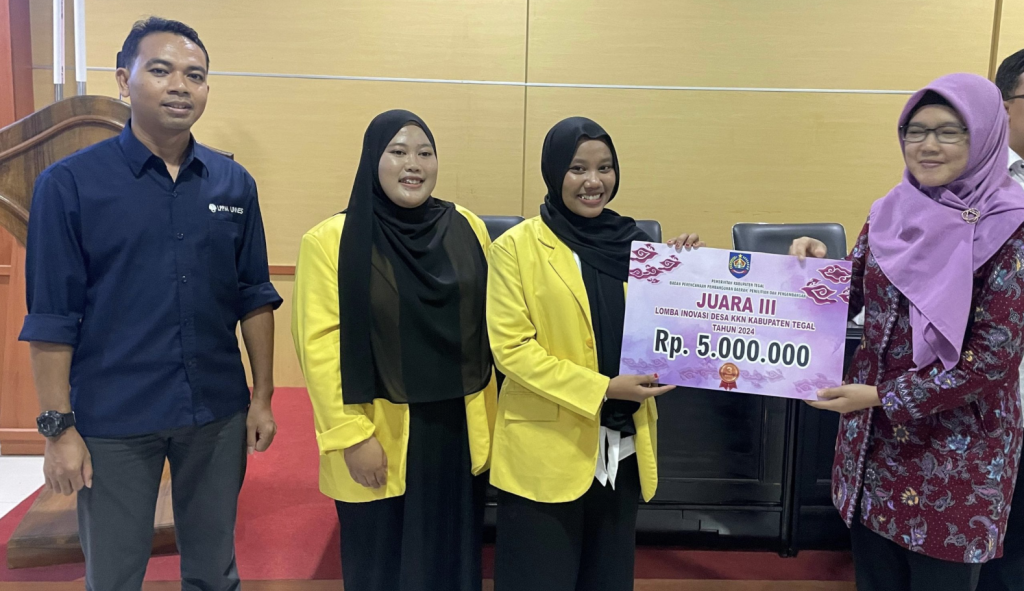
The Tasonik program gained significant community enthusiasm and earned third place in the Tegal Regency Village Innovation Competition, highlighting the program’s effectiveness in improving waste management and creating a greener, more self-sufficient village. A resident of Tuwel Village, Rita, noted that “through Tasonik, our village has become cleaner, greener, and more productive, while waste is now properly managed and reused.”
These combined initiatives—both at the institutional and grassroots levels—illustrate UNNES’s strong role in facilitating access to sustainable agriculture, aquaculture, and food security innovations. By empowering local farmers through access to campus research infrastructure, training, and student-led innovation, UNNES strengthens community resilience and supports environmentally responsible livelihoods.
Through these integrated actions, UNNES continues to lead as The Conservation University, ensuring that its academic and community engagement directly contributes to sustainable food systems, rural empowerment, and national climate adaptation goals—demonstrating higher education’s vital role in advancing the Green Economy and Sustainable Development Goals in Indonesia.