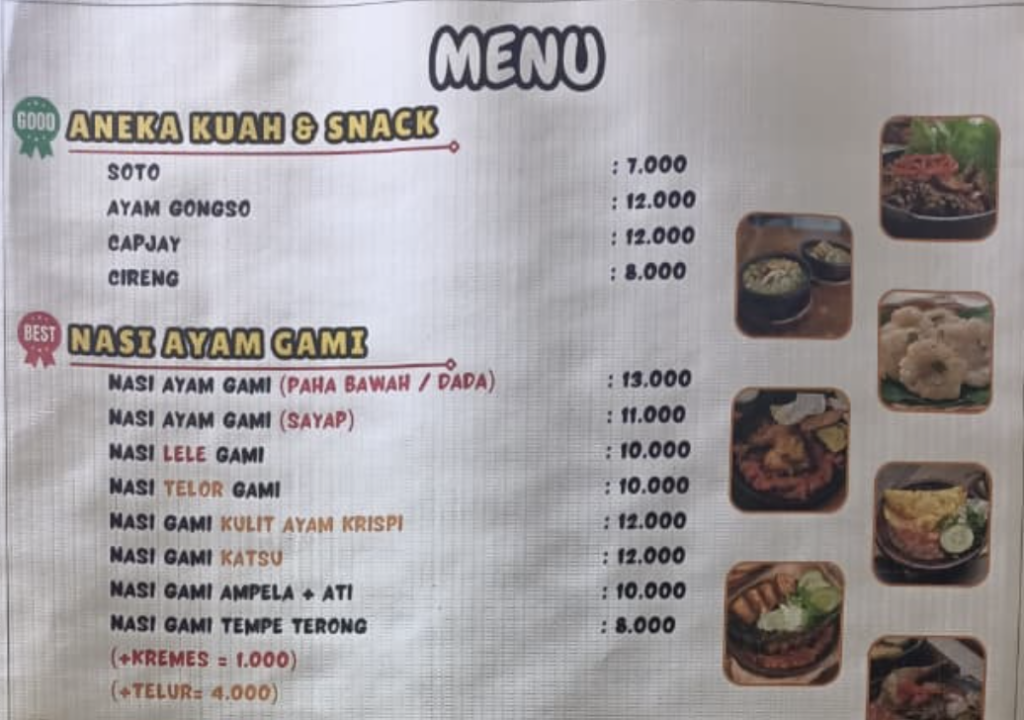
As part of its strong commitment to health, sustainability, and inclusivity, Universitas Negeri Semarang (UNNES) provides healthy and affordable food options for all students and staff through its network of campus canteens.Every canteen at UNNES offers balanced and nutrient-rich meals prepared with fresh, locally sourced ingredients. Popular menu items include soto, nasi pecel (rice with steamed vegetables and peanut sauce), gado-gado (vegetable salad with peanut dressing), sayur bayam (spinach soup), tumis kangkung (stir-fried water spinach), capcay (stir-fried mixed vegetables), and tofu and tempe dishes as healthy protein alternatives.
Meals are made accessible and affordable because all people should be able to get with prices ranging from IDR 8,000 to 15,000 (USD 0.50–0.90) per portion, making nutritious food affordable for everyone on campus.
To maintain health and safety standards, UNNES has issued two key policies:
- Clean Kitchen Policy – Based on Circular Letter No. B/28393/UN37/RT.02/2024, all university units must provide clean kitchen facilities for lecturers, staff, and students. Users are required to maintain hygiene, avoid strong-odor foods, and use the kitchen only during designated breaks to ensure order and comfort.
- Healthy Canteen Policy – Through Circular Letter No. B/28400/UN37/RT.02/2024, UNNES mandates all campus canteens to apply the Healthy Canteen Program, which emphasizes:
- Providing healthy, nutritious, and balanced meals, including vegetarian menus.
- Using fresh, high-quality ingredients with hygienic preparation.
- Reducing single-use plastics and applying eco-friendly packaging.
- Maintaining cleanliness and sanitation.
- Prioritizing halal-certified food, with encouragement for all canteens to obtain official certification.
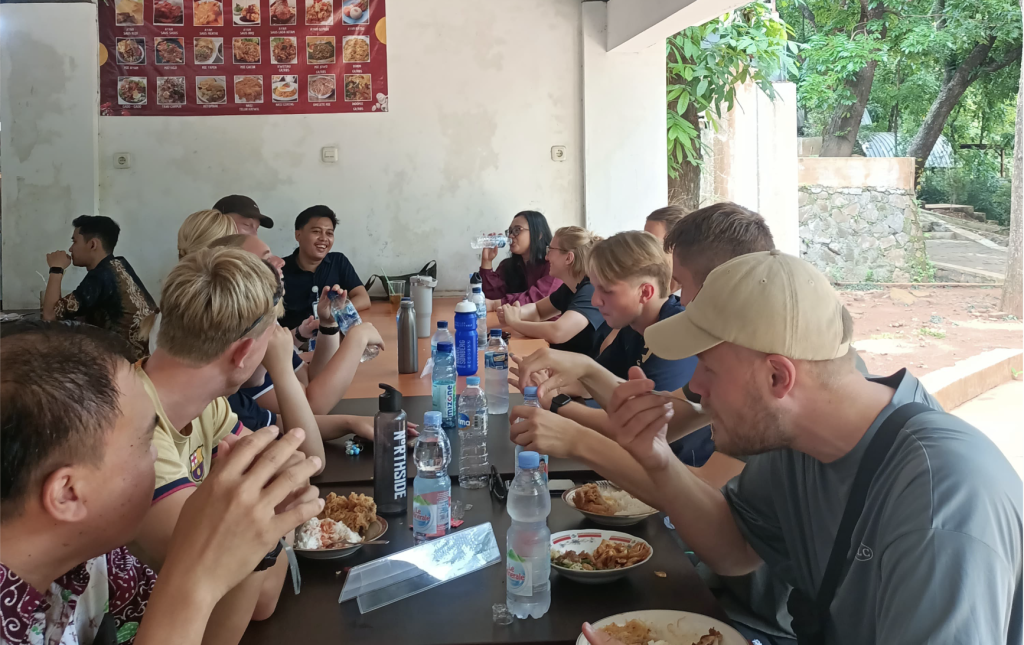
All canteens undergo regular inspections by the Health and Food Safety Team under the Student Affairs Office to ensure compliance with nutrition, hygiene, and sustainability standards. Leftover organic waste from canteens is collected daily and processed into compost at the Integrated Waste Management Center (TPST), which then supplies nutrients for the university’s eco-farm.Through these integrated systems — from organic farming to clean kitchens and affordable meals — UNNES ensures that every member of its community enjoys access to nutritious, affordable, and sustainable food, strengthening both individual well-being and environmental responsibility.