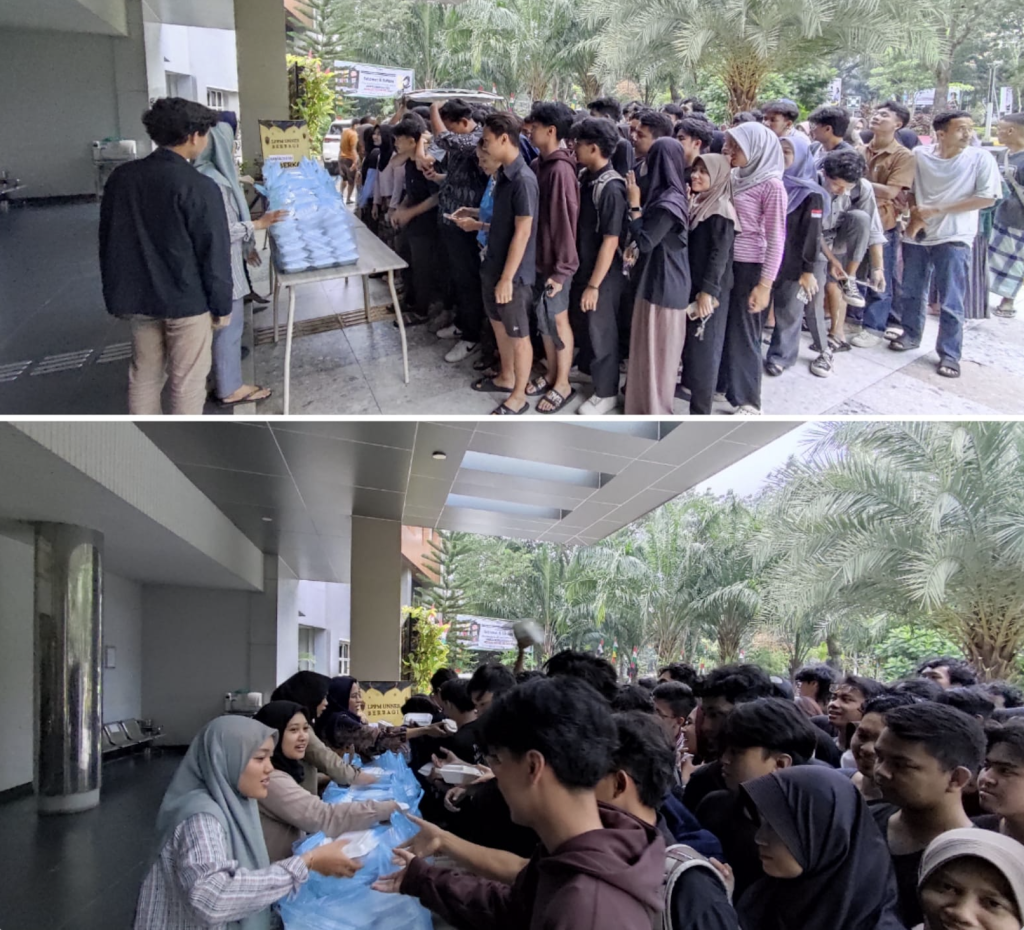
Demonstrating its commitment to achieving Sustainable Development Goal (SDG) 2: Zero Hunger, especially the target to end all forms of malnutrition, Universitas Negeri Semarang (UNNES) continues to run the “Jumat Berkah” (Blessed Friday) program — a weekly initiative that provides around 2,000 free, nutritious meals to students every week aproximately 72,00 portions in a year.
The program is coordinated by Rumah Amal UNNES, a university-based social philanthropy unit that channels donations from lecturers, staff, alumni, and external partners. The initiative operates through a decentralized system: each faculty and institutional unit distributes about 200 meal portions every Friday to ensure even coverage across all departments and dormitories. Meals are distributed directly at canteens, student centers, and public study spaces to reach students most in need.
More than just a food aid project, Jumat Berkah is a comprehensive nutrition-support initiative designed to promote student well-being and prevent hunger-related academic decline. The meals provided are planned to meet basic dietary standards — containing balanced portions of carbohydrates, proteins, vegetables, and fruits — in line with the World Health Organization’s recommendations for youth nutrition.
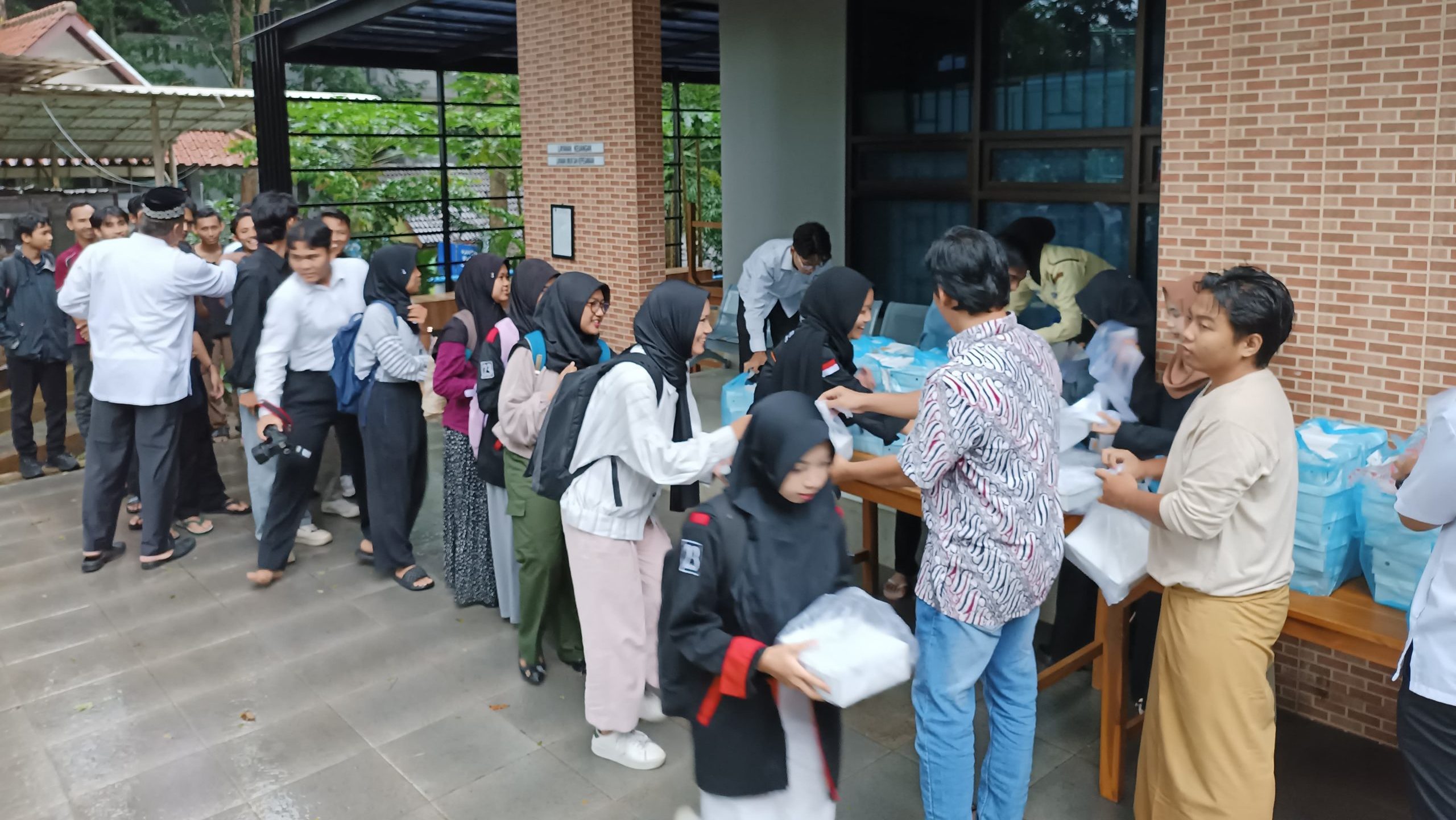
Vice Rector for Academic and Student Affairs, Prof. Dr. Zaenuri, M.Si., Akt., emphasized that the program reflects UNNES’s vision as a Conservation University that integrates compassion, education, and sustainability:
“Jumat Berkah is more than just sharing food; it is about building empathy, solidarity, and ensuring that no student studies on an empty stomach. This initiative reflects our collective effort to eliminate hunger and malnutrition within the university community,” he said.
Beyond meal distribution, the program also educates students on healthy eating habits and food waste reduction, contributing to a broader culture of sustainability. The activities are regularly supported by student volunteers who participate in meal preparation and distribution, transforming the initiative into a form of practical character education that nurtures social awareness and leadership.
The Jumat Berkah program complements UNNES’s broader welfare system, including affordable campus canteens (providing nutritious meals for about IDR 10,000 per portion) and dormitory kitchens that allow shared meal preparation. Through this integrated approach, UNNES ensures students — especially those from low-income backgrounds — have consistent access to affordable, balanced nutrition.
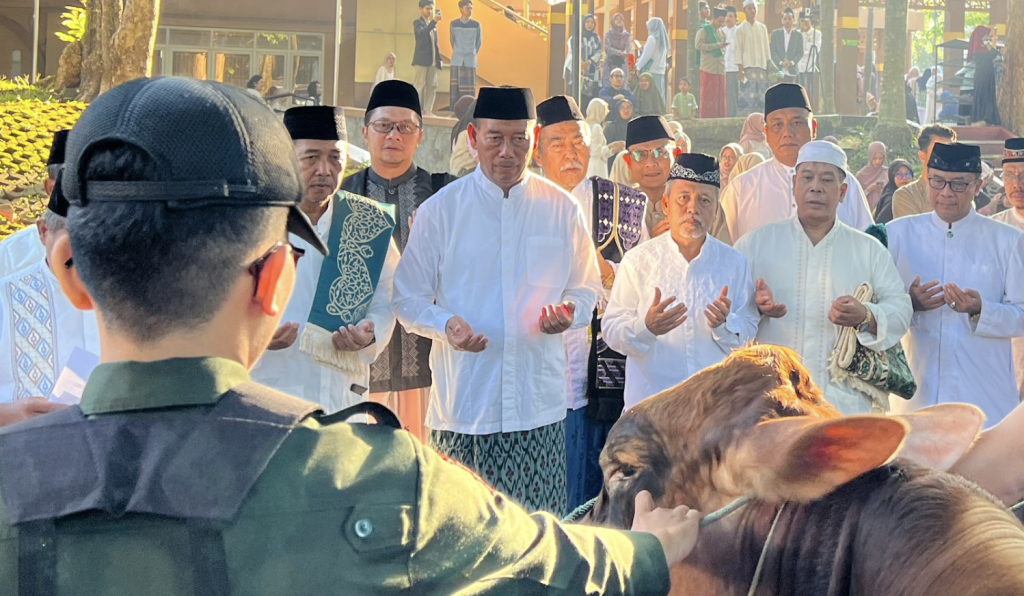
Complementing this, during Eid al-Adha 2024, UNNES through Rumah Amal UNNES distributed 2,000 packages of qurban meat to students, staff, and surrounding residents, ensuring equitable food access and supporting community nutrition. These efforts directly address hunger and malnutrition, foster social empathy, and demonstrate UNNES’s strong role in achieving food security and well-being for all.
This sustained action directly contributes to the SDG 2 target of ending hunger, achieving food security, improving nutrition, and promoting sustainable agriculture. By preventing food insecurity and addressing nutritional needs on campus, UNNES demonstrates how higher education institutions can play a strategic role in realizing global commitments to eliminate hunger and all forms of malnutrition, starting within their own communities.