SDGs Catalyst: Digital Literacy and Gender Equality in the Latest Research from the Faculty of Economics and Business, Universitas Negeri Semarang (FEB UNNES)

Universitas Negeri Semarang > Sustainable Development Goals Universitas Negeri Semarang > SDGS Goals > SDG 4 - Quality education > SDGs Catalyst: Digital Literacy and Gender Equality in the Latest Research from the Faculty of Economics and Business, Universitas Negeri Semarang (FEB UNNES)

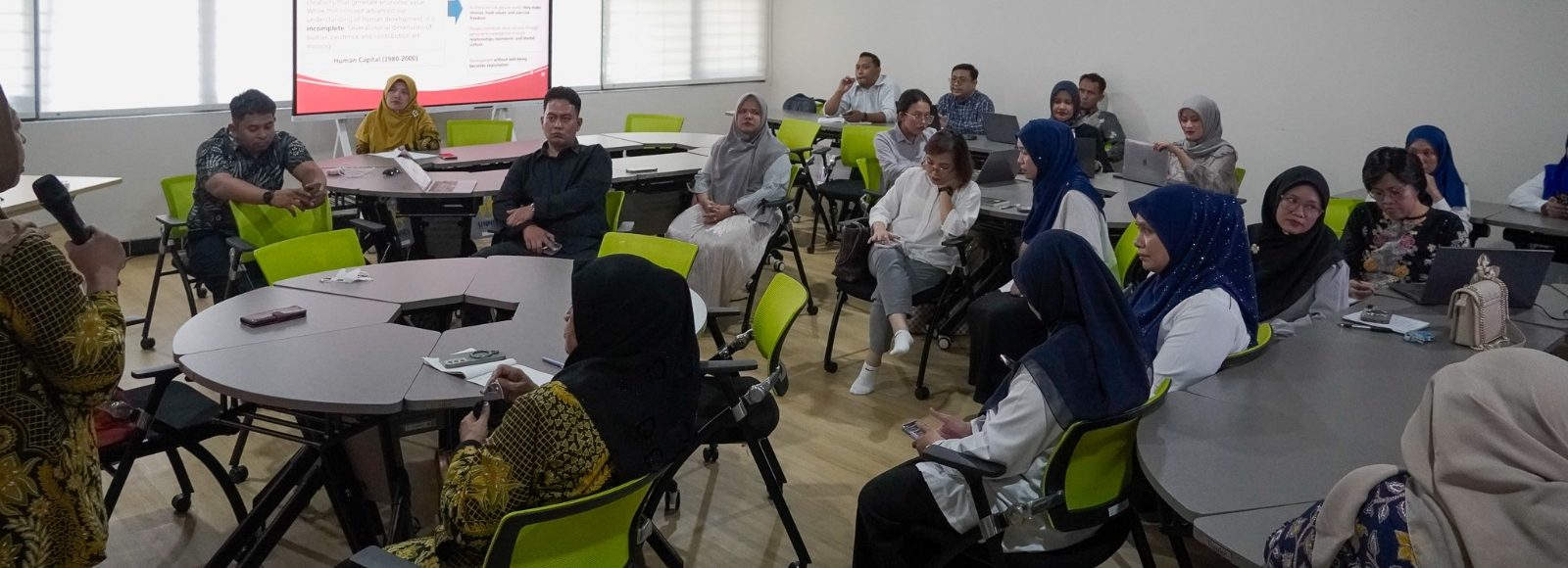
The Faculty of Economics and Business at Universitas Negeri Semarang (FEB UNNES) recently released research findings that reveal the key to accelerating digital transactions among young people. The team, led by Andhi Wijayanto, S.E., M.M., found that mastery of digital financial literacy and gender equality are two key drivers driving Gen Z students to switch to using digital wallets and QRIS. Interestingly, this research not only demonstrates a causal relationship but also confirms that a gender-equal environment can magnify the positive influence of financial literacy education on cashless transaction behavior.
The study, titled “The Influence of Digital Financial Literacy on the Use of Cashless Payments among Gen Z Students: Gender Moderation in Achieving Sustainable Development,” confirms that students’ level of understanding of digital platforms significantly influences their decision to use cashless transactions. Students with high literacy tend to be more confident in utilizing modern payment systems because they understand their security, speed, and efficiency. Further research reveals that gender equality acts as a moderating factor, strengthening the relationship between literacy and action. Research shows that when perceptions of and access to financial technology are equal between male and female students, participation in the formal financial ecosystem increases more evenly, demonstrating that financial inclusion depends not only on technical education but also on a gender-sensitive approach.
Strategically, this research provides a clear roadmap for accelerating the achievement of the Sustainable Development Goals (SDGs) through multidimensional contributions. By focusing on strengthening digital financial literacy, this study directly drives SDG 4: Quality Education, through the development of economic education curricula and programs relevant to the digital era in higher education institutions. A sound financial understanding is the foundation for creating superior and competitive human resources. Furthermore, increasing the adoption of inclusive cashless payments is a key component of achieving SDG 8: Decent Work and Economic Growth and SDG 9: Industry, Innovation, and Infrastructure. Efficient and widespread digital transactions ensure smooth economic flows, boost productivity, and create new jobs in the technology and financial services sectors. Payment system innovation also forms a critical component of modern financial infrastructure, supporting resilient and sustainable industrial growth.
Equally important, this study firmly places SDG 5: Gender Equality at the heart of digital financial transformation. By identifying that gender moderates literacy effectiveness, it affirms that sustainable economic development must be inclusive and empowering for all groups. Digital financial literacy policies and campaigns that ignore the equality dimension risk widening the gap in economic participation between men and women. As a testament to its commitment, this research has produced strategic outcomes in the form of Intellectual Property Rights (IPR), Implementation Arrangement (IA), and reputable international scientific publications. The success of the FEB UNNES team not only strengthens the university’s position as a center for relevant digital economic research but also emphasizes the active role of academics in shaping a fairer, more modern, and more sustainable financial future for all generations.
Related Posts

Leave a Reply

* Kode Akses Komentar:

* Tuliskan kode akses komentar diatas:

GDPR

  • Privacy Policy

Privacy Policy

At unnes.ac.id, the privacy of our visitors is of extreme importance to us. This privacy policy document outlines the types of personal information that is received and collected by unnes.ac.id and how it is used.

Log Files

Like many other Web sites, unnes.ac.id makes use of log files. The information inside the log files includes internet protocol (IP) addresses, type of browser, Internet Service Provider (ISP), date/time stamp, referring/exit pages, and number of clicks to analyze trends, administer the site, track user’s movement around the site, and gather demographic information. IP addresses and other such information are not linked to any information that is personally identifiable.

Cookies

unnes.ac.id uses cookies to store information about visitors’ preferences, to record user-specific information on which pages the site visitor accesses or visits, and to personalize or customize our web page content based upon visitors’ browser type or other information that the visitor sends via their browser.

Third-party ad servers or ad networks use technology in their respective advertisements and links that appear on unnes.ac.id and which are sent directly to your browser. They automatically receive your IP address when this occurs. Other technologies (such as cookies, JavaScript, or Web Beacons) may also be used by our site’s third-party ad networks to measure the effectiveness of their advertising campaigns and/or to personalize the advertising content that you see on the site.

unnes.ac.id has no access to or control over these cookies that are used by third-party advertisers.

You should consult the respective privacy policies of these third-party ad servers for more detailed information on their practices as well as for instructions about how to opt-out of certain practices. unnes.ac.id’s privacy policy does not apply to, and we cannot control the activities of, such other advertisers or web sites.

If you wish to disable cookies, you may do so through your individual browser options. More detailed information about cookie management with specific web browsers can be found at the browsers’ respective websites.

Consent

By using our website, you hereby consent to our privacy policy and agree to its terms.

Update

This Privacy Policy was last updated on: 2023-02-14. Should we update, amend or make any changes to our privacy policy, those changes will be posted here.

Contact Us

If you have any questions, comments, or concerns about our Privacy Policy or our practices with regards to your personal information, please feel free to contact us through the contact form on our website or by emailing us at humas[at]mail.unnes.ac.id.

This Privacy Policy is intended as a general guide to our practices in collecting and using information. If there is any inconsistency between this Privacy Policy and the terms of the Service Agreement or any other terms that may apply to specific services you use, then those specific service terms shall apply.

Terms of Use

By using our website, you agree to abide by this Privacy Policy. If you do not agree with this Privacy Policy, please do not use our website. We reserve the right to update this Privacy Policy from time to time without prior notice. Please review our Privacy Policy periodically to check for changes. Your continued use of our website following the posting of changes to this Privacy Policy means that you accept the changes.

Thank you for reading our Privacy Policy. We are committed to protecting the privacy of our website visitors and will continue to update our Privacy Policy to ensure optimal protection.