The Faculty of Social Sciences and Political Science (FISIP) of Universitas Negeri Semarang officially launched the Center for Gender, Child, and Social Inclusion Studies through a Focus Group Discussion (FGD) themed “Mainstreaming Gender, Child, and Social Inclusion Issues in Sustainable Development” on Thursday, 13 November 2025, at Building C8, 3rd Floor, Room 307.
The event featured two keynote speakers. Prof. Dr. Tri Marhaeni Pudji Astuti, S.M.Hum., Professor of FISIP UNNES and a long-time gender issues advocate, opened the discussion by presenting various forms of gender inequality that still occur within development processes. She emphasized that disparities in access, participation, and control over resources remain persistent challenges requiring joint commitment from government, academia, and the community.
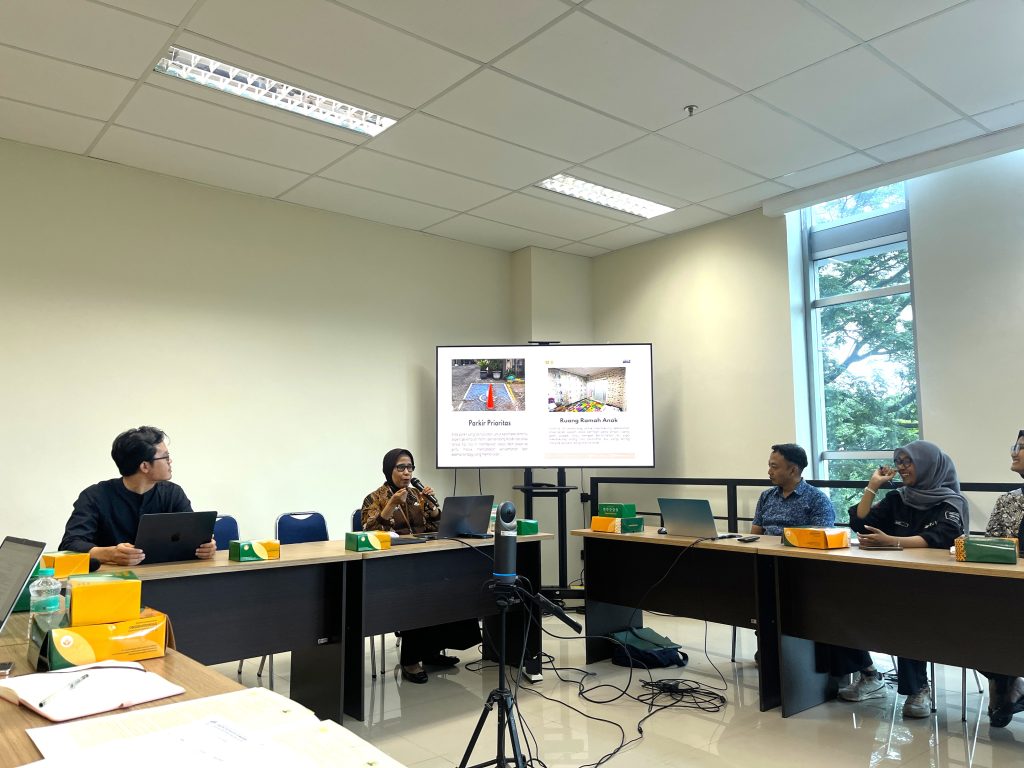
Presentation of Material by Dra. Ema Rachmawati, M.Hum.
Source: UNNES’ Documentation
The second speaker, Dra. Ema Rachmawati, M.Hum., Head of the Office of Women’s Empowerment and Child Protection, Population Control, and Family Planning (DP3AP2KB) of Central Java Province, shared the province’s best practices in gender mainstreaming (PUG). She highlighted that the success of PUG does not rely solely on regulations, but also on program prioritization, integrated sex-disaggregated data, and active public participation throughout the development cycle.
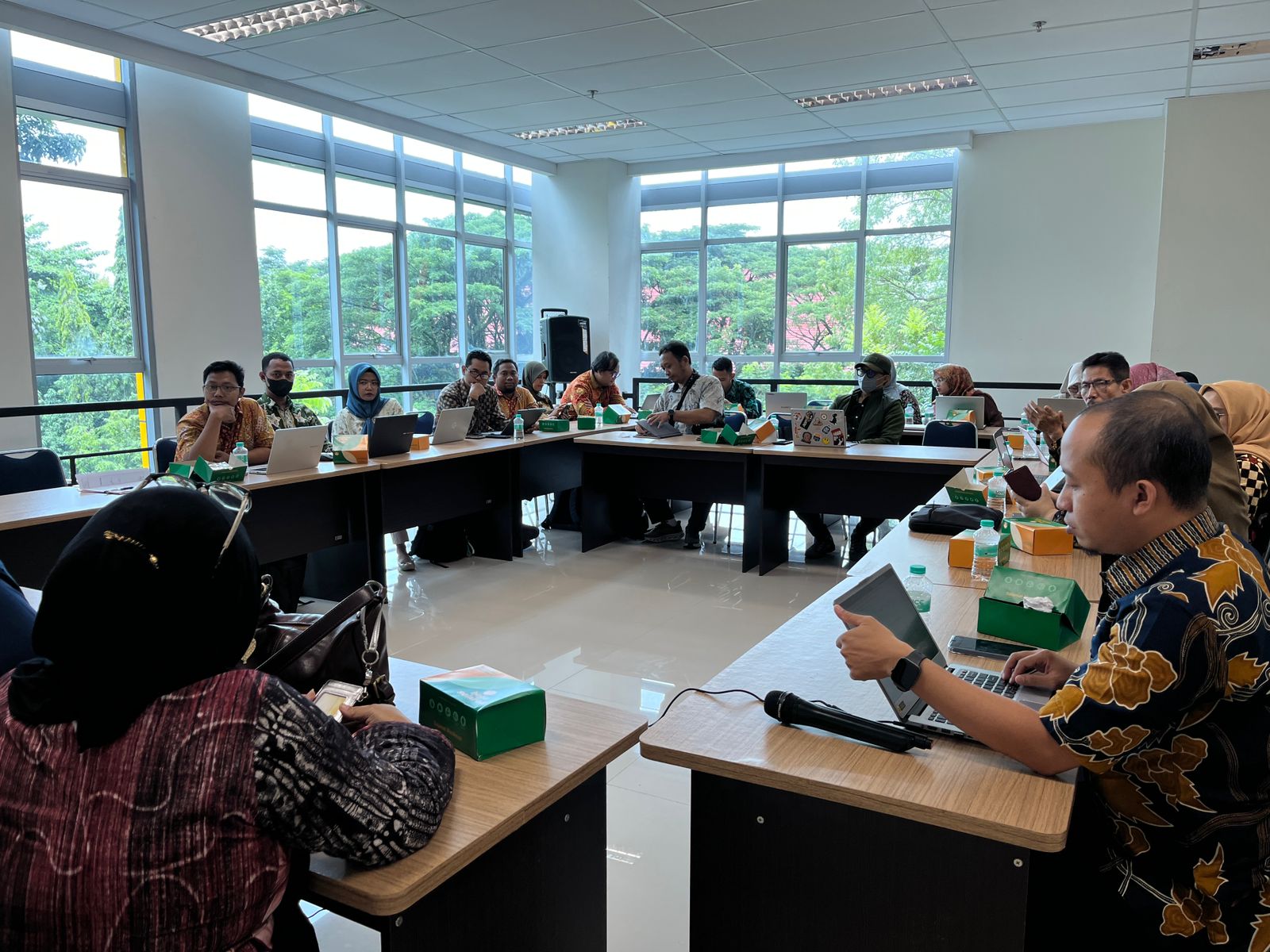
The FGD was attended by participants from various sectors, including local government institutions (OPD), academics, FISIP lecturers, and students. This multi-stakeholder participation reflects the importance of collaboration in promoting more inclusive and equitable development.
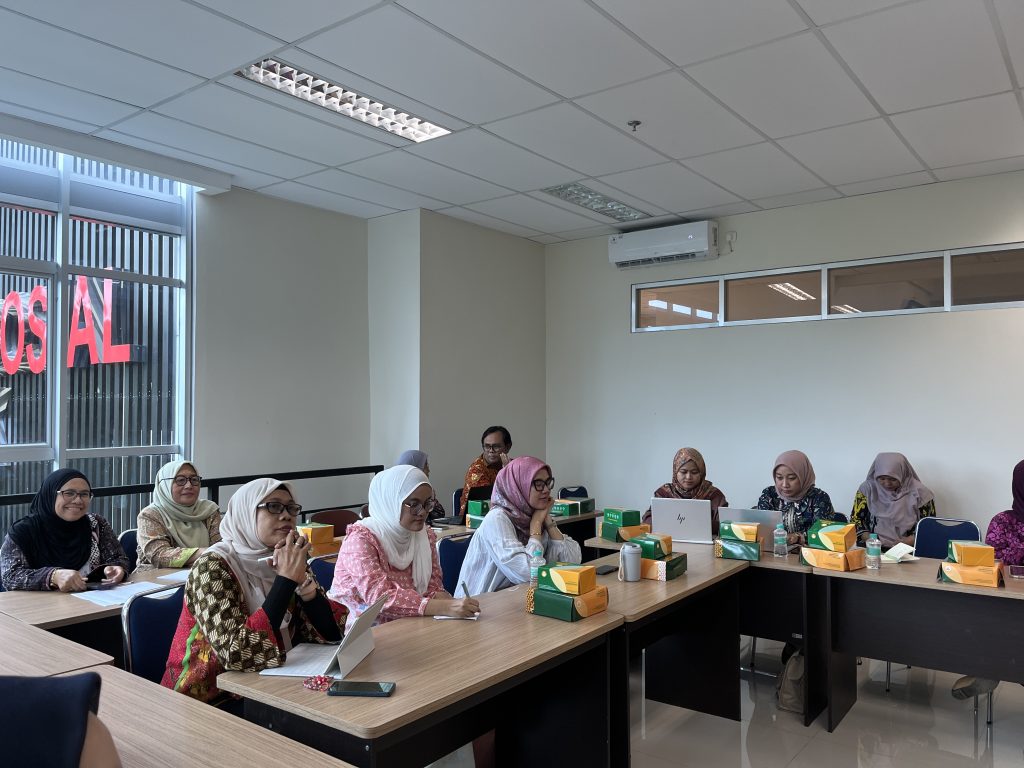
Participants Focus on a Discussion Session
Source: UNNES’ Documentation
The establishment of the Center for Gender, Child, and Social Inclusion Studies at FISIP UNNES is expected to become a strategic platform for advancing research, advocacy, and public education on issues of equality and social justice. This center will strengthen FISIP’s role as an academic institution responsive to contemporary humanitarian and social challenges.
This initiative aligns with UNNES’s commitment to supporting the Sustainable Development Goals (SDGs), particularly SDG 5 (Gender Equality), SDG 10 (Reduced Inequalities), and SDG 16 (Peace, Justice, and Strong Institutions). Through this center, FISIP UNNES reaffirms its contribution to fostering development that is inclusive, child-friendly, gender-responsive, and oriented toward social justice for all members of society.