UNNES Angkat Suara Remaja Asuhan PPSA Mandiri melalui Penelitian Wellbeing Literacy Berbasis Photovoice

Universitas Negeri Semarang/Fakultas Ilmu Pendidikan dan Psikologi/Berita/UNNES Angkat Suara Remaja Asuhan PPSA Mandiri melalui Penelitian Wellbeing Literacy Berbasis Photovoice

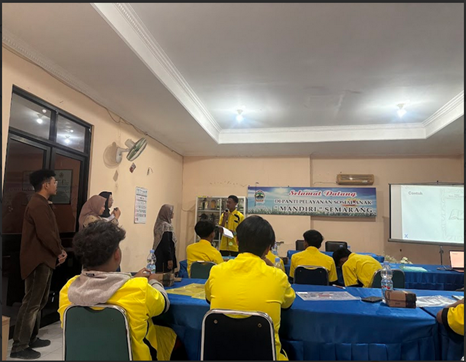
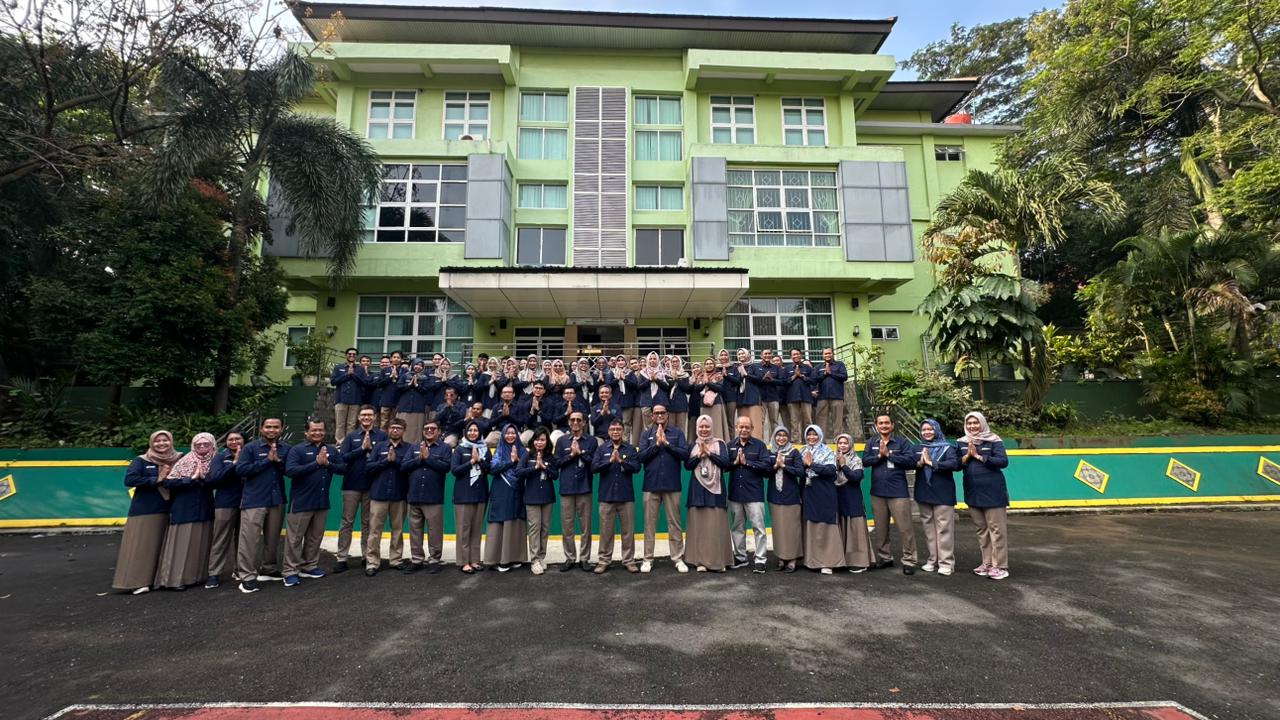
Semarang, Oktober 2025 — Fakultas Ilmu Pendidikan dan Psikologi (FIPP) Universitas Negeri Semarang (UNNES) kembali menunjukkan komitmennya dalam pengembangan riset humaniora dan kesejahteraan sosial melalui penelitian berjudul “Voices Behind the Lens: Exploring the Meaning of Wellbeing Literacy Among High School Students in PPSA Mandiri Through Participatory Photovoice Methodology.”

Penelitian ini diketuai oleh Fatma Kusuma Mahanani, S.Psi., M.Psi., bersama tim peneliti Hasna’ Pratiwi Kuswardani, S.Psi., M.Psi., Psi; Talitha Lintang Pertiwi, S.Psi., M.Psi.; dan Yogi Swaraswati, S.Psi., M.Si., serta melibatkan mahasiswa FIPP UNNES sebagai bagian dari pembelajaran berbasis riset.

Menggali Makna Kesejahteraan dari Perspektif Remaja

Penelitian ini berfokus pada remaja asuhan Panti Pelayanan Sosial Anak (PPSA) Mandiri, kelompok yang kerap menghadapi tantangan kompleks seperti keterbatasan akses pendidikan, stigma sosial, serta risiko kesehatan mental yang lebih tinggi. Melalui pendekatan wellbeing literacy, penelitian ini mengeksplorasi bagaimana remaja memahami, menggunakan, dan mengekspresikan konsep kesejahteraan dalam kehidupan sehari-hari mereka

Berbeda dari pendekatan konvensional, penelitian ini menggunakan metode Participatory Action Research (PAR) dengan teknik Photovoice, yang memberikan ruang bagi remaja untuk menyuarakan pengalaman dan makna kesejahteraan melalui media fotografi. Foto-foto yang dihasilkan kemudian menjadi dasar diskusi reflektif dan analisis tematik bersama peneliti

Dua Studi, Satu Tujuan Pemberdayaan
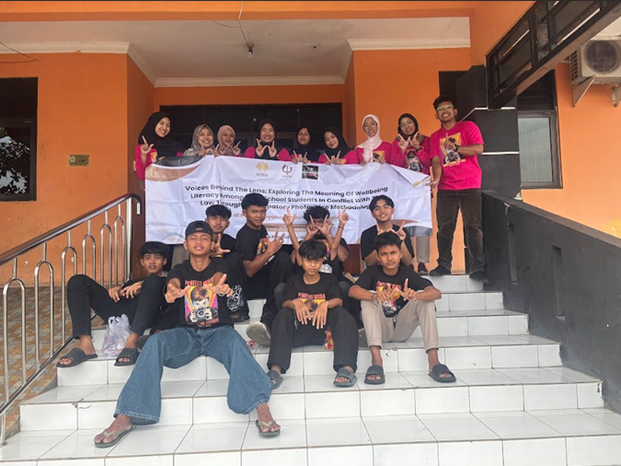
Penelitian ini terdiri atas dua studi utama. Studi pertama dilakukan melalui scoping review untuk memetakan perkembangan literatur wellbeing literacy pada remaja dalam lima tahun terakhir. Hasilnya menunjukkan bahwa wellbeing literacy merupakan konstruk yang unik dan berperan penting dalam meningkatkan ketahanan emosional serta menurunkan distress psikologis

Studi kedua mengeksplorasi secara langsung pengalaman wellbeing literacy remaja asuhan PPSA Mandiri melalui Photovoice. Hasil penelitian menunjukkan bahwa remaja mampu mengekspresikan kesejahteraan melalui kosakata sederhana namun bermakna emosional, seperti bahagia, tenang, sabar, dan semangat, serta melalui narasi simbolik yang merefleksikan relasi sosial, alam, dan aspirasi masa depan mereka. Berbeda dari pendekatan penelitian konvensional yang menempatkan partisipan sebatas sebagai objek pengumpulan data, Studi 2 dalam penelitian ini secara sadar memosisikan remaja sebagai subjek aktif sekaligus young researchers. Melalui metode Participatory Action Research berbasis Photovoice, para remaja tidak hanya diminta menceritakan pengalaman mereka, tetapi juga berperan sebagai peneliti muda yang mengamati, merefleksikan, dan menafsirkan makna kesejahteraan dari sudut pandang mereka sendiri.

Kontribusi Akademik dan Luaran Penelitian

Penelitian ini menegaskan bahwa wellbeing literacy pada remaja bersifat kontekstual, reflektif, dan berorientasi tujuan, sejalan dengan Capability Model of Wellbeing Literacy yang dikembangkan oleh Oades dan kolega. Temuan ini memperkuat pentingnya lingkungan yang suportif agar remaja mampu membangun narasi kesejahteraan yang sehat dan berkelanjutan

Penguatan Peran UNNES dalam Riset Humaniora

Melalui penelitian ini, FIPP UNNES tidak hanya berkontribusi pada pengembangan ilmu psikologi, tetapi juga mendorong praktik riset yang inklusif, partisipatif, dan berpihak pada kelompok rentan. Pendekatan Photovoice menjadi sarana pemberdayaan bagi remaja untuk menyuarakan pengalaman hidup mereka sekaligus menjadi dasar perumusan intervensi kesejahteraan yang lebih responsif.
Related Posts

Leave a Reply

* Kode Akses Komentar:

* Tuliskan kode akses komentar diatas:

GDPR

  • Privacy Policy

Privacy Policy

At unnes.ac.id, the privacy of our visitors is of extreme importance to us. This privacy policy document outlines the types of personal information that is received and collected by unnes.ac.id and how it is used.

Log Files

Like many other Web sites, unnes.ac.id makes use of log files. The information inside the log files includes internet protocol (IP) addresses, type of browser, Internet Service Provider (ISP), date/time stamp, referring/exit pages, and number of clicks to analyze trends, administer the site, track user’s movement around the site, and gather demographic information. IP addresses and other such information are not linked to any information that is personally identifiable.

Cookies

unnes.ac.id uses cookies to store information about visitors’ preferences, to record user-specific information on which pages the site visitor accesses or visits, and to personalize or customize our web page content based upon visitors’ browser type or other information that the visitor sends via their browser.

Third-party ad servers or ad networks use technology in their respective advertisements and links that appear on unnes.ac.id and which are sent directly to your browser. They automatically receive your IP address when this occurs. Other technologies (such as cookies, JavaScript, or Web Beacons) may also be used by our site’s third-party ad networks to measure the effectiveness of their advertising campaigns and/or to personalize the advertising content that you see on the site.

unnes.ac.id has no access to or control over these cookies that are used by third-party advertisers.

You should consult the respective privacy policies of these third-party ad servers for more detailed information on their practices as well as for instructions about how to opt-out of certain practices. unnes.ac.id’s privacy policy does not apply to, and we cannot control the activities of, such other advertisers or web sites.

If you wish to disable cookies, you may do so through your individual browser options. More detailed information about cookie management with specific web browsers can be found at the browsers’ respective websites.

Consent

By using our website, you hereby consent to our privacy policy and agree to its terms.

Update

This Privacy Policy was last updated on: 2023-02-14. Should we update, amend or make any changes to our privacy policy, those changes will be posted here.

Contact Us

If you have any questions, comments, or concerns about our Privacy Policy or our practices with regards to your personal information, please feel free to contact us through the contact form on our website or by emailing us at humas[at]mail.unnes.ac.id.

This Privacy Policy is intended as a general guide to our practices in collecting and using information. If there is any inconsistency between this Privacy Policy and the terms of the Service Agreement or any other terms that may apply to specific services you use, then those specific service terms shall apply.

Terms of Use

By using our website, you agree to abide by this Privacy Policy. If you do not agree with this Privacy Policy, please do not use our website. We reserve the right to update this Privacy Policy from time to time without prior notice. Please review our Privacy Policy periodically to check for changes. Your continued use of our website following the posting of changes to this Privacy Policy means that you accept the changes.

Thank you for reading our Privacy Policy. We are committed to protecting the privacy of our website visitors and will continue to update our Privacy Policy to ensure optimal protection.