Belajar Kyodo, Kaizen, dan Giri: Langkah Unnes Siapkan Mental Global Siswa LPK

Universitas Negeri Semarang/Fakultas Ilmu Pendidikan dan Psikologi/Berita/Psikologi/Belajar Kyodo, Kaizen, dan Giri: Langkah Unnes Siapkan Mental Global Siswa LPK

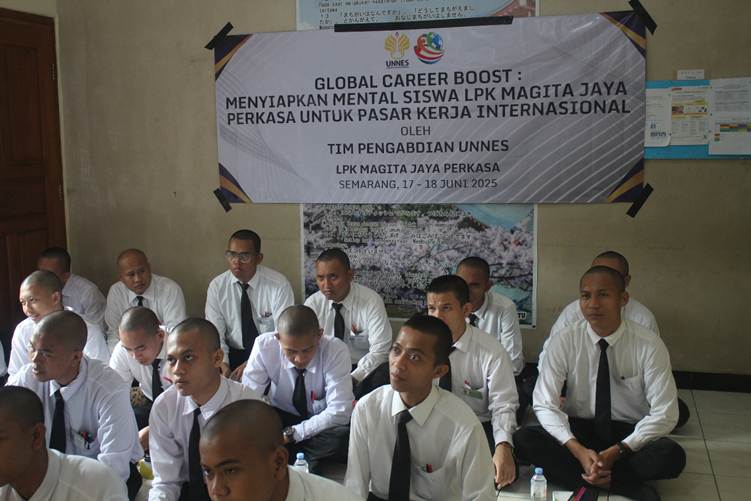
Semarang, Tidak banyak calon tenaga kerja yang benar-benar memahami bahwa bekerja di Jepang bukan sekadar soal disiplin dan keterampilan teknis. Di balik produktivitas tinggi dan sistem kerja yang rapi, terdapat nilai-nilai budaya yang membentuk cara berpikir, berinteraksi, dan bekerja masyarakatnya. Nilai-nilai itulah yang dipelajari oleh para siswa LPK Magita Jaya Perkasa dalam program Global Career Boost yang diinisiasi oleh tim Pengabdian kepada Masyarakat Fakultas Ilmu Pendidikan dan Psikologi Universitas Negeri Semarang.

Selama dua hari pelaksanaan, kegiatan ini diikuti oleh 40 siswa dan difokuskan pada pengenalan nilai-nilai psikologis dan budaya kerja Jepang serta penguatan kesiapan mental dalam beradaptasi di lingkungan kerja global.

Pada hari pertama, peserta mengikuti tiga sesi utama bertema Kyodo, Kaizen, dan Giri; tiga konsep yang menjadi fondasi etos kerja Jepang modern.
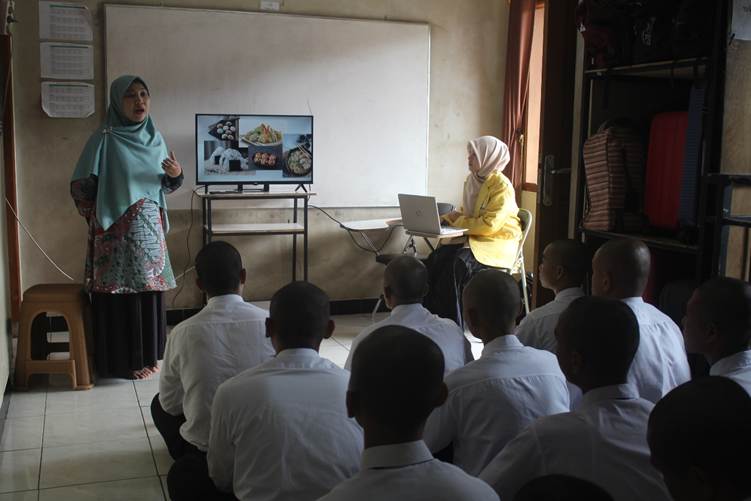
Sesi pertama, Kyodo, mengulas pentingnya kerja sama dan solidaritas dalam sistem kerja Jepang. Peserta diajak memahami bahwa keberhasilan di tempat kerja tidak hanya diukur dari kemampuan individu, tetapi dari kemampuan berkolaborasi dengan harmoni. Dalam konteks psikologi kerja, nilai Kyodo membantu pekerja mengembangkan empati sosial, kesadaran peran, dan rasa tanggung jawab terhadap tim.

Materi kedua, Kaizen, memperkenalkan konsep perbaikan berkelanjutan. Di sini, siswa belajar bahwa dalam budaya Jepang, peningkatan diri bukan hasil dari perubahan besar, melainkan dari upaya kecil yang dilakukan secara konsisten setiap hari. Melalui simulasi dan diskusi, peserta diajak merefleksikan bagaimana prinsip Kaizen bisa diterapkan dalam kehidupan pribadi dan profesional, baik dalam meningkatkan kompetensi maupun mengelola tekanan kerja.

Sesi ketiga, Giri, membahas nilai loyalitas, rasa tanggung jawab moral, dan kesadaran etika sosial. Para siswa berdiskusi tentang bagaimana Giri memengaruhi hubungan antara atasan dan bawahan, serta bagaimana menjaga keseimbangan antara kewajiban profesional dan kesejahteraan pribadi. Dalam konteks psikologis, Giri menumbuhkan kesadaran diri bahwa tanggung jawab bukan sekadar tuntutan eksternal, melainkan bagian dari integritas pribadi.

Memasuki hari kedua, kegiatan berlanjut dengan sesi coaching yang dipandu oleh tim Pengabdian Kepada Masyarakat FIPP Unnes yang diketuai oleh Pundani Eki Pratiwi, S.Psi., M.Psi., Psikolog.. Berbeda dengan hari pertama yang lebih konseptual, sesi ini dirancang sebagai ruang reflektif untuk membantu peserta mengelola emosi dan kesiapan mental menghadapi realitas kerja lintas budaya.

Dalam suasana yang terbuka, para siswa berbagi kekhawatiran, harapan, dan pengalaman mereka menghadapi kemungkinan bekerja di Jepang. Banyak yang mengaku takut tidak bisa menyesuaikan diri dengan ritme kerja cepat dan aturan yang ketat. Melalui pendampingan, mereka diajak mengenali kondisi psikologis masing-masing bagaimana stres muncul, bagaimana menenangkan diri, dan bagaimana mempertahankan motivasi ketika jauh dari keluarga dan budaya asal.
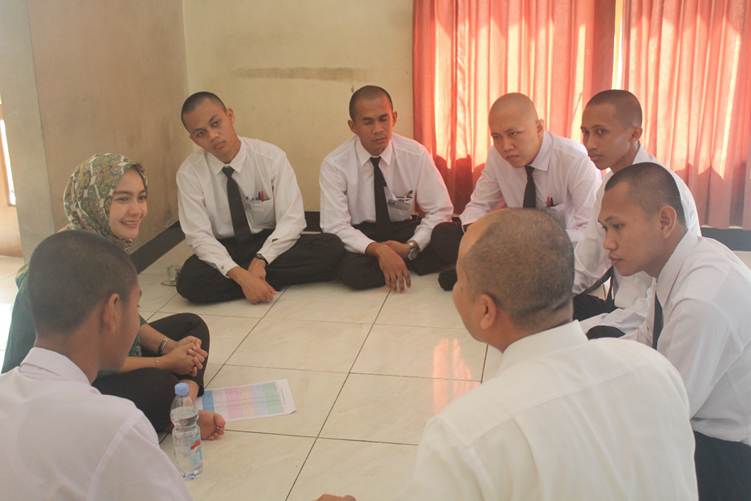
“Dalam adaptasi lintas budaya, tantangan terbesar bukan hanya bahasa, tapi kestabilan psikologis,” ujar Faiz Fatihul ’Alwan, S.Pd., M.Pd., sebagai salah satu fasilitator. “Melalui coaching, kami ingin membantu mereka memahami diri sendiri, agar tidak kehilangan arah saat berada di sistem kerja yang sangat berbeda.”

Kegiatan ini menunjukkan bahwa kesiapan kerja global tidak bisa dilepaskan dari kesiapan mental. Unnes, melalui kegiatan pengabdian ini, berkomitmen untuk menjembatani dunia pendidikan dan pelatihan kerja dengan pendekatan yang lebih manusiawi dan berbasis pemahaman psikologis.

Menurut Talitha Lintang Pertiwi, S.Psi., M.Psi, sebagai salah satu fasilitator, sengan memadukan nilai Kyodo, Kaizen, dan Giri serta penguatan mental lewat sesi coaching, diharapkan para siswa LPK Magita Jaya Perkasa kini tidak hanya siap secara teknis, tetapi juga memiliki kesadaran budaya dan ketangguhan emosional untuk beradaptasi di dunia kerja Jepang yang dinamis dan menuntut.
Related Posts

Leave a Reply

* Kode Akses Komentar:

* Tuliskan kode akses komentar diatas:

GDPR

  • Privacy Policy

Privacy Policy

At unnes.ac.id, the privacy of our visitors is of extreme importance to us. This privacy policy document outlines the types of personal information that is received and collected by unnes.ac.id and how it is used.

Log Files

Like many other Web sites, unnes.ac.id makes use of log files. The information inside the log files includes internet protocol (IP) addresses, type of browser, Internet Service Provider (ISP), date/time stamp, referring/exit pages, and number of clicks to analyze trends, administer the site, track user’s movement around the site, and gather demographic information. IP addresses and other such information are not linked to any information that is personally identifiable.

Cookies

unnes.ac.id uses cookies to store information about visitors’ preferences, to record user-specific information on which pages the site visitor accesses or visits, and to personalize or customize our web page content based upon visitors’ browser type or other information that the visitor sends via their browser.

Third-party ad servers or ad networks use technology in their respective advertisements and links that appear on unnes.ac.id and which are sent directly to your browser. They automatically receive your IP address when this occurs. Other technologies (such as cookies, JavaScript, or Web Beacons) may also be used by our site’s third-party ad networks to measure the effectiveness of their advertising campaigns and/or to personalize the advertising content that you see on the site.

unnes.ac.id has no access to or control over these cookies that are used by third-party advertisers.

You should consult the respective privacy policies of these third-party ad servers for more detailed information on their practices as well as for instructions about how to opt-out of certain practices. unnes.ac.id’s privacy policy does not apply to, and we cannot control the activities of, such other advertisers or web sites.

If you wish to disable cookies, you may do so through your individual browser options. More detailed information about cookie management with specific web browsers can be found at the browsers’ respective websites.

Consent

By using our website, you hereby consent to our privacy policy and agree to its terms.

Update

This Privacy Policy was last updated on: 2023-02-14. Should we update, amend or make any changes to our privacy policy, those changes will be posted here.

Contact Us

If you have any questions, comments, or concerns about our Privacy Policy or our practices with regards to your personal information, please feel free to contact us through the contact form on our website or by emailing us at humas[at]mail.unnes.ac.id.

This Privacy Policy is intended as a general guide to our practices in collecting and using information. If there is any inconsistency between this Privacy Policy and the terms of the Service Agreement or any other terms that may apply to specific services you use, then those specific service terms shall apply.

Terms of Use

By using our website, you agree to abide by this Privacy Policy. If you do not agree with this Privacy Policy, please do not use our website. We reserve the right to update this Privacy Policy from time to time without prior notice. Please review our Privacy Policy periodically to check for changes. Your continued use of our website following the posting of changes to this Privacy Policy means that you accept the changes.

Thank you for reading our Privacy Policy. We are committed to protecting the privacy of our website visitors and will continue to update our Privacy Policy to ensure optimal protection.