EPIC 2025: Menjawab Tantangan Wellbeing Lintas Generasi di Era Digital

Universitas Negeri Semarang/Fakultas Ilmu Pendidikan dan Psikologi/Berita/EPIC 2025: Menjawab Tantangan Wellbeing Lintas Generasi di Era Digital


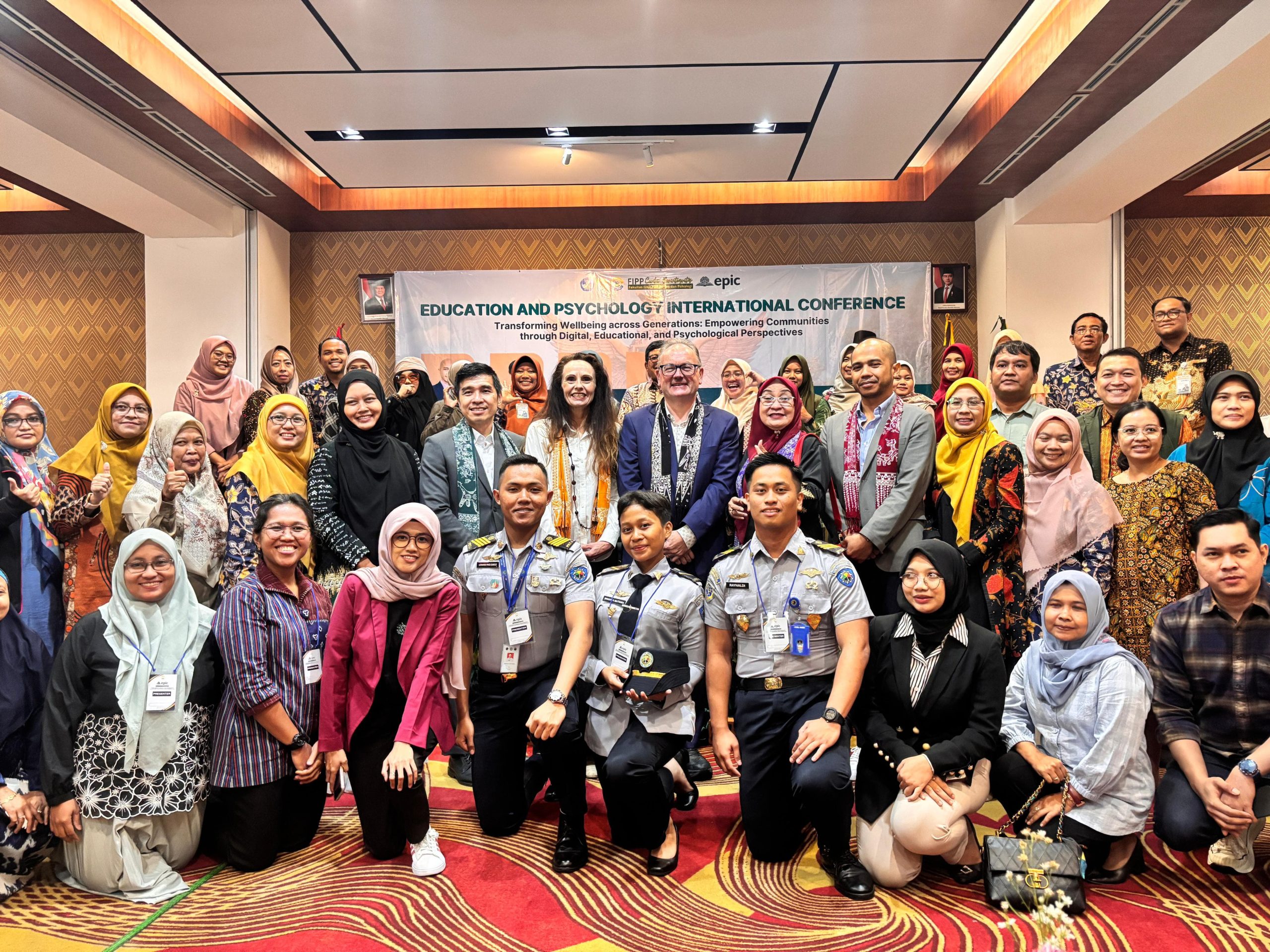
Isu wellbeing (kesejahteraan) lintas generasi menjadi fokus utama dalam Education and
Psychology International Conference (EPIC) 2025 yang digelar di Hotel Grasia, Semarang,
pada Rabu, 16 Juli 2025. Konferensi internasional perdana ini merupakan inisiatif dari
Fakultas Ilmu Pendidikan dan Psikologi (FIPP) Universitas Negeri Semarang (UNNES).
Acara ini dibuka secara resmi oleh Sekretaris UNNES, Prof. Dr. Sugianto, M.Si., dengan
mengusung tema besar: “Transforming Wellbeing across Generations: Empowering
Communities through Digital, Educational, and Psychological Perspectives.”
Ketua panitia, Dr. Decky Avrilianda, S.Pd., M.Pd., menyampaikan bahwa EPIC 2025
diselenggarakan secara hibrida, sehingga menjangkau partisipasi yang lebih luas dari
kalangan akademisi dan praktisi. Sebanyak 141 peneliti dari berbagai universitas turut ambil
bagian, membahas peran teknologi digital, pendidikan, dan psikologi sebagai kunci
pemberdayaan masyarakat dan peningkatan kualitas hidup.
Decky menambahkan bahwa konferensi ini juga mendukung capaian Sustainable
Development Goals (SDGs), khususnya poin 3 mengenai kesehatan dan kesejahteraan, serta
poin 4 tentang pendidikan berkualitas.
Dekan FIPP UNNES, Prof. Edy Purwanto, M.Si., menegaskan urgensi topik kesejahteraan,
terlebih di tengah meningkatnya kasus bunuh diri di kalangan pelajar. “Saya berharap
konferensi ini menjadi ruang berbagi pengetahuan dan keterampilan dalam mempromosikan
kesejahteraan secara lebih luas,” ujarnya.
Perspektif Baru Kesejahteraan dari Empat Pakar Internasional
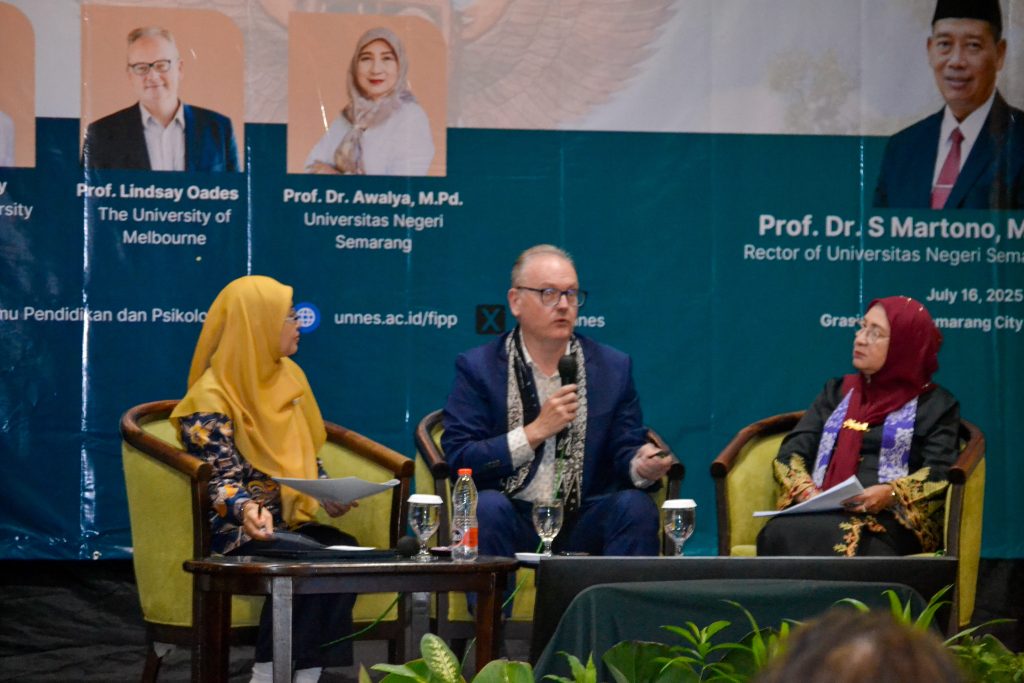
EPIC 2025 menghadirkan empat pembicara utama yang menawarkan pendekatan inovatif
dalam memahami dan membangun kesejahteraan lintas generasi:

  1. Assoc. Prof. Dr. Rizki Edmi Edison, Ph.D.
    Dosen dari Universiti Brunei Darussalam ini membahas The Neuroscience of
    Leadership in Nurturing Generational Well-Being. Ia menekankan bahwa
    neuroleadership—yakni kepemimpinan berbasis fungsi otak dan perilaku—dapat
    mendorong inovasi dan pertumbuhan. Dr. Edmi juga memaparkan hasil risetnya
    mengenai kaitan antara struktur otak (Frontal Lobe dan Limbic System) dengan
    perilaku remaja yang kecanduan pornografi, dalam studi berjudul “Faking Good
    Among Porn-Addicted Adolescents.”
  2. Dr. Felix Why
    Dosen senior dari Worcester University ini memperkenalkan pendekatan Sistem 1
    dalam mengubah perilaku kesehatan. Ia menjelaskan bahwa intervensi berbasis
    respons otomatis dan bawah sadar, seperti penggunaan opsi sehat sebagai default,
    terbukti efektif dalam mendorong perubahan gaya hidup, terutama di tengah arus
    informasi cepat dan tantangan Flynn Effect Terbalik (penurunan kecerdasan generasi
    baru).
  3. Prof. Lindsay Oades
    Pakar dari The University of Melbourne ini memperkenalkan konsep Wellbeing

Literacy—kemampuan menggunakan bahasa dan pemahaman kesejahteraan untuk
meningkatkan kualitas hidup diri sendiri dan orang lain. Model literasi ini mencakup
kosakata, pemahaman, penyusunan makna, kesadaran konteks, dan niat untuk
meningkatkan kesejahteraan. Penelitiannya menunjukkan bahwa literasi ini
merupakan kompetensi unik yang berpengaruh besar.

  1. Prof. Dr. Awalya, M.Pd., Kons.
    Guru Besar UNNES ini memfokuskan paparan pada kesejahteraan guru sebagai
    elemen kunci mutu pendidikan. Hasil risetnya di 48 SMA di Jawa Tengah
    mengungkap bahwa kesejahteraan guru memiliki dampak tidak langsung terhadap
    pencapaian siswa melalui pembentukan karakter. Selain itu, kesejahteraan guru secara
    langsung memengaruhi metode pengajaran, manajemen kelas, dan dukungan
    psikologis.
    Konferensi EPIC 2025 diharapkan menjadi fondasi penting dalam merancang strategi dan
    kebijakan untuk meningkatkan kesejahteraan masyarakat secara berkelanjutan, dengan
Related Posts

Leave a Reply

* Kode Akses Komentar:

* Tuliskan kode akses komentar diatas:

GDPR

  • Privacy Policy

Privacy Policy

At unnes.ac.id, the privacy of our visitors is of extreme importance to us. This privacy policy document outlines the types of personal information that is received and collected by unnes.ac.id and how it is used.

Log Files

Like many other Web sites, unnes.ac.id makes use of log files. The information inside the log files includes internet protocol (IP) addresses, type of browser, Internet Service Provider (ISP), date/time stamp, referring/exit pages, and number of clicks to analyze trends, administer the site, track user’s movement around the site, and gather demographic information. IP addresses and other such information are not linked to any information that is personally identifiable.

Cookies

unnes.ac.id uses cookies to store information about visitors’ preferences, to record user-specific information on which pages the site visitor accesses or visits, and to personalize or customize our web page content based upon visitors’ browser type or other information that the visitor sends via their browser.

Third-party ad servers or ad networks use technology in their respective advertisements and links that appear on unnes.ac.id and which are sent directly to your browser. They automatically receive your IP address when this occurs. Other technologies (such as cookies, JavaScript, or Web Beacons) may also be used by our site’s third-party ad networks to measure the effectiveness of their advertising campaigns and/or to personalize the advertising content that you see on the site.

unnes.ac.id has no access to or control over these cookies that are used by third-party advertisers.

You should consult the respective privacy policies of these third-party ad servers for more detailed information on their practices as well as for instructions about how to opt-out of certain practices. unnes.ac.id’s privacy policy does not apply to, and we cannot control the activities of, such other advertisers or web sites.

If you wish to disable cookies, you may do so through your individual browser options. More detailed information about cookie management with specific web browsers can be found at the browsers’ respective websites.

Consent

By using our website, you hereby consent to our privacy policy and agree to its terms.

Update

This Privacy Policy was last updated on: 2023-02-14. Should we update, amend or make any changes to our privacy policy, those changes will be posted here.

Contact Us

If you have any questions, comments, or concerns about our Privacy Policy or our practices with regards to your personal information, please feel free to contact us through the contact form on our website or by emailing us at humas[at]mail.unnes.ac.id.

This Privacy Policy is intended as a general guide to our practices in collecting and using information. If there is any inconsistency between this Privacy Policy and the terms of the Service Agreement or any other terms that may apply to specific services you use, then those specific service terms shall apply.

Terms of Use

By using our website, you agree to abide by this Privacy Policy. If you do not agree with this Privacy Policy, please do not use our website. We reserve the right to update this Privacy Policy from time to time without prior notice. Please review our Privacy Policy periodically to check for changes. Your continued use of our website following the posting of changes to this Privacy Policy means that you accept the changes.

Thank you for reading our Privacy Policy. We are committed to protecting the privacy of our website visitors and will continue to update our Privacy Policy to ensure optimal protection.