
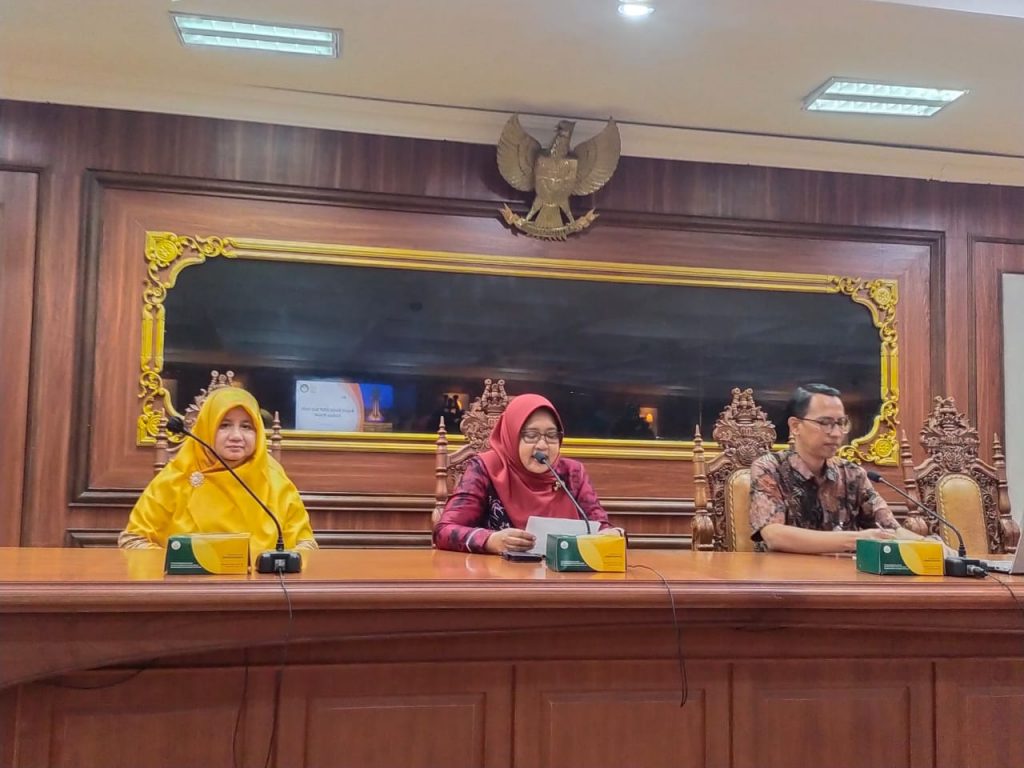
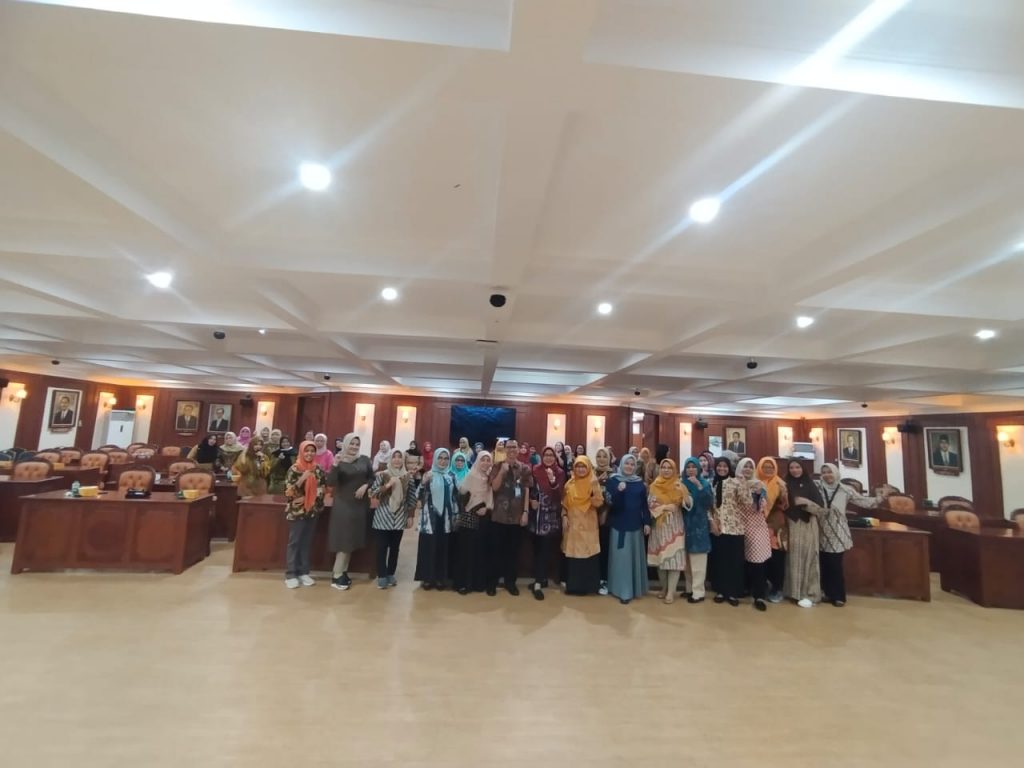
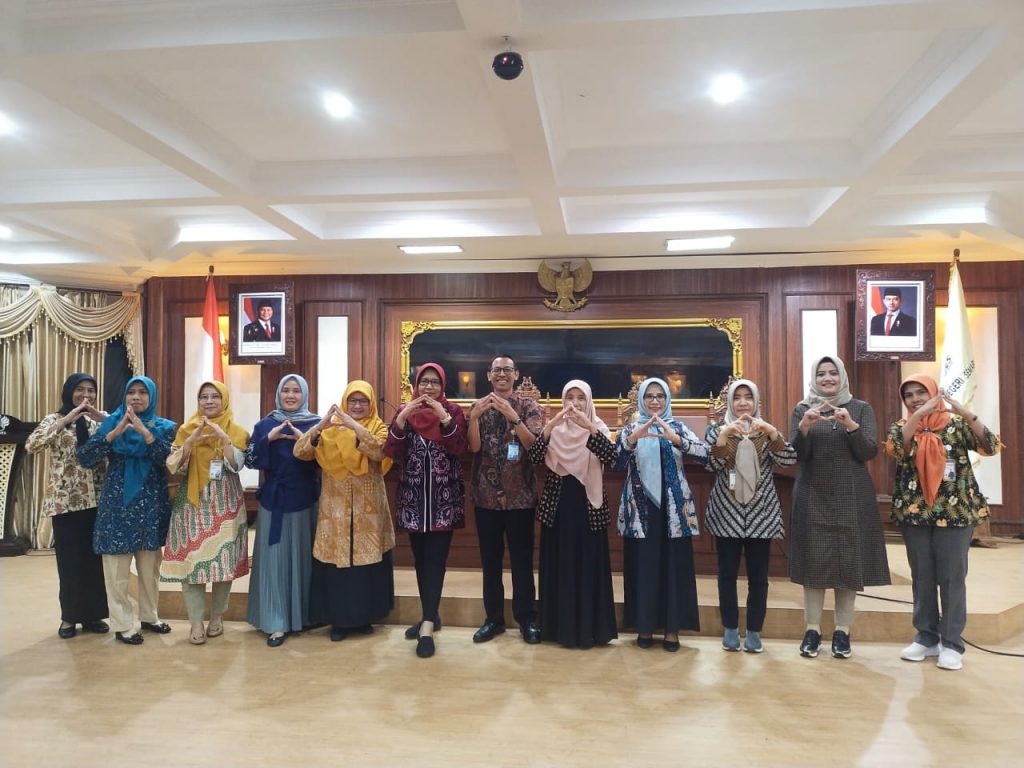
Arsip Keluarga: Identitas, Memori, dan Warisannya

Universitas Negeri Semarang > Arsip > news > Arsip Keluarga: Identitas, Memori, dan Warisannya

Arsip Keluarga: Identitas, Memori, dan Warisannya

Oleh Agung Kuswantoro

Saat kita sendiri – belum menikah – secara identitas (resmi) hanya memiliki KTP. KTP adalah arsip vital (perseorangan). Artinya wajib disimpan hingga meninggal dunia. Namun, seiring berjalannya waktu, kita menikah, sehingga muncul arsip berikutnya yaitu akta nikah dan Kartu Keluarga.

Keluarga adalah Ibu dan Bapak beserta anak-anaknya, seisi rumah (KBBI). Melihat definisi ini, maka awal mula keluarga adalah suami-istri dengan “jalur” menikah (resmi negara). Disitulah awal mula arsip keluarga muncul.

Ada apa saja dalam arsip keluarga? Pertama, identitas. Kita mengenal istilah: Gus, Kiai, Ning, dan istilah yang serupa. Ada juga istilah: dibelakang nama berupa suami, seperti: Titik titik Yudhoyono, Titik titik Hutapea, dan contoh lainnya.

Contoh-contoh ini, menunjukkan identitas keluarga. Bahkan, ada yang sampai merubah nama KTP dengan nama keluarga suaminya, secara administrasi, jika merubah nama, maka ke pengadilan. Mengapa mereka mau merubah namanya, setelah menikah di KTP-nya? Karena menunjukkan identitas.

Namun, ada juga yang tidak menunjukkan nama suami/bapaknya dengan tujuan agar anak berjuang dengan dirinya  dirinya, tanpa “embel-embel” nama keluarga/bapaknya. Pastinya, yang menunjukkan suami/bapak agar mengetahui identitas keluarganya. Identitas pun diperlukan dalam keluarga. Ada juga nama identitas keluarga menunjukkan lokasi/daerah seperti: Nasution, Hasibuan, Sitompul, dan lainnya.

Kedua, memori. Arsip keluarga menunjukkan memori. Terutama, keluarga yang sudah memiliki keturunan/anak. Fenomena sekarang: orang tua memposting/update status kegiatan anaknya. Bahkan, mbah/nenek/kakek meng-update status cucunya. Itulah memori.

Pertanyaan mengapa anak/cucu yang dijadi bahan update status atau fokus pembicaran? Karena punya hak: mana bapaknya dan mana ibunya. Pernah kita mendengar anak mencari bapaknya untuk diakui sebagai anak. Atau, seorang wanita bawa anak mencari bapaknya.

Memori atau ingatan muncul karena otak manusia memiliki kemampuan untuk merekam, menyimpan, dan mengingat kembali pengalaman yang terjadi. Oleh karenanya, pasanglah foto (kenangan) rumah yang baik agar memori kita mudah muncul di rumah. Minimal saat sedih atau marah, melihat foto yang terpajang di dinding yaitu foto pernikahan. Tadinya, marahan atau berantem jadi “akur” lagi setelah lihat foto “manten”. Itulah makna arsip sebagai memori.

Ketiga, terakhir, warisan. Dasar untuk membagi warisan adalah Kartu Keluarga. Warisan tidak akan “jatuh”/diberikan kepada pihak yang diluar kartu keluarga. Anak adalah pewaris keluarga. Jika ada pihak diluar keluarga meminta hak waris, maka namanya “merebut” warisan.

Hati-hati juga dalam masalah warisan, karena ada “warisan” berupa usaha yang akan diberikan ke anak. Ini juga bisa “ramai” jika tidak ditata dengan baik dalam keluarga. Oleh karenanya, peran Ibu-Bapak sangat berperan dalam mendidik anaknya. Karena, harta bukanlah satu-satunya untuk menjadikan sukses segalanya, karena ada ilmu yang bermanfaat: dan doa anak kepada orang tua adalah salah satu amal yang tidak terputus hingga akhirat.  Itulah tiga makna arsip keluarga yaitu identitas, memori, dan warisan.  Semoga kita bijak memahami dan mengaplikasikan arsip keluarga tersebut. []

Semarang, 15 Juli 2025 / 19 Muharrom 1447

Ditulis di UPT Kearsipan jam 10.30 – 10.50 Wib.

Related Posts

Leave a Reply

* Kode Akses Komentar:

* Tuliskan kode akses komentar diatas:

We are using cookies to give you the best experience. You can find out more about which cookies we are using or switch them off in privacy settings.
AcceptPrivacy Settings

GDPR

  • Privacy Policy

Privacy Policy

At unnes.ac.id, the privacy of our visitors is of extreme importance to us. This privacy policy document outlines the types of personal information that is received and collected by unnes.ac.id and how it is used.

Log Files

Like many other Web sites, unnes.ac.id makes use of log files. The information inside the log files includes internet protocol (IP) addresses, type of browser, Internet Service Provider (ISP), date/time stamp, referring/exit pages, and number of clicks to analyze trends, administer the site, track user’s movement around the site, and gather demographic information. IP addresses and other such information are not linked to any information that is personally identifiable.

Cookies

unnes.ac.id uses cookies to store information about visitors’ preferences, to record user-specific information on which pages the site visitor accesses or visits, and to personalize or customize our web page content based upon visitors’ browser type or other information that the visitor sends via their browser.

Third-party ad servers or ad networks use technology in their respective advertisements and links that appear on unnes.ac.id and which are sent directly to your browser. They automatically receive your IP address when this occurs. Other technologies (such as cookies, JavaScript, or Web Beacons) may also be used by our site’s third-party ad networks to measure the effectiveness of their advertising campaigns and/or to personalize the advertising content that you see on the site.

unnes.ac.id has no access to or control over these cookies that are used by third-party advertisers.

You should consult the respective privacy policies of these third-party ad servers for more detailed information on their practices as well as for instructions about how to opt-out of certain practices. unnes.ac.id’s privacy policy does not apply to, and we cannot control the activities of, such other advertisers or web sites.

If you wish to disable cookies, you may do so through your individual browser options. More detailed information about cookie management with specific web browsers can be found at the browsers’ respective websites.

Consent

By using our website, you hereby consent to our privacy policy and agree to its terms.

Update

This Privacy Policy was last updated on: 2023-02-14. Should we update, amend or make any changes to our privacy policy, those changes will be posted here.

Contact Us

If you have any questions, comments, or concerns about our Privacy Policy or our practices with regards to your personal information, please feel free to contact us through the contact form on our website or by emailing us at humas[at]mail.unnes.ac.id.

This Privacy Policy is intended as a general guide to our practices in collecting and using information. If there is any inconsistency between this Privacy Policy and the terms of the Service Agreement or any other terms that may apply to specific services you use, then those specific service terms shall apply.

Terms of Use

By using our website, you agree to abide by this Privacy Policy. If you do not agree with this Privacy Policy, please do not use our website. We reserve the right to update this Privacy Policy from time to time without prior notice. Please review our Privacy Policy periodically to check for changes. Your continued use of our website following the posting of changes to this Privacy Policy means that you accept the changes.

Thank you for reading our Privacy Policy. We are committed to protecting the privacy of our website visitors and will continue to update our Privacy Policy to ensure optimal protection.