With Diverse Composition, UNNES Accommodates the Interests of Various Stakeholders

Universitas Negeri Semarang > Sustainable Development Goals Universitas Negeri Semarang > SDGS Goals > SDG 16 - Peace, justice and strong institutions > With Diverse Composition, UNNES Accommodates the Interests of Various Stakeholders

Universitas Negeri Semarang (UNNES) consistently upholds the principle of public participation in university governance. This commitment is reflected in the appointment process of the Board of Trustees (Majelis Wali Amanat/MWA) for the 2022–2027 period, conducted in accordance with the Decree of the Minister of Education, Culture, Research, and Technology of the Republic of Indonesia No. 74280/MPK.A/KP.08.06/2022.

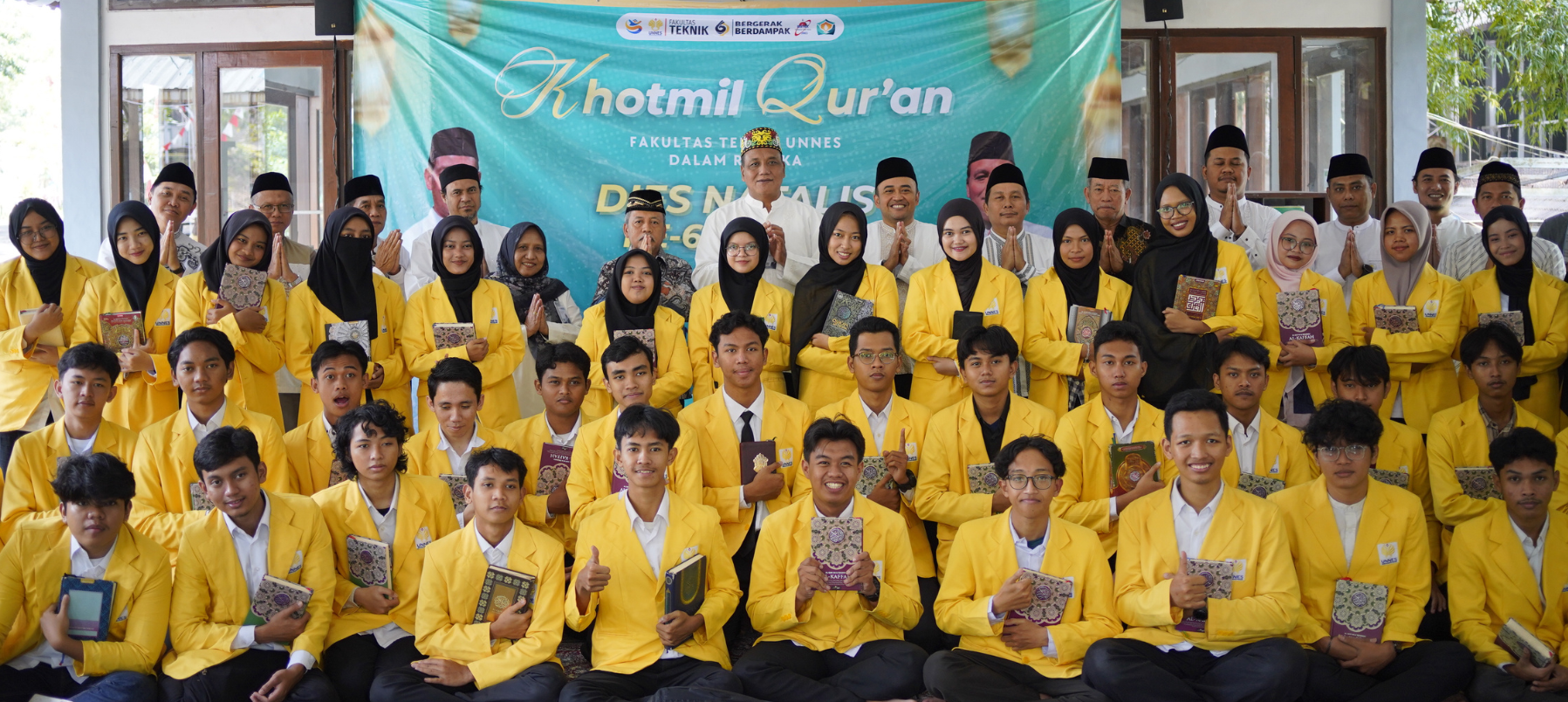
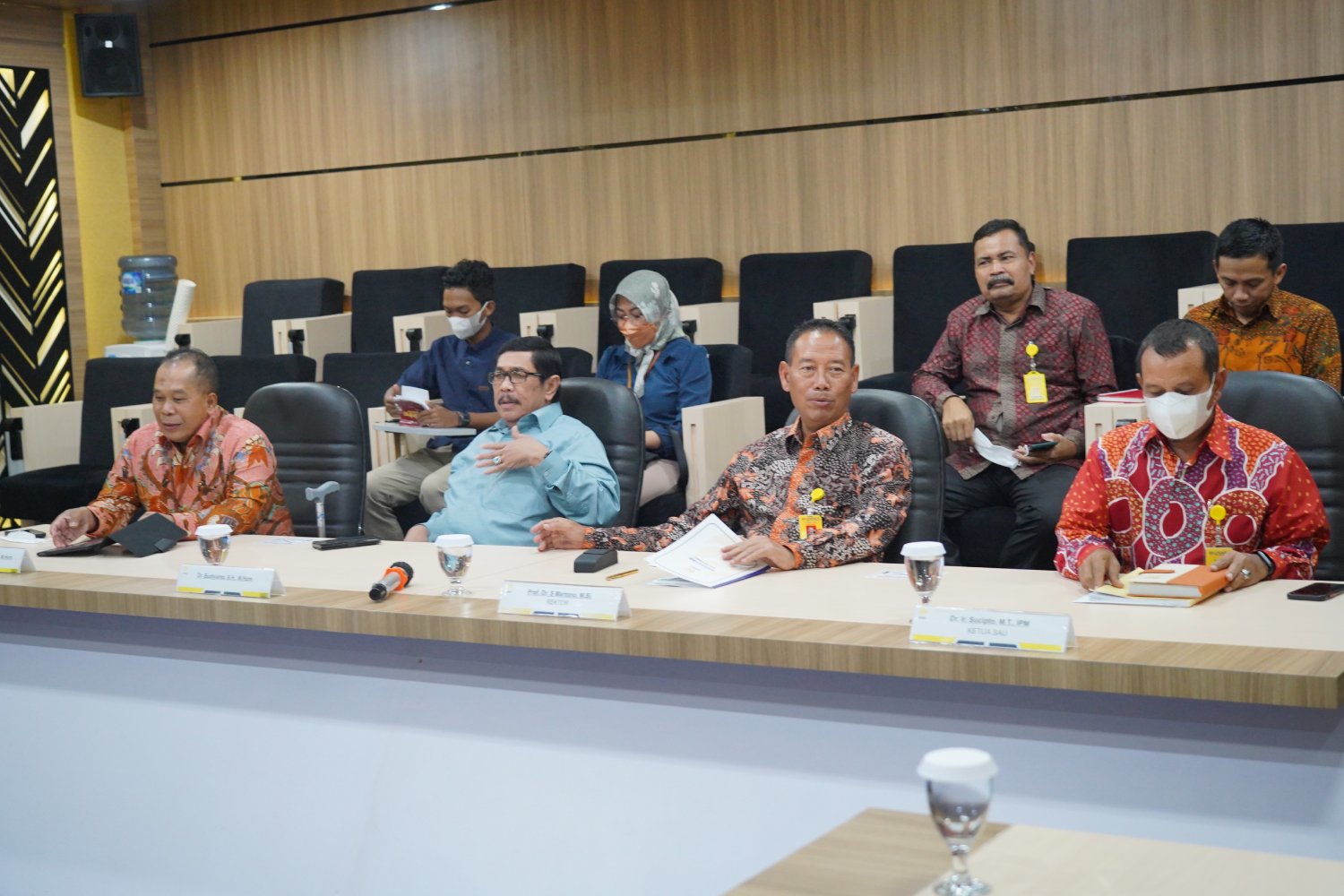
The UNNES Board of Trustees comprises 17 members who inclusively and proportionally represent various stakeholder groups, including representatives from the Ministry, the Rector, the Chair of the Academic Senate, and elements of society, alumni, faculty, education staff, and students. This inclusive composition ensures that university governance reflects the principles of representation, transparency, and collaboration in strategic decision-making processes.

As a multi-stakeholder governance body, the MWA oversees non-academic institutional affairs and ensures accountability and integrity within the university’s governance system. Through the MWA, UNNES guarantees that institutional policies and strategies are formulated through a transparent and representative process involving both internal and external stakeholders.
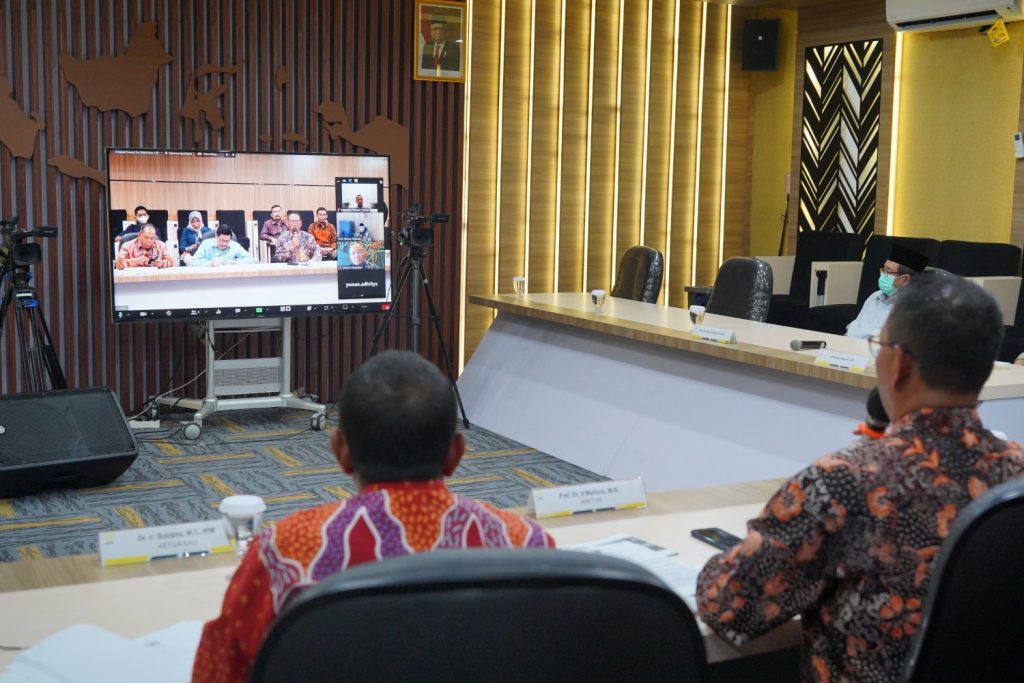
To further strengthen participatory governance, UNNES issued the Rector’s Circular Letter No. B/28481/UN37/PK.02.00/2024, which outlines internal policies and procedures for the involvement of local stakeholders in university planning, implementation, and evaluation processes. This policy serves as a formal mechanism ensuring that every strategic decision and program at UNNES is developed with consideration for community aspirations and aligned with sustainable stakeholder engagement principles.

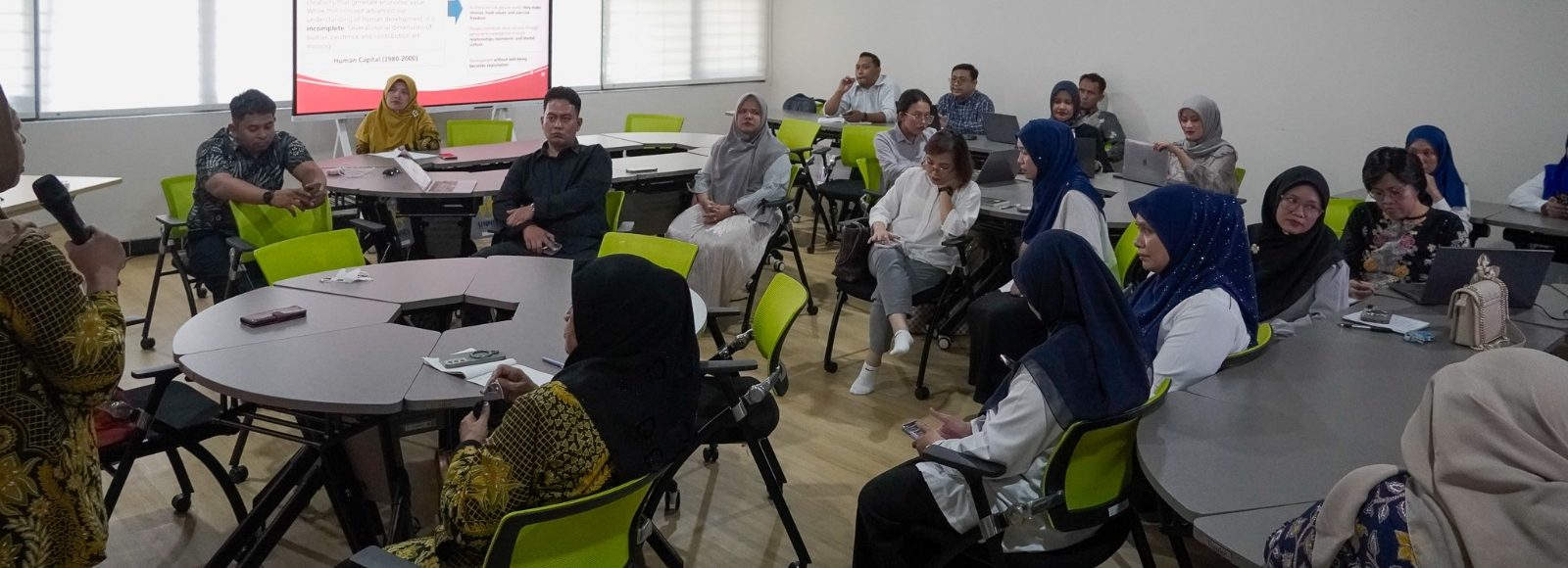
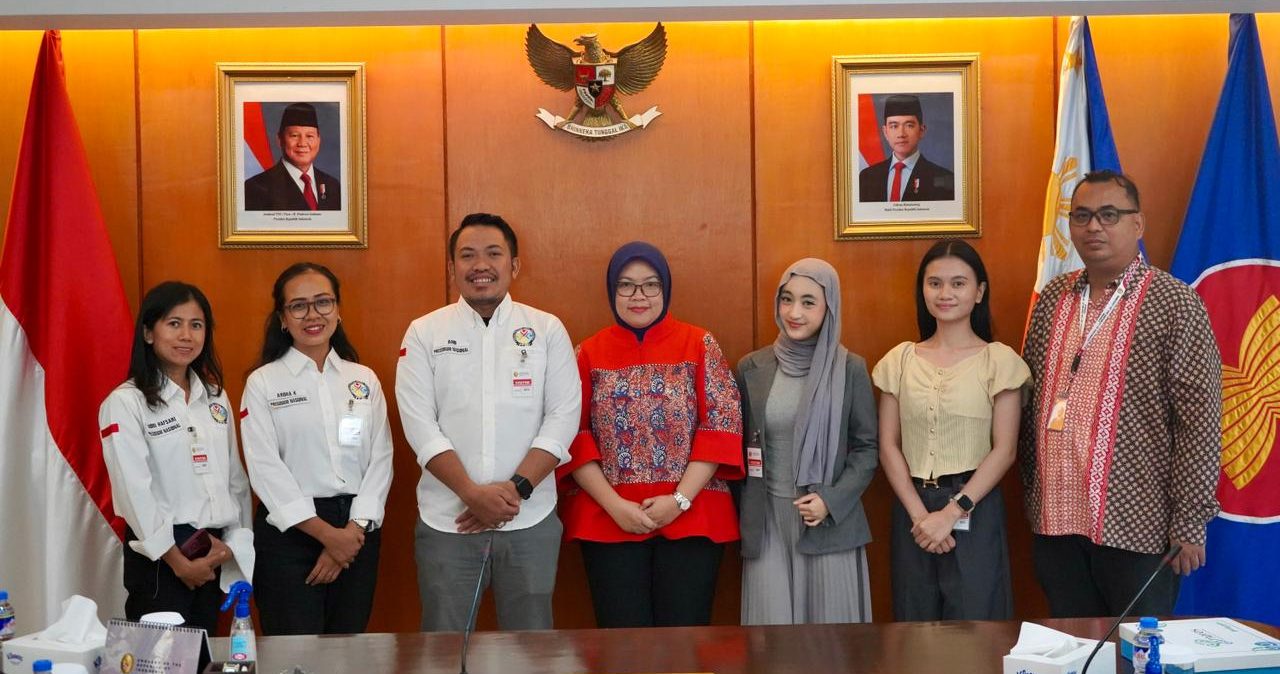
Complementing this regulatory framework, UNNES has also established the Campus Community Forum (Forum Masyarakat Lingkar Kampus) as an open and constructive platform for dialogue between university leaders and surrounding communities. Through this forum, local residents, local government, and civil society representatives can actively provide input, suggestions, and recommendations related to institutional development, academic activities, and the university’s social contributions to its surrounding environment.

These multi-layered engagement mechanisms demonstrate UNNES’s commitment to fostering effective, accountable, and participatory governance, in line with SDG 16.6 and SDG 16.7. By institutionalizing both formal and community-based participation models, UNNES ensures that local voices are integrated into university policy-making strengthening the bond between academic excellence and social responsibility.

UNNES Community Engagement News:

  1. Gunungpati Subdistrict Head Acknowledges UNNES’ Presence Has Made the Area More Developed and Well-Known
    https://unnes.ac.id/camat-gunungpati-akui-keberadaan-unnes-membuat-gunungpati-lebih-maju-dan-dikenal/
  2. UNNES Distributes Hand Sanitizers to Communities Around the Campus
    https://unnes.ac.id/unnes-memberikan-handsanitazer-kepada-masyarakat-lingkar-kampus/
  3. Building Synergy and Togetherness, UNNES Holds Gathering and Friendship with Community Leaders Around the Campus
    https://unnes.ac.id/sinergi-bangun-kebersamaan-unnes-sambung-rasa-dan-silaturahmi-dengan-tokoh-masyarakat-lingkar-kampus/
  4. Maintaining Relations, UNNES Organizes Focus Group Discussion with the Surrounding Community
    https://unnes.ac.id/jaga-silaturahim-unnes-selenggarakan-fgd-bersama-masyarakat-lingkar-kampus/
Related Posts

Leave a Reply

* Kode Akses Komentar:

* Tuliskan kode akses komentar diatas:

GDPR

  • Privacy Policy

Privacy Policy

At unnes.ac.id, the privacy of our visitors is of extreme importance to us. This privacy policy document outlines the types of personal information that is received and collected by unnes.ac.id and how it is used.

Log Files

Like many other Web sites, unnes.ac.id makes use of log files. The information inside the log files includes internet protocol (IP) addresses, type of browser, Internet Service Provider (ISP), date/time stamp, referring/exit pages, and number of clicks to analyze trends, administer the site, track user’s movement around the site, and gather demographic information. IP addresses and other such information are not linked to any information that is personally identifiable.

Cookies

unnes.ac.id uses cookies to store information about visitors’ preferences, to record user-specific information on which pages the site visitor accesses or visits, and to personalize or customize our web page content based upon visitors’ browser type or other information that the visitor sends via their browser.

Third-party ad servers or ad networks use technology in their respective advertisements and links that appear on unnes.ac.id and which are sent directly to your browser. They automatically receive your IP address when this occurs. Other technologies (such as cookies, JavaScript, or Web Beacons) may also be used by our site’s third-party ad networks to measure the effectiveness of their advertising campaigns and/or to personalize the advertising content that you see on the site.

unnes.ac.id has no access to or control over these cookies that are used by third-party advertisers.

You should consult the respective privacy policies of these third-party ad servers for more detailed information on their practices as well as for instructions about how to opt-out of certain practices. unnes.ac.id’s privacy policy does not apply to, and we cannot control the activities of, such other advertisers or web sites.

If you wish to disable cookies, you may do so through your individual browser options. More detailed information about cookie management with specific web browsers can be found at the browsers’ respective websites.

Consent

By using our website, you hereby consent to our privacy policy and agree to its terms.

Update

This Privacy Policy was last updated on: 2023-02-14. Should we update, amend or make any changes to our privacy policy, those changes will be posted here.

Contact Us

If you have any questions, comments, or concerns about our Privacy Policy or our practices with regards to your personal information, please feel free to contact us through the contact form on our website or by emailing us at humas[at]mail.unnes.ac.id.

This Privacy Policy is intended as a general guide to our practices in collecting and using information. If there is any inconsistency between this Privacy Policy and the terms of the Service Agreement or any other terms that may apply to specific services you use, then those specific service terms shall apply.

Terms of Use

By using our website, you agree to abide by this Privacy Policy. If you do not agree with this Privacy Policy, please do not use our website. We reserve the right to update this Privacy Policy from time to time without prior notice. Please review our Privacy Policy periodically to check for changes. Your continued use of our website following the posting of changes to this Privacy Policy means that you accept the changes.

Thank you for reading our Privacy Policy. We are committed to protecting the privacy of our website visitors and will continue to update our Privacy Policy to ensure optimal protection.