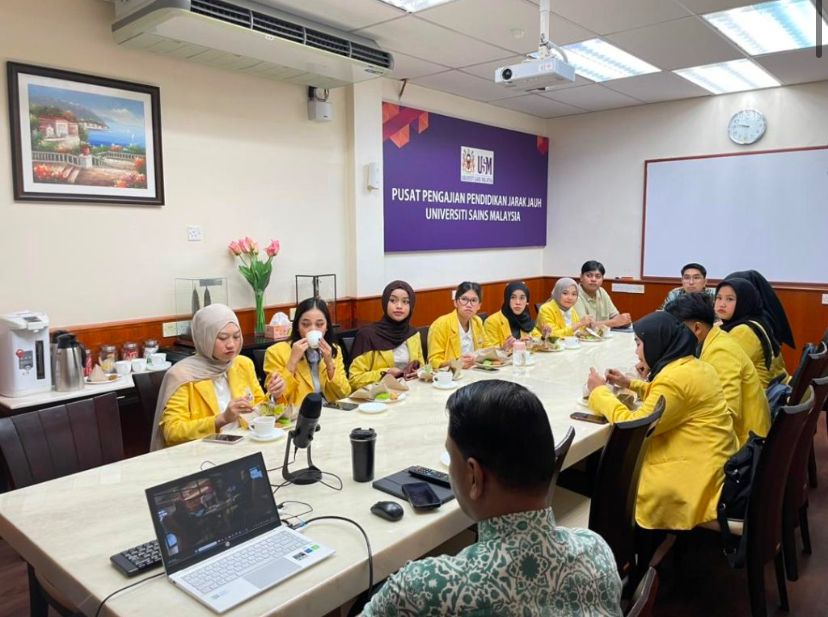
Pulau Pinang, Malaysia – Universitas Negeri Semarang (UNNES) strengthened its international collaboration in the field of sustainability by sending 10 students to participate in the International Programme on the Introduction to the Sustainability Agenda 2025 hosted by Universiti Sains Malaysia (USM) at its Main Campus in Pulau Pinang on 10–14 November 2025.
The five-day programme was organised by the Economics Division of the School of Distance Education (PPPJJ) USM and designed to broaden students’ understanding of sustainable development from academic, practical, and community perspectives. Through this activity, UNNES and USM further reinforced their shared commitment to advancing sustainability education in the ASEAN region.
During the programme, participants took part in a series of lectures, group discussions, and community engagement activities that introduced them to current global sustainability issues. The sessions highlighted how universities can play a strategic role in driving inclusive, environmentally responsible, and community-based development.
The opening lecture, delivered by YBrs. Dr. Wan Norhaniza from the Centre for Islamic Development Management Studies, explored the concept of green economy, ethical resource use, and the importance of community development in the sustainability framework. She also invited students to reflect on the challenges faced by developing countries in balancing economic growth with environmental protection.
A subsequent session by Dr. Normaliza from the Industry and Community Network Division focused on water and waste management as key components of sustainable development, in line with the targets of Sustainable Development Goal (SDG) 6. The discussion covered access to clean water, sanitation, and the health impacts of pollution, providing UNNES and USM students with a deeper understanding of common issues in many developing nations.
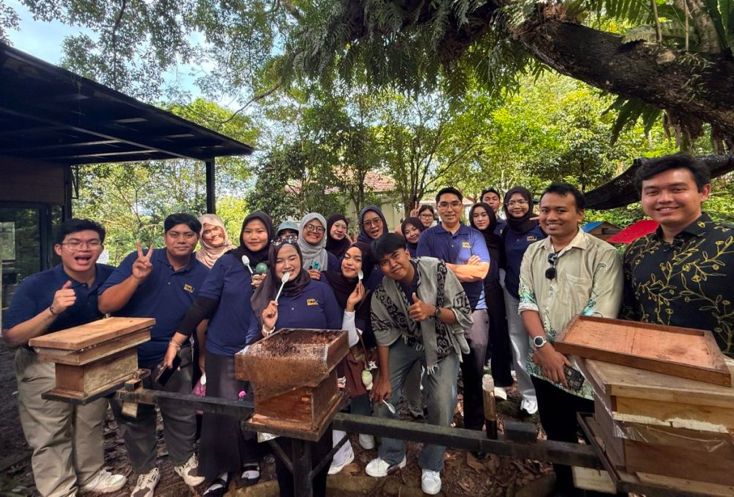
In addition to classroom-based learning, the programme included field visits to showcase practical applications of sustainability. Participants visited the Volvariella Mushroom Cultivation Project to learn about sustainable agricultural practices and innovation in food production. They also observed the Stingless Bee Honey Project, gaining insight into stingless bee farming, local honey processing, and the economic potential of such initiatives for rural communities, guided by project coordinator Mr. Muhamad Hamzah Abdul Hamid.
Representing UNNES, participant Lydia Felisa described the programme as a well-structured and eye-opening learning experience that allowed her to see firsthand how Malaysia approaches sustainability. She noted that USM’s close collaboration with local communities demonstrates a concrete and replicable model for implementing sustainability initiatives on the ground. Her fellow UNNES participant, Shada Muyassar, added that the combination of lectures, discussions, and fieldwork helped connect theoretical knowledge with real-life practice and revealed the practical challenges of putting sustainability into action.
From the host side, USM student assistant Daniel Anak Dennis viewed the programme as an important platform to strengthen academic networks and encourage idea-sharing between UNNES and USM students. Another USM student, Taufik Jefri, highlighted that coordinating activities for international participants helped enhance students’ leadership, communication, and event management skills, while also deepening their appreciation of cultural diversity and different learning styles.
The activity also featured an exchange session with student representatives from the Restu Desasiswa Residents’ Council (MPDR), where UNNES and USM students discussed the role of student organisations in promoting a culture of sustainability on campus through advocacy, community leadership, and volunteer-based projects.
Overall, this programme not only marked another concrete step in strengthening the partnership between UNNES and USM, but also demonstrated both universities’ active contribution to the Sustainable Development Goals—particularly SDG 4 (Quality Education), SDG 6 (Clean Water and Sanitation), SDG 11 (Sustainable Cities and Communities), SDG 12 (Responsible Consumption and Production), SDG 13 (Climate Action), and SDG 17 (Partnerships for the Goals)—through collaborative learning, community-oriented initiatives, and meaningful student engagement at the international level.