UNNES Upholds Water Quality Standards and Sustainability Through Robust Conservation Practices

Universitas Negeri Semarang > Sustainable Development Goals Universitas Negeri Semarang > News > News > UNNES Upholds Water Quality Standards and Sustainability Through Robust Conservation Practices

Semarang, November 2024 — Universitas Negeri Semarang (UNNES) continues to demonstrate leadership in environmental sustainability by aligning its water quality management practices with both national regulations and best practices for ecosystem protection. The university implements policies to ensure that water used and discharged from its campus does not harm surrounding ecosystems or public health, contributing to sustainable water management at the local level.

National Water Governance Standards
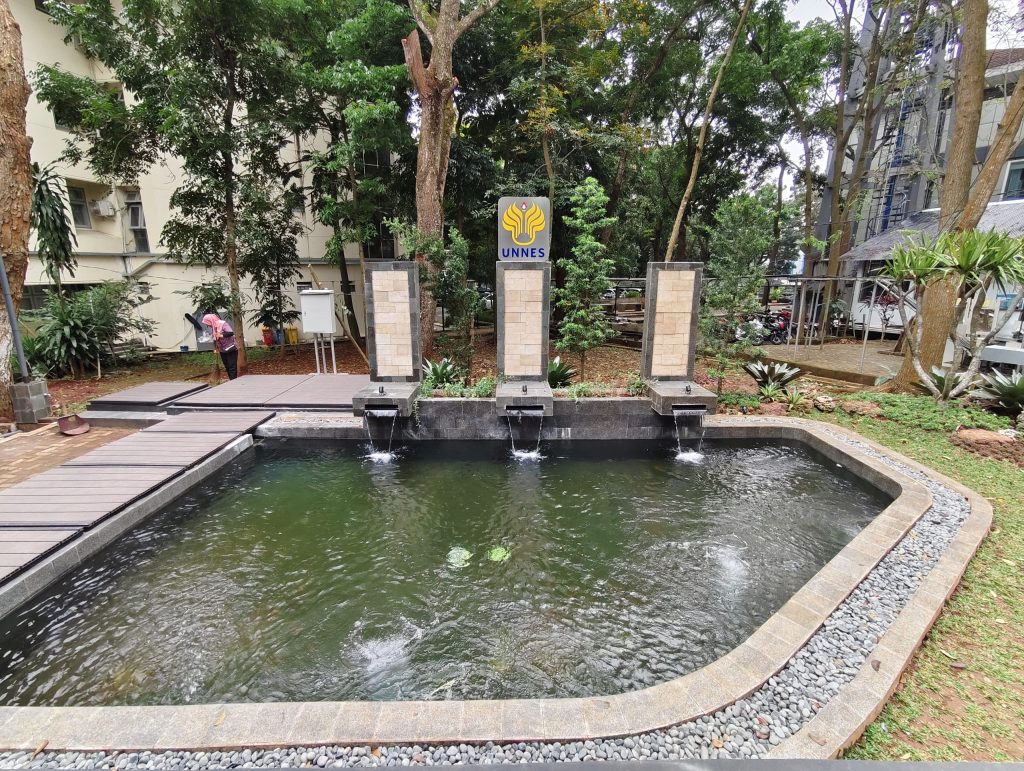
Maximizing Water Reuse through Integrated Water Management at UNNES
Source: UNNES’ Documentation

Water quality governance in Indonesia is regulated under Law No. 17 of 2019 on Water Resources, and specific wastewater quality standards are set by the Ministry of Environment and Forestry Regulation No. P.68/MENLHK/Setjen/Kum.1/8/2016, which defines permissible thresholds for wastewater discharge to protect ecosystems and human health.

In line with these regulations, UNNES has institutionalized comprehensive water conservation and quality management measures as part of its commitment to environmental stewardship.

Operationalizing Water Conservation Practices
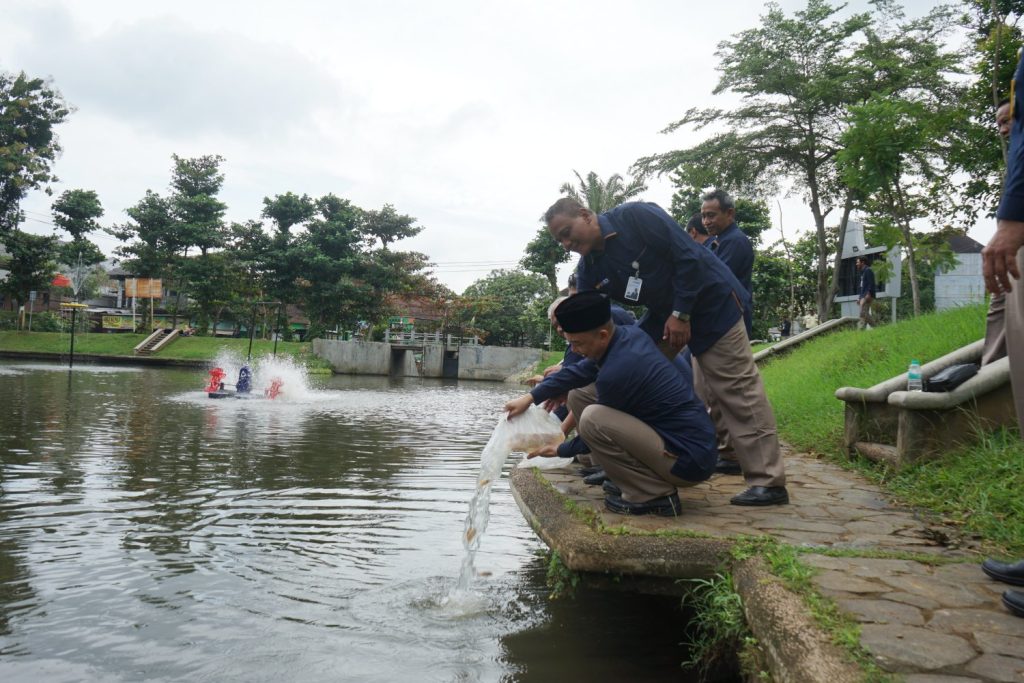
Sowing Fish Seeds in the Dam
Source: UNNES’ Documentation

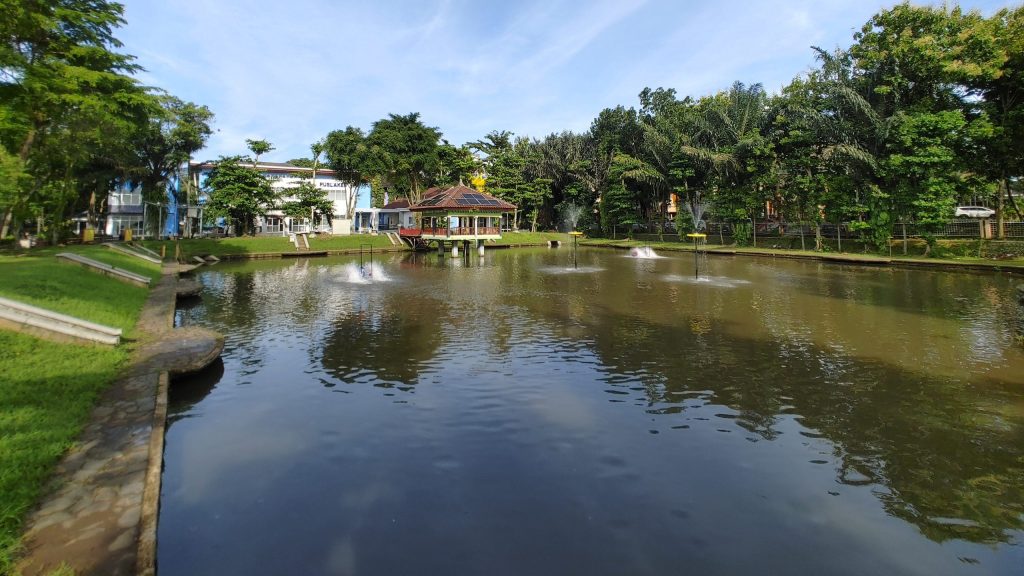
As part of its Conservation University framework, UNNES incorporates rainwater harvesting systems and embung (water retention basins) that help regulate stormwater runoff, improve water retention, and maintain water quality across the campus. These systems collect and store rainwater, ensuring that local ecosystems benefit from an adequate water supply and reducing reliance on external water sources.

These conservation practices are complemented by the use of water treatment technologies that enable the production of recycled, reusable water for campus operations, ensuring that any water discharged from the campus does not negatively affect aquatic wildlife or surrounding ecosystems.

Campus Regulations to Ensure Water Quality
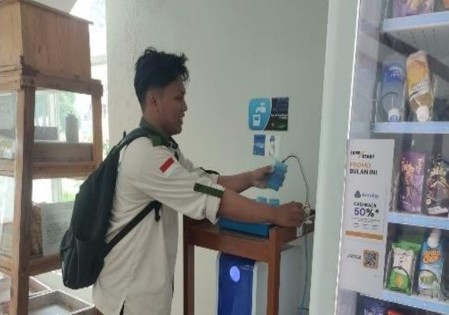
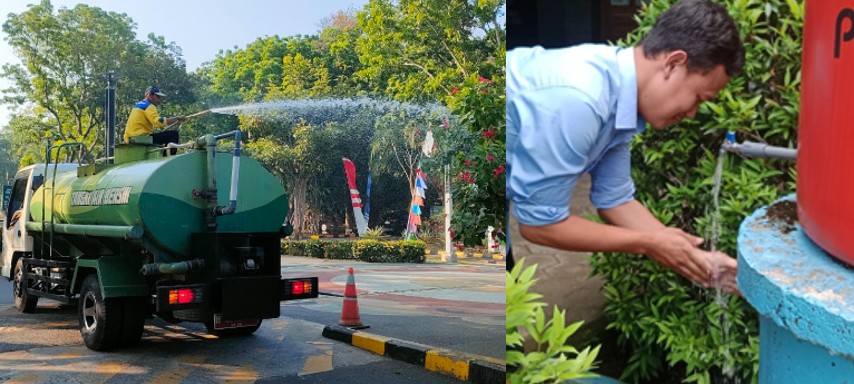
A Student is Refilling a Water Bottle Using the Drinking Water Filling Station at UNNES
Source: UNNES’ Documentation

UNNES also upholds water quality through Rector’s Regulation No. 21 of 2022 and Rector’s Regulation No. 109 of 2024, which establish clear criteria for water quality management across the campus. These regulations outline the university’s responsibilities in monitoring water discharge and ensure compliance with national water quality standards.

Additionally, the university implements regular monitoring and assessment of water quality to ensure that campus activities, from construction projects to daily operations, do not negatively impact the surrounding environment or public health.

Contributing to National and Global Sustainability Goals
Strengthening Regional Water Conservation through UNNES–Semarang City Government Collaboration
Source: UNNES’ Documentation

By aligning its water management policies with national regulations, UNNES contributes to Indonesia’s broader environmental sustainability goals while supporting global water governance frameworks, including SDG 6 (Clean Water and Sanitation) and SDG 14 (Life Below Water). The university’s efforts to maintain water quality and reduce environmental impact are an integral part of its larger commitment to sustainable development and ecosystem preservation.

Through these proactive measures, UNNES ensures that its campus operates in harmony with nature, serving as a model for other institutions in sustainable water management.

“Water is a precious resource, and we have a responsibility to use it wisely,” said the Rector of UNNES. “Through effective water conservation practices and strict adherence to national water quality standards, UNNES is contributing to both the local and global environmental sustainability efforts.”


Related Posts

Leave a Reply

* Kode Akses Komentar:

* Tuliskan kode akses komentar diatas:

GDPR

  • Privacy Policy

Privacy Policy

At unnes.ac.id, the privacy of our visitors is of extreme importance to us. This privacy policy document outlines the types of personal information that is received and collected by unnes.ac.id and how it is used.

Log Files

Like many other Web sites, unnes.ac.id makes use of log files. The information inside the log files includes internet protocol (IP) addresses, type of browser, Internet Service Provider (ISP), date/time stamp, referring/exit pages, and number of clicks to analyze trends, administer the site, track user’s movement around the site, and gather demographic information. IP addresses and other such information are not linked to any information that is personally identifiable.

Cookies

unnes.ac.id uses cookies to store information about visitors’ preferences, to record user-specific information on which pages the site visitor accesses or visits, and to personalize or customize our web page content based upon visitors’ browser type or other information that the visitor sends via their browser.

Third-party ad servers or ad networks use technology in their respective advertisements and links that appear on unnes.ac.id and which are sent directly to your browser. They automatically receive your IP address when this occurs. Other technologies (such as cookies, JavaScript, or Web Beacons) may also be used by our site’s third-party ad networks to measure the effectiveness of their advertising campaigns and/or to personalize the advertising content that you see on the site.

unnes.ac.id has no access to or control over these cookies that are used by third-party advertisers.

You should consult the respective privacy policies of these third-party ad servers for more detailed information on their practices as well as for instructions about how to opt-out of certain practices. unnes.ac.id’s privacy policy does not apply to, and we cannot control the activities of, such other advertisers or web sites.

If you wish to disable cookies, you may do so through your individual browser options. More detailed information about cookie management with specific web browsers can be found at the browsers’ respective websites.

Consent

By using our website, you hereby consent to our privacy policy and agree to its terms.

Update

This Privacy Policy was last updated on: 2023-02-14. Should we update, amend or make any changes to our privacy policy, those changes will be posted here.

Contact Us

If you have any questions, comments, or concerns about our Privacy Policy or our practices with regards to your personal information, please feel free to contact us through the contact form on our website or by emailing us at humas[at]mail.unnes.ac.id.

This Privacy Policy is intended as a general guide to our practices in collecting and using information. If there is any inconsistency between this Privacy Policy and the terms of the Service Agreement or any other terms that may apply to specific services you use, then those specific service terms shall apply.

Terms of Use

By using our website, you agree to abide by this Privacy Policy. If you do not agree with this Privacy Policy, please do not use our website. We reserve the right to update this Privacy Policy from time to time without prior notice. Please review our Privacy Policy periodically to check for changes. Your continued use of our website following the posting of changes to this Privacy Policy means that you accept the changes.

Thank you for reading our Privacy Policy. We are committed to protecting the privacy of our website visitors and will continue to update our Privacy Policy to ensure optimal protection.