KUALA LUMPUR – The Wiradamai Learning Center in Kuala Lumpur provides an alternative educational platform for Indonesian children in Malaysia. The center serves as a learning support hub and creative space for migrant children who have limited access to formal education, in line with the spirit of SDG 4 (Quality Education) and SDG 10 (Reduced Inequalities).
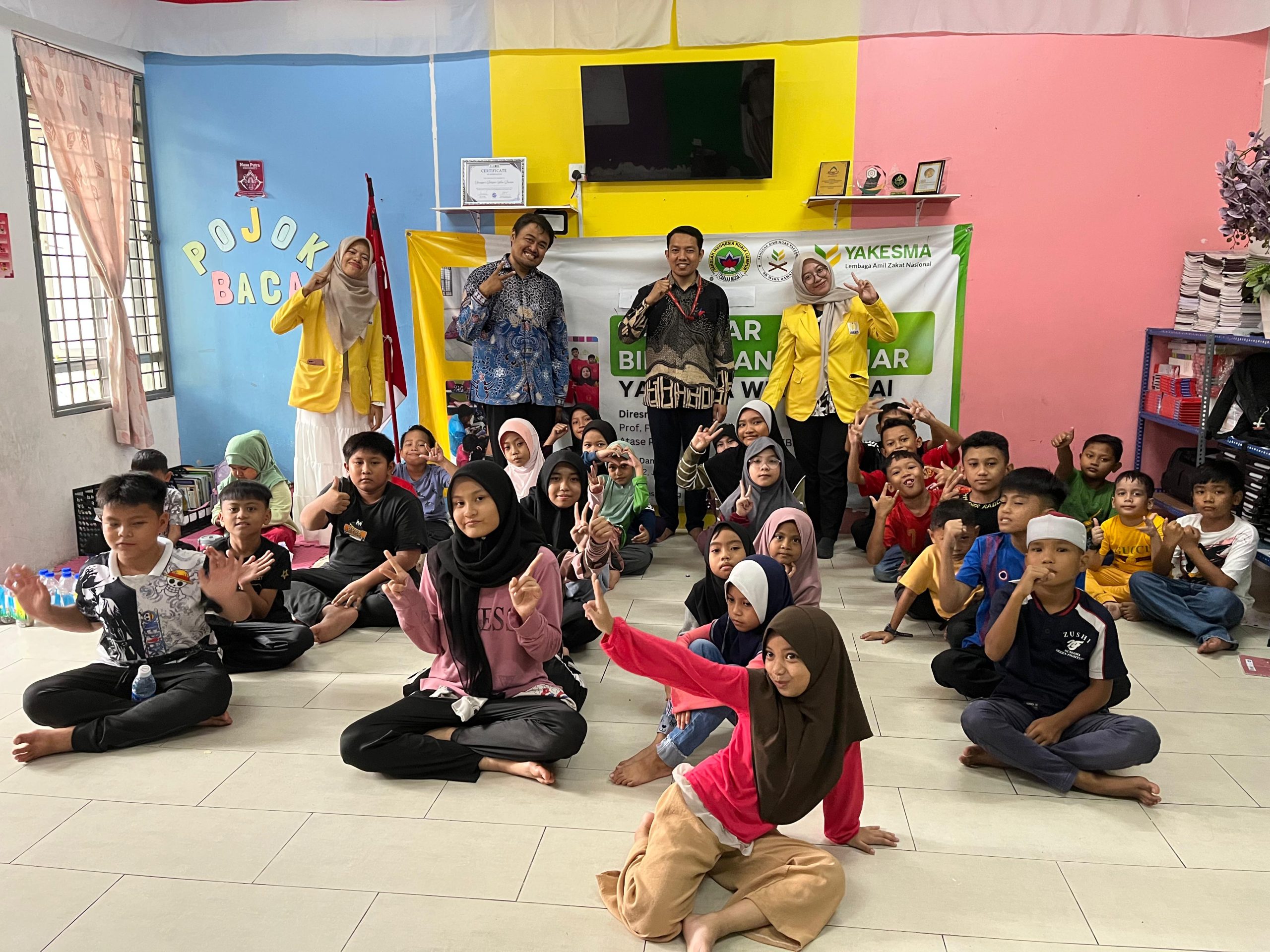
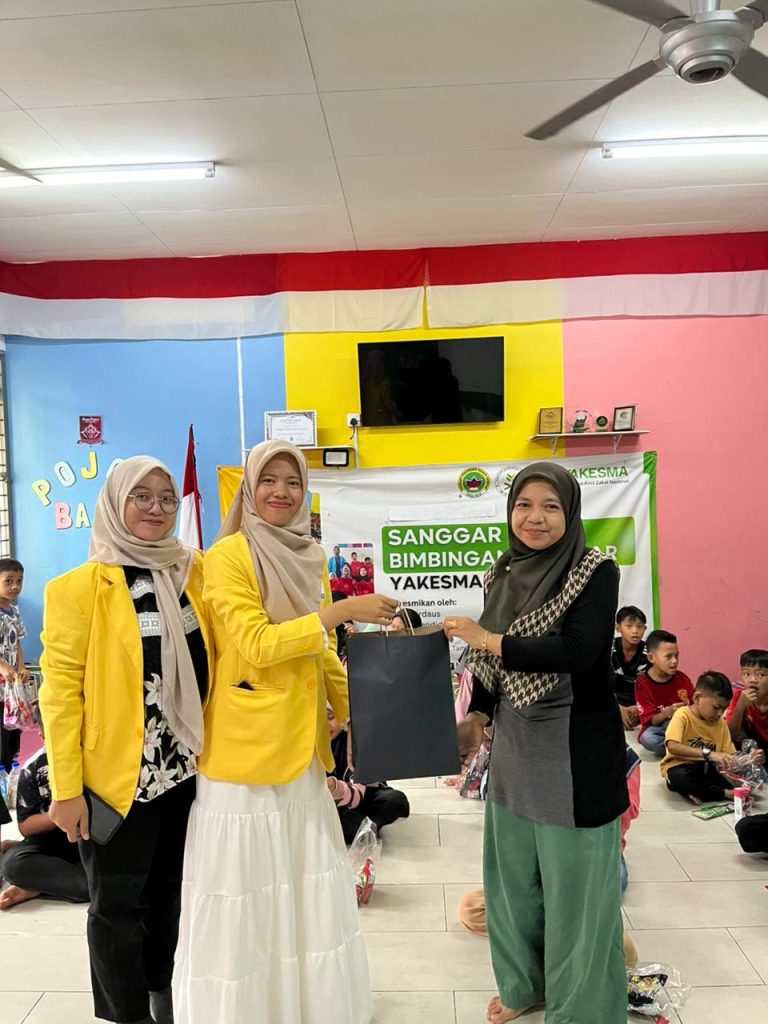
In an effort to improve the quality of learning for Indonesian children living abroad, the community service team from the Faculty of Mathematics and Natural Sciences (FMIPA), Semarang State University (UNNES) held an activity at the Wiradamai Learning Center on Wednesday (1/10). The program was supervised by UNNES FMIPA lecturer Adi Satrio Ardiansyah, S.Pd., M.Pd., along with a team of students. This collaboration between the Indonesian academic community and the learning center reflects the value of SDG 17 (Partnerships for the Goals), promoting cross-border cooperation for sustainable education.
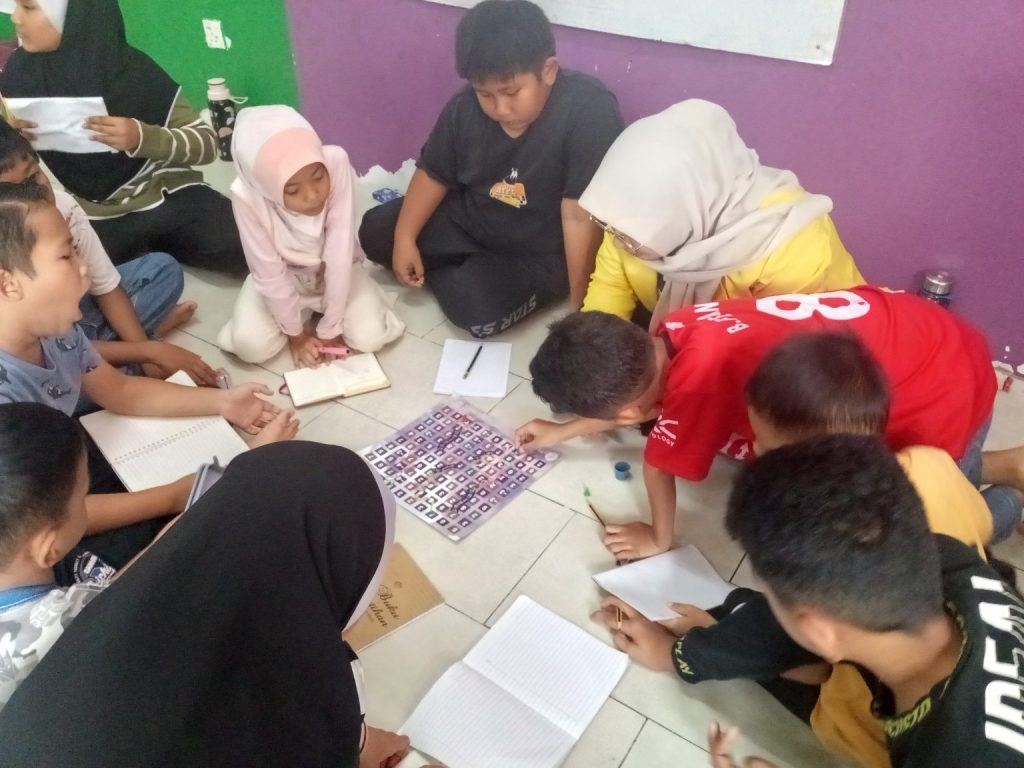
The community service activities focused on introducing various creative learning media based on traditional games and local culture, integrated into mathematics materials. The media introduced included counting balls (bekel) to practice basic arithmetic operations, geometric puzzles to introduce geometric shapes, traditional snakes and ladders combining the concept of integers with Indonesian traditional clothing, and a 3×3 number grid to practice verbal and numeric number conversion skills. These creative learning approaches support inclusive and engaging learning opportunities for children, a key aspect of SDG 4, which emphasizes equal access to quality education for all learners.
The activity began with remarks from the management of the Wiradamai Learning Center, who expressed appreciation for the program. The center is considered a meaningful forum that can strengthen the national identity of Indonesian children while providing additional knowledge in a fun and interactive way. Following the welcoming remarks, the event continued with an introductory session on learning media by the UNNES student team. The children were shown how to use each medium—from playing marbles and counting to trying out the traditional snakes and ladders game. All activities were interactive and guided directly by the students under the supervision of their lecturer, reflecting collaborative and participatory learning practices.
The next stage involved group practice, where children played with the learning media while reinforcing basic math concepts. The learning atmosphere was lively and joyful, combining traditional games with Indonesian cultural elements, thus bridging education with cultural identity. This approach not only supports academic learning but also nurtures a sense of belonging and pride in Indonesian heritage among migrant children—addressing social and cultural aspects of SDG 10 (Reduced Inequalities).
The activity concluded with a group photo of the participating children and the community service team. It is hoped that the learning media introduced can be reused in the center’s daily activities to sustain creative and meaningful learning experiences. In conclusion, the activities at the Wiradamai Learning Center demonstrate that learning can be creatively packaged by combining elements of tradition, culture, and innovation.
This program not only enriches the learning methods of Indonesian children living abroad, but also strengthens their sense of nationalism and opens up opportunities for future educational innovation. Through this collaboration between UNNES FMIPA and the Wiradamai Learning Center, the initiative embodies the values of SDG 4 (Quality Education), SDG 10 (Reduced Inequalities), and SDG 17 (Partnerships for the Goals), contributing to the realization of inclusive and sustainable education for all Indonesian children—wherever they are in the world.