Semarang – Universitas Negeri Semarang (UNNES) continues to reinforce its commitment to environmental conservation through a comprehensive water pollution control system implemented across the campus area. This initiative is part of UNNES’s broader strategy to manage water resources responsibly and ensure a sustainable and healthy campus ecosystem.
Water
Water management plays a central role in UNNES’s environmental policies. The university integrates water quality protection into its Green Campus Strategy, aligning with the institution’s mission as a World Reputable University and Pioneer of Excellence in Education.
The initiative aims to ensure that all water resources on campus are well-managed to meet both daily operational needs and the maintenance of green open spaces that symbolize UNNES’s conservation identity.
Water Pollution Control in Campus Area
To ensure a sustainable future for the university, UNNES has developed comprehensive water conservation guidelines that include specific measures for water pollution control. These guidelines ensure the effective use of water resources and safeguard the quality of water used for academic, environmental, and public purposes.
The approach promotes responsible water utilization and fosters a strong conservation spirit among all university members. Inspired by UNNES’s long-standing dedication to sustainability, these guidelines provide clear directions for every campus unit involved in water conservation and pollution prevention initiatives.
Policy Basis
UNNES’s water pollution control measures are grounded in several key policies and regulatory frameworks:
a. UNNES Master Plan
b. Regulation of the Minister of Health of the Republic of Indonesia No. 492/MENKES/PER/IV/2010 concerning Drinking Water Quality Requirements
c. Rector’s Regulation No. 22 of 2009, dated June 8, 2009, concerning Semarang State University as a Conservation University
d. Rector’s Regulation No. 6 of 2017 concerning The Conservation Spirit of Semarang State University
e. UI GreenMetric (4.1) – Water Conservation Program Implementation
f. UI GreenMetric (4.2) – Water Recycling Program Implementation
g. UI GreenMetric (4.3) – Water Efficient Appliance Usage
h. UI GreenMetric (4.4) – Treated Water Consumed
i. UI GreenMetric (4.5) – Water Pollution Control in Campus Area
Water Quality and Pollution Control
Water quality control — including pollution prevention — forms a crucial part of UNNES’s overall Water Conservation Management System. All campus water resources are safeguarded against contaminants and pollutants to preserve both human health and the ecological integrity of the campus.
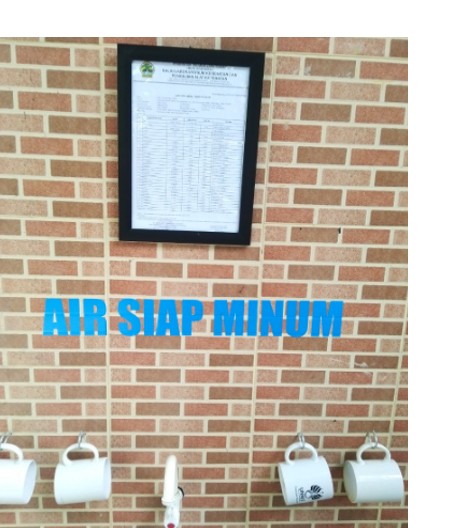
UNNES regularly conducts water quality monitoring to identify any potential contamination that may affect open spaces and aquatic ecosystems. Through early detection and mitigation, the university ensures that water remains clean, safe, and sustainable.
The Water Quality Monitoring Unit collaborates with the Central Java Provincial Health Office Laboratory to maintain the purity and safety of the water supply throughout the campus area.
“Our monitoring and pollution control systems are vital to sustaining UNNES’s conservation-based identity. Protecting water quality is not only an environmental duty but also an educational commitment to future generations,” said a representative from the UNNES Green Campus Team.
Monitoring Implementation
Monitoring activities are carried out in multiple locations across the university, including:
- Faculty of Mathematics and Natural Sciences (FMIPA) – Regular water quality inspections ensure that laboratory and research wastewater is treated before disposal.
- Faculty of Engineering (FT) – Monitoring stations detect and manage potential pollutants from workshop and laboratory activities to prevent environmental harm.
These coordinated efforts demonstrate UNNES’s proactive approach in integrating science, technology, and conservation principles into sustainable campus management.