Semarang – Universitas Negeri Semarang (UNNES) continues to advance its commitment to environmental sustainability through the implementation of an eco-friendly treated water system that ensures clean water for all academic, sanitary, and spiritual activities on campus. This initiative aligns with the university’s vision as a World Reputable University and a Pioneer of Excellence in Education, integrating sustainability into all aspects of campus operations.
Water Management
Water plays a vital role in supporting academic and community life at UNNES. As part of its conservation policies, UNNES ensures that water used for everyday purposes — such as drinking, cleaning, and sanitation — undergoes a comprehensive treatment process to maintain safety and quality.
The university applies two main technologies:
- Ozonation system for drinking tap water
- Filtering system for sanitary and operational purposes
Treated Water Consumed
Based on the 2024 UI GreenMetric report, more than 80% of the total water used at UNNES is treated water.
In total, UNNES manages approximately 412,275 liters of water per day, of which 339,786 liters (82%) are treated and consumed daily by nearly 17,000 campus users, including students, lecturers, and staff.
The treated water system is implemented in various faculties and institutional units, such as:
- Faculty of Education (FIPP)
- Faculty of Languages and Arts (FBS)
- Faculty of Social Sciences and Political Science (FISIP)
- Faculty of Mathematics and Natural Sciences (FMIPA)
- Faculty of Engineering (FT)
- Faculty of Sports Science (FIK)
- Faculty of Economics and Business (FEB)
- Faculty of Law (FH)
- Faculty of Medicine (FK)
- Postgraduate School (SPS)
- Institutional units including LPPM, LP3, and Rectorate Building
Water Storage and Distribution System
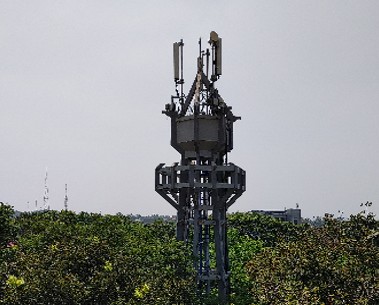
To support water treatment and supply, UNNES has installed water towers and storage tanks across the campus area.
- Water towers located at the Rectorate Building, Ulul Albab Mosque, and several faculties distribute clean water efficiently to surrounding structures.
- The down-feed system provides water from nearby wells to areas beyond the reach of the main towers, ensuring equal access across all buildings.
These infrastructures guarantee a consistent and safe water supply for academic activities and daily campus operations.
Clean Water for Drinking Purposes
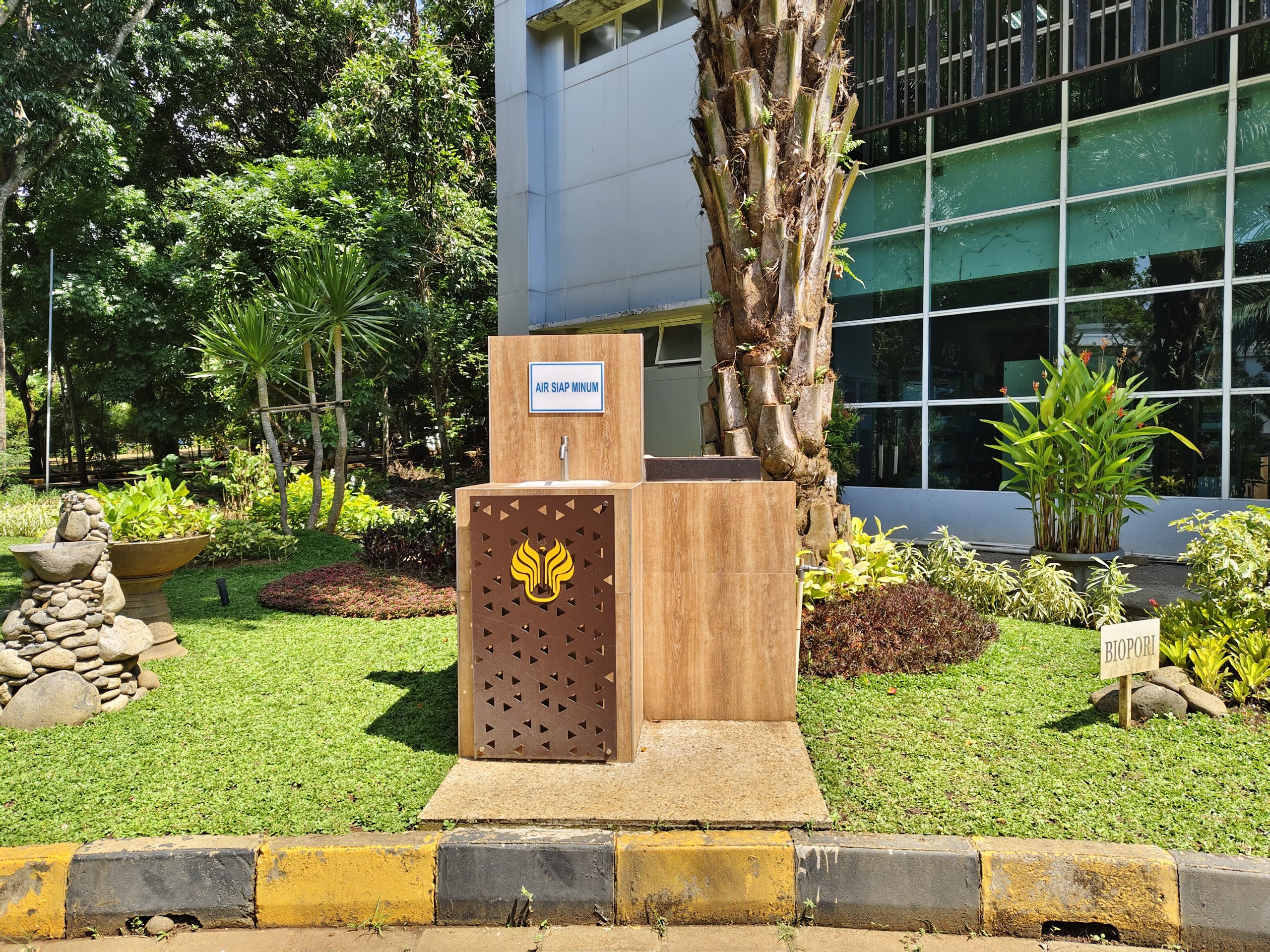
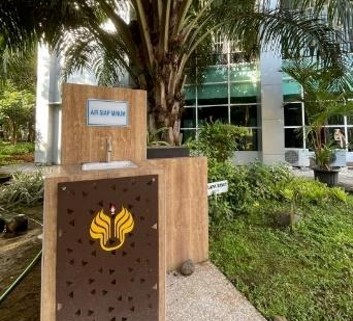
UNNES provides drinkable tap water equipped with filtration systems at several strategic points, including the FMIPA Deanery, FEB, FT, and LPPM areas.
This system encourages the university community to bring personal tumblers or bottles, reducing the use of single-use plastics while ensuring safe and healthy drinking water for everyone.
Clean Water for Ablution Facilities
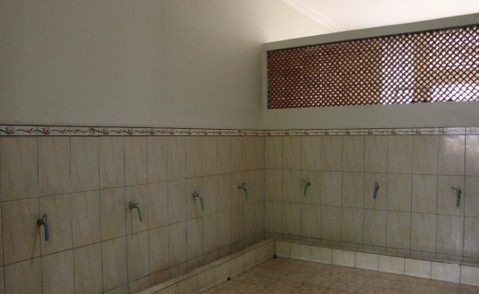
Recognizing the importance of spiritual well-being, UNNES ensures the availability of clean water for ablution (wudu) in all mosques and prayer rooms across the campus.
Facilities such as Ulul Albab Mosque, Rectorate Mosque, Faculty of Education Mosque, and other faculty prayer rooms are equipped with sanitary water systems to maintain comfort, hygiene, and accessibility for worshippers.
Clean Water for Sanitation and Hygiene
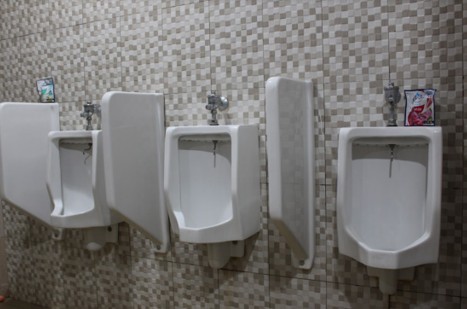
Clean water is also used to support toilets, urinals, and washbasins in all academic and administrative buildings.
These facilities are connected directly to the main clean water distribution lines to ensure efficient water flow and sanitation management.
Post-pandemic, UNNES maintains 121 handwashing stations strategically located throughout the campus to encourage proper hygiene practices and health awareness among students, lecturers, and staff.
This initiative strengthens UNNES’s ongoing commitment to creating a healthy and sustainable campus environment.