Semarang, September 2024 — Universitas Negeri Semarang (UNNES) reinforces its commitment to sustainability and food security through the implementation of the Vice Rector Circular Letter No. B/28480/UN37/RT 03.03.00/2024 on the Optimization of Sustainable Food Sources. This policy formalizes the university’s efforts to ensure that food supplied and consumed on campus is sourced from sustainably harvested and locally produced methods.
The circular mandates the use of eco-friendly production practices, responsible consumption, and food safety standards in all campus food services. It also strengthens coordination among campus units, student organizations, and local partners in supporting a sustainable and circular food ecosystem.
Ecofarm and Sustainable Agriculture Innovation

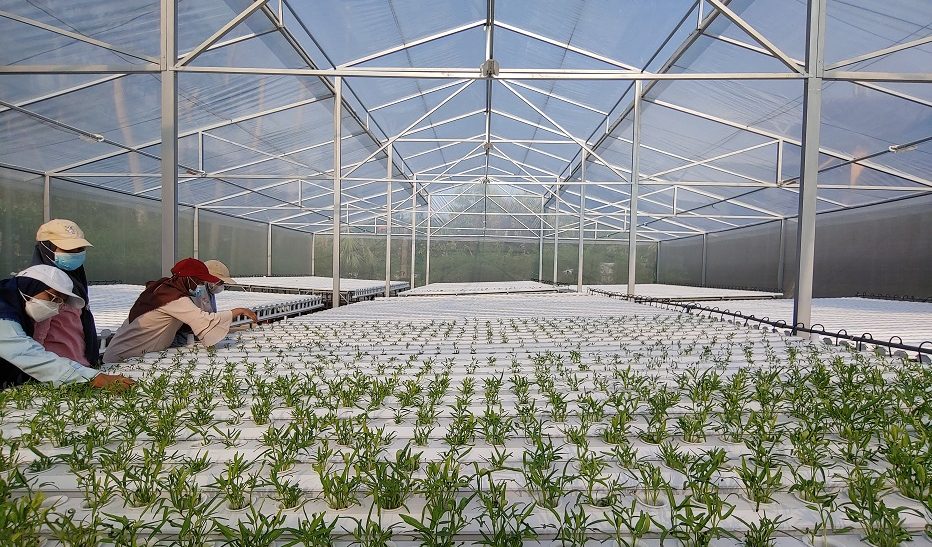
Environmental Science Students Explore Sustainable Agriculture at Ecofarm
Source: UNNES’ Documentation
As part of this policy, UNNES operates a pioneering Ecofarm Initiative under the Sustainable Campus Program. The ecofarm features hydroponic gardens that produce fresh vegetables, including water spinach, lettuce, and spinach, using water-efficient and pesticide-free methods. This initiative promotes a sustainable model of urban farming that supports local food security and serves as a living laboratory for students in environmental science and agricultural technology.
The ecofarm also supports community empowerment programs, enabling local farmers and students to collaborate on eco-friendly food production and marketing.
Clean Kitchen and Healthy Canteen Policies
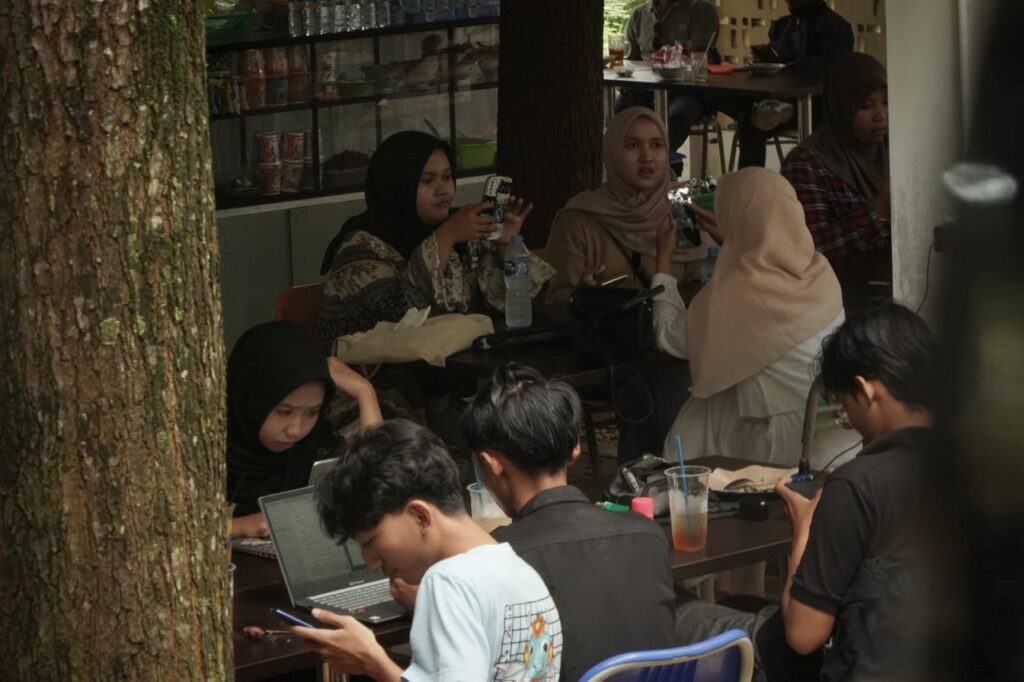
Several Students Are Enjoying a Meal at the UNNES Cafeteria
Source: UNNES’ Documentation
In line with its sustainability agenda, UNNES has launched the Clean Kitchen Policy and Healthy Canteen Policy to ensure hygienic food preparation and promote health-conscious, eco-friendly eating habits on campus.
The policies require all campus food providers to adopt hygienic kitchen practices, reduce the use of single-use plastics, and provide vegetarian and locally sourced menu options. These measures have made UNNES a model for green and healthy food systems among Indonesian universities.
Partnerships with Local Farmers and Circular Food Economy

Peanut Planting Activity
Source: Kumparan
To strengthen sustainable local food systems, UNNES has established formal partnerships with local farmers to utilize parts of campus land for eco-friendly and organic agriculture. This collaboration enhances community participation in sustainable farming, providing shared benefits for both the university and nearby rural areas.
UNNES also emphasizes circular food economy principles, where food waste from campus canteens and kitchens is repurposed into compost or maggot-based animal feed, reducing waste and closing the sustainability loop.
Student-led initiatives, including culinary innovation programs, food festivals, and workshops on sustainable packaging, further promote responsible food consumption and minimize environmental impact.
Empowering Students and Community Through Sustainable Food Programs
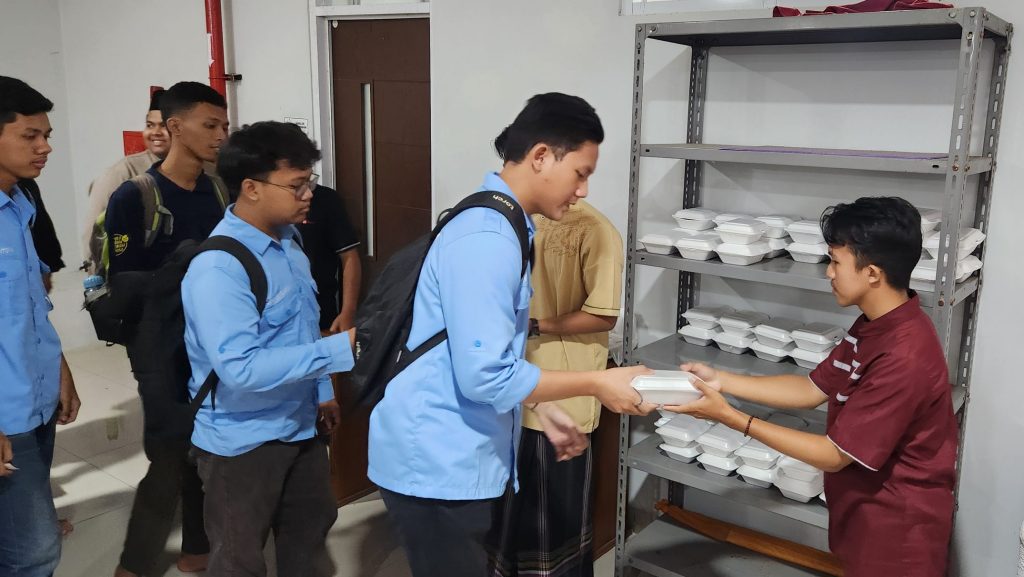
Distribution of Free Food for the students
Source: UNNES’ Documentation
Programs such as “Nasi Jumat Berkah”, organized by the Faculty of Economics and Business, exemplify how UNNES integrates SDG 2 (Zero Hunger) into its campus culture. This program distributes nutritious meals to underprivileged communities, strengthening social solidarity and food equity.
Educational campaigns on food waste reduction, conducted by UNNES students and partners, have also received national recognition for inspiring sustainable food habits among young Indonesians.
Anchoring Sustainable Food in the SDGs Framework

The Nutrition Study Program of the Faculty of Health Sciences (FIK) at UNNES Participates in the MURI Record to Prevent Stunting
Source: Krogja.com
UNNES’s comprehensive approach to sustainable food governance aligns with multiple United Nations Sustainable Development Goals (SDGs) — notably SDG 2 (Zero Hunger), SDG 12 (Responsible Consumption and Production), and SDG 13 (Climate Action).
These commitments are also reflected in UNNES’s global recognition through the UI GreenMetric World University Ranking, where the university consistently ranks among Indonesia’s leading sustainable campuses.
“UNNES’s food policies represent a holistic integration of sustainability, community empowerment, and innovation,” said the Vice Rector for General Affairs and Finance. “By connecting ecological responsibility with food culture, we are shaping a healthier and more sustainable future for our university and society.”