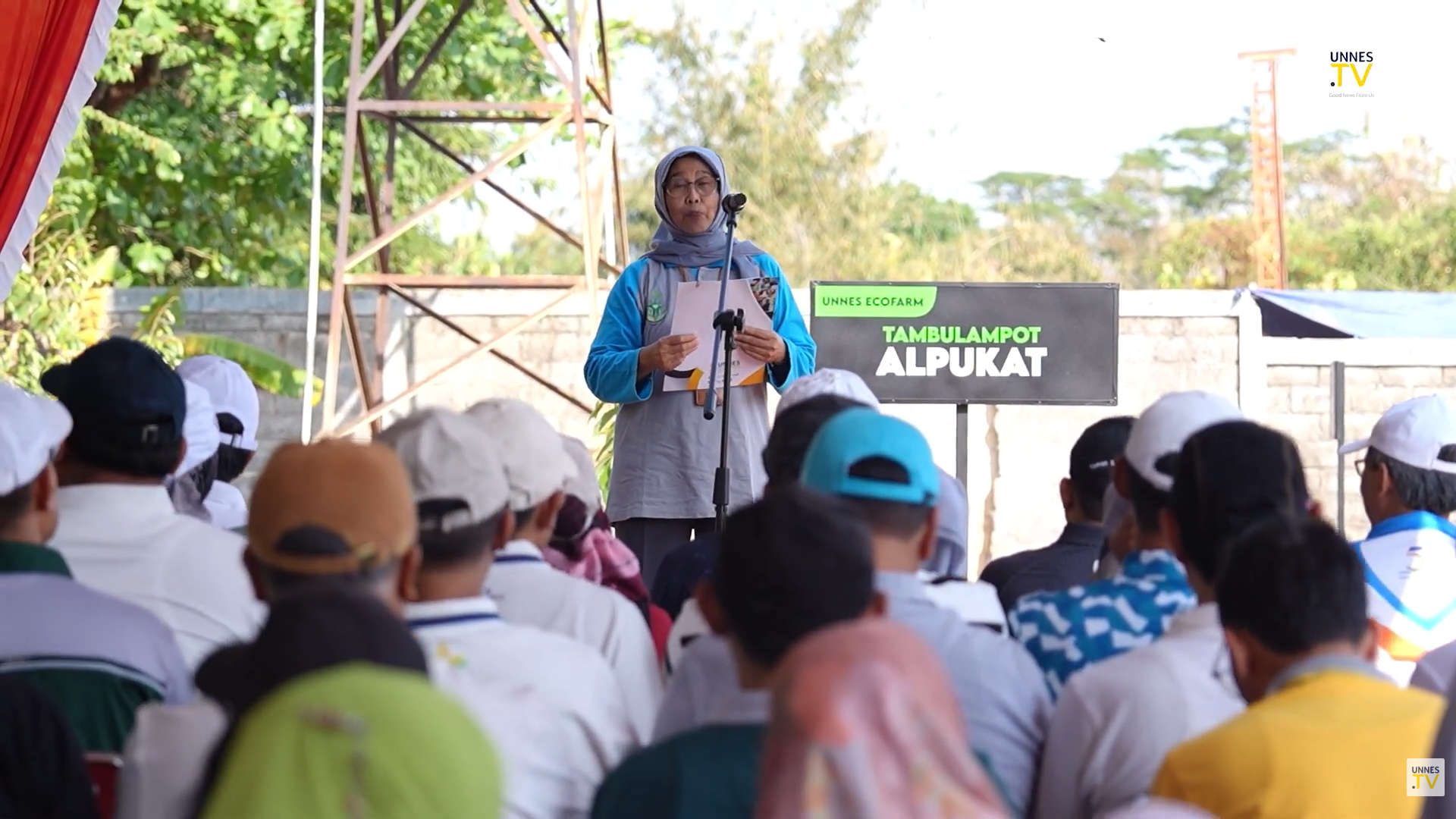
Semarang, November 2024 — Universitas Negeri Semarang (UNNES) continues to advance sustainable land management and eco-friendly agricultural innovation through its Ecofarm, located within the Green Techno Park, serving as a hub for education, research, and community empowerment in sustainable farming.
As a Conservation University with a Global Reputation, UNNES integrates scientific research, technology, and community outreach to promote responsible resource management, soil health, and food security in alignment with the United Nations Sustainable Development Goals (SDGs) — particularly SDG 2 (Zero Hunger), SDG 12 (Responsible Consumption and Production), and SDG 13 (Climate Action).
Ecofarm as a Learning and Research Center

Environmental Science Students Explore Sustainable Agriculture at Ecofarm
Source: UNNES’ Documentation
The UNNES Ecofarm serves as a learning and research center for students, researchers, and local communities, with a focus on organic farming, agroforestry, and sustainable agricultural practices. The facility demonstrates environmentally friendly practices, including hydroponics, organic waste recycling, and natural pest management, while emphasizing minimal environmental impact and maximizing resource efficiency.
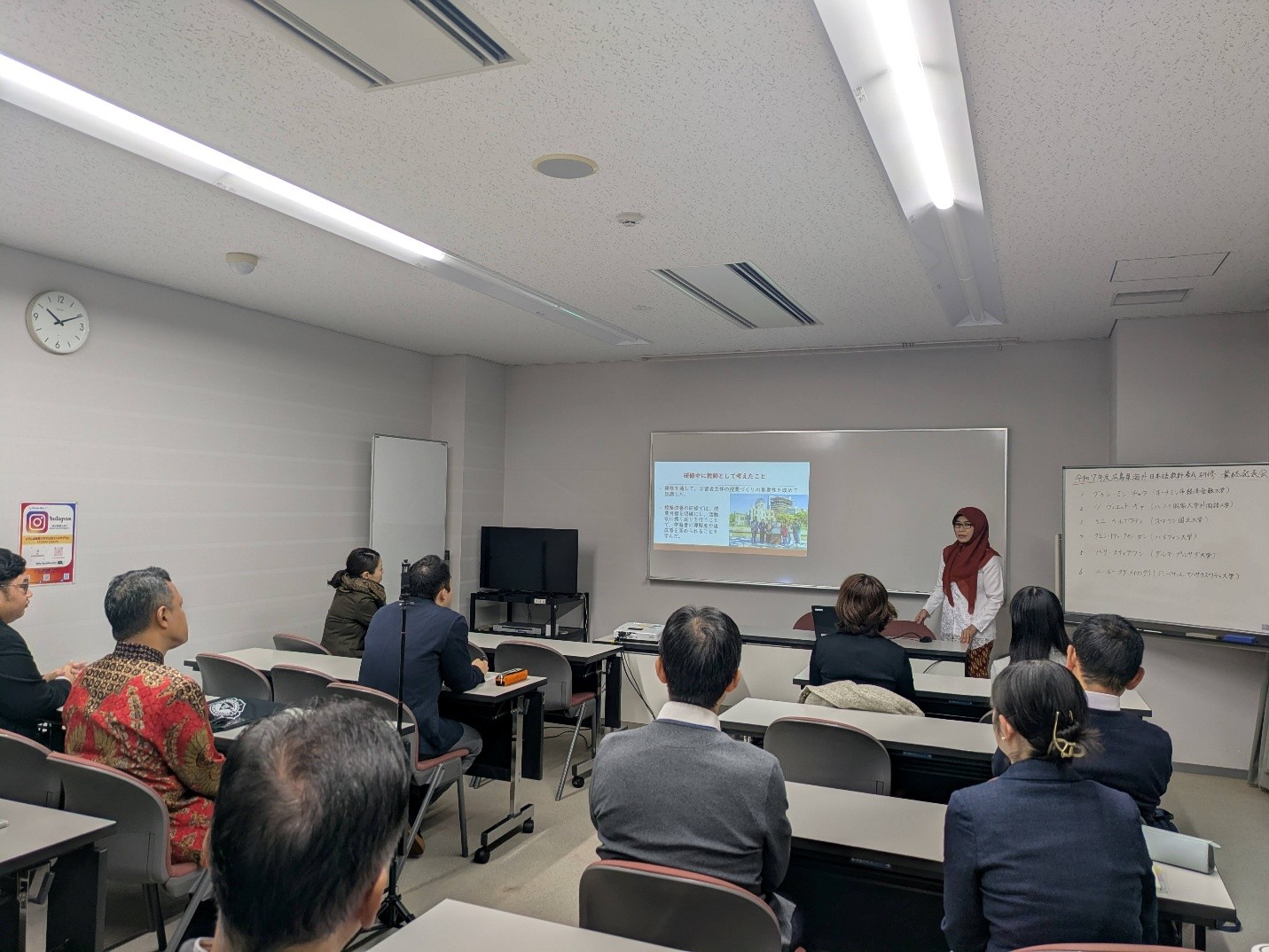
Students of Environmental Science at UNNES actively explore the Ecofarm to gain practical knowledge of sustainable agriculture and ecosystem management through hands-on experience and applied research projects. The Ecofarm also functions as an educational showcase for national and international visitors, offering workshops, training sessions, and public outreach programs on food sustainability and climate-smart farming.
Community Empowerment and Farmer Collaboration

Young Farmers in Branjang Village Create Sustainable Agriculture with Organic Fertilizers
Source: UNNES’ Documentation
UNNES collaborates with local farmers, agricultural youth groups, and government agencies to expand the reach of sustainable agriculture education beyond the campus. Through these partnerships, the university conducts training on producing organic fertilizers from livestock waste, which promotes soil fertility while reducing dependence on chemical fertilizers.
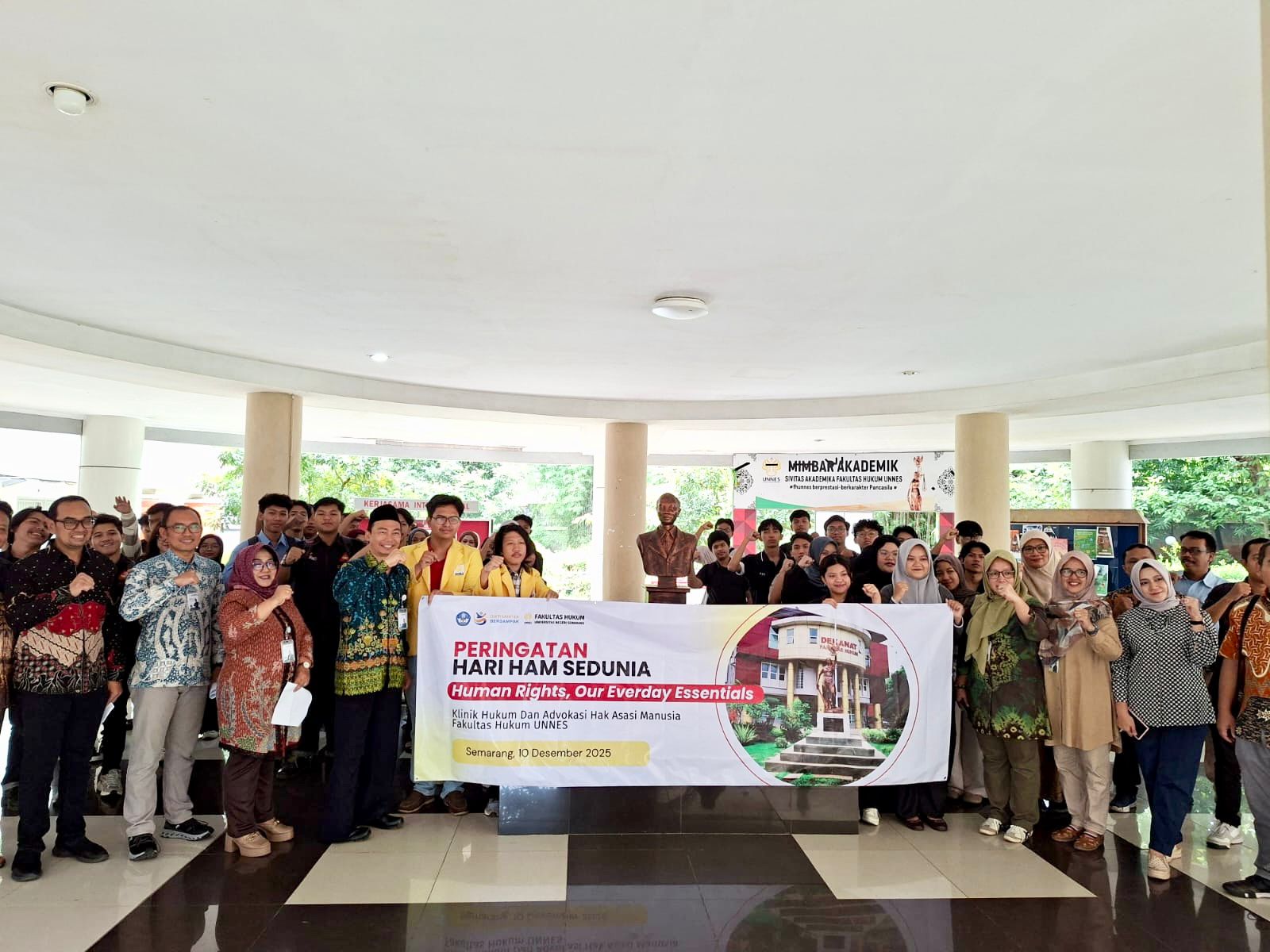
A recent collaboration between the Faculty of Economics and Business (FEB) UNNES, the Agricultural Extension Agency (BPP) of West Ungaran, and young farmers in Branjang Village successfully introduced community-based organic fertilizer production to improve agricultural sustainability and productivity.
UNNES also partners with the Semarang Agriculture Department and local farmer groups such as KT Ngambarsari to support food security initiatives through joint training on sustainable farming and local food resilience.
Promoting Sustainability Through Innovation and Education
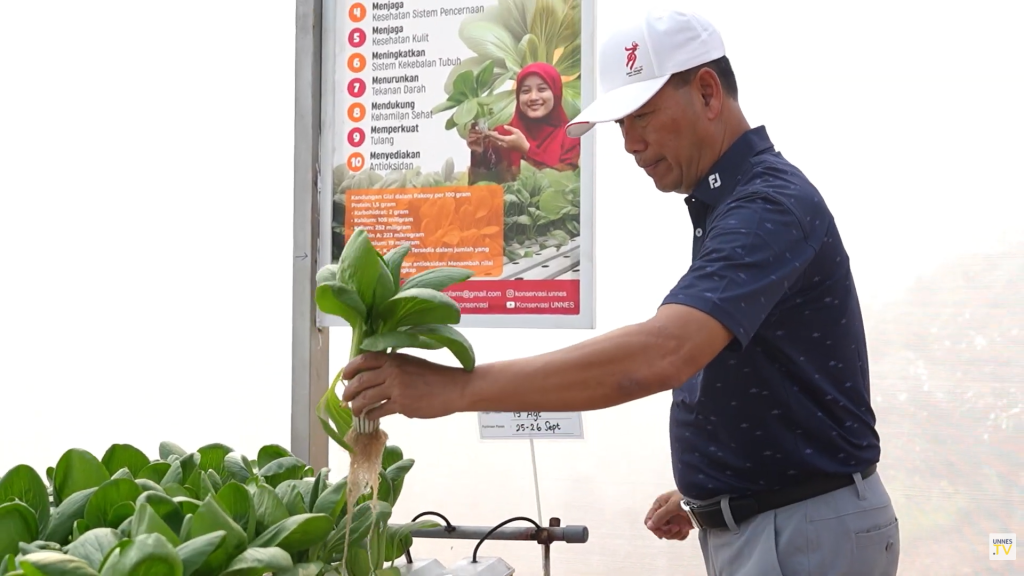
Prof. Dr. S Martono, M.Si., Pruning Pak Coi’s Plants
Source: UNNES’ Documentation
UNNES’s approach to sustainable agriculture emphasizes education-driven innovation. By teaching communities to manage agricultural waste responsibly, use natural composting techniques, and apply green technologies such as hydroponic systems and bio-fertilizers, the university creates a scalable model of low-impact, high-efficiency agriculture.
These programs are complemented by student-led outreach and media campaigns that highlight the importance of eco-friendly food systems, including the promotion of organic farming on UNNES’s official social media platforms.
Additionally, UNNES produces video-based learning materials and documentation to share knowledge broadly, including through YouTube educational content that promotes sustainable farming practices and climate adaptation strategies.
Advancing SDGs Through Sustainable Agriculture
Through its Ecofarm and community-based projects, UNNES demonstrates a strong commitment to integrating education, research, and social responsibility for a sustainable future. These initiatives directly support the university’s mission as a conservation-driven institution dedicated to preserving ecosystems, empowering communities, and contributing to national food security.
“UNNES’s sustainable agriculture programs serve as a bridge between science, society, and sustainability,” said the Rector of UNNES. “By combining research innovation with community action, we are creating a generation of environmentally conscious farmers, students, and citizens.”