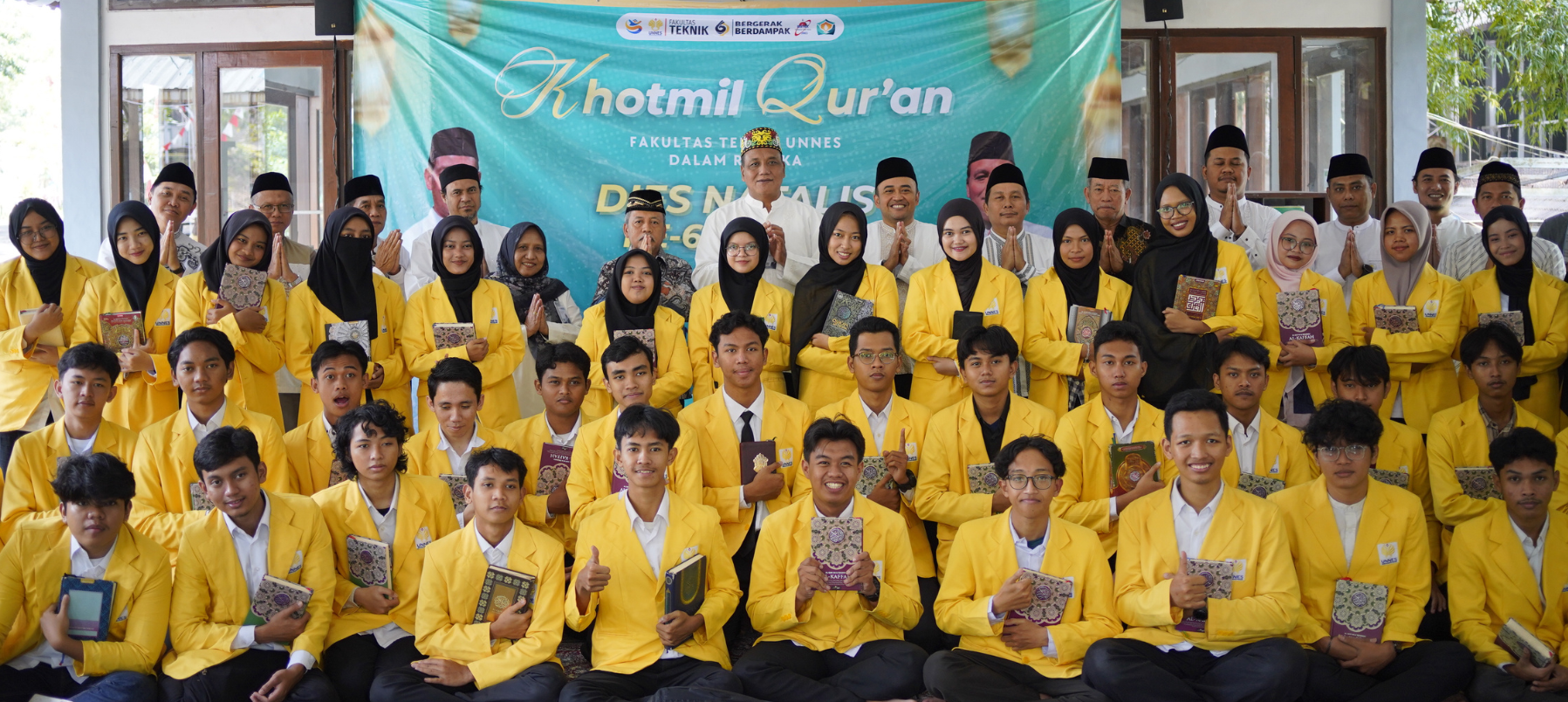
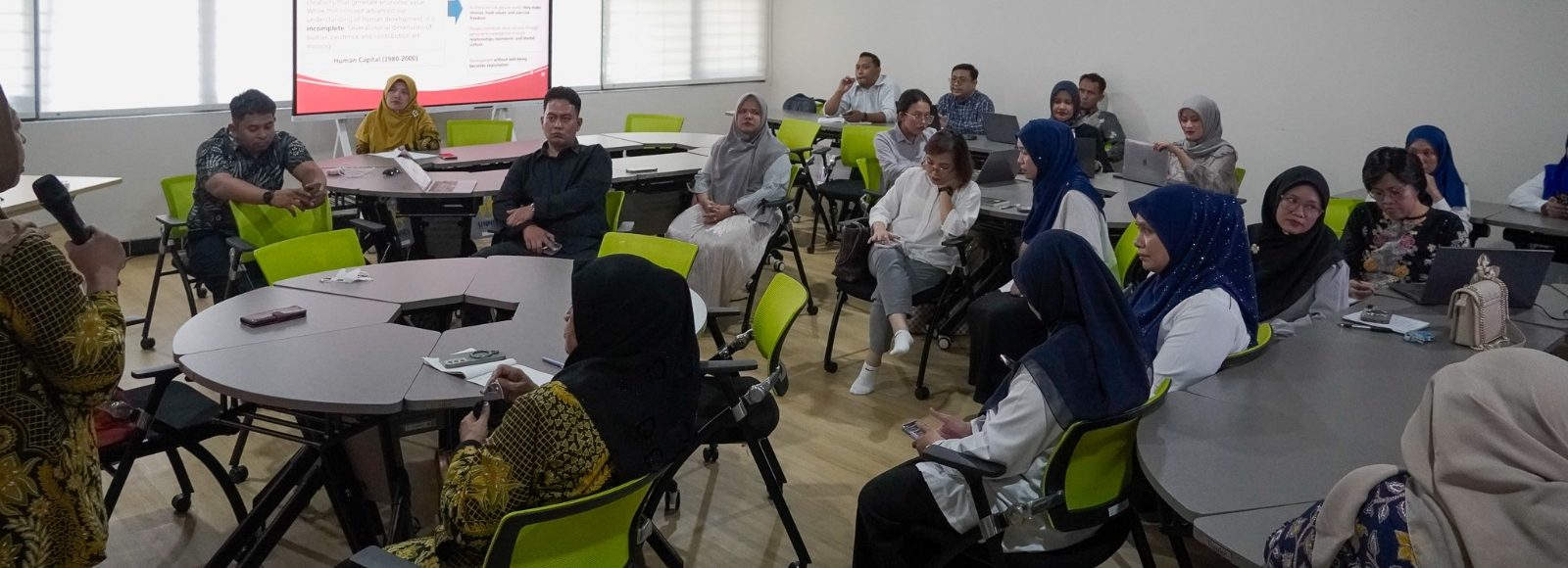
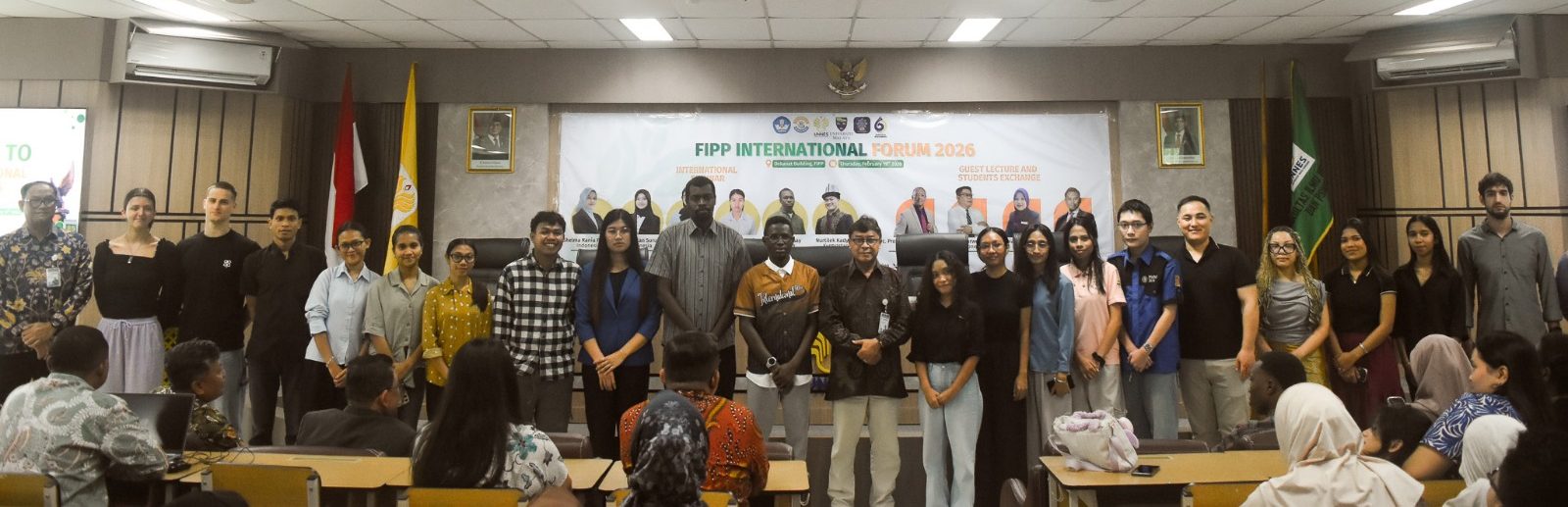
Universitas Negeri Semarang (UNNES), a conservation-oriented university in Indonesia, continues to demonstrate its strong commitment to integrating environmental sustainability principles across its academic and institutional practices. This commitment is reflected in a series of structured training programs, technical workshops, and sustainability socialization activities aimed at strengthening the capacity of academic and professional staff, as well as students.
Through its Subdirectorate of Conservation, UNNES systematically implements capacity-building initiatives designed to enhance knowledge, skills, and active engagement in sustainability practices. These programs form part of the university’s broader strategy to institutionalize sustainability values and support the achievement of the Sustainable Development Goals (SDGs).
Conservation Training Combining Theory and Field Practice
One of the flagship initiatives is the Conservation Cadre Technical Training (Bimbingan Teknis/Bimtek), which is conducted regularly as part of UNNES’ long-standing conservation cadre development program. While primarily involving students, the program is supported and reinforced by the active participation of academic staff and professional personnel as facilitators, mentors, and contributors to the learning ecosystem.
In its recent implementation, the training was delivered over several days and featured expert speakers from national institutions such as the Natural Resources Conservation Agency (BKSDA), the Environmental and Forestry Agency, and environmental practitioners. Participants were equipped with comprehensive knowledge on key environmental topics, including biodiversity conservation, ecology of flora and fauna, forestry management, and environmental ethics.
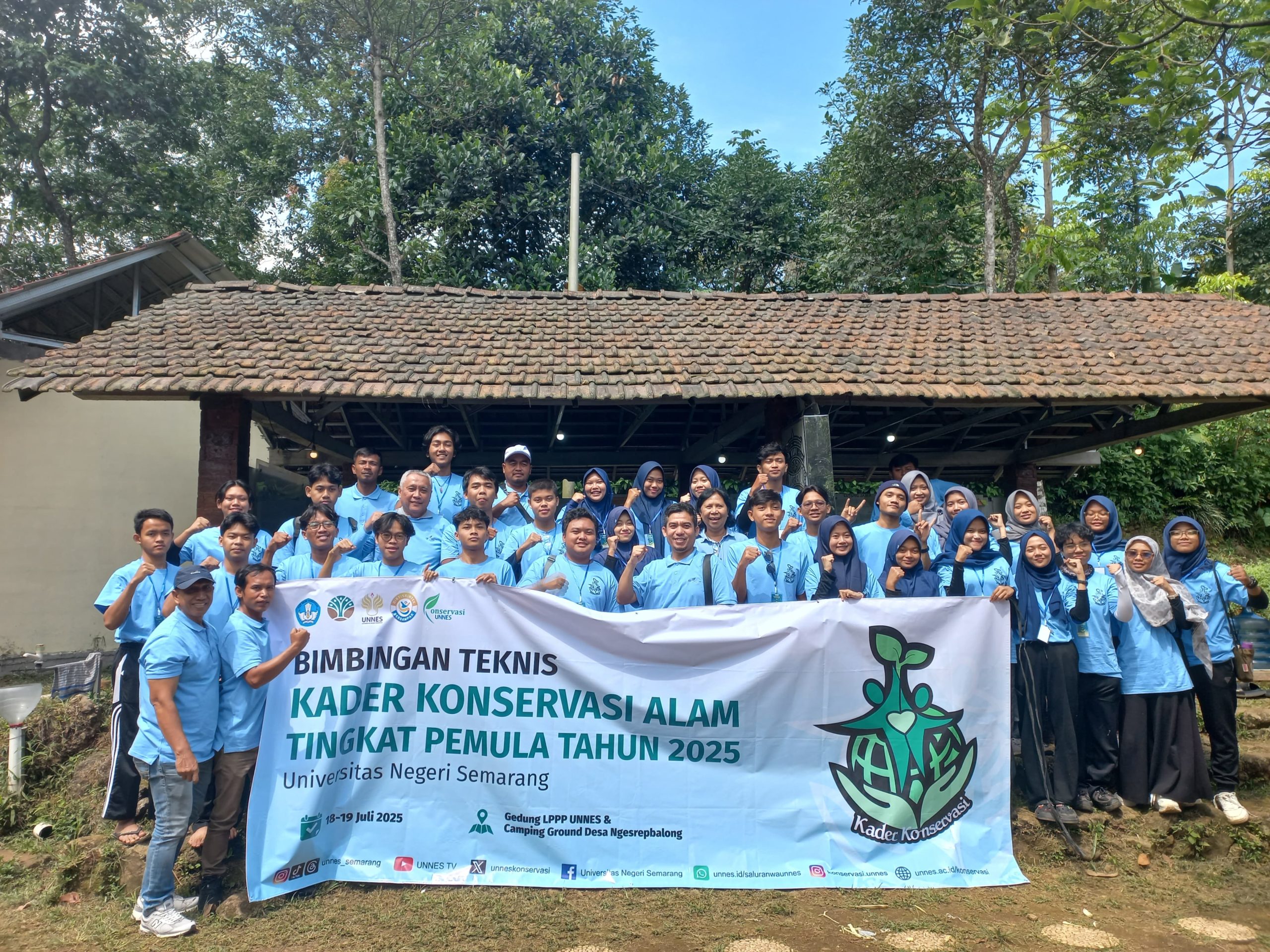
Importantly, the program integrates classroom-based learning with field practice in natural environments, allowing participants to apply sustainability principles in real-world contexts. This approach ensures that participants not only understand theoretical concepts but also develop practical competencies in environmental management and conservation.
The conservation cadre program has been institutionalized at UNNES since 2012, featuring a structured curriculum and certification system. It plays a significant role in developing environmentally responsible individuals across different levels of the university community.
Strengthening Academic Staff Capacity through Sustainability Internalization
In addition to technical training, UNNES conducts dedicated programs aimed at strengthening sustainability awareness among academic staff, particularly early-career lecturers. These initiatives focus on internalizing conservation values and aligning them with the university’s vision as a conservation-based institution.
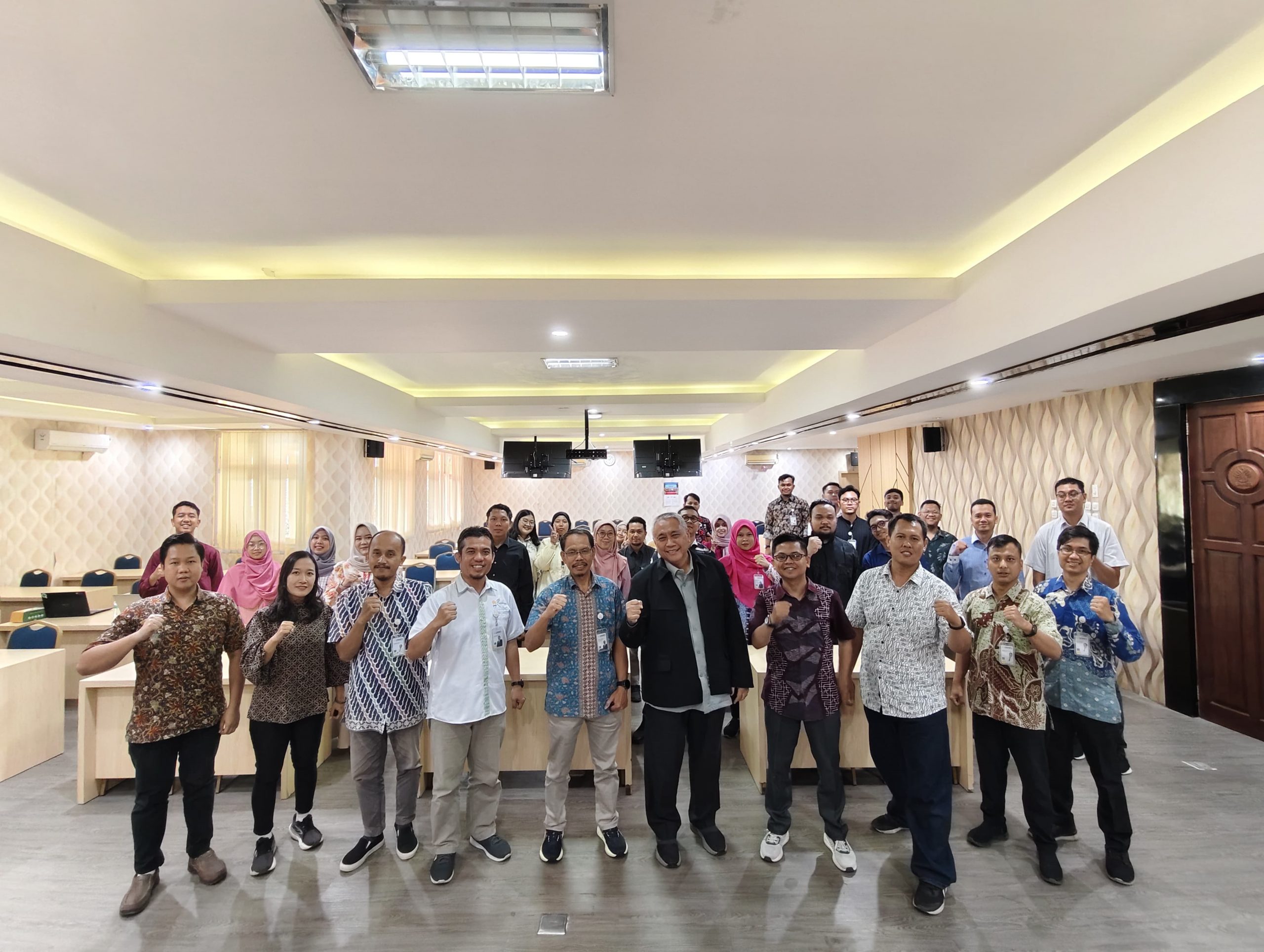
Through targeted workshops and engagement sessions, lecturers are encouraged to integrate sustainability principles into teaching, research, and community service. This initiative positions academic staff as key agents of change in embedding environmental sustainability across disciplines and academic activities.
Such programs are designed to be implemented regularly, ensuring continuous professional development and alignment with institutional sustainability goals.
Enhancing Institutional Capacity through Sustainability Data and Systems Training
UNNES also emphasizes strengthening institutional sustainability governance through training and socialization related to sustainability data systems. This includes workshops on data management and reporting aligned with international sustainability frameworks.
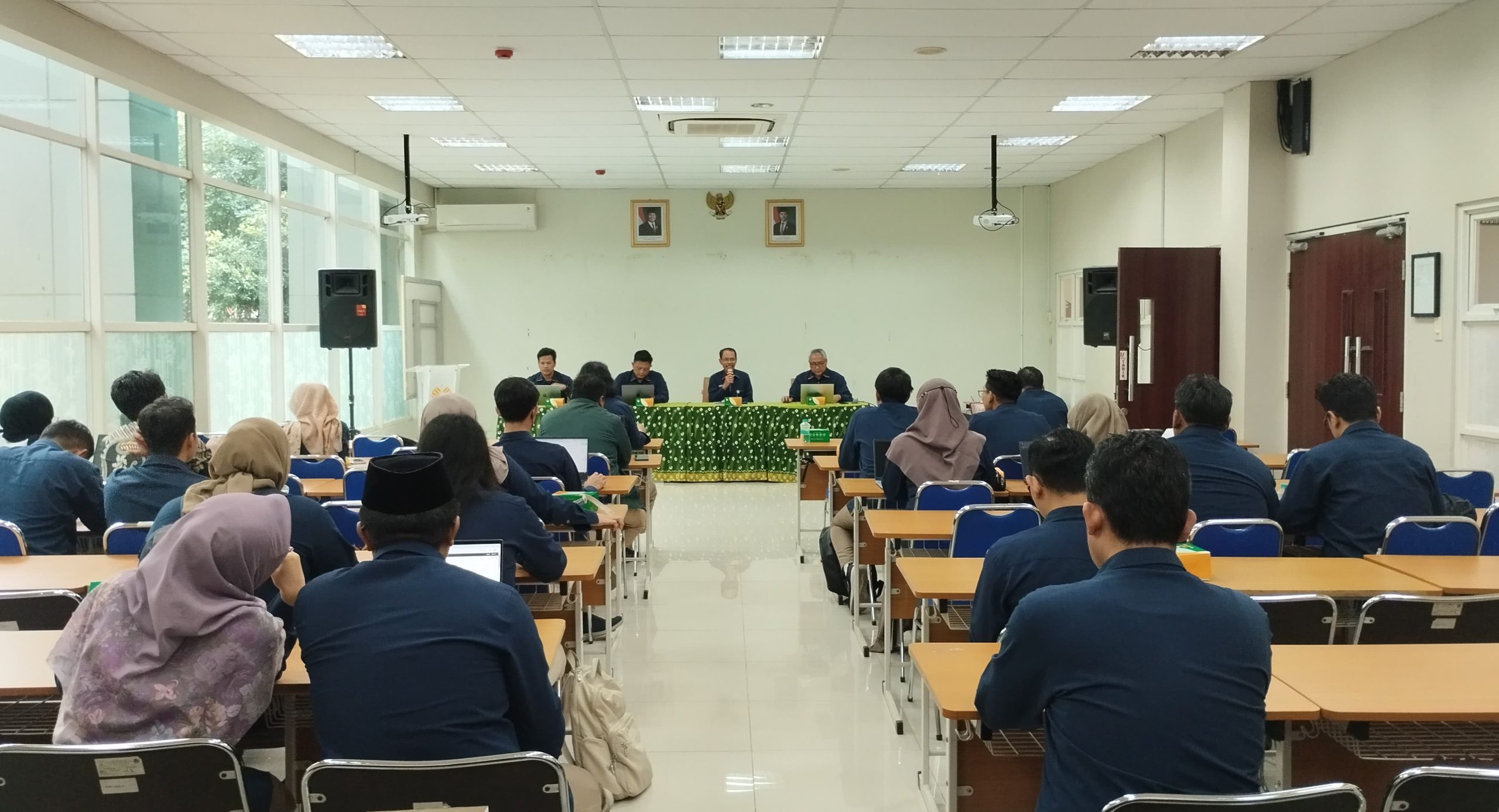
These activities involve both academic and professional staff, equipping them with the necessary knowledge and skills to manage, monitor, and report sustainability performance effectively. By adopting a data-driven approach, UNNES ensures transparency, accountability, and continuous improvement in its sustainability initiatives.
A Systemic Approach to Institutional Transformation
The various training programs, workshops, and socialization activities conducted by UNNES reflect a comprehensive and systemic approach to sustainability. The Subdirectorate of Conservation and SDGs Center plays a strategic role in planning, implementing, and evaluating these initiatives to ensure alignment with the university’s conservation vision.
This approach not only enhances individual competencies but also drives institutional transformation toward becoming a globally competitive and sustainable university. By embedding sustainability into training, governance, and academic practices, UNNES reaffirms its role as a key driver of sustainable development at local, national, and global levels.