Universitas Negeri Semarang (UNNES), as a Conservation University, has reinforced its environmental governance by issuing formal policies to prevent and reduce marine pollution, particularly from land-based activities. These measures integrate regulatory enforcement, behavioral change, and conservation practices, aligning UNNES’s operations with the Sustainable Development Goals (SDGs).
Rector’s Circular Letters on Pollution Prevention and Ecosystem Restoration
- Circular Letter No. B/28527/UN37/RT03.03.03.00/2024 establishes guidelines for the Protection and Prevention of Water and Land Environments from Pollution. It mandates:
- Maintaining cleanliness in the work environment
- Proper waste disposal behavior
- Minimizing the use of plastic packaging
- Avoiding disposal of waste into freshwater, marine, and brackish water bodies
- Upholding environmental awareness in all Tri Dharma activities (education, research, and community service)
- Circular Letter No. B/28478/UN37/PA.00.00/2024 outlines Conservation and Restoration of Land and Water Ecosystems, preventing any acts that could contribute to marine pollution. This directive ensures that UNNES’s conservation mission is embedded into institutional and community practices.
Ban on Single-Use Plastics
Complementing these circulars, Rector’s Regulation No. 21 of 2019 prohibits the use of single-use plastics across campus. This includes bans on plastic bottles, bags, food wrappers, disposable utensils, and X-banners. By reducing plastic waste at its source, UNNES prevents pollutants from entering waterways and contributing to marine degradation.
Conservation University Practices
UNNES operationalizes these policies through its Conservation University framework, which integrates:
- Campus-wide awareness campaigns on pollution prevention
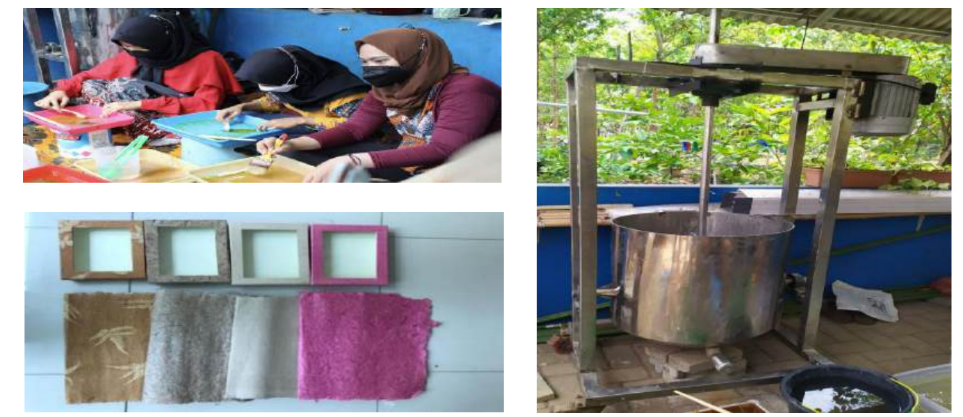
- Eco-friendly alternatives to plastic packaging
- Waste segregation and recycling programs
- Student-led conservation activities that reinforce responsible environmental behavior