Universitas Negeri Semarang (UNNES) has reinforced its long-term sustainability vision by declaring a strong commitment to achieve Carbon Neutrality by 2045. This declaration affirms UNNES’s position as a pioneer of environmental sustainability among Indonesian universities and aligns with its mission as The Conservation University.
The commitment, formalized through Rector’s Decree Number B/3669/UN37/HK.02/2024, serves as a strategic roadmap for the university’s transition toward a low-carbon and sustainable future. The roadmap emphasizes reducing emissions across all operational activities, enhancing renewable energy use, and implementing eco-friendly innovations in infrastructure and academic practices.
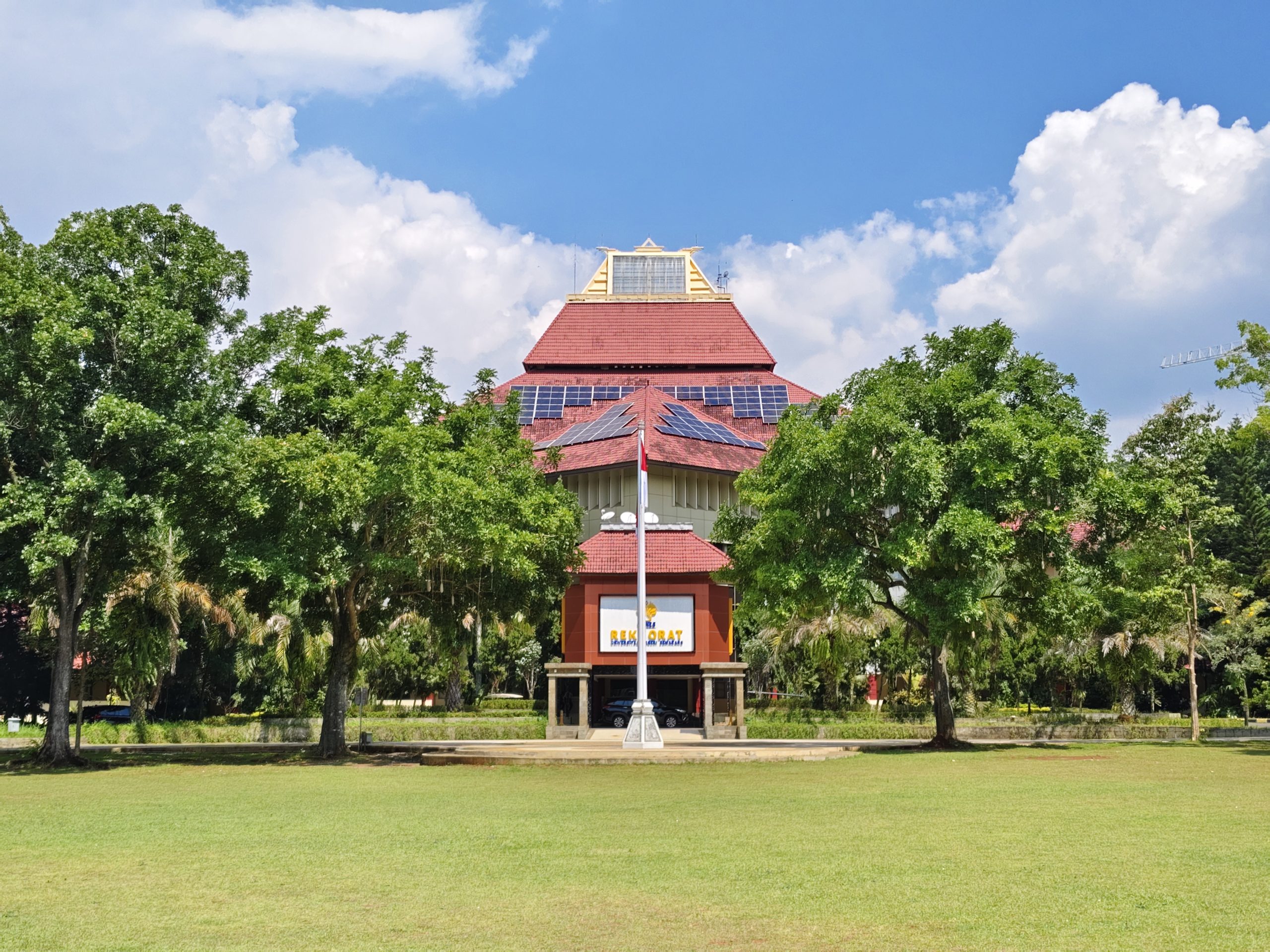
UNNES integrates its carbon-neutral plan into broader sustainability actions, including renewable energy adoption, green transportation, waste management, and reforestation programs. These initiatives are designed not only to reduce the university’s carbon footprint but also to support the national target of achieving net-zero emissions by 2060.
Stages Toward Carbon Neutral 2045
The stages of achieving Neutral Carbon in 2045 are as follows:
(a) In 2035, direct emissions (Scope 1) are expected to be fully reduced;
(b) In 2040, indirect emissions from purchased energy (Scope 2) are targeted to reach neutrality;
(c) Then in 2045, full neutrality covering all other indirect emissions (Scope 3) will be achieved.
Thus, UNNES’s full Carbon Neutral status will be realized in 2045 through an integrated, measurable, and science-based approach.
Advancing the SDGs
UNNES’s carbon-neutral commitment directly contributes to several Sustainable Development Goals (SDGs), including:
- SDG 13 – Climate Action, by setting a clear roadmap for emission reduction and climate resilience.
Through this initiative, UNNES continues to lead by example, embedding sustainability into every aspect of education, research, and operations — reaffirming its dedication to building a greener, more resilient future for generations to come.