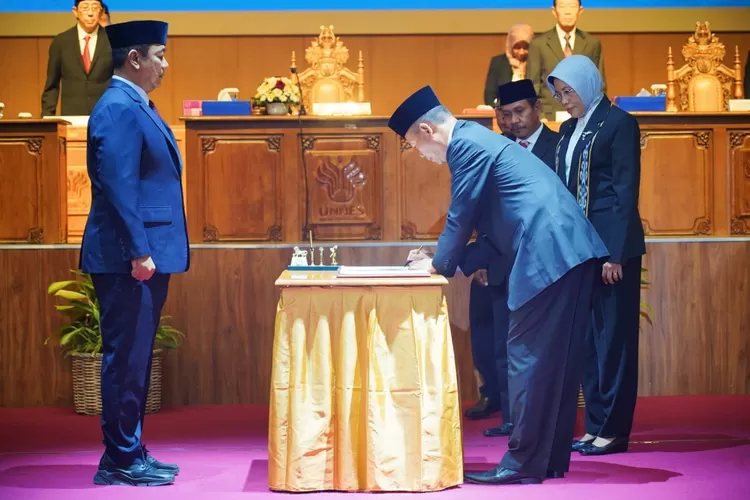
Universitas Negeri Semarang (UNNES) reinforces its commitment to participatory, transparent, and accountable governance through the establishment of the Board of Trustees (Majelis Wali Amanat/MWA) for the 2022–2027 period. The appointment of the board members was officially enacted under the Decree of the Minister of Education, Culture, Research, and Technology of the Republic of Indonesia No. 74280/MPK.A/KP.08.06/2022.
The Board of Trustees, consisting of 17 members, represents an inclusive and balanced composition of key stakeholders, including delegates from the Ministry, the Rector, the Chairperson of the Academic Senate, and representatives of the community, alumni, faculty, educational staff, and students. This inclusive structure ensures that the governance of UNNES reflects the principles of participation, transparency, and accountability, while strengthening collaboration between the university and external partners.
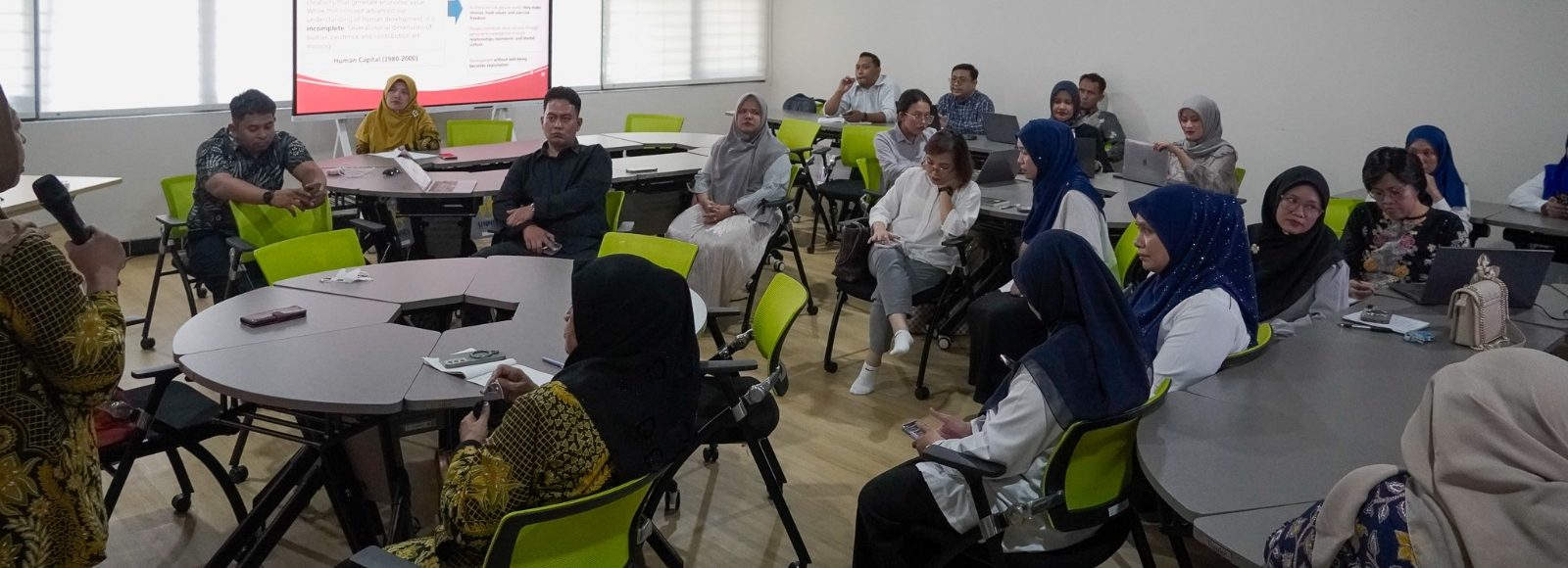
To further institutionalize stakeholder participation in university governance, UNNES issued the Rector’s Circular Letter No. B/28481/UN37/PK.02.00/2024 on Policies and Procedures for Local Stakeholder Engagement Beyond the University. This document establishes an official framework for identifying, engaging, and collaborating with community groups, institutional partners, and other relevant stakeholders in a structured and continuous manner. The policy outlines mechanisms for cooperation and dialogue at every stage of university activities from planning and implementation to evaluation.
Through this policy framework, UNNES demonstrates its dedication to promoting governance practices based on integrity, collaboration, and sustainability. The university actively encourages meaningful partnerships with local stakeholders to ensure that institutional decisions and initiatives remain responsive to community needs and local development potentials.
To further strengthen its participatory and collaborative framework, UNNES also implements a Quality Procedure for Partnerships, which regulates cooperation between UNNES and its partners based on the principles of equality, mutual benefit, and accountability The procedure aligns with Rector Regulation No. 32 of 2008 on Cooperation Guidelines, ensuring that all forms of collaboration whether initiated by individuals, departments, or institutional units are conducted professionally and lawfully.
The cooperation framework includes diverse forms of collaboration such as expert deployment, joint education and training programs, research and community service initiatives, technology transfer, and social empowerment projects. Each collaboration is carried out under a formal Memorandum of Understanding (MoU) or Memorandum of Agreement (MoA) to ensure clear accountability and measurable outcomes.
Through this institutional mechanism, UNNES not only ensures transparent and sustainable partnership management but also strengthens its contribution to SDG 16.6 (effective, accountable, and transparent institutions) and SDG 17.17 (encouraging effective public, public-private, and civil society partnerships). These frameworks affirm UNNES’s strategic commitment to integrating governance excellence with collaborative engagement for sustainable development.
In essence, the establishment of the Board of Trustees, the issuance of the Rector’s Circular Letter, and the implementation of the Quality Procedure for Partnerships collectively affirm UNNES’s long-standing commitment to building an inclusive, accountable, and sustainability-oriented governance ecosystem. These initiatives exemplify the university’s strategic alignment of education, research, and community service with social relevance and the principles of Sustainable Development Goals (SDGs) 16 and 17, reinforcing UNNES’s role as a leading model of integrity-based and participatory higher education governance in Indonesia.