Semarang, September 2024— Universitas Negeri Semarang (UNNES) reinforces its leadership in ecosystem protection through comprehensive policies and programs that ensure the conservation, restoration, and sustainable use of terrestrial ecosystems, including forests, mountains, and drylands surrounding its campus.
Grounded in its identity as a Conservation University with a Global Reputation, UNNES integrates policy, research, and community engagement to promote environmental sustainability and biodiversity protection across campus and neighboring ecosystems.
Legal Framework for Campus-Based Conservation
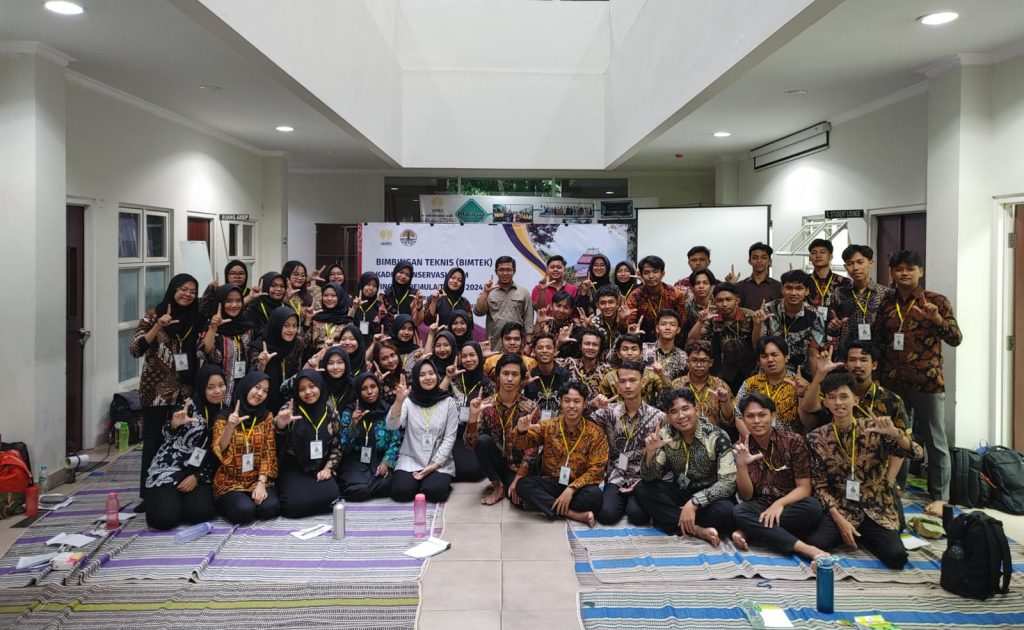
Technical Guidance (BIMTEK) for Nature Conservation Experts in 2024
Source: UNNES’ Documentation
The university’s environmental governance is guided by Rector’s Regulation Number 27 of 2012 on Campus-Based Conservation Management, which provides a legal foundation for sustainable ecosystem stewardship. This regulation defines strategies for forest conservation, biological protection, and responsible land management, aligning UNNES’s institutional vision with national and global sustainability targets.
Under this policy, UNNES implements biological protection programs that focus on the preservation and wise use of local flora and fauna, the maintenance of nurseries, and habitat restoration in and around the campus.
From Campus to Forest: Cultivating Conservation Values
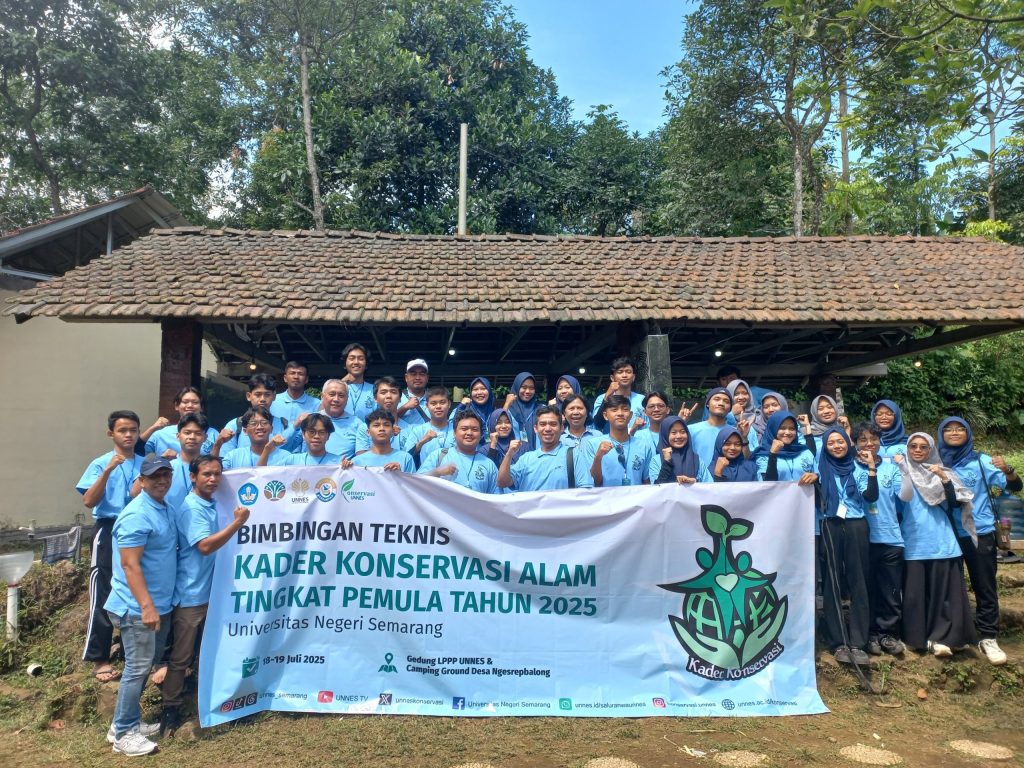
Technical Guide for Beginner-Level Nature Conservation Officers
Source: UNNES’ Documentation
In line with its conservation vision, UNNES actively engages students and staff in ecosystem restoration and environmental education through the Campus-to-Forest initiative. This program trains students to become environmentally responsible citizens who understand the importance of protecting forests, biodiversity, and ecosystem balance.
Participants receive hands-on experience in tree planting, nursery management, and forest ecosystem observation, particularly in the mountainous regions surrounding Gunung Ungaran. These activities aim to strengthen awareness of environmental stewardship while supporting reforestation efforts in nearby conservation areas.
Sustainable Campus Landscape and Biodiversity Protection
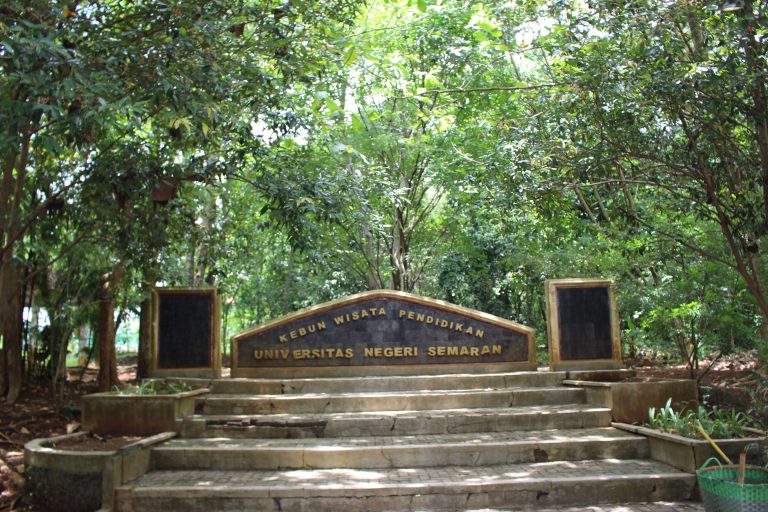
UNNES Tourism Education Park
Source: UNNES’ Documentation
UNNES manages over 22% of its total campus area as forest zones and more than 40% with plant vegetation, creating a green, shaded, and ecologically balanced campus environment that supports biodiversity and enhances air quality.
These green zones function as natural laboratories for research and education, providing habitats for native species and contributing to the ecological health of Semarang’s upland ecosystems. The university also integrates dryland conservation and sustainable water management into its landscape planning, ensuring that land use contributes to resilience against climate impacts such as drought and soil degradation.
Through these integrated conservation systems, UNNES demonstrates how universities can serve as living models of sustainable ecosystem management, where education, research, and practice converge to protect the environment.
Collaboration for Conservation and Restoration
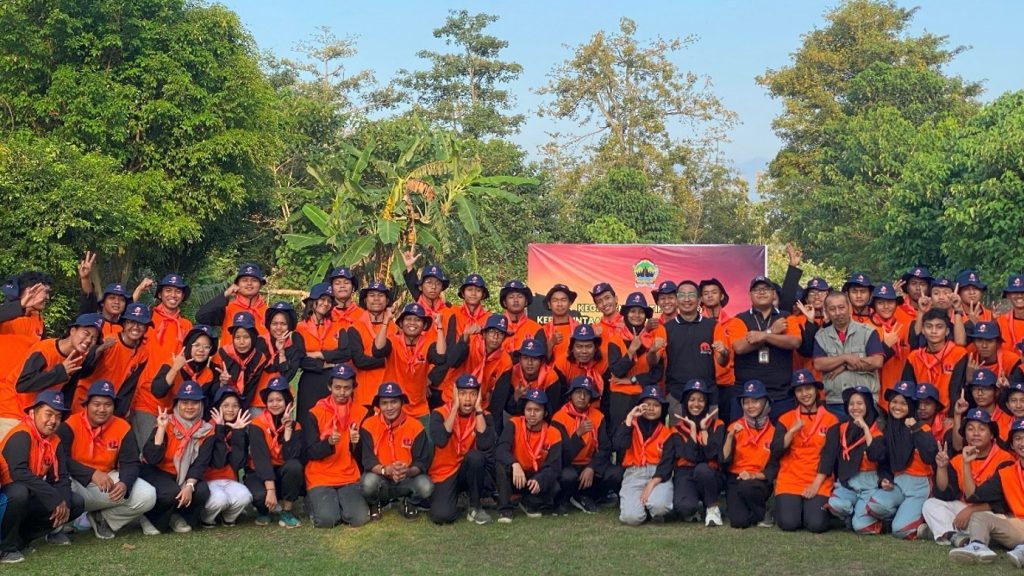
Mahapala UNNES and the Central Java Tourism and Creative Economy Agency Hold Basic Training for Nature Lovers
Source: UNNES’ Documentation
UNNES collaborates with government agencies, NGOs, and local communities to strengthen environmental awareness and apply restoration practices in forest and mountain regions. Regular training and conservation field programs are conducted to share best practices in reforestation, biodiversity protection, and eco-friendly land use.
These partnerships foster long-term ecological resilience in the areas surrounding Mount Ungaran and contribute to Indonesia’s broader efforts to achieve its Sustainable Development Goals (SDGs), particularly SDG 13 (Climate Action) and SDG 15 (Life on Land).
Commitment to the Sustainable Development Goals
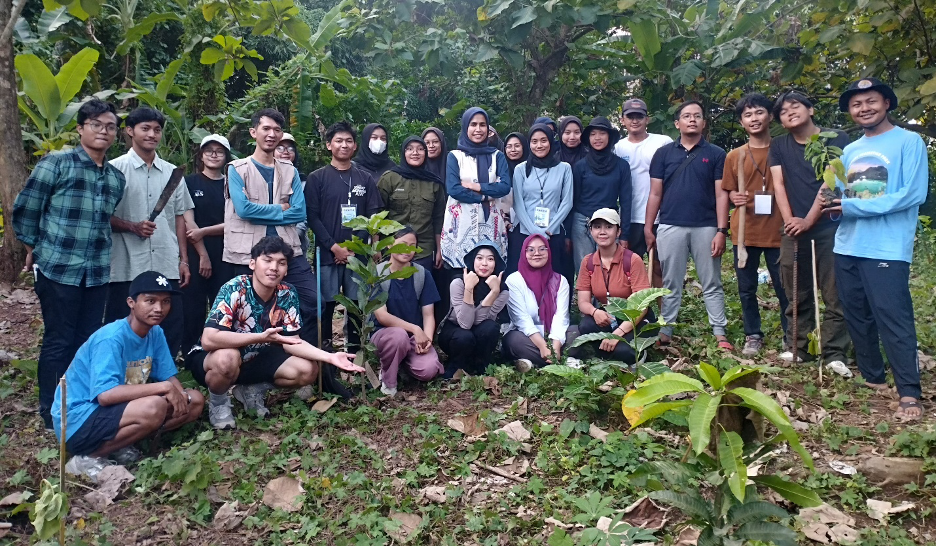
Tree Planting Activity by UNNES Students
Source: UNNES’ Documentation
Through its campus-based conservation model, UNNES not only protects local ecosystems but also integrates sustainability into the core of its academic and administrative systems. The university’s policies and on-the-ground initiatives reflect its mission to educate environmentally conscious citizens while contributing to biodiversity conservation and climate resilience at regional and global levels.
“UNNES is not only a place of learning but a living ecosystem that demonstrates how education and nature can thrive together,” said the Rector of UNNES. “Our commitment to forest and mountain conservation is at the heart of our role as a Conservation University.”