Semarang, November 2024 — Universitas Negeri Semarang (UNNES) continues to lead environmental stewardship through a series of comprehensive conservation initiatives promoting the sustainable use of land, forests, and natural ecosystems. As a Conservation University with a Global Reputation, UNNES integrates research, education, and community engagement to advance biodiversity protection and sustainable development.
Conservation for Land, Forests, and Biodiversity

UNNES Reservoir
Source: UNNES’ Documentation
Through collaborations with government agencies, local communities, and international partners, UNNES actively organizes workshops, symposiums, and focus group discussions (FGDs) on biodiversity and ethnobiology, particularly in the Gunung Ungaran area. These academic activities strengthen environmental awareness and scientific understanding of local flora, fauna, and traditional ecological knowledge.
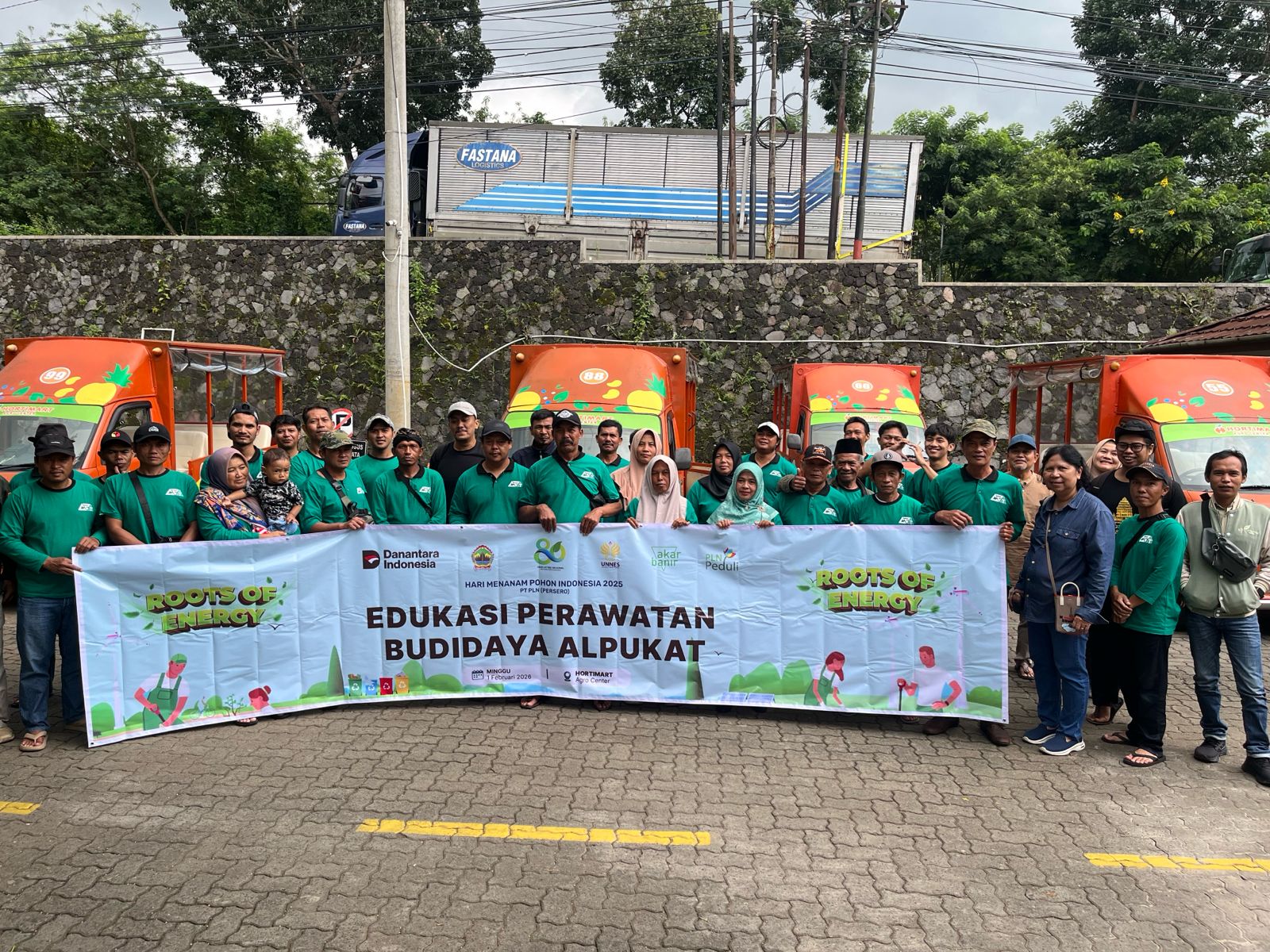
UNNES’s commitment also extends to community-based conservation programs in Limbangan and Medini Villages, where students and researchers partner with residents to develop sustainable agroforestry, reforestation, and ecotourism initiatives that benefit both people and nature.
Coastal Conservation and Mangrove Restoration

UNNES Students Plant Trees
Source: UNNES’ Documentation
In coastal regions, UNNES plays an active role in mangrove forest conservation, combining environmental education, reforestation, and local empowerment. Students, lecturers, and community volunteers collaborate to plant mangroves along degraded coastlines, aiming to prevent erosion, restore biodiversity, and enhance livelihoods. These programs also serve as living classrooms for marine and environmental sciences.
Tree Planting as a Campus-Wide Conservation Tradition

UNNES Students Plant Trees
Source: UNNES’ Documentation
UNNES instructs all students to participate in an annual tree-planting program, a symbolic and practical expression of the university’s commitment to conservation values. Thousands of new trees are planted annually across campus and in surrounding communities.
Tree planting is systematically recorded through the SIOMON platform, an innovative monitoring system that enables digital documentation, geotagging, and verification of conservation activities.
Recent examples include:
- 300 trees planted by new students across campus areas,
- 1,255 new students from the Faculty of Social Sciences are planting trees collaboratively
- Student dormitory residents planting and receiving seedlings through the BoAB (Boarding and Beyond) program, and
- Student tree planting initiatives at Kalisegoro and Gunungpati slopes, promoting reforestation in Semarang’s upper catchment areas.
UNNES’s reforestation culture has also expanded nationally, including tree planting at the Nusantara Capital City (IKN) to support the development of the Forest City concept and the national SDGs agenda.
Green Campus and Living Laboratories

UNNES Educational Tourism Park
Source: UNNES’ Documentation
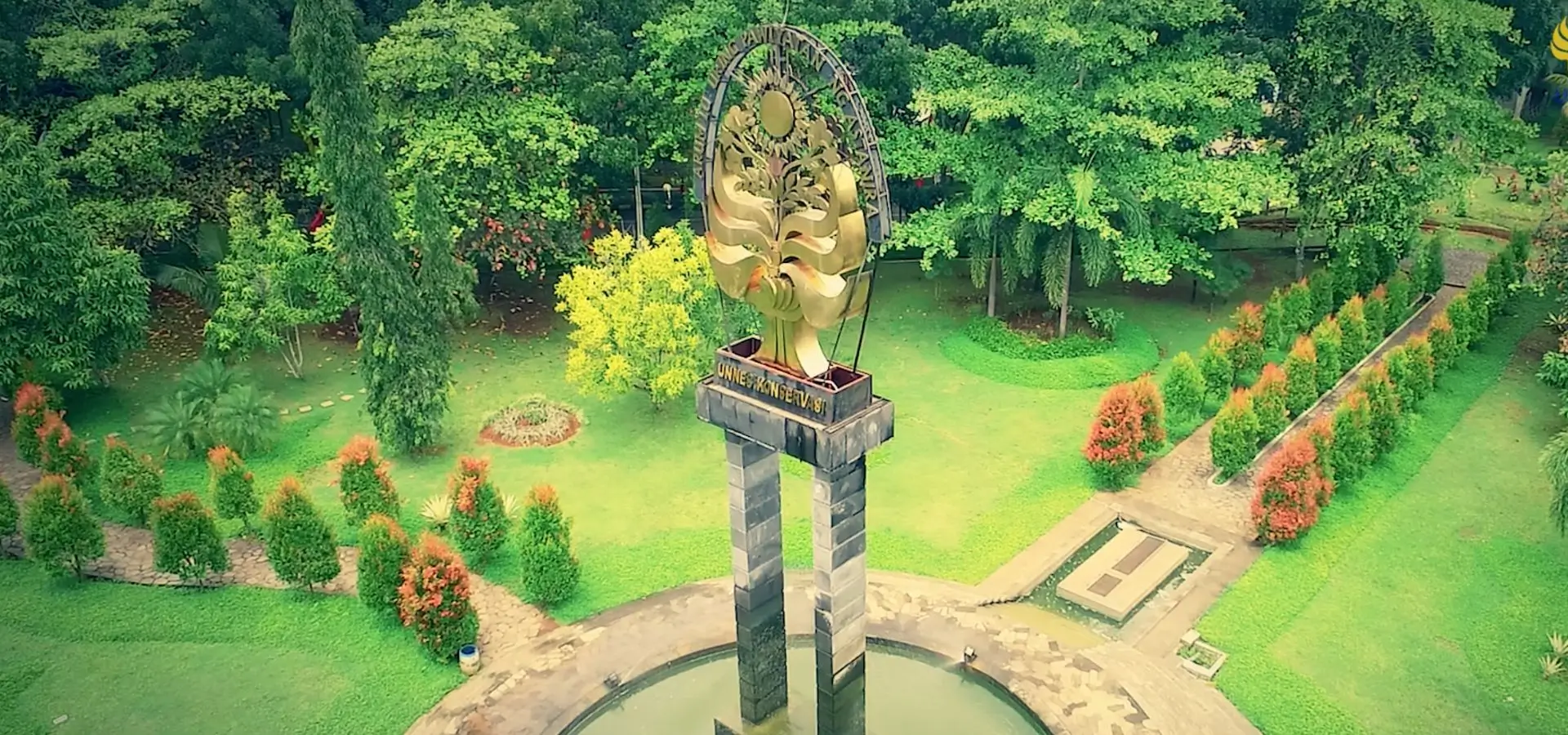
UNNES integrates its conservation mission through multiple living laboratories on campus, including Mini Forests and the Kebun Wisata Pendidikan (Educational Tourism Gardens) under the Green Techno Park. These areas function as research, education, and recreation spaces that promote biodiversity conservation and environmental literacy among students and visitors.
The university’s water reservoir (embung) serves as an ecosystem balancing system, supporting water conservation, irrigation, and environmental education.
Global Recognition in Sustainable Development

Main Gate of UNNES
Source: UNNES’ Documentation
UNNES’s sustained commitment to conservation is internationally recognized through the UI GreenMetric World University Ranking, where UNNES consistently ranks among Indonesia’s leading sustainable universities.
These achievements highlight UNNES’s dedication to integrating conservation, research, and community empowerment to create a more sustainable and ecologically conscious academic environment.
“Conservation is not just a program at UNNES—it is our identity,” stated the Rector of UNNES. “Through continuous education, innovation, and community partnership, we ensure that our university contributes meaningfully to protecting the planet for future generations.”