Universitas Negeri Semarang (UNNES), as a Conservation University, continues to expand its role in advancing sustainable management of fisheries, aquaculture, and tourism through a series of educational outreach and community service programs. These initiatives are designed to empower local and national communities with practical knowledge, innovative tools, and conservation-based practices that align with the Sustainable Development Goals (SDGs).
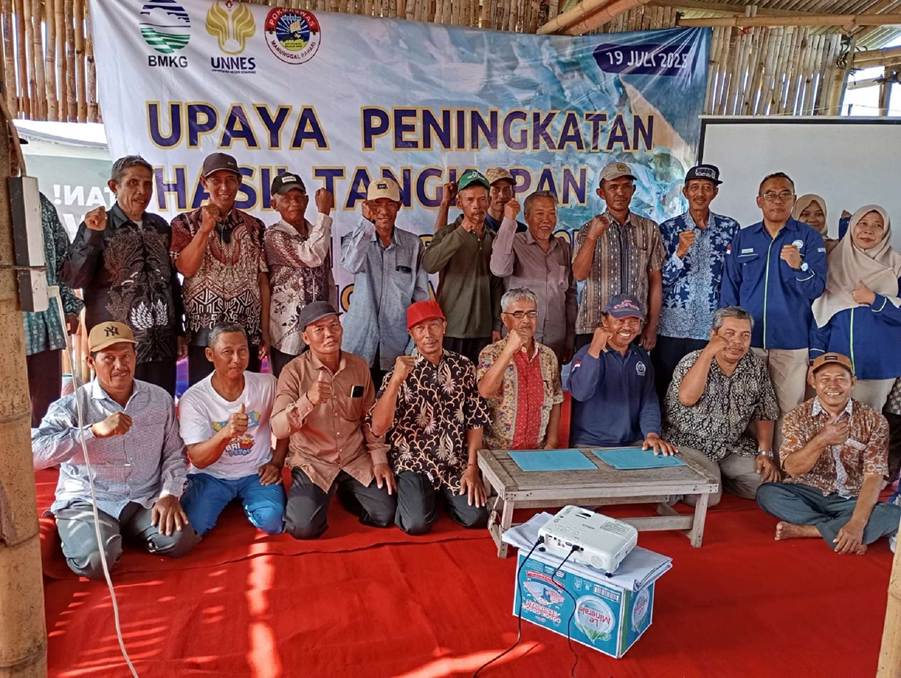
One of the flagship programs is the Training on Mobile App Usage for Fishermen, conducted in collaboration with the BMKG Maritime Meteorological Station Tanjung Emas and attended by local fishermen, members of the Manunggal Bahari Fishermen’s Group (Pokmaswas), and cadets from the Meteorology, Climatology, and Geophysics College (STMKG). The training, led by Prof. Dr. Supriyadi from the Faculty of Mathematics and Natural Sciences at UNNES, introduced the Indonesian Weather Information for Shipping (Inawis) application developed by the Meteorology, Climatology, and Geophysics Agency (BMKG). The initiative aims to help fishermen improve their catch yields by accessing real-time weather and oceanographic data. Through this digital literacy program, traditional fishing practices are enhanced with modern technology, improving both safety at sea and overall productivity.
UNNES also runs an Education Program on Coastal Ecosystem Conservation, focusing on mangrove and estuarine areas in Tugurejo, Semarang. This program combines awareness campaigns with hands-on activities such as mangrove planting, equipping communities with ecological knowledge and practical conservation skills. Read more:
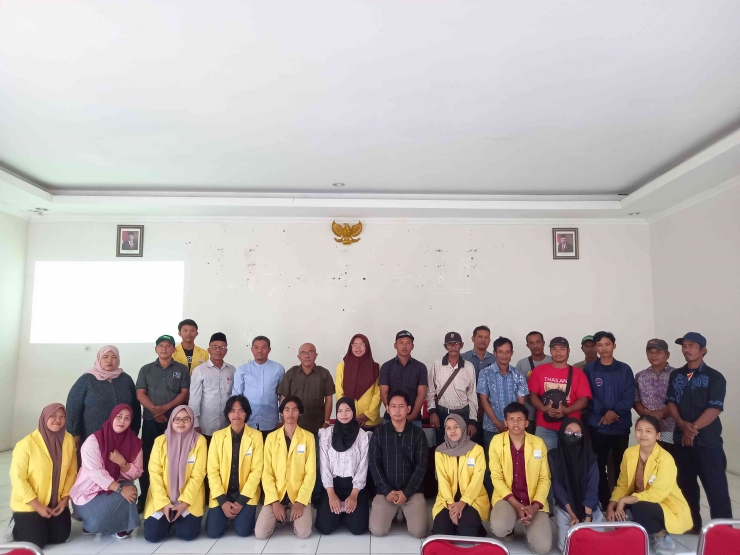
To strengthen local governance, UNNES organizes Workshops on Coastal Resource Monitoring in coastal villages across Semarang. Through participatory training, village officials and youth groups are introduced to monitoring techniques that help safeguard marine resources and ensure sustainable livelihoods.
At the national level, UNNES integrates aquatic ecosystem education into the UGSR Workshop for Green Schools, where educators and students from across Indonesia learn about sustainable water and aquatic resource management. This initiative builds a conservation mindset among the younger generation.
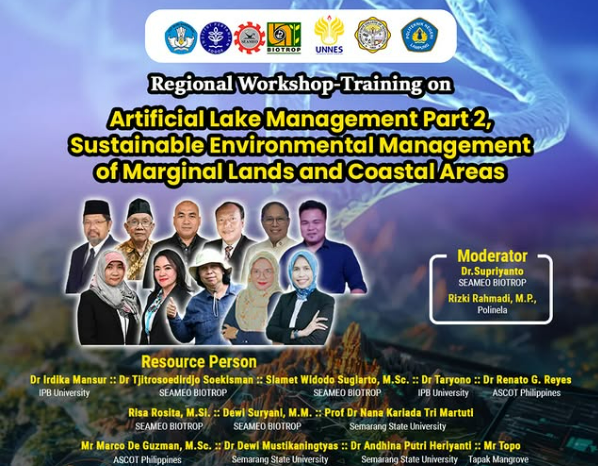
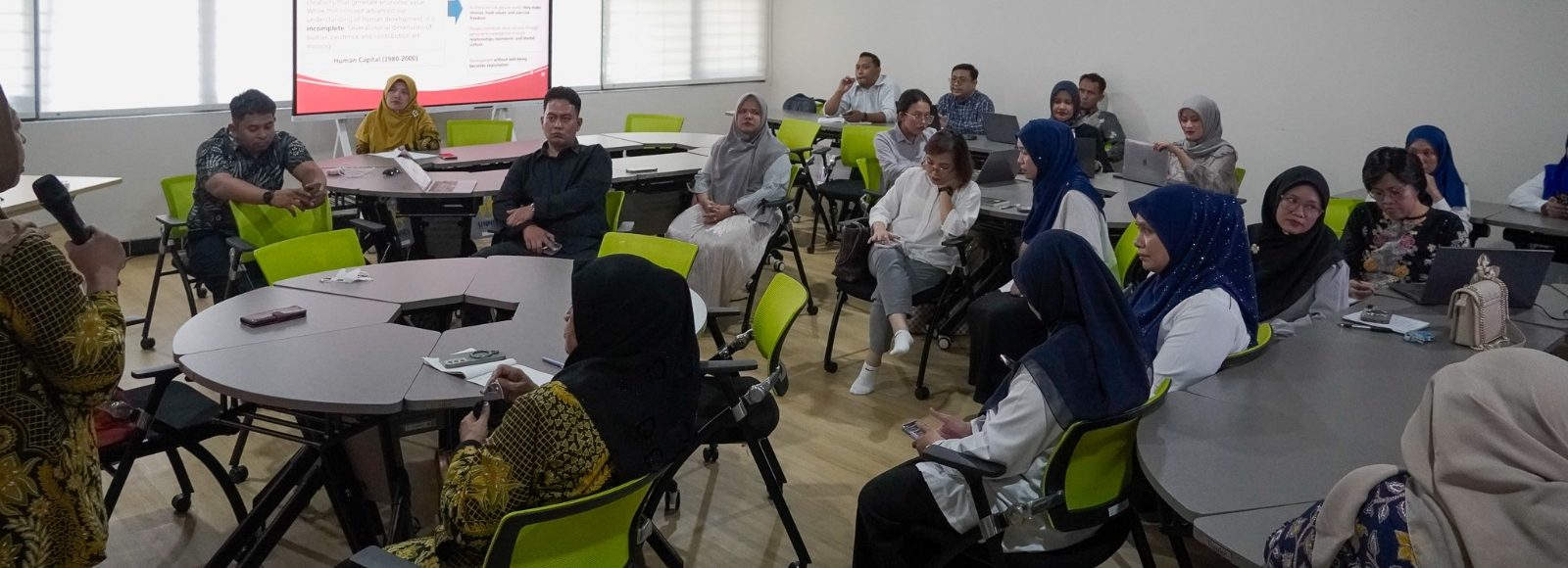
Finally, UNNES collaborates with SEAMEO Biotrop to host a Regional Workshop on Artificial Lake Management, providing training on ecosystem-based approaches to lake conservation and sustainable aquaculture practices. This regional collaboration highlights UNNES’s commitment to knowledge-sharing and international cooperation in environmental stewardship.
Through these integrated programs, UNNES demonstrates its institutional commitment to empowering communities, protecting ecosystems, and promoting sustainable fisheries and tourism. By combining technology, education, and conservation, UNNES ensures that local wisdom and modern science work hand in hand to secure a resilient future for Indonesia’s coastal and aquatic resources.